
Table of Contents
The Moment the Dog Pressed Her Paw Through the Bars
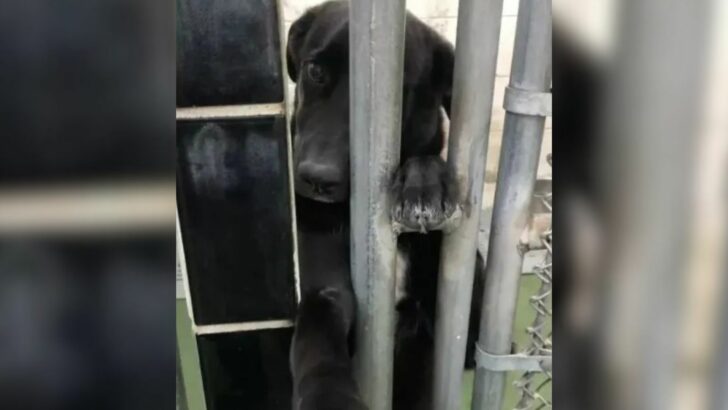
In a shelter located in the heart of a bustling city, one dog’s act of vulnerability captured the attention of the staff. As they walked through the rows of cages, they saw her—a dog with her paw stretched through the cold, metal bars of her cage. It wasn’t just a simple paw placement; it was as though she was reaching out, hoping someone would notice her, hoping someone would take her away from the cold, isolated cage she had been in for so long.
Her story is not unique. Shelters across the world are filled with dogs, each with their own unique journey, longing for the comfort of a family, a home, and the unconditional love they can offer. The dog’s behavior highlighted the powerful emotional lives that shelter animals lead, a stark reminder that behind every bark or wagging tail lies a creature with feelings, fears, and hopes for a better life.
It is moments like these that show just how important it is for shelters to not only provide food and shelter but also emotional care and attention to animals who are often left waiting for months or years before finding a family to call their own.
More Than Just Animals Waiting for Adoption
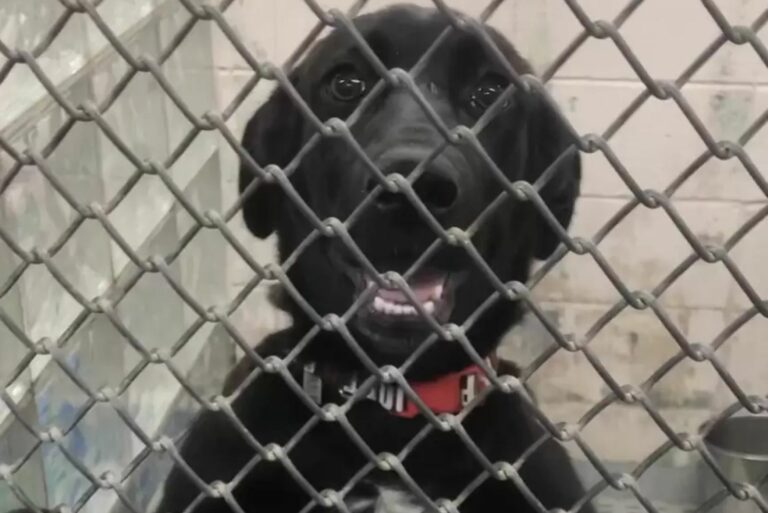
When we think about shelter animals, we often focus on their physical needs: food, water, and a safe place to sleep. However, what is often overlooked is the emotional toll that living in a shelter takes on them. Dogs are incredibly social animals, and being isolated from human companionship for extended periods can be deeply distressing.
In fact, many shelter dogs experience what’s known as “kennel stress,” a condition caused by the constant noise, lack of social interaction, and uncertainty about their future. This stress manifests in various ways, including anxiety, depression, and a lack of trust in humans. For a dog like the one who pressed her paw through the bars, this emotional stress is compounded by the fear of abandonment and the desperate hope that someone will notice them before it’s too late.
Shelters do their best to offer care, but the constant flow of animals in and out often leaves little time for one-on-one attention. However, the small acts of kindness—like petting, talking to the dog, or even just acknowledging their presence—can have a huge impact on the emotional well-being of shelter animals.
The Answer to Shelter Dogs’ Emotional Needs
For many dogs, the path to healing begins with adoption. Once a dog finds a family to call their own, the emotional transformation is often remarkable. A dog that once cowered in fear, unsure of whether it would ever be loved, can blossom into a confident and loving companion.
Adoption doesn’t just change the dog’s life; it changes the lives of the people who welcome the dog into their home. The bond that forms between adopted dogs and their new families is a powerful one, based on trust, love, and mutual understanding. This bond has the potential to heal both the dog’s emotional wounds and provide the new family with a sense of purpose and connection.
In the case of the dog who pressed her paw through the bars, her story had a happy ending when she was eventually adopted by a loving family. The transformation from an anxious, frightened dog to a happy, secure pet was both profound and heartwarming. It was a clear reminder of the power of adoption in giving shelter dogs the second chance they deserve.
More Than Just a Temporary Home

While adoption is the ultimate goal, shelters play a critical role in the rescue and rehabilitation of dogs. Shelters are often the first place where an abandoned or neglected animal finds safety. They offer more than just a temporary roof; they provide essential services such as medical care, food, and behavioral support to help the animal recover from trauma or neglect.
Shelter staff are often trained to understand the unique needs of rescue animals. They provide socialization, behavioral training, and sometimes even therapeutic care for animals that have experienced extreme neglect or abuse. The efforts of these dedicated workers can make all the difference in the world for a dog that has been through difficult circumstances.
However, the reality is that shelters are often underfunded and overcrowded, making it difficult for them to provide the level of individualized care that each animal deserves. This is why community support, adoption programs, and fostering are so essential in the process of animal rescue.
A Bridge Between Shelter and Forever Home
One of the ways shelters are addressing overcrowding and providing better care for animals is through fostering programs. Fostering provides dogs with a temporary home while they wait for their permanent families to come along. This allows them to experience life outside the shelter, receive more individualized attention, and begin to heal emotionally.
Foster homes play a vital role in the rescue process. They provide a calm and loving environment where the dog can start to trust again. Many foster parents also provide valuable insight into a dog’s personality, behavior, and needs, which helps potential adopters make informed decisions.
For the dog who pressed her paw through the bars, a foster home could have provided the quiet, safe space she needed to heal and grow while awaiting adoption. The presence of foster parents who offer love and care can help these animals learn to trust again, paving the way for a successful adoption.
The Power of Adoption and Community Support
The community’s involvement in animal rescue cannot be overstated. Shelters rely heavily on donations, volunteers, and foster homes to ensure that the animals in their care receive the best possible chance for adoption. By supporting these organizations, we can help provide resources, medical care, and attention to the animals who need it most.
For people who are considering adopting a dog, this story serves as a powerful reminder of the impact that adoption can have—not just on the animal, but also on the lives of those who open their hearts to these animals in need. By adopting, we don’t just give a dog a home; we provide them with the emotional healing they so desperately need.
Conclusion
The dog who pressed her paw through the bars is not just a heart-wrenching story; it is a symbol of the thousands of shelter animals who are waiting for their chance to be loved. Shelters play an indispensable role in rescuing and rehabilitating animals, but they can only do so much. It is through the compassion of adopters, volunteers, and foster homes that these animals are given the chance for a better life.
If you are considering adopting a pet, remember that your choice can change the course of an animal’s life. Just as the dog’s paw through the bars captured the hearts of so many, the act of adopting can help bring hope and healing to those who need it most.