
Table of Contents
A New Force in European Politics
NXT4EU, an emerging political movement in Europe, has made waves with its unconventional approach to politics. While many traditional political parties have relied on decades of history, deep-rooted ideologies, and long-established leadership structures, NXT4EU is building its presence primarily through social media and grassroots movements. This approach is challenging the dominance of conventional political institutions and signaling a shift toward a more inclusive, participatory political environment.
The movement is attracting young, tech-savvy individuals who feel disconnected from traditional politics and its often sluggish, bureaucratic processes. Instead of adhering to conventional party lines, NXT4EU advocates for transparency, accountability, and the inclusion of previously marginalized voices in the political process. The movement’s embrace of social media platforms allows it to bypass traditional media channels, giving it direct access to its audience.
NXT4EU’s digital-first strategy has allowed it to gain significant traction in a short period, positioning itself as a formidable force in European politics. The movement’s rapid rise reflects a broader trend in which political activism is increasingly being driven by online engagement rather than the traditional political machinery of party structures and print media.
The Power of Social Media in Shaping Political Discourse
Social media has fundamentally changed the way political discourse is conducted. Platforms like Twitter, Facebook, and Instagram have created direct channels for communication between politicians, activists, and the public. This has allowed new voices to emerge and challenge the established political order. NXT4EU’s use of social media exemplifies how digital tools can bypass traditional media gatekeepers and create a more direct, unfiltered form of communication.
NXT4EU’s social media strategy involves leveraging real-time engagement to mobilize supporters, challenge political opponents, and frame narratives. The ability to share information quickly and interact with followers in real time gives the movement a unique advantage in shaping public opinion. This has created a dynamic where political discourse is no longer confined to the chambers of parliaments or traditional news outlets; it is now taking place in the open on social media platforms, where every post has the potential to spark debate and generate action.
Furthermore, social media allows for a level of transparency and accountability that was previously difficult to achieve. Movements like NXT4EU are able to directly communicate their policies and values, engage with their audience, and respond to criticisms instantly. This new form of transparency is changing how political leaders interact with the public and is forcing traditional politicians to adopt more agile, responsive communication strategies.
How NXT4EU’s Viral Post Is Shaping Political Activism
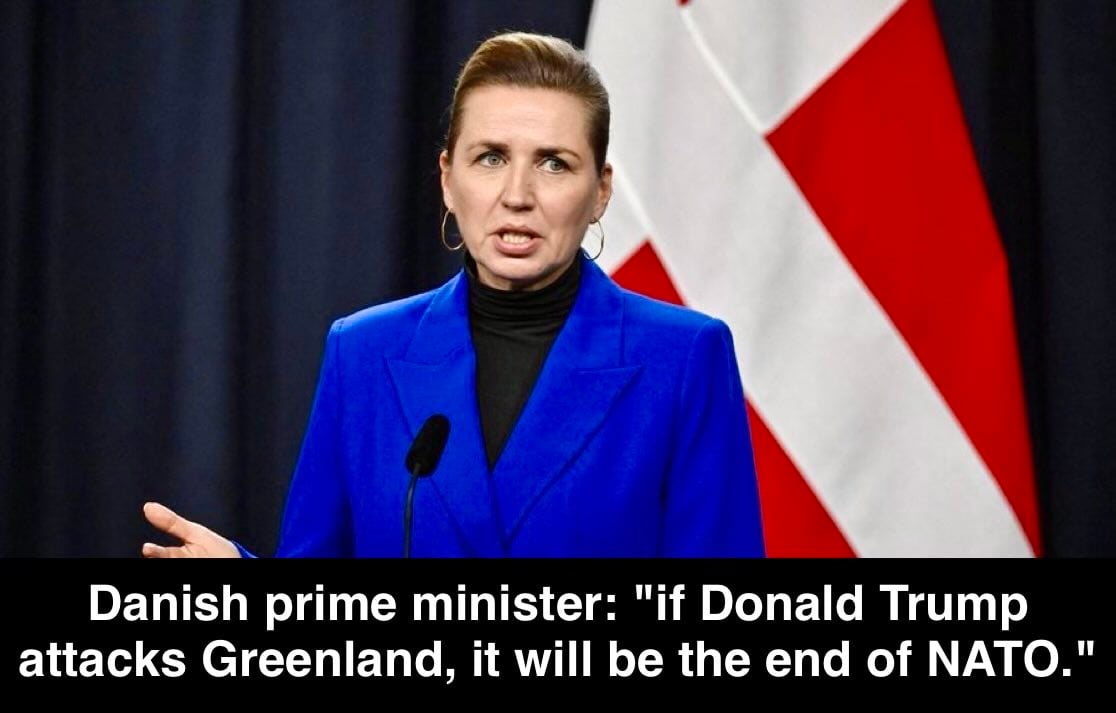
The post from NXT4EU that sparked widespread attention is a perfect example of how social media can be used as a tool for political mobilization. The post, which contained a provocative message aimed at the European Union’s political elite, quickly gained traction online. With thousands of retweets and shares, it became a rallying cry for those disillusioned with the status quo. The movement’s ability to capture the zeitgeist of the moment shows how social media can amplify a political message and give it a life of its own.
In this case, the post resonated with many young Europeans who feel that traditional political structures have failed them. By using bold language and engaging visuals, NXT4EU succeeded in capturing the attention of its audience and creating a conversation that spread far beyond its initial audience. This post, and others like it, demonstrates how social media activism can ignite a broader movement, creating momentum that can challenge the political establishment.
The effectiveness of NXT4EU’s strategy lies in its ability to mobilize people quickly and organize them around a common cause. Social media enables rapid dissemination of ideas and provides tools for organizing events, protests, and campaigns. Unlike traditional political movements, which can take years to build up momentum, social media movements can achieve viral success almost overnight.
The Role of Social Media in Shaping European Elections
The rise of movements like NXT4EU has significant implications for future elections in Europe. Social media-driven political movements are challenging traditional parties and shaking up the electoral landscape. By using digital platforms to mobilize voters, these movements have the potential to disrupt conventional political systems and introduce new ideas into the mainstream political discourse.
In countries across Europe, we are already seeing the rise of social media-based political movements that are gaining ground in national elections. These movements tend to appeal to younger voters who are more comfortable engaging with politics through social media rather than traditional methods. The increased use of social media in campaigns allows for more direct interaction with voters, making political participation more accessible and engaging.
For traditional political parties, this shift represents a challenge. As voters increasingly turn to social media for political engagement, established parties must adapt or risk becoming irrelevant. The traditional methods of canvassing, fundraising, and advertising are being supplanted by new, digital-first strategies that prioritize interaction, transparency, and immediate responsiveness.
The Implications for Traditional Political Parties

The growing influence of social media-driven movements like NXT4EU raises important questions about the future of traditional political parties. As more voters turn to social media to voice their concerns, political parties must grapple with how to remain relevant in an era where information is readily available online and the speed of communication is instantaneous.
One of the key challenges for traditional political parties is their reliance on established structures and processes, which can often be slow and cumbersome. In contrast, movements like NXT4EU operate with a level of agility that allows them to respond quickly to issues and capitalize on emerging trends. This speed and flexibility are essential in a fast-moving, digital-first political environment.
Moreover, traditional political parties face increasing pressure to engage with voters in a more authentic and transparent way. The public is no longer satisfied with polished speeches and scripted responses. Instead, they expect their political leaders to engage directly with them, answer questions, and address concerns in real-time. This is an area where social media movements have an advantage, as they can offer unfiltered, direct communication with their audience.
The Future of Political Engagement in Europe
As the influence of social media in politics continues to grow, the future of political engagement in Europe will likely look very different from what we have seen in the past. NXT4EU and other movements like it are leading the charge in reshaping the political landscape, and their success suggests that traditional parties must evolve to meet the demands of a digital, socially connected electorate.
The key to success for political movements in the future will be the ability to harness the power of social media while staying grounded in the concerns and interests of the people. In the digital age, politicians and activists must be able to adapt quickly, communicate transparently, and create genuine connections with their audiences. Those who fail to embrace these changes risk being left behind as a new era of political engagement takes shape.
Conclusion
NXT4EU’s viral post is just the beginning of a new wave of political activism driven by social media. As movements like NXT4EU gain influence and momentum, we are likely to see a shift in the way politics is conducted in Europe and beyond. Social media is democratizing political participation, making it easier for anyone with a message to reach a broad audience and challenge the status quo.
The implications of this shift are profound. Traditional political parties must evolve to meet the expectations of a younger, more digitally engaged electorate. At the same time, movements like NXT4EU will continue to push the boundaries of what is possible in terms of political engagement, proving that the power of social media can no longer be ignored. As we move into this new political era, the role of social media in shaping public opinion and influencing policy will only grow more significant.