

Table of Contents
South Sudan’s Historic Hunting Ban
South Sudan’s newly signed hunting ban is a comprehensive measure designed to halt all forms of hunting, including both legal and illegal activities. The law applies to both commercial and recreational hunting, making it a blanket prohibition on the killing or capturing of wildlife within the country. This move reflects South Sudan’s commitment to protecting its rich biodiversity, including endangered species and ecosystems that are crucial for the balance of the environment.
The ban also extends to hunting for subsistence purposes, which has traditionally been a livelihood for some local communities. While the law provides certain exceptions for indigenous practices and cultural traditions, it aims to strictly regulate the hunting of endangered species and limit the pressure on vulnerable wildlife populations. South Sudan has committed to enforcing this ban with increased monitoring and patrolling of its national parks and wildlife reserves to ensure that illegal hunting is reduced.
Why the Hunting Ban Was Necessary

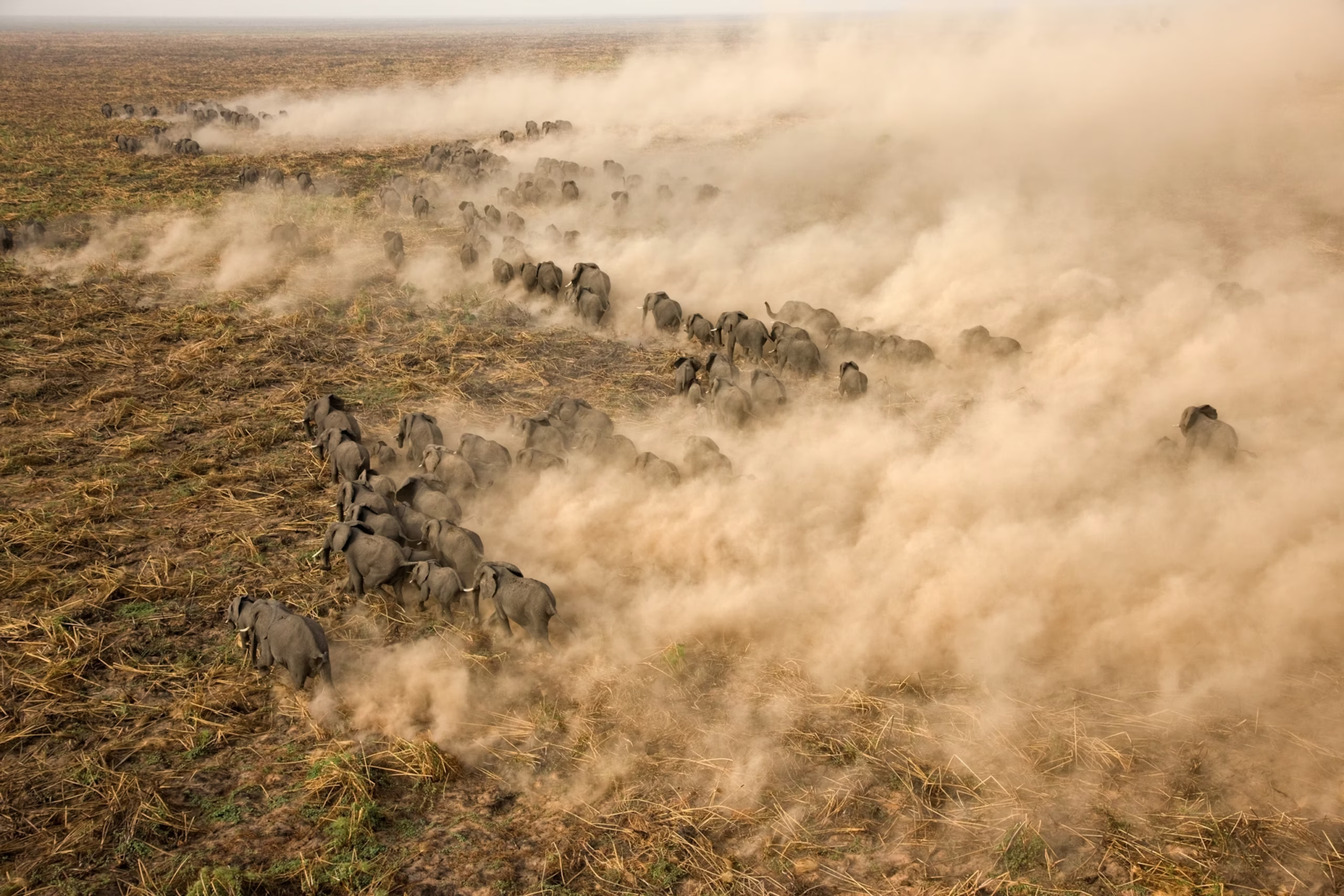
South Sudan is home to a diverse range of wildlife, including species such as elephants, giraffes, lions, and rhinos. However, the country’s wildlife has faced immense pressure from poaching, habitat loss, and unsustainable hunting practices. In recent years, South Sudan has seen a decline in wildlife populations, particularly among large mammals, as illegal hunting and poaching have threatened their survival.
The new hunting ban is a response to the growing recognition of the importance of protecting the country’s natural heritage and preserving ecosystems that provide crucial services, such as clean water, carbon sequestration, and soil fertility. South Sudan’s natural landscapes, including its wetlands, savannahs, and forests, are home to countless species that are vital for maintaining the ecological balance.
In addition to safeguarding wildlife, the hunting ban is also part of a broader strategy to combat environmental degradation. Overhunting has often been linked to the loss of biodiversity, as it disrupts ecosystems and undermines the resilience of natural habitats. By limiting hunting, South Sudan aims to restore and preserve its ecosystems, ensuring that they continue to thrive for future generations.
The Role of Conservation Efforts in South Sudan
The hunting ban in South Sudan is the latest in a series of conservation efforts aimed at protecting the country’s natural resources. South Sudan is home to a wealth of biodiversity, but the country’s wildlife has long been under threat from human activity. For years, conservationists and environmental groups have raised concerns about the impact of hunting, deforestation, and climate change on the country’s wildlife.
The new law is part of a broader push to improve wildlife management, strengthen conservation initiatives, and provide more effective protections for endangered species. South Sudan has established protected areas, such as national parks and reserves, which are crucial for preserving biodiversity and supporting wildlife populations. However, these efforts have often been undermined by illegal hunting and weak enforcement mechanisms.
By implementing the hunting ban, the South Sudanese government is taking a more proactive approach to conservation, aiming to create a safer environment for wildlife. The law also paves the way for the government to partner with international conservation organizations, which can provide expertise, funding, and support to help ensure the success of these initiatives.
The Economic and Social Implications of the Ban
While the hunting ban is largely seen as a positive step for conservation, it also carries economic and social implications, particularly for local communities that rely on hunting for food and income. In many parts of South Sudan, hunting has been a traditional livelihood for generations, and it has also supported the local economy through the sale of meat, hides, and other animal products.
However, the economic benefits of hunting are often outweighed by the long-term costs of wildlife depletion, which threatens the country’s tourism industry and ecosystem services. By implementing the hunting ban, South Sudan is aiming to build a more sustainable economy based on eco-tourism and the protection of natural resources. The country’s national parks and wildlife reserves have the potential to attract tourists from around the world, providing jobs and income for local communities without the negative environmental consequences of hunting.
To help mitigate the impact on communities that depend on hunting, the government is working to develop alternative livelihoods, such as sustainable agriculture and eco-tourism. By diversifying income sources, South Sudan hopes to reduce the reliance on hunting and create more sustainable and environmentally friendly sources of income for its people.
The International Support for South Sudan’s Decision
South Sudan’s decision to ban hunting has been met with praise from international conservation organizations and environmental groups. The move has been welcomed as a major step in protecting Africa’s endangered wildlife, particularly in light of the growing global concerns about poaching and biodiversity loss. International organizations such as the World Wildlife Fund (WWF) and the African Wildlife Foundation (AWF) have expressed their support for the ban and offered their expertise and resources to help South Sudan implement and enforce the law.
Additionally, international donors and environmental NGOs are providing financial and technical support to assist South Sudan in strengthening its wildlife management systems. This collaboration is vital in ensuring that the hunting ban is not only enforced but also accompanied by broader conservation strategies that support sustainable development and the protection of biodiversity.
The support from the global community underscores the importance of international cooperation in tackling wildlife conservation issues. As South Sudan works to implement its new laws, the backing of global partners will be critical in helping the country overcome challenges and ensure that its wildlife is protected for years to come.
Enforcement Challenges and the Path Forward

While the hunting ban is a significant achievement, South Sudan faces a number of challenges in ensuring that the law is properly enforced. The country’s vast landscapes, combined with limited resources for wildlife monitoring, present obstacles to effective law enforcement. Poaching and illegal hunting remain significant issues, and without adequate patrols and surveillance, it may be difficult to fully eradicate these activities.
To address these challenges, the South Sudanese government has committed to increasing funding for wildlife protection and establishing stronger enforcement mechanisms. This includes investing in ranger training, improving park infrastructure, and deploying modern technology such as drones and cameras to monitor wildlife and detect illegal activities.
In addition, South Sudan is working to raise public awareness about the importance of wildlife conservation and the new law. Engaging local communities, educating the public about the benefits of conservation, and encouraging collaboration between the government and local populations are all key strategies for ensuring the success of the hunting ban.
Conclusion
South Sudan’s decision to implement a nationwide hunting ban is a major milestone in the country’s efforts to protect its wildlife and preserve its rich biodiversity. The ban signals a shift toward more sustainable and ethical practices in wildlife management and conservation. By tackling the issues of poaching and overhunting, South Sudan is setting a positive example for other nations and creating a foundation for a future where wildlife is protected and celebrated.
As the country moves forward with the enforcement of this law, it will need continued support from the international community and a concerted effort to build alternative livelihoods for local communities. With the right resources and commitment, South Sudan can successfully protect its wildlife for generations to come, ensuring that its natural beauty and biodiversity are preserved for future generations.