
Table of Contents
- A Legal Move That Changed the Conversation
- Why South Africa Filed the Case
- Spain’s Stated Motivation
- The Broader European Context
- Israel’s Response and Ongoing Tensions
- The Human Toll Behind the Legal Debate
- What the ICJ Can and Cannot Do
- A Case That Could Take Years
- The Growing Role of International Law in Conflict
- What This Means for the Future
A Legal Move That Changed the Conversation
Spain’s announcement did not come in isolation. It arrived at a moment when the Gaza war had already reshaped global political debate, divided international opinion, and intensified scrutiny of military actions and humanitarian consequences. By choosing to join the case, Spain effectively moved from observer to participant in a legal process that could take years to resolve but has already begun influencing global narratives.
The International Court of Justice, often referred to as the world’s highest court for disputes between states, does not move quickly. Its cases unfold over long timelines, with detailed submissions, hearings, and deliberations. Yet even before a final ruling is reached, the very existence of a case can alter how governments speak, act, and align themselves. Spain’s decision therefore carries immediate symbolic weight, even if the legal outcome remains distant.
Why South Africa Filed the Case
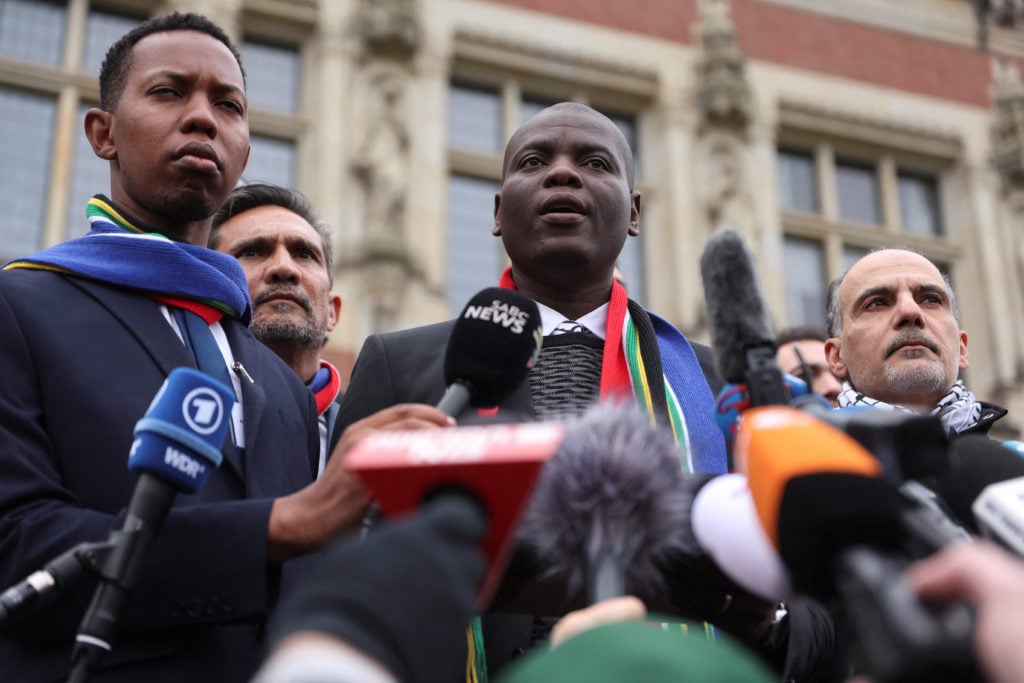
To understand the significance of Spain’s move, it is necessary to revisit the origins of the case itself. South Africa filed its application at the ICJ in late 2023, arguing that Israel’s military campaign in Gaza amounted to a breach of the Genocide Convention. This international treaty obligates states not only to refrain from genocide but also to prevent and punish it.
South Africa’s filing pointed to the scale of destruction, the humanitarian crisis, and statements by Israeli officials as evidence supporting its claims. Israel, for its part, has rejected the accusation outright, arguing that its actions are directed against Hamas following the October attacks and are consistent with its right to self-defense under international law.
This clash of interpretations sits at the heart of the case. It is not only about facts on the ground, but about how those facts are legally and morally framed. Spain’s entry into the proceedings indicates that some countries believe the questions raised are serious enough to warrant judicial examination at the highest level.
Spain’s Stated Motivation
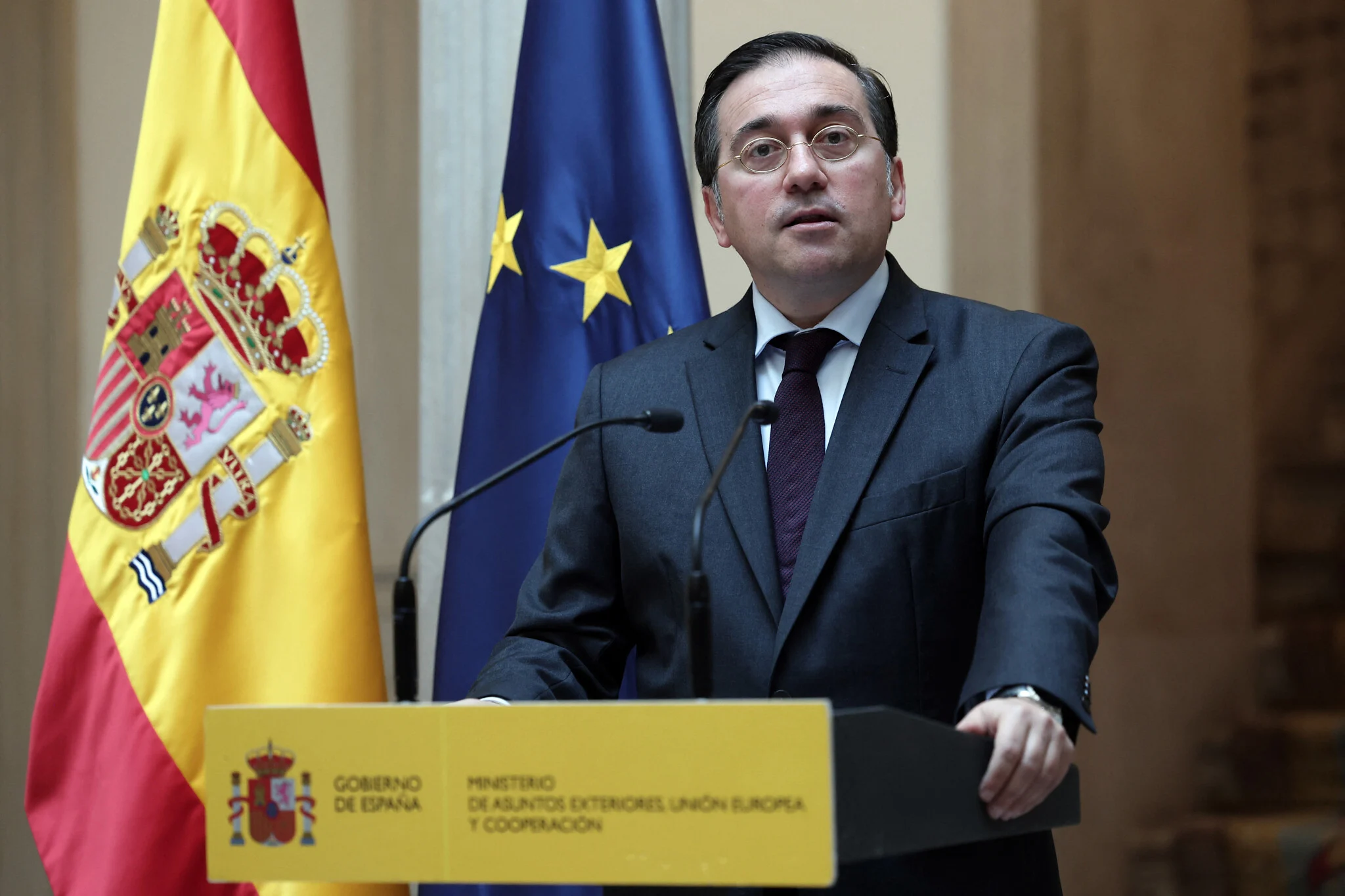
Spanish Foreign Minister Jose Manuel Albares framed the decision as rooted in both concern and principle. He pointed to the continuation of military operations in Gaza and the widening regional tensions as key factors behind Spain’s choice. At the same time, he emphasized Spain’s commitment to international law as a guiding principle.
That dual framing is important. It reflects a balance between immediate political concerns and longer-term legal norms. Spain is not only reacting to current events. It is also signaling that it views international law as a meaningful arena for addressing those events, even when enforcement mechanisms remain limited.
Albares also linked the move to a broader goal of ending the war and advancing a two-state solution. In doing so, Spain positioned its legal action within a wider diplomatic vision, one that seeks both accountability and a pathway toward peace.
The Broader European Context
Spain’s decision cannot be separated from recent developments in Europe. Alongside Ireland and Norway, Spain recently recognized the state of Palestine, a move that triggered strong reactions from Israel. That recognition already marked a shift in how some European countries are approaching the conflict.
By joining the ICJ case, Spain has taken an additional step. Recognition is a political act that signals support for Palestinian statehood. Participation in a genocide case is a legal act that engages directly with questions of responsibility and accountability. Together, these moves suggest a more assertive European posture in certain quarters, even as other countries maintain more cautious or supportive positions toward Israel.
This divergence highlights the fragmented nature of international response. There is no single unified stance. Instead, there is a spectrum of approaches, ranging from strong diplomatic backing of Israel to active legal challenges against its actions.
Israel’s Response and Ongoing Tensions
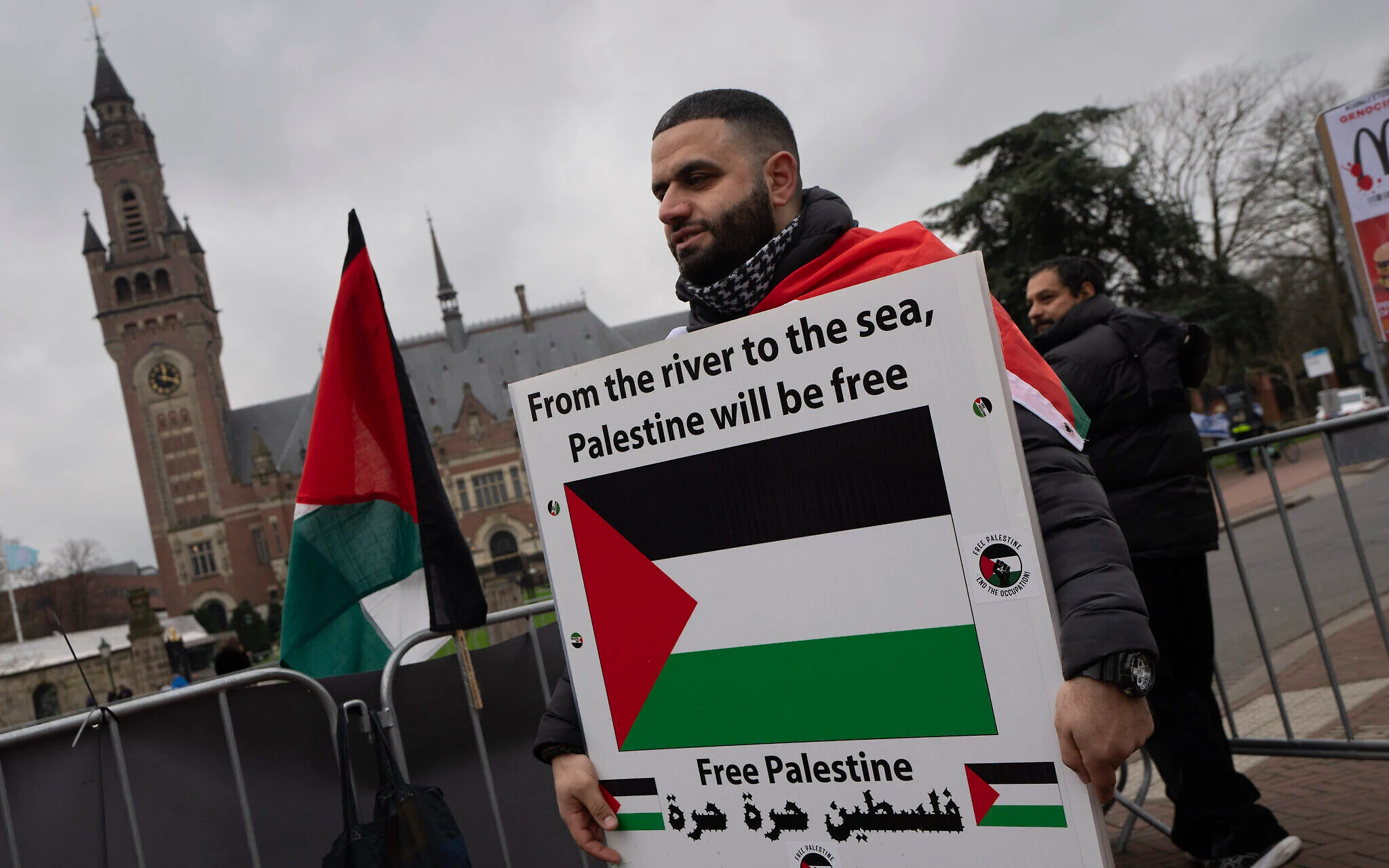
Israel has consistently rejected accusations of genocide and has criticized countries that support such claims. When Spain and others recognized Palestine, Israeli officials described the move as rewarding violence and undermining peace efforts. Similar criticisms are likely to follow Spain’s participation in the ICJ case.
This dynamic adds another layer of tension to an already volatile situation. Legal proceedings do not occur in a vacuum. They interact with diplomatic relationships, military realities, and public opinion. Each new development can deepen divisions and complicate efforts to find common ground.
At the same time, Israel continues to frame its actions as necessary responses to the October attacks by Hamas, which killed more than a thousand people. This framing underscores the difficulty of reconciling competing narratives, each rooted in real events but interpreted through different legal and moral lenses.
The Human Toll Behind the Legal Debate
While governments debate legal frameworks and diplomatic strategies, the human cost of the conflict remains at the center of global concern. Reports from Gaza have described widespread destruction, displacement, and loss of life, with tens of thousands of Palestinians reported killed since the start of the war.
These figures are not merely statistics. They shape the urgency of the legal case and the intensity of international reaction. For supporters of South Africa’s case, the scale of suffering demands accountability. For Israel and its allies, the focus remains on security threats and the complexities of urban warfare against an armed group embedded within civilian areas.
Spain’s decision to join the case reflects this tension. It acknowledges the severity of the humanitarian situation while placing trust in legal institutions to assess whether international laws have been violated.
What the ICJ Can and Cannot Do
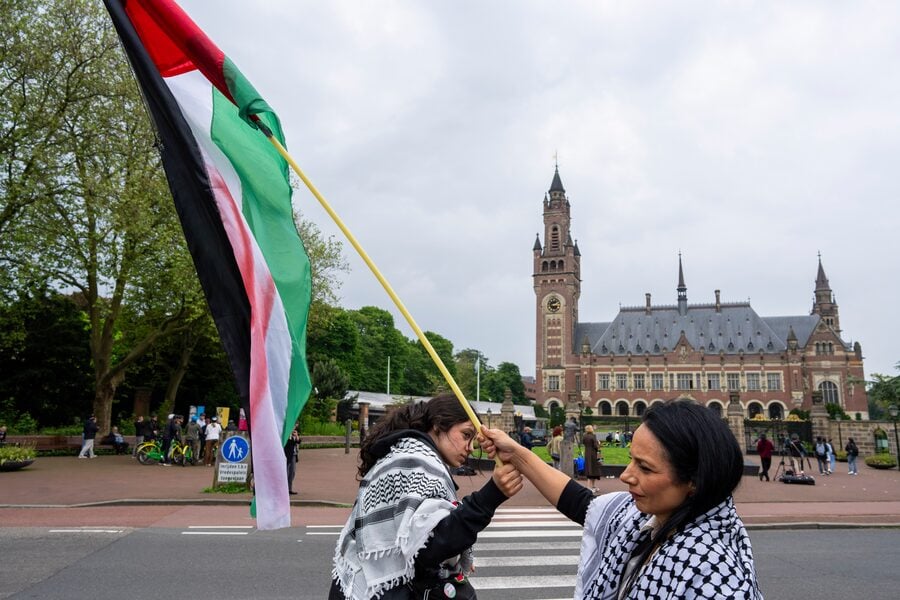
One of the most important aspects of this story is often misunderstood. The International Court of Justice can issue binding rulings, but it does not have direct enforcement power. This means that even if the court eventually rules on the merits of the case, implementation depends on states themselves and, in some cases, on the United Nations Security Council.
This limitation raises important questions about the role of international law. Critics argue that without enforcement, such rulings risk becoming symbolic gestures. Supporters counter that legal judgments still carry significant weight, shaping global norms, influencing policy, and contributing to long-term accountability.
Spain’s participation suggests a belief in the latter view. By joining the case, it reinforces the idea that legal processes matter, even when their immediate impact is uncertain.
A Case That Could Take Years

Legal experts widely expect that the ICJ case will take years to reach a final decision. The process involves written submissions, hearings, and careful analysis of evidence and legal arguments. This timeline means that the case will unfold alongside ongoing political and military developments.
In the meantime, provisional measures, such as temporary orders issued by the court, may play a role in shaping behavior. These interim steps can carry significant political weight, even if they do not resolve the underlying dispute.
Spain’s involvement therefore extends beyond a single moment. It represents a long-term commitment to a legal process that will evolve over time, potentially influencing international discourse for years to come.
The Growing Role of International Law in Conflict
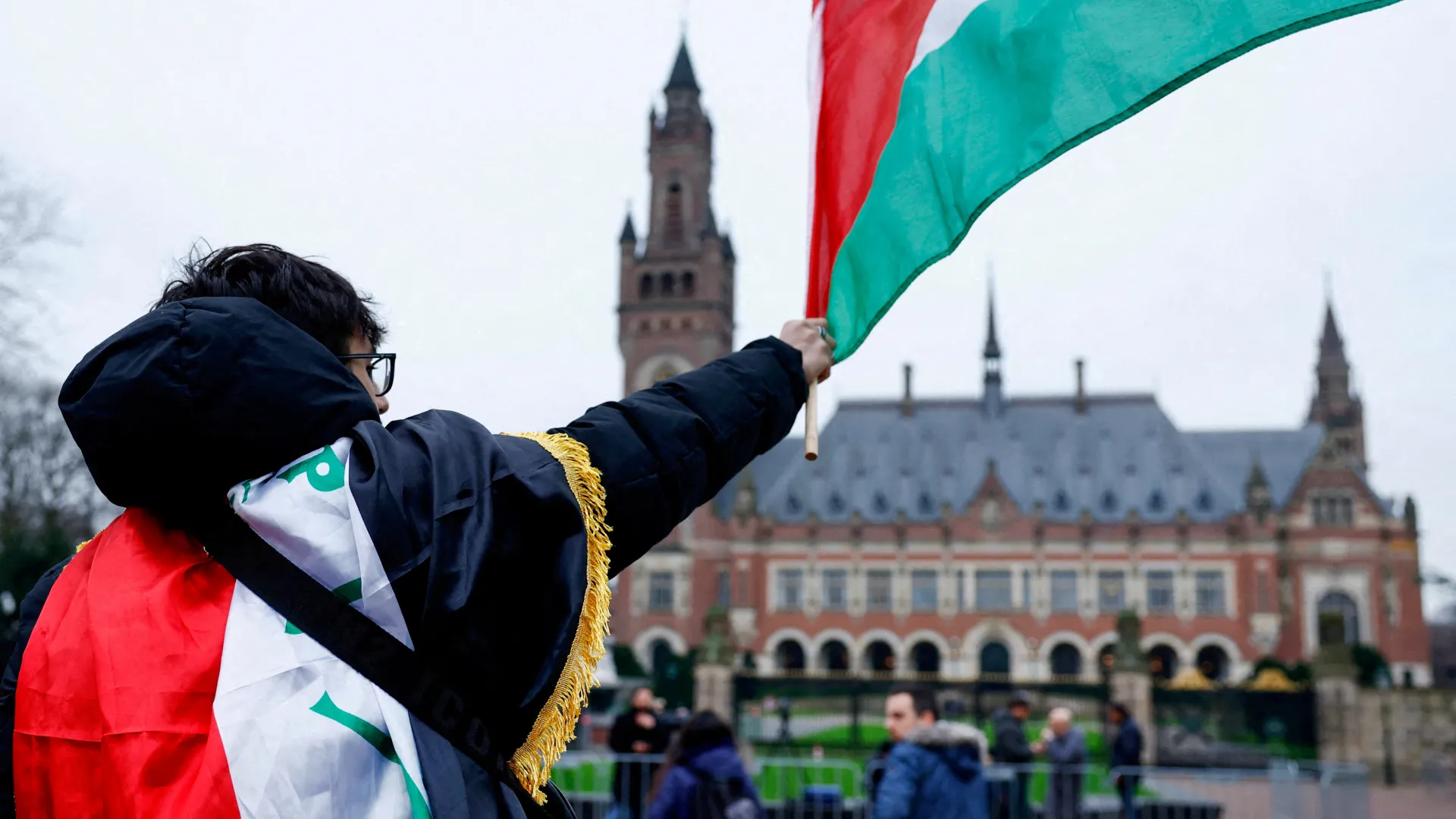
Spain’s move highlights a broader trend in global politics: the increasing use of international legal institutions to address conflicts. While such institutions have existed for decades, their prominence has grown as states seek new ways to assert influence and pursue accountability.
This trend reflects both hope and frustration. Hope that legal frameworks can provide impartial judgment and uphold universal principles. Frustration that traditional diplomatic and military approaches often fail to resolve deep-rooted conflicts.
By joining the ICJ case, Spain is participating in this evolving landscape. It is choosing to engage with conflict through law as well as diplomacy, signaling that legal accountability is an essential part of modern international relations.
What This Means for the Future
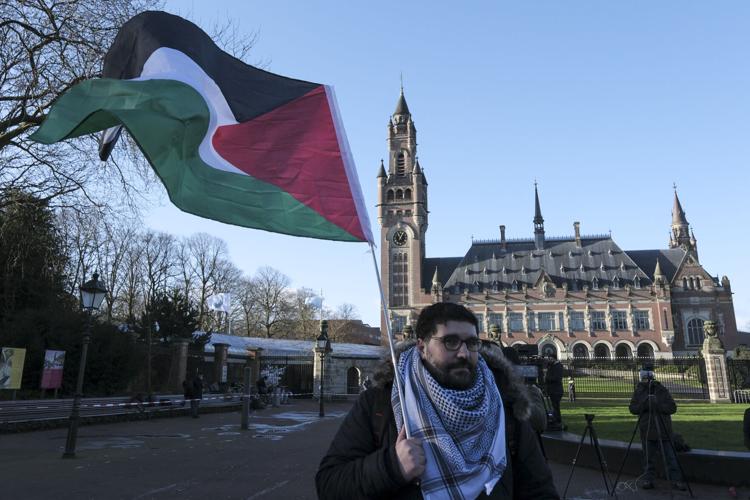
The decision by Spain to join South Africa’s case against Israel is unlikely to produce immediate changes on the ground. The war in Gaza continues, and the ICJ process will unfold slowly. Yet the significance of the move lies in its broader implications.
It reflects a world in which legal narratives are becoming as important as military and political ones. It shows that countries are willing to take positions that carry both diplomatic risk and moral weight. And it underscores the ongoing struggle to define how international law applies in situations of intense and asymmetric conflict.
In the end, this is not just a story about Spain, South Africa, or Israel. It is a story about the role of law in a world where conflict remains a constant reality. It is about whether institutions like the International Court of Justice can meaningfully influence events, or whether they will remain on the sidelines as wars are fought and lives are lost.
For now, the case moves forward, shaped by arguments, evidence, and the participation of states like Spain. Whether it will lead to accountability, change, or simply another chapter in the long history of contested justice remains an open question. What is clear is that the world is watching, and the stakes extend far beyond the courtroom in The Hague.