
Table of Contents
- The Moment They Arrived — Shaking, Small, But Not Forgotten
- Financing the Rescue: The Hidden Cost of Compassion
- The Day-to-Day Reality: Shaking, Sleeping, Growing
- The Emotional Lift: From Shaking to Smiling
- A Broader Chance: Adopting Special-Needs Pets
- The Rescue’s Message: Responsible Breeding and Animal Welfare
- The Long Road Ahead: From Shelter to Forever Home
- Financing the Future: How You Can Help (and Save)
- Why Their Story Matters to All of Us
- The Open Loop: What Comes Next for the Puppies?
The Moment They Arrived — Shaking, Small, But Not Forgotten
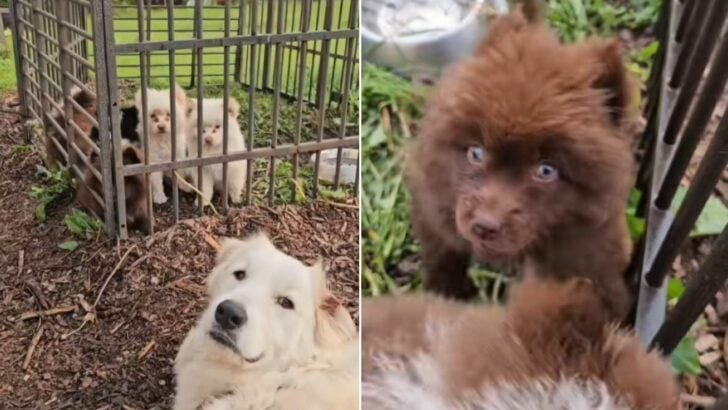
It was a cold Minnesota morning when volunteers from Emotional Rescue discovered a litter of puppies abandoned and trembling uncontrollably.
Their bodies were slight, their eyes wide, and their little limbs visibly shaking. Much more than just fear—they were physically unable to stop.
These weren’t typical strays. These were puppies born with a condition so overwhelming that it had left them at the mercy of fate—and unethical breeders.
If you were one of them, what would you hope for when the world seems too big and too scary?
Understanding the Condition: Shaking Puppy Syndrome
The diagnosis was clear: these pups were suffering from Shaking Puppy Syndrome, also known as hypomyelination. PupVine
It’s a neurological disorder where puppies’ nerve systems fail to fully develop the myelin sheath—leading to constant tremors, difficulty coordinating muscles, and weakness.
The worst part? It often appears when the dog is active—eating, playing—but subsides during rest. The shaking fades when they lie down. PupVine
But there is hope: in many cases, with proper care and time, symptoms improve and even disappear.
Imagine being so bound by your body you could barely move without shaking—then picture someone stepping in to help you rewrite that story.
Financing the Rescue: The Hidden Cost of Compassion
Rescuing special-needs puppies isn’t like a typical adoption drive. It requires extra funding, veterinary visits, specialized care, and often months of treatment before a “normal life” is possible.
In this Minnesota operation, the rescuers had to budget for:
- Diagnostic tests and early veterinary care
- Specialized diets and nutrition support
- Comfort, safe bedding, and warm environments to reduce tremor triggers
- Monitoring and therapy until the pups matured
From a home-improvement angle, think of this as converting a fixer-upper house into a safe, comfortable home. Only the “house” is a puppy, and the work is medical, emotional, and ongoing.
Charities like Emotional Rescue rely on donations, grants, and adoption fees. When you factor in chronic care, the cost per puppy can exceed what many folks pay for a typical pet.
If you were deciding whether to adopt one of these pups, would you be willing to invest not just money, but time, patience, and love?
The Day-to-Day Reality: Shaking, Sleeping, Growing
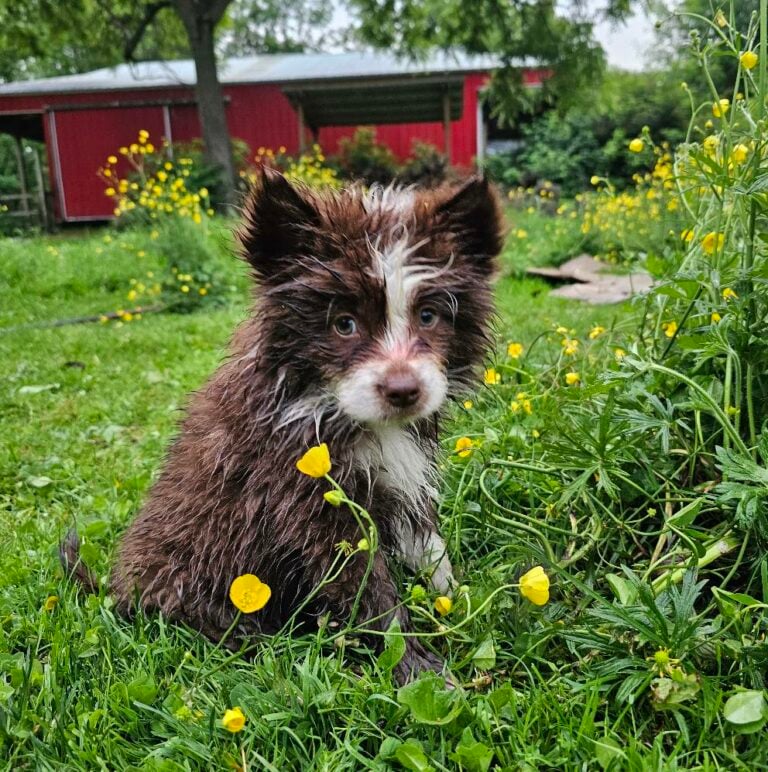
The rescued litter arrived when they were still very young—weak and shaking so badly they could barely stand.
Their schedule:
- Frequent naps (when the tremors paused)
- Gentle feeding sessions to reduce exertion
- Controlled play that prioritized safe movement
- Lot of warmth, comfort, and low-stimulus environments
Volunteers documented how the trembling decreased when the puppies rested. A comment on social media asked: “Do their muscles ever get to relax? This seems low-key sad.” PupVine
But the answer: yes. With the right care, they begin to recover. Their bodies start to calm, and their spirits lift.
Watching tremors fade is like watching the first shoots of green break through a field of frost. The movement is small, but hope is huge.
The Emotional Lift: From Shaking to Smiling
Whenever a video of the puppies was shared, social media lit up. Viewers saw not just trembling bodies—but fighters. Survivors. Little dogs with big chances.
One TikTok clip from Emotional Rescue pulled in hundreds of thousands of views. One user commented: “Adorable! How do their muscles maintain that movement, that must be exhausting for them! I love them!” PupVine
Another clarified: “SHAKING PUPPY SYNDROME. It’s from irresponsible backyard breeders. NOT distemper.”
The breed of emotion here matters. It’s not just about pity—it’s about admiration for survival and joy for transformation.
Ask yourself: if you saw someone shaking uncontrollably but fighting through it every day, would you look away—or cheer them on?
A Broader Chance: Adopting Special-Needs Pets
Adopting a special-needs puppy is different. The commitment is deeper, the rewards possibly greater.
These pups may take longer to find forever homes, but when they do, they often bond more strongly. Their adopters become caregivers and heroes.
Here are some practical considerations:
- Space: A calm, comfortable home helps manage tremors
- Time: Patience is key; recovery is gradual
- Budget: Vet visits may be more frequent early on
- Love: Probably the most essential
And for home improvement lovers: think about safe flooring (non-slip mats), quiet corners for rest, and stress-free environments.
Would you consider opening your home to a puppy that needs more help but gives more love in return?
The Rescue’s Message: Responsible Breeding and Animal Welfare
Underneath this uplifting story lies a serious public-health and animal-welfare message. Many of these puppies come from backyard breeders who abandon or discard “less profitable” animals. PupVine
The rescue team emphasizes: when animals are treated as commodities instead of living beings, tragic conditions like shaking puppy syndrome become more common.
From a consumer standpoint, responsible pet ownership starts at the source. Research breeders, ask for health certificates, and always consider rescue options.
In a sense, rescuing these pups is like renovating a neglected home—someone built it poorly, someone else stepped in, and now with care it’s becoming a safe haven.
The Long Road Ahead: From Shelter to Forever Home
The rescues are optimistic. With time and consistency, many of these puppies will improve significantly. Some may retain minor tremors, but they can still live full, joyous lives. PupVine
The timeline often looks like this:
- Months 0-3: stabilization, basic care
- Months 3-12: gradual improvement, playful phases
- After 12 months: Many recover functionally, ready for adoption
The goal: match each puppy with a family that understands, loves, and adapts. In the long-term, the “special-needs” label becomes less about limitation and more about unique story.
Could a puppy who once trembled now be the reason your family smiles every day?
Financing the Future: How You Can Help (and Save)
For any rescue operation, funds are the lifeblood. Donations pay for treatments. Adoptions free up space. Awareness changes minds.
You can contribute by:
- Donating to local rescues
- Adopting special-needs animals
- Sharing educational content about responsible breeding
- Volunteering time to support therapy and socialization
Even small changes make big differences—whether it’s upgrading bedding, buying calming supplements, or investing in extra vet check-ups.
In home-improvement terms: giving a puppy a safe resting corner is like giving a child a peaceful playroom—it changes their world from survival to thriving.
Why Their Story Matters to All of Us
This is more than a “cute puppy” headline. It’s about:
- Health: Overcoming neurological disorders in animals
- Welfare: Confronting irresponsible breeding practices
- Community: Volunteers and donors becoming life-savers
- Joy: From trembling beginnings to waggy tails
It touches on finance (cost of care), home improvement (creating a safe environment), health (neurological disorder treatment), and travel (adoption leap across distances).
When we shop for a new couch, renovate a room, or donate to a cause, we’re part of ecosystems bigger than ourselves.
If these little pups can survive against the odds, what’s stopping us from making a difference in our own corner of the world?
The Open Loop: What Comes Next for the Puppies?

This is just Act One. Soon, the pups will enter foster homes. They’ll meet adoptive families. Their tremors will lessen. Their antics will begin.
What happens when one of them takes their first unshaken step? Or fetches a toy they once couldn’t hold steady?
How will their story inspire other pet owners, rescue groups, and breeders to change the narrative for special-needs animals?
The next chapter is still being written—and you might just be part of it.