

Table of Contents
- The Growing Importance of Special Operations Forces
- The Strategic Locations of Special Operations Forces Deployment
- The Shift in Global Military Strategy
- Implications for U.S. Military Relations and Diplomacy
- The Role of U.S. Special Operations Forces in Counterterrorism
- Special Operations Forces: A Growing Global Presence
- Challenges Facing U.S. Special Operations Forces
- Conclusion: The Future of Special Operations Forces and Global Security
The Growing Importance of Special Operations Forces
U.S. Special Operations Forces have become one of the most crucial arms of the U.S. military, capable of conducting high-stakes missions in complex environments. These forces are designed to respond quickly and effectively to global threats, ranging from counterterrorism operations to humanitarian interventions. The global security landscape has shifted over the past decades, with the rise of non-state actors, insurgencies, and hybrid warfare strategies. This has elevated the role of SOF in maintaining U.S. military dominance in key regions.
Special Operations Forces are unique in that they are capable of operating in environments that are not suited for conventional forces. They conduct missions with precision, often behind enemy lines, and can deploy rapidly to address emerging threats. These capabilities make them indispensable in situations where diplomacy has failed or when conventional forces cannot be quickly mobilized. The recent transit of U.S. SOF through critical strategic locations suggests that their role in U.S. military operations is about to grow even more important.
The Strategic Locations of Special Operations Forces Deployment

The movement of U.S. Special Operations Forces through key strategic locations is a calculated decision, influenced by evolving military strategies and geopolitical concerns. These locations are often chosen for their proximity to conflict zones or for their significance in maintaining global stability. In recent years, U.S. SOF have been deployed in areas like the Middle East, the Horn of Africa, and parts of Eastern Europe. Each location is carefully selected for its relevance to U.S. national security interests.
In particular, regions like the Indo-Pacific and Eastern Europe have seen increased SOF presence as part of the U.S. military’s strategy to counter the growing influence of China and Russia. The U.S. has been strengthening its military partnerships in these regions, providing both training and operational support to allied forces. The recent transit of SOF suggests that the U.S. is preparing for more active engagement in these areas, potentially in response to growing geopolitical tensions.
Furthermore, U.S. Special Operations Forces play a vital role in counterterrorism operations, which remain a major focus of U.S. military strategy. Their ability to conduct precision strikes against terrorist groups in regions like the Sahel or the Middle East has been critical in weakening terrorist organizations like ISIS and al-Qaeda. As these groups adapt to new strategies, the need for SOF’s specialized capabilities remains high.
The Shift in Global Military Strategy
The transit of U.S. Special Operations Forces through strategic locations is not just a response to immediate threats but part of a broader shift in global military strategy. With the growing complexities of modern warfare, the U.S. military has increasingly turned to SOF to provide a flexible, rapid-response capability. Their ability to conduct a wide range of operations, from counterinsurgency to humanitarian aid, makes them an invaluable asset in a time of global instability.
This shift is also a response to the changing nature of conflict, where traditional military strategies are often less effective against unconventional threats. Special Operations Forces are uniquely suited to handle these challenges, as they are trained to operate in ambiguous environments, often without the support of large military units. Their versatility makes them ideal for addressing the challenges posed by non-state actors, cyber threats, and other forms of hybrid warfare.
As the global security environment continues to evolve, the U.S. military is placing a greater emphasis on special operations as part of its strategy. The movement of SOF through key locations signals that the U.S. is preparing for a more agile and decentralized approach to military operations, one that prioritizes speed and adaptability over traditional, large-scale engagements.
Implications for U.S. Military Relations and Diplomacy

The transit of U.S. Special Operations Forces also has significant diplomatic implications. SOF deployments are often closely coordinated with host nations and allied forces, meaning that these movements can influence U.S. relations with other countries. In many cases, the presence of U.S. SOF can serve as a show of support for local governments or as a means of deterring adversaries. The U.S. military’s strategic engagement with regional powers helps to strengthen diplomatic ties and ensure that U.S. interests are protected in key regions.
However, these operations can also create tensions with rival nations. The presence of U.S. forces in areas like Eastern Europe or the South China Sea is often seen as a challenge by adversaries like Russia and China. This has led to heightened diplomatic friction, particularly as these countries increase their military presence in response to U.S. activities. The movement of SOF through these regions sends a clear message about the U.S. commitment to countering these global rivals and ensuring the security of its allies.
Moreover, U.S. Special Operations Forces often work in collaboration with other nations’ forces, helping to build capacity and enhance the operational capabilities of partner militaries. This is a key component of U.S. foreign policy, as strengthening the defense capabilities of allies can help to stabilize regions and reduce the need for direct U.S. military intervention.
The Role of U.S. Special Operations Forces in Counterterrorism
Counterterrorism operations remain a cornerstone of U.S. Special Operations Forces’ missions. The global fight against terrorism continues to evolve, with groups like ISIS, al-Qaeda, and their affiliates adapting to new tactics and shifting their focus to less traditional battlefields. In response, U.S. SOF have been deployed to key areas of the world, from the Middle East to West Africa, to counter these evolving threats.
The unique capabilities of SOF, including their ability to operate covertly, make them ideal for counterterrorism efforts. Their focus on intelligence gathering, surgical strikes, and collaboration with local forces has been instrumental in dismantling terrorist networks and disrupting their operations. The ongoing transit of U.S. SOF through strategic locations suggests that counterterrorism operations will remain a priority for U.S. military strategy in the coming years.
Special Operations Forces: A Growing Global Presence
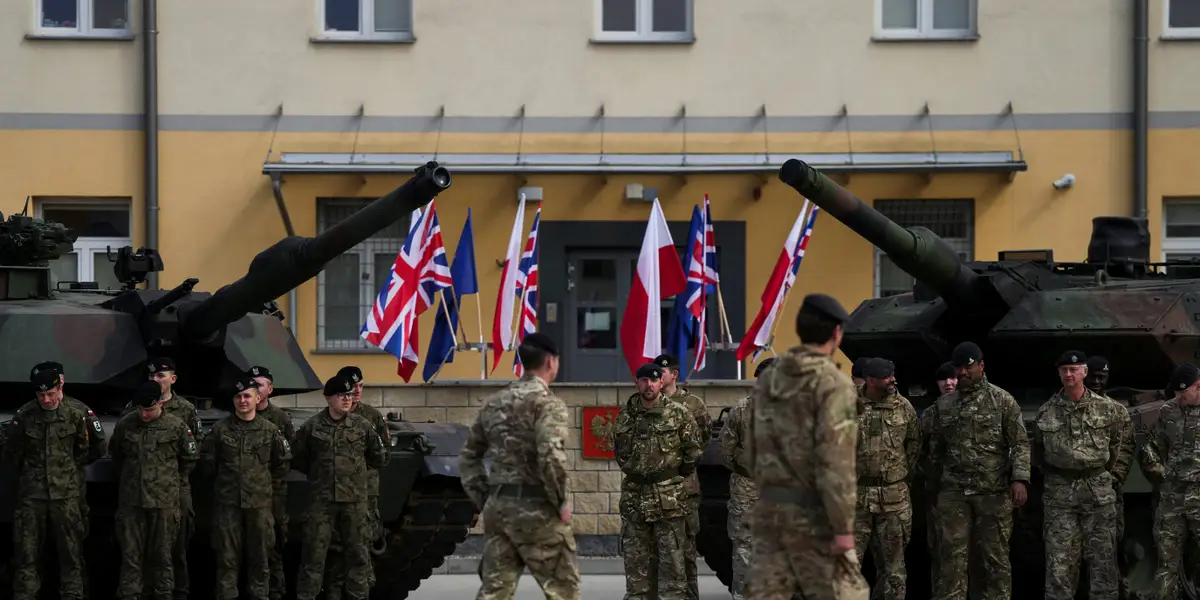
U.S. Special Operations Forces are not only active in traditional conflict zones but are also increasingly involved in peacekeeping, humanitarian missions, and disaster relief efforts. Their adaptability and skill set make them a valuable resource for addressing a wide range of global challenges. This growing global presence of SOF highlights the increasing reliance on specialized military capabilities to address complex international issues.
Their operations often go beyond military objectives, as SOF are frequently engaged in efforts to stabilize regions, support democracy-building initiatives, and assist in post-conflict reconstruction. The ability of Special Operations Forces to seamlessly integrate military, humanitarian, and diplomatic efforts is becoming an essential tool in managing global instability.
Challenges Facing U.S. Special Operations Forces
Despite their effectiveness, U.S. Special Operations Forces face numerous challenges. The physical and mental demands of their operations can lead to high rates of burnout, injury, and mental health issues among personnel. The intense, high-risk nature of their missions requires continuous training, extensive resources, and a robust support system to ensure their long-term effectiveness.
Additionally, the growing global presence of SOF increases the risk of engagement with hostile forces. While SOF are trained to handle a wide range of missions, the unpredictable nature of modern warfare, including cyber threats and hybrid warfare tactics, presents new challenges that require constant adaptation and innovation.
Conclusion: The Future of Special Operations Forces and Global Security
The transit of U.S. Special Operations Forces through key strategic locations represents a critical shift in U.S. military strategy, with an emphasis on agility, precision, and global readiness. As the U.S. continues to navigate an increasingly complex global security environment, SOF will remain a central component of its military strategy, providing a flexible and adaptable force capable of addressing a wide range of threats.
The future of U.S. Special Operations Forces will likely involve more collaborative efforts with allied forces, continued innovation in tactics and technology, and a focus on counterterrorism, humanitarian missions, and regional stabilization. The growing importance of SOF reflects the changing nature of warfare, where small, specialized units can have a profound impact on global security, ensuring that the U.S. remains prepared to respond to emerging threats and challenges.