
Table of Contents
- A Routine Painkiller Leads to a Life-Threatening Reaction
- What Happened After the C-Section: A Medication That Went Wrong
- The Misdiagnosis and Rapid Deterioration
- Stevens-Johnson Syndrome: A Rare and Deadly Medication Reaction
- Fighting for Her Life: A Medically Induced Coma and Intensive Care
- The Physical and Psychological Toll of SJS and TENS
- The Ongoing Struggles of Recovery
- Raising Awareness: The Importance of Medication Awareness
- The Role of Social Media in Spreading the Message
- A Message for the Future: Education and Vigilance
A Routine Painkiller Leads to a Life-Threatening Reaction
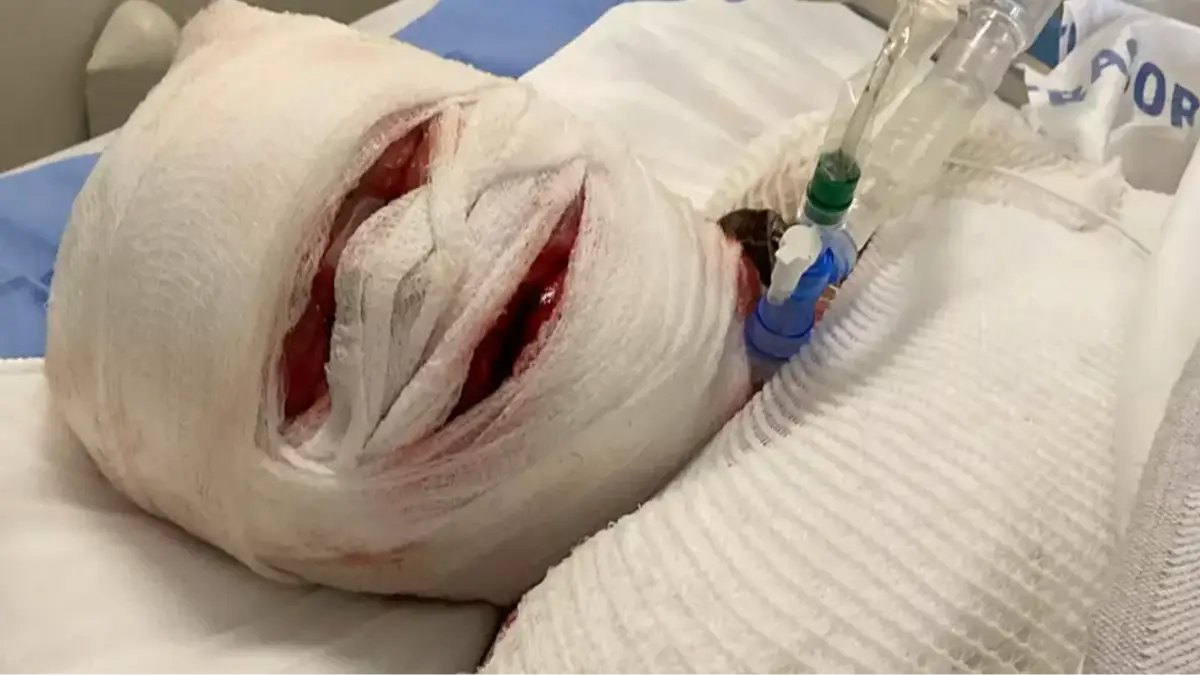
Aleshia Rogers, a 32-year-old mother from Nebraska, never imagined that an over-the-counter painkiller would nearly cost her life. What began as a simple post-surgery medication to relieve pain after a caesarean section spiraled into one of the most terrifying medical crises imaginable. Within days of taking ibuprofen for routine recovery, Aleshia’s skin began peeling away, a horrifying condition triggered by an adverse reaction to the medication. As her body literally turned against her, Aleshia was thrust into a battle for survival, one that would leave her with both physical and emotional scars that would take years to heal.
What Happened After the C-Section: A Medication That Went Wrong
In August 2020, Aleshia had just given birth to her son, Jax, via caesarean section. Recovery from a C-section typically involves managing pain and reducing inflammation, and Aleshia was prescribed ibuprofen as part of her standard post-operative care. For someone with years of safe ibuprofen use—mostly for menstrual pain—there was no reason to suspect any complications. But three weeks after giving birth, Aleshia developed symptoms that seemed unrelated to her surgery: a high fever, sore throat, and a rash. Initially diagnosed with scarlet fever, she followed the prescribed treatment, but her condition rapidly deteriorated, leading her back to the hospital just hours later.
The Misdiagnosis and Rapid Deterioration
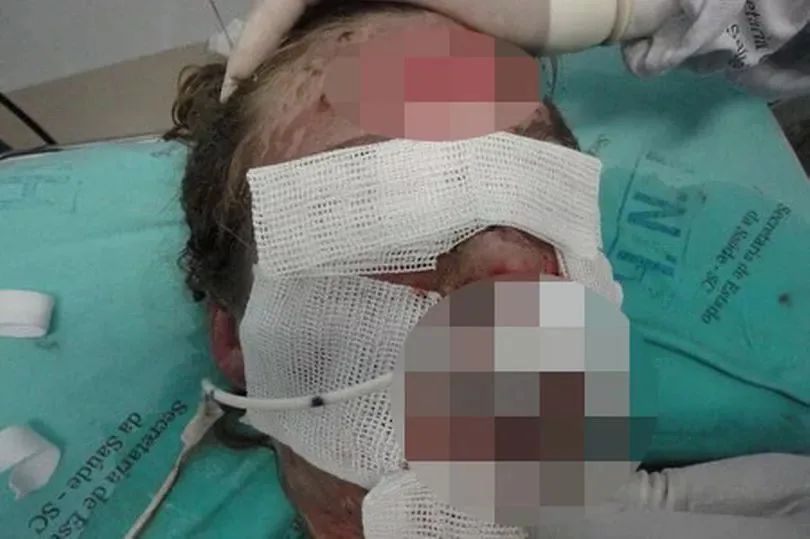
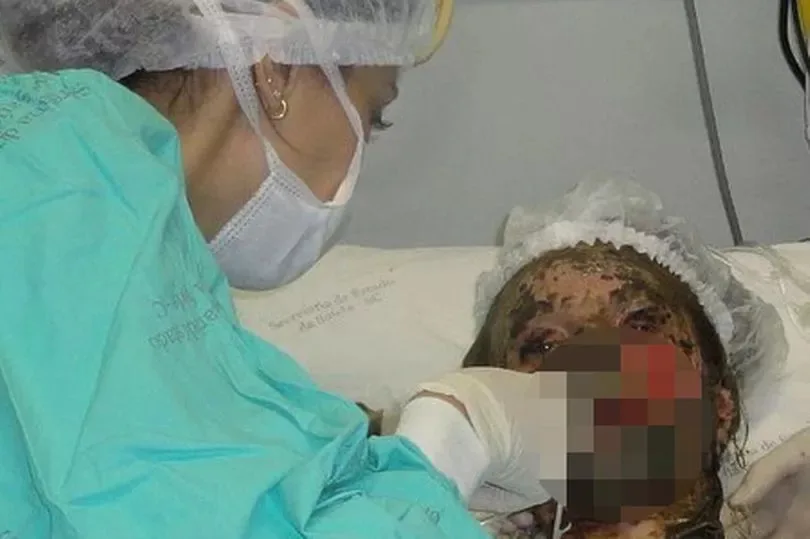
After Aleshia was discharged from the emergency room with a diagnosis of scarlet fever, her symptoms worsened at an alarming rate. Within hours, painful blisters began forming on her face, and her skin started peeling away in sheets. It was clear that this was not just another case of scarlet fever. Her family rushed her back to the hospital, where doctors quickly realized that her condition was far more severe than anyone had anticipated. Aleshia was diagnosed with Stevens-Johnson Syndrome (SJS), a rare but deadly reaction that had been triggered by the ibuprofen she had been taking for her recovery.
Stevens-Johnson Syndrome: A Rare and Deadly Medication Reaction
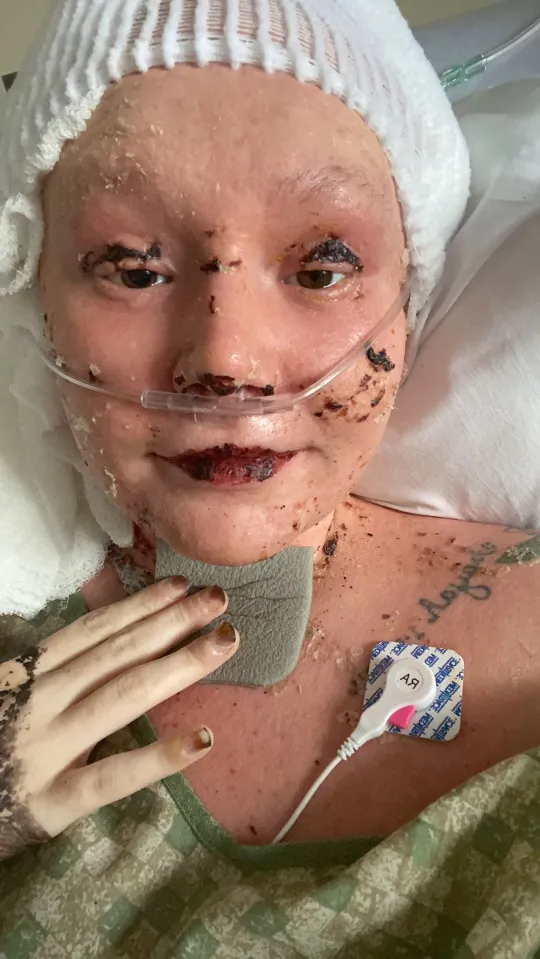
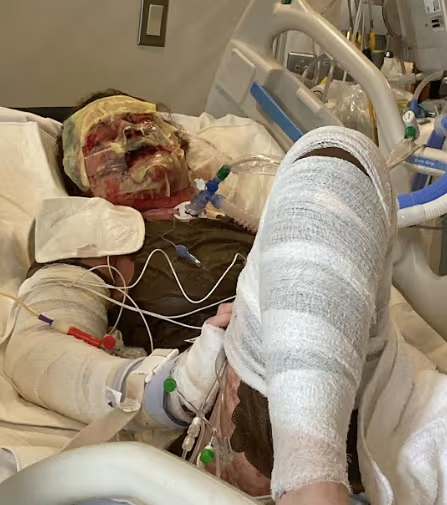
Stevens-Johnson Syndrome is a severe, life-threatening condition that causes the skin to burn and peel away, often as a reaction to medications. In Aleshia’s case, ibuprofen, a common over-the-counter painkiller, was the trigger. As the condition progressed to Toxic Epidermal Necrolysis (TENS), the most severe form of SJS, Aleshia lost 95 percent of her skin. This is one of the most serious complications in medicine, with high mortality rates, even with intensive treatment. The situation was critical, and Aleshia was placed in a medically induced coma to help her body cope with the trauma.
Fighting for Her Life: A Medically Induced Coma and Intensive Care
As Aleshia’s skin deteriorated, her doctors acted quickly to transfer her to a burn unit, where she could receive the specialized care needed for her condition. She was hooked up to life-support machines, and doctors fought to stabilize her, treating sepsis and preventing further organ failure. Full-body skin grafting was required to replace the damaged tissue, and ophthalmologists performed a transplant on her eyes to prevent permanent vision loss. For weeks, Aleshia’s family stayed by her side, uncertain if she would survive the ordeal. Her survival chances were slim—doctors told her family that she had only a 5-10 percent chance of making it.
The Physical and Psychological Toll of SJS and TENS
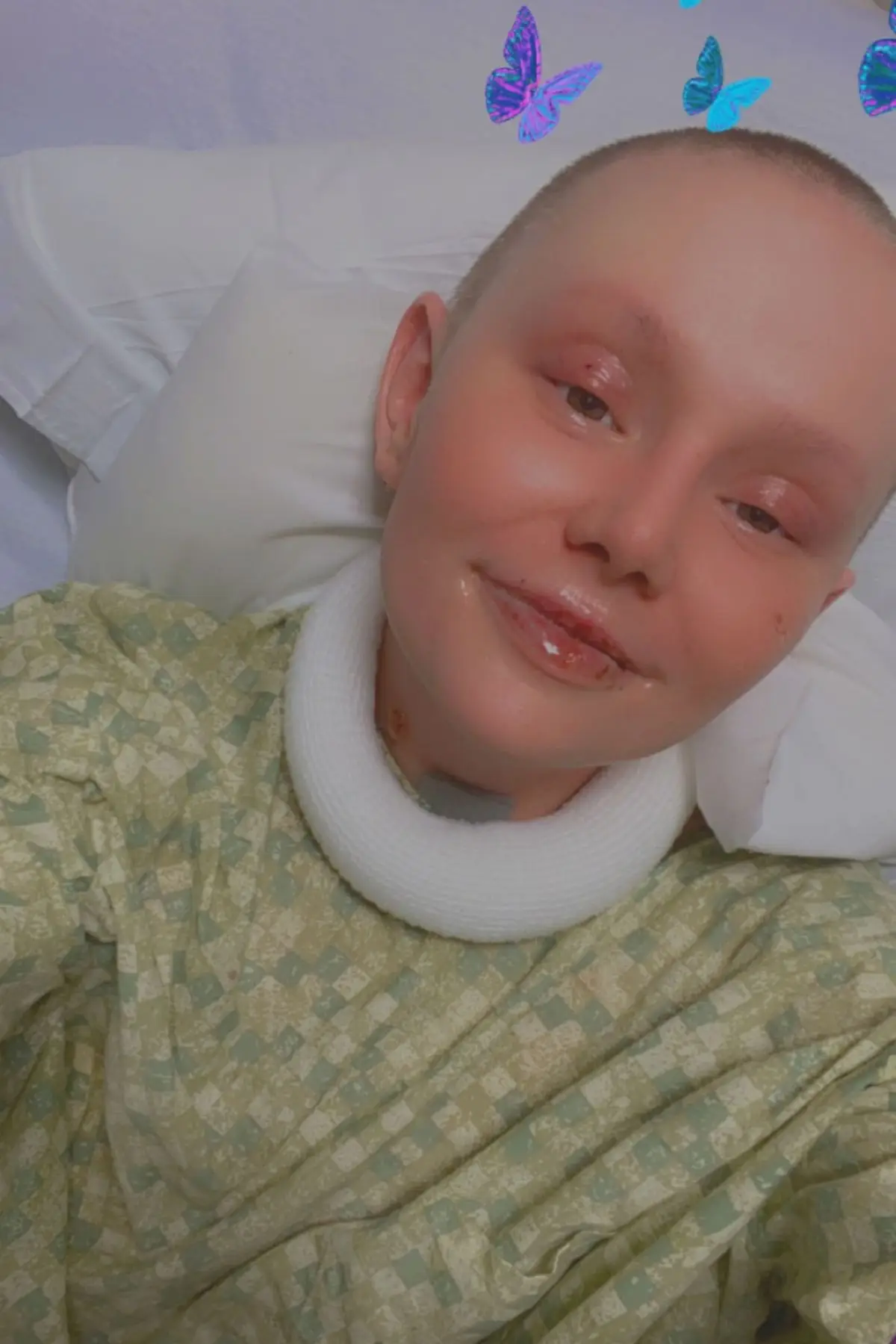
When Aleshia awoke from her coma after three weeks, she was unrecognizable. Her skin was still in the process of healing, and she had significant memory loss. She didn’t even remember giving birth to her son, Jax. This memory loss added another layer of psychological trauma to an already harrowing physical recovery. Her family had to reintroduce her to the events that had transpired during her hospital stay, helping her piece together the missing weeks of her life. In addition to her physical healing, Aleshia faced the emotional challenges of navigating a new identity, both in terms of her appearance and her sense of self.
The Ongoing Struggles of Recovery
The recovery process has been long and painful. Even after leaving the hospital, Aleshia continued to deal with the aftermath of TENS. Her skin would continue to heal over the next several months, but the scars left by the trauma of the illness would remain for life. She required extensive physical therapy and ongoing medical attention, including further surgeries to address complications from the damage caused by the disease. Her body, now covered in scars, served as a constant reminder of the danger that even routine medications could pose.
Raising Awareness: The Importance of Medication Awareness
Five years after her near-fatal reaction, Aleshia has dedicated herself to raising awareness about Stevens-Johnson Syndrome. Her experience has taught her that even the most familiar and commonly used medications can have life-threatening consequences. She uses her platform to educate others about the risks associated with medications like ibuprofen, encouraging people to be vigilant and informed when taking any form of medication. “I don’t want people to be afraid of medicines,” she says, “but I want people to be aware and mindful of what can happen.”
The Role of Social Media in Spreading the Message
Social media has played a crucial role in Aleshia’s advocacy work. Through platforms like Facebook and Instagram, she has reached thousands of people who may have never heard of Stevens-Johnson Syndrome before. By sharing her story and connecting with other survivors, she has helped to raise awareness about this rare condition and the potential risks of common medications. Aleshia’s efforts have garnered praise from medical professionals, who recognize the importance of patient-led advocacy in improving healthcare understanding and response.
A Message for the Future: Education and Vigilance
Aleshia’s story serves as a stark reminder of the unpredictable nature of medication reactions. While Stevens-Johnson Syndrome is rare, it can occur with any drug, even those commonly used without issue. As more people share their stories and medical research continues to investigate the underlying causes of SJS, there is hope that better preventative measures and diagnostic tools will be developed. For Aleshia, the road to recovery has been long and difficult, but her survival and ongoing advocacy provide a beacon of hope for others facing similar challenges.