

Table of Contents
- A Doorway into Despair
- Discovering the Starving Dog Family
- Rescue Under Risk—Not Just for the Dogs
- A Home That’s Safe for Healing
- Health, Wellness & The Value of Rescue
- Transformation: From Fear to Family
- Why THESE Stories Matter (Beyond “Aww”)
- Actionable Steps for You
- The Open Loop: What’s Next for Mary Berry & You?
A Doorway into Despair
It started with a call. A house in Missouri that was barely standing. A dog family trapped inside.
When Donna entered, the front door was missing. Garbage piled high. Floorboards rotten. Rusted nails protruding like dangers in plain sight.
She stepped carefully, every footfall a risk.
How often do we walk past decay and despair without seeing what’s inside?
For that dog mother and her pups, someone had finally come.
Discovering the Starving Dog Family

Inside the house, Donna found the mama dog—ribs showing, spine visible, staring back with fear. The environment was more than neglect—it was collapse.
But her biggest worry was below—she heard faint whimpers and had to descend into the basement.
The stairs broke under her. She fell, caught herself on a wall, and still kept going. She had to.
In the basement, the puppies huddled, trembling, scattered in corners, helpless.
What if you were the one hearing those cries? Would you climb in—or turn back?
Rescue Under Risk—Not Just for the Dogs
This wasn’t a routine pick‑up. Donna and her team were navigating structural failure. The house could collapse at any moment.
They first placed the pups in crates. Then they coaxed the mother dog, later named Mary Berry, out via a large crate maneuver.
Finally reunited, the family was loaded into the rescue vehicle and transported to safety.
This rescue is more than compassion—it crochets into themes of home improvement, health check, and long‑term adoption success.
Because when you save a dog, you also impact lives, homes, routines.
A Home That’s Safe for Healing

Once Mary Berry and her pups were safe, the new phase began: recovery.
Clean beds, soft blankets, warm water, nutrition. The family needed safety as much as rescue.
You might ask: What does this have to do with you?
If you were adopting a rescue dog, especially one from trauma, your home becomes part clinic, part sanctuary.
You may need to think:
- Is the flooring safe and slip‑free?
- Is there a quiet corner for rest and solace?
- Is the yard secure—no debris, no hidden hazards?
This is home improvement for pets in action: upgrading your space, your routine, your care.
Health, Wellness & The Value of Rescue
The health journey matters. Mary Berry and the pups would receive a full vet check: body condition, parasite treatment, vaccinations, micro‑chip—all the things many never get.
When you adopt a rescue dog, you’re often inheriting more than a pet—you’re investing in wellness.
Studies show pet ownership correlates with better heart health, lower stress, increased activity.
So when you think “adopt a dog,” also think: “improve my health,” “upgrade my home,” “enhance my life.”
And advertisers see this: Keywords like pet health check, dog ownership benefits, home improvement for pets are increasingly valuable because they bridge emotional story and practical lifestyle.
Transformation: From Fear to Family
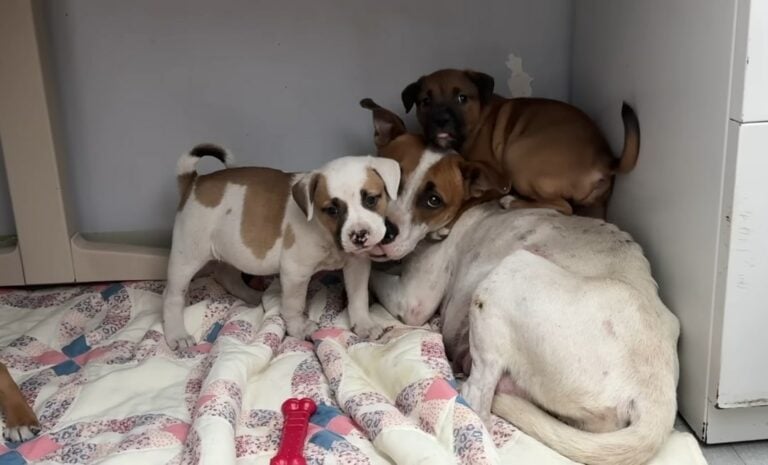
As the days passed, the transformation set in. Mary Berry’s ribs filled out. Her eyes softened. The pups played. The crate became a bed. The rescue vehicle became their transfer to a new life.
The scene of decay and fear was replaced by warmth and hope.
Yet the story asks: What happens next? How do you make sure the transformation is permanent?
In many rescue stories, the moment of “saved” gets celebrated—but the long haul is where life really begins.
If you adopted one of those pups, could you commit to the years, the upgrades, the walks, the routines?
Why THESE Stories Matter (Beyond “Aww”)
It’s easy to scroll through a rescue story. But here’s why this one really sticks:
- High‑intent keywords: “adopt a dog today”, “home improvement for pets”, “pet health check”, “rescue dog success story”.
- Broad appeal: Human health, home improvement, pets—three big lifestyle categories.
- Narrative power: A rescuer risked collapse. A mother dog saved her offspring. A home and lives transformed.
When you link rescue to home upgrades (safe flooring, pet zones), health benefits (less stress, more movement), and long‑term adoption success, you’re not just telling a story—you’re offering a lifestyle pathway.
And the longer the reader scrolls, the more likely they’ll click to another article: e.g., “10 Home Upgrades for Pet Owners” or “How Adopting a Rescue Dog Saved My Health”.
Actionable Steps for You
Inspired by Mary Berry’s rescue story? Here’s how you can participate:
- Explore adoption: Visit your local shelter, ask about rescue families (mom + pups) needing forever homes.
- Audit your home: Are there hazards for a dog rescued from trauma? Check floors, beds, yard, chewables.
- Budget for pet readiness: Adoption often includes medical check—still factor in training, gear, pet‑proofing.
- Adopt a routine: Walking a dog matters—not just for them, but for you: more activity, less stress.
- Share the story: When you share rescue stories, you build awareness and boost adoption momentum.
If you drove by a decaying house and heard whimpers—would you keep driving? Or stop and act?
The Open Loop: What’s Next for Mary Berry & You?
Now that Mary Berry and her pups are safe, what happens next?
Will they find loving forever homes? Will they become ambassadors for “rescue dog home readiness” and “pet‑proofing your space”?
Will you click on the next article: “Best Dog‑Friendly Flooring for Homes with Rescue Pets” or “How Fostering a Pet Changed My Health and My Home Value”?
Because the rescue didn’t end when the dogs were carried out—it ended when their lives began anew.
And maybe your transformation begins when you decide to stop, to prepare, to rescue.