

Table of Contents
- The Call That Changed Everything
- On the Rails: A Scene of Fear and Waiting
- Rescue in Motion: Strategy, Risk & Commitment
- Home Improvements for Healing & Hope
- Health Check & The Power of Adoption
- Transformation: Fear to Freedom
- Why This Story Works (And Why It Matters)
- Your Action Plan: How You Can Make a Difference
- The Open Loop: What Happens Next for Gumball & Her Companion?
The Call That Changed Everything
It was a simple message on a Monday evening: “Two dogs spotted living on the railroad tracks near Irvine — please hurry.”
For Suzette Hall, founder of Logan’s Legacy 29 rescue, it wasn’t just another alert. It was urgent.
She drove through dusk, lights flickering, her mind racing. What she found stopped her heart—but started a new chapter.
If this moment happened to you—would you speed past or pull in slow? Because someone did stop.
On the Rails: A Scene of Fear and Waiting

She saw the first dog—a young female—sitting just a few feet from the tracks. Alone. Trembling. Watching every flash of a train light.
But the second dog? Hidden. Injured. A broken leg, lying near the tracks where danger never left. The female refused to move because she wouldn’t leave her friend behind.
Imagine what that dog felt. Trapped by pain. Waiting. Hoping someone would come.
What if you were him? Would you cry out—or simply freeze until someone did?
Rescue in Motion: Strategy, Risk & Commitment
Suzette didn’t rush in blindly. She set a humane trap for safety. She called a veterinary team. She prepared for worst‑case.
In the dark, trains rumbled by. One wrong step could be fatal.
Finally, they captured both dogs. The injured one—named Gumball—was carefully lifted. The other female, now safe, collapsed with relief.
But rescue was only step one. The real work was just beginning.
Would you walk away after step one—or continue until full healing?
Home Improvements for Healing & Hope
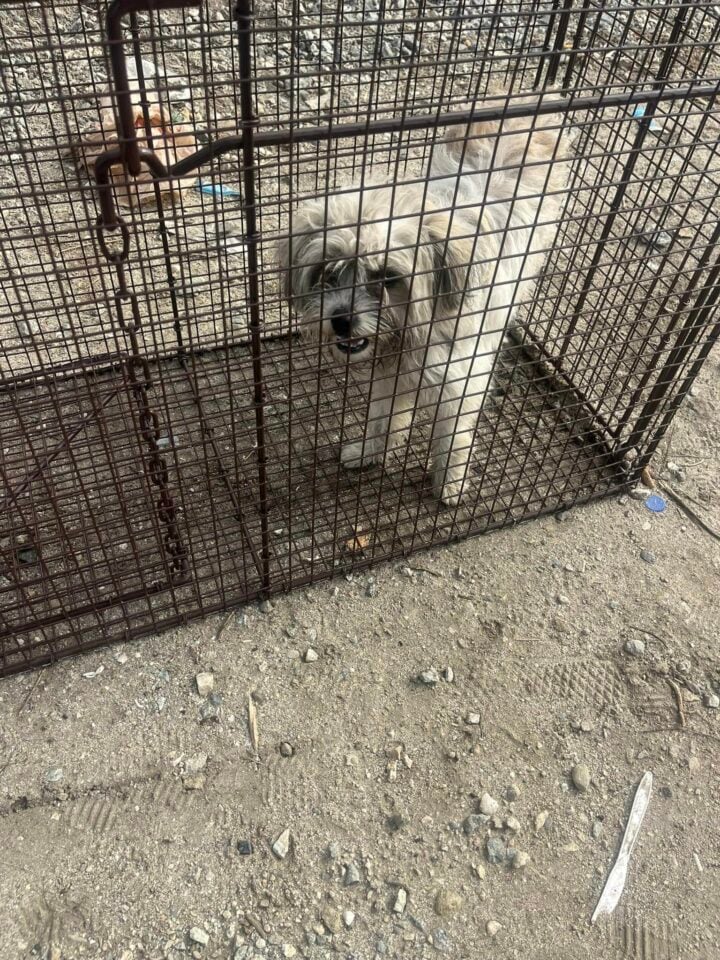
Once the dogs were safe, their new life required changes. Because rescue is not just “save & go”—it’s “save, heal, transform.”
That means redesigning homes to fit new lives:
- A yard fenced to keep off busy roads.
- Soft bedding for recovery after injury.
- Non‑slip floors, easy access to toys, safe zones for rehab.
These align with “home improvement for pets” — when the home adapts to the pet, not the other way around.
Would your house change to welcome someone like Gumball? Or stay the same?
Health Check & The Power of Adoption
At the vet, Gumball’s leg was broken, her companion dog thin and afraid. Life had dealt both a heavy hand.
But now the health plan kicked in: surgery for the leg, nutrition for the thin dog, daily walks, gentle rehab.
This is where “pet health check” meets “adopt a dog today.” Because many adopters skip the rescue stage and go straight to shopping—missing the real transformation.
Adopting a rescue dog often means:
- Lower initial cost (rescue fees often include vaccinations/spay).
- A built‑in story of resilience.
- A shift in your lifestyle that improves your home, your health, your joy.
Would you adopt a dog who needs you—and in the process gain more than you expected?
Transformation: Fear to Freedom

Weeks passed. Gumball limped less. The other dog wagged her tail. Their eyes softened. Their trust returned.
Photos circulated: from tracks to heart‑warming adoption.
More than that—their story began to ripple outward: the yard became a play zone, the home a sanctuary.
For you reading this: what if your next house upgrade included a rescue dog? What if your next wellness goal included walking her?
The transformation isn’t just theirs—it becomes yours.
Why This Story Works (And Why It Matters)
Because it hits three major lifestyle themes:
- Rescue/adoption: high‑intent for people wanting “why adopt a dog” content.
- Home improvement for pets: taps into budgets, design, families.
- Health & wellness: owning a dog has proven benefits for movement, mood, connection.
Advertisers pay more when content links to actionable change—“pet health check”, “home upgrade”, “adopt a dog” all clear calls to action.
And readers scroll when they see themselves in the story: Could I stop? Could I adopt? Could I redesign?
Would you click to the next article: “10 Home Upgrades When You Adopt a Rescue Dog”? Or “How Walking a Dog Changed My Health & Budget”?
Your Action Plan: How You Can Make a Difference
Inspired by this rescue? Here’s how you can step in:
- Visit your local rescue or shelter. Ask about dogs with real needs, not just cute photos.
- Audit your home: Is it ready for a rescue dog? Flooring, beds, yard, safe access.
- Budget for pet adoption: vet visits, gear, training—not just the adoption fee.
- Adopt a routine: walks, play, extra care. Dogs need you—but you gain too.
- Share this story. Awareness is the spark for the next rescue.
If you were near railroad tracks and heard a dog’s cry—would you keep driving? Or pull in and stop?
The Open Loop: What Happens Next for Gumball & Her Companion?
They’re safe now—but where to?
Will they be adopted together? Will their new home introduce pet‑friendly design features that become a blog of “rescue home transformation”?
Will the next article you explore be: “Best Dog‑Proof Yards for Active Homes” or “How Adopting a Rescue Dog Saved My Weekday Routine & My Health”?
Because their story didn’t end when the trap closed—it ended when the door opened to new life.
And maybe your story begins when you decide: I’ll stop. I’ll adopt. I’ll change.