

Table of Contents
- The Shift That Stopped a Saturday Morning
- Hidden Among the Materials: A Dog’s Silent Plea
- Rescue Mode: Quiet Change, Big Impact
- Home Upgrade for a Healing Life
- Wellness, Healing & The Wallet
- Transformation: From Site to Sofa
- Why This Story Matters
- Your Action Plan: Join the Movement
- The Open Loop: What’s Next for Rubble—and You?
The Shift That Stopped a Saturday Morning
It started like any other Saturday: a crew assembled for a routine job, tools in hand, plan in mind.
Then one man called out from the edge of the site. Something caught his eye.
Under the piles of debris and behind a stack of pallets, a small dog sat still—watching them, trembling.
What would you do if you found someone waiting there, alone, and too scared to move?
For the crew, the shift changed that day. They didn’t just build walls—they helped build hope.
Hidden Among the Materials: A Dog’s Silent Plea
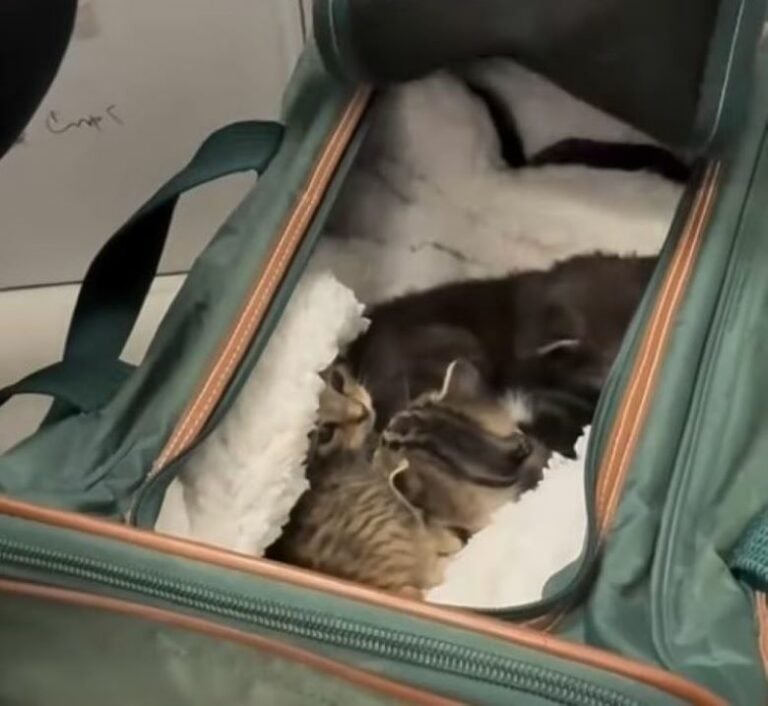
At first, the dog was nearly invisible. Rusted ladders, cement buckets, scattered nails masked his presence.
But the crew saw him. His body thin, coat patchy, eyes wide. A stray. In danger.
They approached slowly, lowered tools, whispered. He flinched—but didn’t run.
He seemed to ask: Will someone stop and help me?
If you walked past without noticing—what would you miss?
Rescue Mode: Quiet Change, Big Impact
The crew paused their project. One volunteer pulled out his phone, called the local rescue that afternoon.
They fetched blankets, water bowls, a slow‑release feeding plan. The dog—whom they named Rubble—was gently lifted into a volunteer’s truck.
At the vet, the first check revealed: malnutrition, uncertain history, no microchip found.
When rescue meets routine construction, the story doesn’t stop—it shifts.
And homes become part of that shift, just like lives.
Home Upgrade for a Healing Life

Bringing Rubble in meant more than a bath and a meal: it meant a home adaptation.
New dog bed not just comfy—but safe from slipping on hardwood.
Non‑toxic cleaning supplies because stress plus regular household chemicals don’t mix.
Secure yard fencing, free of nails and sharp boards, because a dog who’s been through trouble needs safe space.
These are “home improvement for pets” choices—when your space evolves to meet the needs of someone who depends on it.
If you adopted today—would your home evolve too?
Wellness, Healing & The Wallet
Rubble’s story hits multiple lifestyle themes: health, home, adoption.
His vet bills included full wellness check: vaccinations, micro‑chipping, weight plan. That links to “pet health check”.
Adopting a stray means avoiding high puppy‑shopping prices—but still investing wisely. “Adopt a dog today” becomes practical.
Dog ownership has proven benefits—more walking, lower stress, better heart health. That’s “dog ownership benefits”.
When you rescue, you don’t just take in a dog—you take in a lifestyle.
Would you invest in your home, your health and your heart?
Transformation: From Site to Sofa

Weeks later, Rubble lay in his new bed. Tail wagging. Eyes curious. The rusted pallet stacks were gone from his story.
Photos emerged: “First full meal today.” “Chasing ball for first time.” “Sleeping through night without fear.”
His transformation mirrored the home’s transformation—from construction site clutter to cozy corner.
And for the family who adopted him: more walks in the morning, more responsibility—but also more joy.
If you opened your home to a rescue like Rubble—what would change?
Why This Story Matters
Because it touches three major pillars:
- Pet adoption success: A dog once alone now safe.
- Home improvement for pets: Space was prepared intentionally.
- Health & wellness: The adopter’s life improved as the dog’s did.
Those are high‑intent topics that advertisers care about.
When you write about rescue dogs, home upgrades and lifestyle gains—you’re writing beyond cute photos.
And readers stay when they see themselves in the story—Could I do that? Could I adopt? Could I improve my home?
Would you click “next” to read about “10 Home Upgrades Every Dog Owner Needs” or “How Adopting a Rescue Dog Boosted My Wellness”?
Your Action Plan: Join the Movement
Inspired by Rubble’s story? Here’s how you can act:
- Visit a local shelter or rescue group. Ask about stray dogs needing help.
- Evaluate your home: Is your space ready for a dog? Are floors safe, yards secure?
- Budget wise: Vet visits, supplies, home upgrades. Think ahead.
- Adopt a routine: Daily walks, regular check‑ups, bonds that last.
- Share the story. Awareness builds change.
If you found someone waiting behind debris—would you stop? Or keep walking?
The Open Loop: What’s Next for Rubble—and You?
Rubble’s safe now—but his journey is still unfolding.
Will his adoptive home document their dog‑friendly renovations? Will Rubble become ambassador for rescue awareness?
Will the next article you click be “Best Dog‑Proof Forest Trips for Active Owners” or “How Rescuing a Dog Changed My Financial and Health Trajectory”?
Because Rubble’s rescue didn’t end when he walked into the home—it ended when his future began.
And maybe your transformation begins when you decide: I’ll stop, I’ll adopt, I’ll change.