
Table of Contents
- The Dog Who Never Gave Up on Someone Caring
- Months of Waiting at the Edge of Everyday Life
- A Single Drive‑Thru Pulls Over Fate
- The Rescue That Nearly Failed
- From Pavement to New Beginnings
- Why This Story Matters Beyond Pets
- The Long‑Term Impact of One Kind Act
- The Questions That Linger
- Practical Pet‑Ownership Tips for Rescue Success
- The Forever Home—What It Truly Means
- Final Reflection
The Dog Who Never Gave Up on Someone Caring
Under the bright drive‑thru sign of a busy California restaurant, a small white‑furred pup named Coconut lay curled in the shadows. Rain, wind, foot traffic—he faced them all alone.
Every car that pulled past, every light that turned green, mattered. Each was a chance he might be noticed. Each passed him by.
For months, Coconut waited. Not just for food. Not merely for shelter. He waited for someone to see him.
Would you have seen him?
Months of Waiting at the Edge of Everyday Life
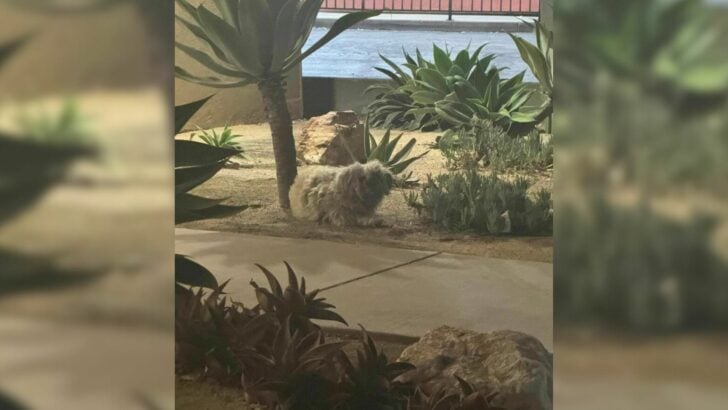
Every day, Coconut returned to the same hiding spot: beneath a palm tree, tucked next to a bush by the restaurant’s outer wall. He lay low, ears back, watching the drive‑thru screen and the heads of passing drivers.
Security guards told rescuers he’d been there roughly three months, alone in a busy shopping‑centre location by two high‑traffic streets.
He had become invisible. A creature so used to being ignored, he scarcely dared hope.
But hope is stubborn. And in Coconut’s case, it held on.
A Single Drive‑Thru Pulls Over Fate
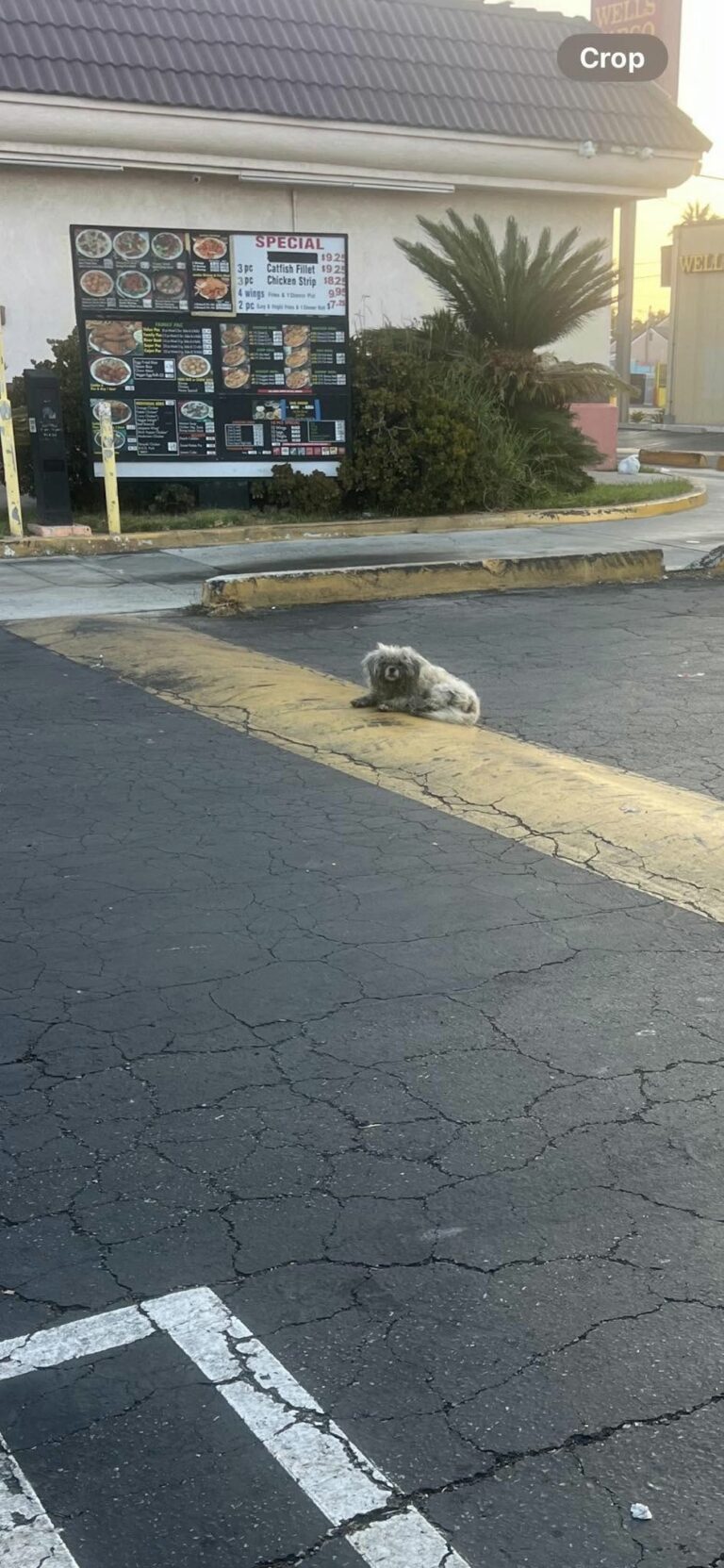
One afternoon, a routine drive‑thru customer pulled into line. Rather than rushing off, they noticed a dog: matted fur, sad eyes, shadowed by the restaurant’s sign.
They didn’t just glance. They stopped. They reached out—to Logan’s Legacy 29, a rescue founded by longtime volunteer Suzette Hall.
Hall and her team arrived and found Coconut in his favoured spot. “He would lay under the restaurant sign… He had his favourite bush and his favourite palm tree, and he would lay there,” she wrote.
For three long months. Would you have paused? Would you have reached out?
The Rescue That Nearly Failed
The rescue attempt began with humane traps placed where Coconut frequented. But the restaurant’s bustle made him more fearful than food‑motivated. He avoided the traps altogether.
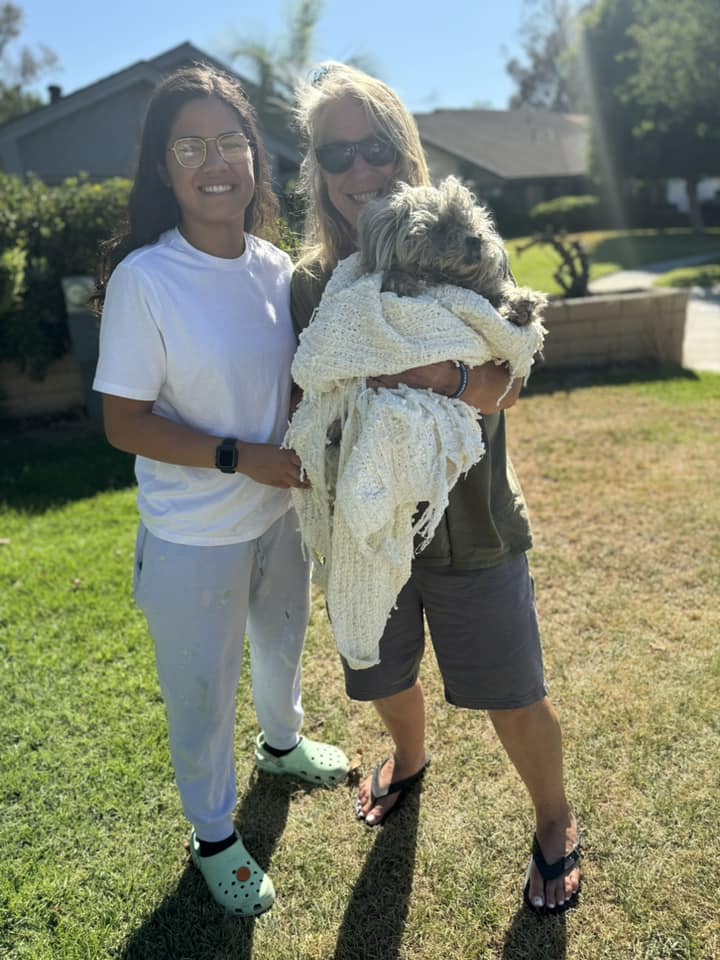
A decision was made: return in the early morning, when traffic quieted. The next day, two volunteers—Yamileth and Karla—snuck close, blanket in hand. They gently wrapped Coconut, petting him softly, telling him he was safe.
Later that day he arrived at the vet: matted coat shaved, body thin but otherwise medically sound. His life had turned a corner.
Yet his journey had only just begun. How do you rebuild trust after being ignored for months?
From Pavement to New Beginnings

Once in foster care, Coconut began to breathe. He slept without fear, his legs stretched instead of curled, his ears relaxed instead of pinned.
A week later he touched sand and salt‑air—Hall took him to the beach. For the first time maybe ever, he looked around and smiled.
Imagine that: the dog who lay beneath a drive‑thru sign now chasing waves. Would you believe he could ever feel safe again?
Now he needed a forever home. A family who would appreciate what he’d been through and celebrate who he could become.
Why This Story Matters Beyond Pets
Stories like Coconut’s tap into something deeper—our relationship with home improvement, pet health, and human‑animal bonds.
Home improvement for pet owners: When you adopt, you’re also updating your house—dog‑proofing your yard, choosing pet‑safe flooring, installing a cozy bed.
Pet health check and savings: Many adopted dogs come micro‑chipped, vaccinated, spayed/neutered—saving adopters hundreds in initial costs.
Adoption economy & emotional ROI: The pet industry in the U.S. is booming into the billions. But the real return? Less stress, more activity, improved heart health, better mental wellness.
If this happened to you—if you took a pup that had nothing—would you view your home differently? Your budget? Your priorities?
The Long‑Term Impact of One Kind Act
When someone at a drive‑thru noticed Coconut, they shifted a chain of events. That one act illustrates the economics of kindness:
- The rescue gave Coconut a second chance.
- The foster family opened their home and heart.
- The adopter (who eventually comes) will benefit from unconditional loyalty, healthier habits, and lifelong companionship.
And yes—property values, home improvement budgets, pet wellness all factor in. A dog is not just a pet: it’s a lifestyle upgrade.
Now think: If everyone ignored him for months, what else might we be ignoring in our lives?
The Questions That Linger
- If you saw a dog hiding under a sign—would you stop? Or assume someone else will?
- If you adopted a rescue with a past—would you be patient enough for his future?
- When you improve your home for a pet—are you upgrading your life for yourself too?
Because Coconut’s story isn’t just about rescue—it’s about redemption, transformation, community.
Stay with me—there’s more to explore.
Practical Pet‑Ownership Tips for Rescue Success
When you bring home a pup with a story, the real work begins:
- Safe space: Create a comfortable indoor corner or room so your dog knows home is sanctuary.
- Routine health check: Visit the vet—ensure shots, micro‑chip, heartworm prevention. Don’t skip it.
- Gradual introduction: A rescue dog with past fear needs slow exposure to new sights, people, environments.
- Budget for upgrades: Flooring that’s easy to clean, a fenced yard, pet‑safe plants—home improvement meets heart.
- Lifestyle alignment: Walking the dog means more activity for you. Lower stress. Better health. Shared joy.
Coconut’s waiting ended when someone acted. Will your readiness end someone else’s waiting?
The Forever Home—What It Truly Means
For Coconut, “forever” meant more than a permanent address. It meant:
- Waking up warm and safe, instead of curled on a sidewalk.
- Feeling someone’s hand reach out—not just for food, but for connection.
- Having room to play, to run, to heal.
His forever family will gaining more than a dog: they’ll gain perspective, empathy, purpose.
What if you choose that too?
Final Reflection
We scroll through stories like this—and maybe we pause. But how often do we act?
If you drove past a restaurant and saw a pup under a sign—would you stop or scroll on?
Coconut’s story ended with saltwater waves and a cozy home—but the beginning was you, the reader, choosing to notice.
When someone finally saw him. When someone finally cared.
What will you choose to see today?