

Table of Contents
A Night of Fun Turns into Tragedy
Homecoming events, with their decades-old traditions of fun and unity, are meant to create lasting memories for high school students. But for Kelly, what was supposed to be a moment of joy became the backdrop for an unimaginable tragedy. Witnesses say that Kelly had been laughing and joking with his friends just moments before he collapsed, leaving his classmates and peers in a state of shock.
The prank that took place seemed harmless, as these school rituals often do. Students had grown accustomed to the fun and playful nature of such pranks, which have always been part of the homecoming celebrations. But in an instant, the joyous mood was replaced with confusion and fear, as Kelly fell to the ground. Despite immediate medical attention, Kelly’s life could not be saved, and what was once an anticipated night of celebration now became a somber moment of grief.
This sudden shift from joy to tragedy has left students grappling with the emotional weight of the incident. While the tradition was intended to foster a sense of community and unity, the tragic outcome has sparked conversations about the safety of such events. Could the rituals of homecoming and similar events be re-evaluated to ensure the safety and well-being of students?
Hadden Kelly: A Rising Star and a Beloved Friend

Hadden Kelly’s death feels especially painful because of the bright future that seemed to await him. A gifted young golfer, Kelly was known for his technical skill, mental focus, and ability to perform under pressure. He had already gained recognition as one of Kentucky’s most promising young athletes, with coaches and teammates alike praising his work ethic and dedication to the sport. He had the potential to rise through the ranks and make a name for himself in collegiate and professional golf, but that potential was tragically cut short.
Yet Kelly was more than just a talented athlete—he was a friend, a son, and a student who was admired for his humility and kindness. His coaches and teammates remember him as someone who balanced his passion for the game with a generosity of spirit that inspired those around him. He wasn’t just focused on his own success; he took time to encourage others and offer support to his teammates. His character was a reflection of his upbringing—a teenager who exemplified the values of hard work, respect, and compassion.
For those who knew him, Kelly’s loss is not just a tragedy for the sport of golf but for the community at large. He was a role model, not just for his peers but for younger athletes who looked up to him. His death has left a void that cannot be filled, and those who knew him are now left to carry his memory and honor his legacy.
The Mystery of Sudden Collapse in Young Athletes
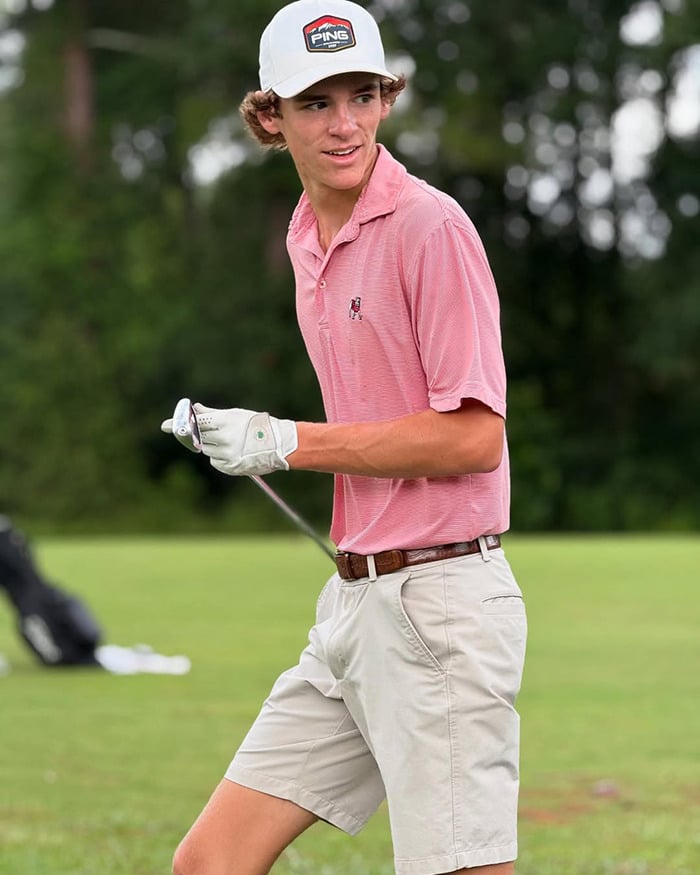
One of the most perplexing aspects of Kelly’s death is its suddenness. He had shown no signs of distress before collapsing, raising difficult questions about the hidden risks faced by young athletes. Medical experts note that conditions such as hypertrophic cardiomyopathy or arrhythmias often go undetected in young, otherwise healthy individuals. These heart conditions are among the leading causes of sudden cardiac arrest in athletes, yet they often remain invisible until tragedy strikes.
According to the American Heart Association, sudden cardiac arrest accounts for nearly 75% of sports-related deaths among young athletes. Despite advancements in medical technology, routine screenings for heart conditions are still not commonplace in many schools or sports programs. Kelly’s death has sparked renewed conversations about the need for better detection and preventive measures for young athletes, especially in high school sports. Should regular cardiac screenings become a standard part of student-athlete health checks?
The Hidden Risks of Sports and Student Safety
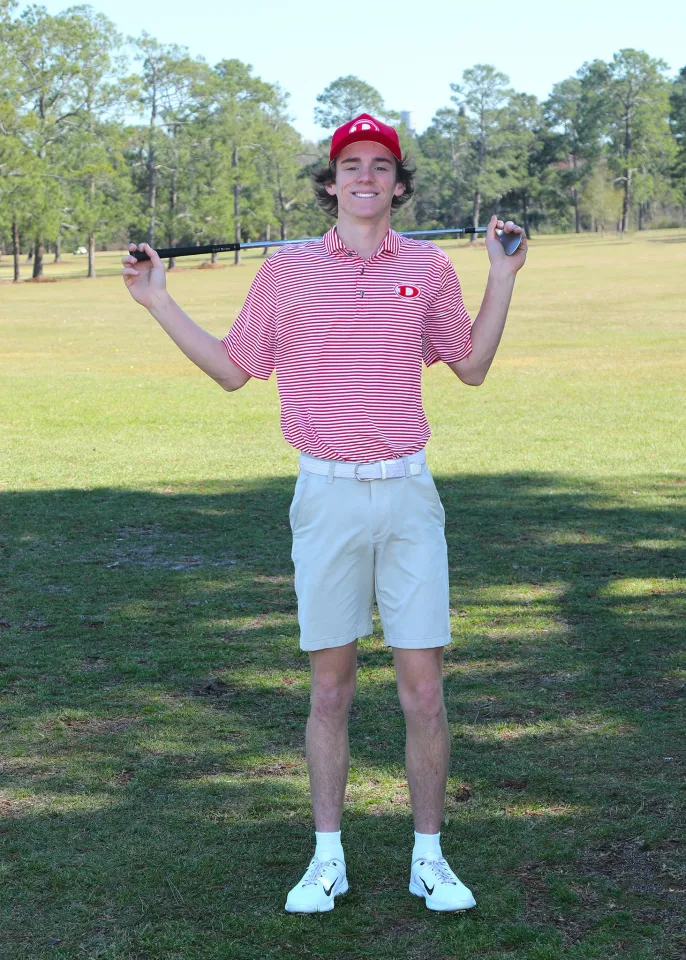
Kelly’s tragic death has sparked important conversations about the hidden risks young athletes face and the measures that should be in place to protect them. His passing has underscored the need for schools and sports organizations to reassess their safety protocols, including whether students should be routinely screened for heart conditions before participating in athletic activities. Many are now calling for greater attention to the health and safety of student-athletes, pushing for proactive measures to detect underlying heart conditions before they become fatal.
In addition to health screenings, the tragedy has prompted discussions about emergency preparedness in schools. Sudden cardiac arrest can often be survivable if treated immediately with a defibrillator, but access to this life-saving equipment is not always available at all school events, especially during sporting activities. Advocates are now pushing for schools to ensure that defibrillators are present at every athletic event, with staff trained to use them efficiently in case of an emergency.
The outpouring of grief has also highlighted the importance of supporting student mental health. Many young athletes experience immense pressure to perform, and the emotional toll of sudden tragedies like Kelly’s can be overwhelming. Schools and communities must also focus on providing mental health resources to help students cope with grief, trauma, and stress.
A Community United in Grief and Reflection
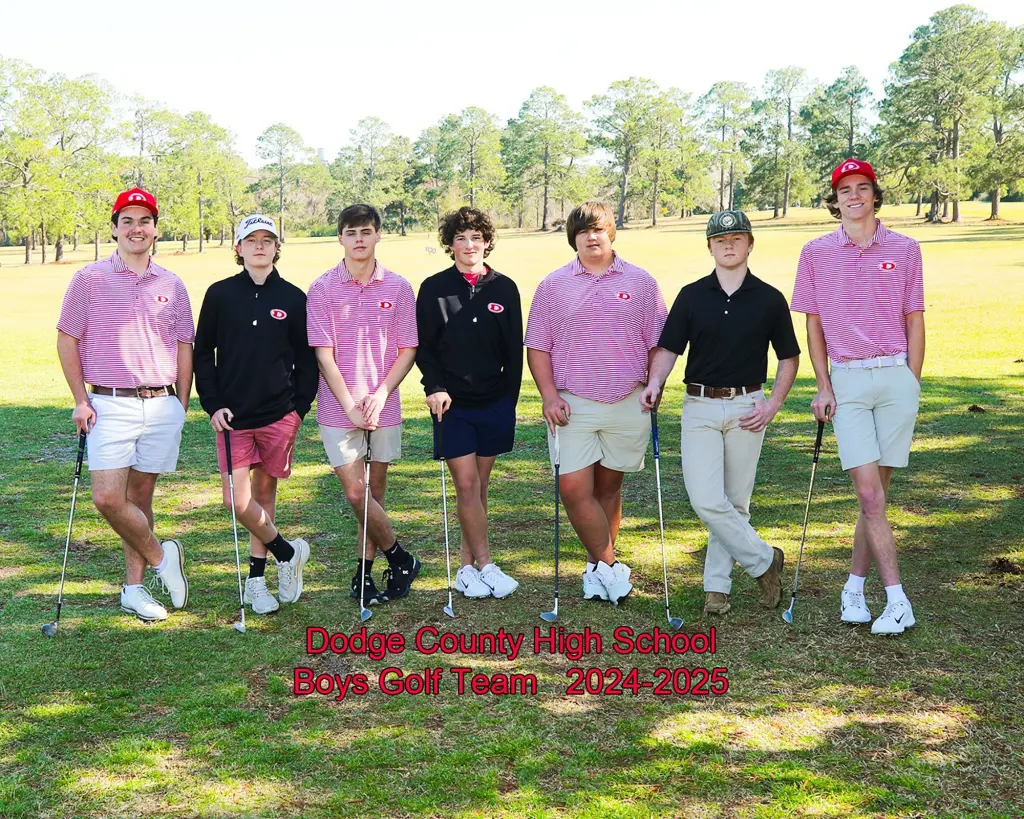
As the community mourns the loss of Kelly, the response has been one of unity and support. Students, teachers, and parents have come together to honor his memory and reflect on the impact he had on those around him. Candlelight vigils have been held in his honor, and social media tributes have flooded in, celebrating his kindness, humility, and talent.
His teammates have been particularly vocal in expressing their sorrow. They remember Kelly not just for his exceptional skill on the golf course but for his support and encouragement during practices and competitions. In his honor, they have pledged to dedicate their season to him, carrying his memory with them on every course they play. Coaches, too, have shared stories of his dedication and positivity, remembering him as someone who brought light and joy to their team.
The entire community, from students to teachers, has rallied around Kelly’s family, offering their support and condolences. Parents, even those who did not know him personally, have expressed their sorrow, highlighting the deep impact Kelly had on everyone he encountered. The grief shared by the community has transformed into a collective effort to honor his life and carry forward the lessons he taught through his example.
The Legacy of a Young Athlete Gone Too Soon
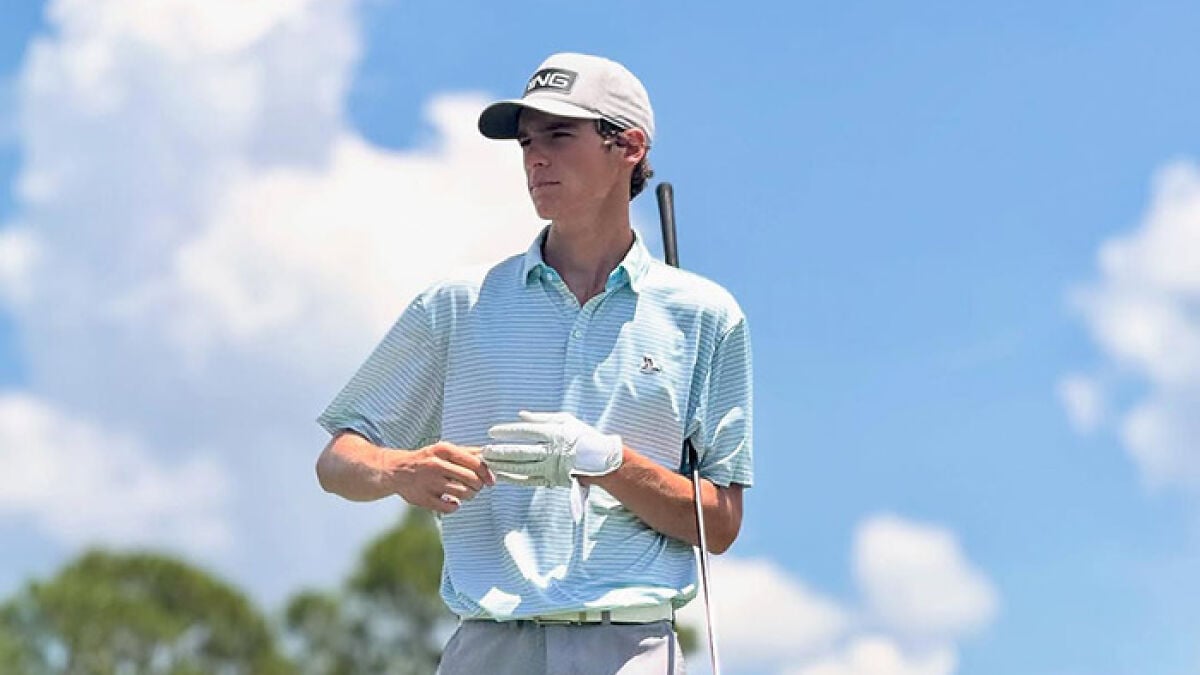
The tragic loss of Hadden Kelly is a reminder of the fragility of life and the unpredictable nature of events. What was meant to be a joyous homecoming celebration turned into a heart-wrenching tragedy that will forever shape the lives of those who were part of it. For students, the experience has altered how they view not just school traditions but life itself. Conversations are already underway about whether certain practices should be reevaluated to prioritize safety while still maintaining the spirit of community.
Kelly’s story has also sparked broader conversations about how schools can better protect their students, particularly athletes. Calls for mandatory health screenings, better access to emergency medical equipment, and revised protocols for athletic programs are gaining traction. While no policy can bring Kelly back, the hope is that his death may inspire changes that save future lives.