
Table of Contents
- Two Rulings Push Gun Rights Further
- Hawaii’s Concealed Carry Law Falls
- The Court Says Rights Cannot Be Erased
- Dissenters See Property Rights Differently
- The More Surprising Drug User Ruling
- The Historical Test Becomes Decisive
- Marijuana Use And Modern Reality
- Alcohol History Shapes The Court’s Logic
- A Major Shift In Gun Regulation
- Supporters Celebrate A Rights Victory
- Critics Warn Of Public Safety Risks
- What Future Gun Laws Must Prove
- The New Second Amendment Era
Two Rulings Push Gun Rights Further
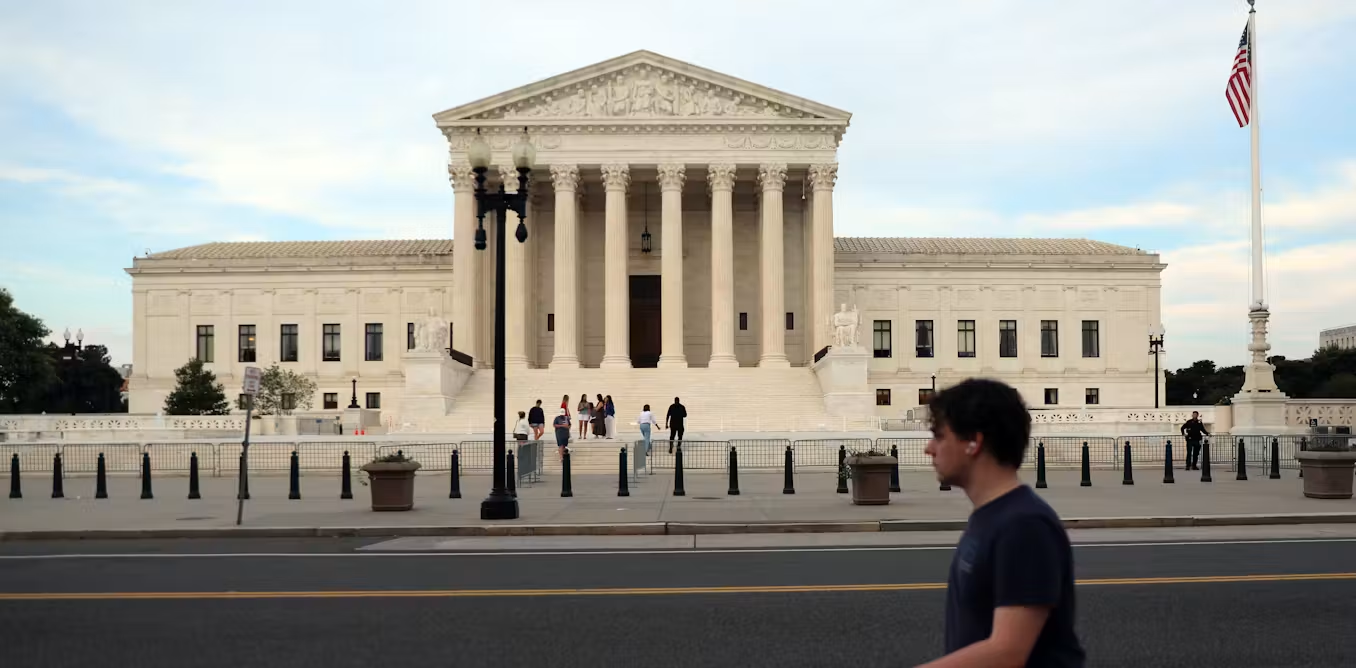
When the Supreme Court issued two major Second Amendment decisions in June 2026, the rulings sent a clear message across the country: the current court is continuing to interpret gun rights broadly, and state or federal restrictions will face serious constitutional pressure if they make firearm ownership or public carry too difficult.
The first case, Wolford v. Lopez, centered on Hawaii’s attempt to restrict where licensed gun owners could carry concealed firearms. The second, U.S. v. Hemani, struck down a federal restriction that barred unlawful users or people addicted to controlled substances from possessing firearms.
Together, the decisions mark another major moment in the ongoing national debate over guns, personal defense, public safety, drug use, and the meaning of the Second Amendment. One ruling was expected, following the familiar ideological split between the conservative and liberal wings of the court. The other was more surprising because it was unanimous and touched a politically sensitive issue: whether casual drug use can justify stripping someone of gun rights.
For supporters of gun rights, the rulings represent a major victory against laws they believe quietly erase constitutional protections. For critics, the decisions raise alarms about public safety and the court’s willingness to limit government power in an era of mass shootings, expanding concealed carry, and changing views on marijuana.
Hawaii’s Concealed Carry Law Falls
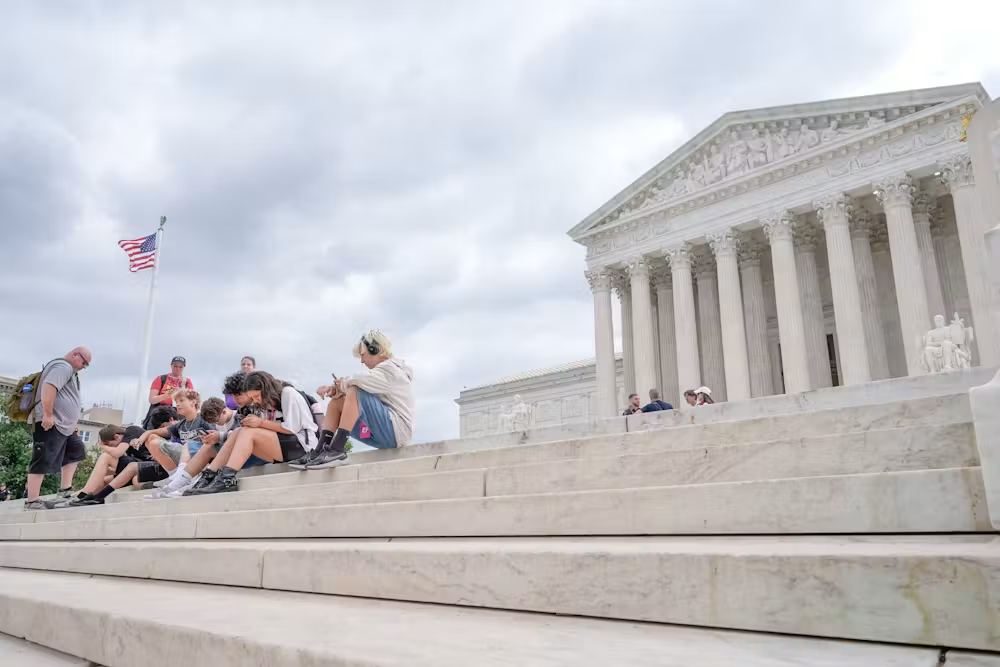
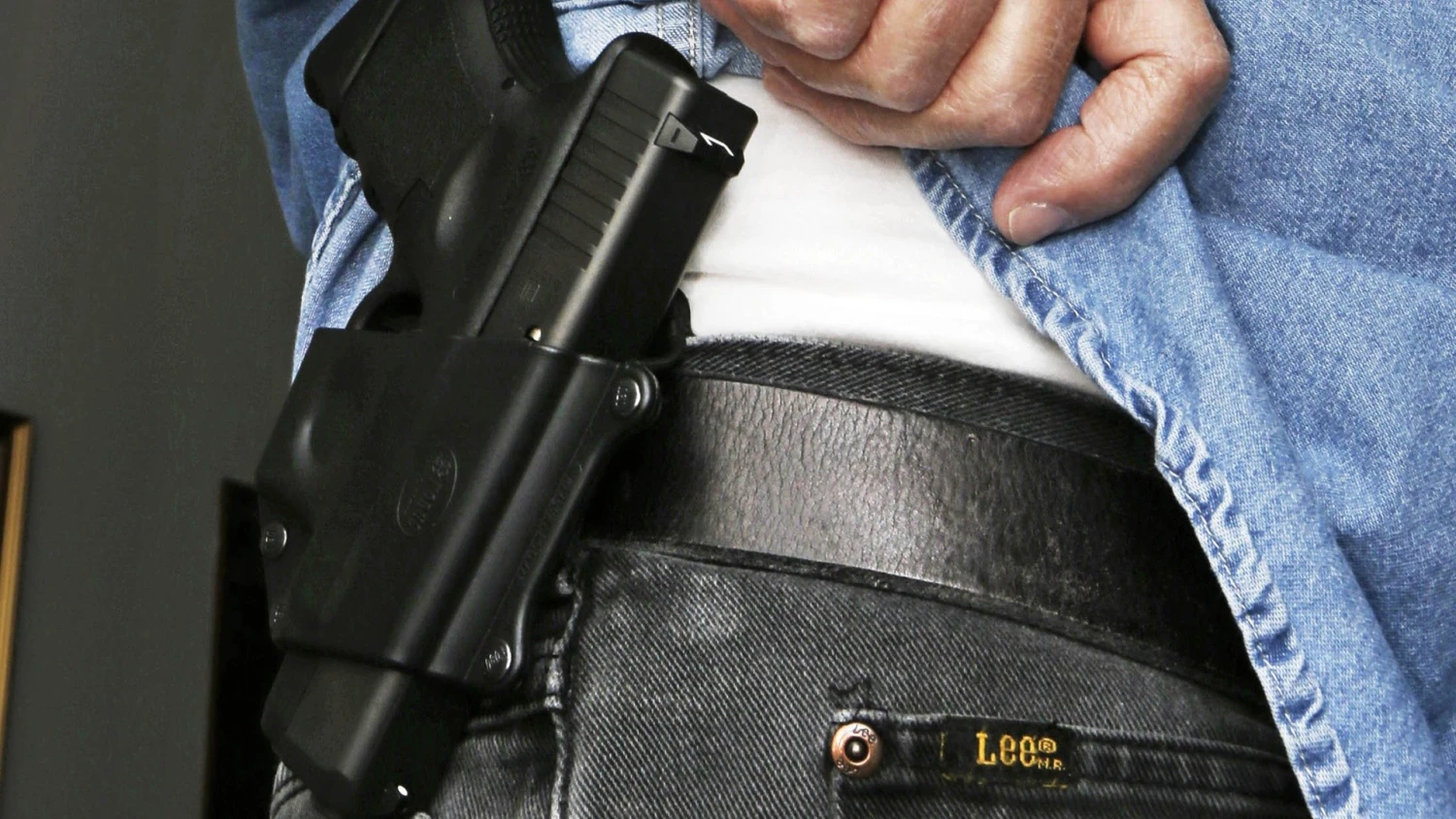
In Wolford v. Lopez, the Supreme Court focused on Hawaii’s concealed carry restrictions. The court’s majority concluded that the state had made it practically impossible for ordinary licensed gun owners to carry firearms in public for self-defense.
The ruling followed the court’s 2022 decision in New York State Rifle & Pistol Association v. Bruen, which recognized a constitutional right to carry a handgun in public for personal protection. After Bruen, states could still regulate concealed carry, but they could not make the right meaningless through rules that block ordinary use.
Hawaii’s law attempted to change the default rule for carrying guns on private property. Traditionally, a property owner who does not want guns on the premises can post a sign banning firearms. Hawaii moved in the opposite direction. Under its approach, concealed carry was treated as banned on private property unless the owner clearly posted a sign allowing it.
The court majority saw that as a major problem. If carry is banned by default in most privately owned places people visit every day, then the right to carry exists mostly on paper. A person may technically have a license, but the practical ability to carry a firearm while going about normal life is heavily restricted.
The Court Says Rights Cannot Be Erased
Justice Samuel Alito, writing for the majority, emphasized that Hawaii’s policy would prevent licensed carriers from entering many ordinary places, including stores, restaurants, gas stations, coffee shops, grocery stores, barber shops, laundromats, and other common public-facing businesses.
The majority’s core concern was not simply about one state rule. It was about how far governments can go when regulating a constitutional right. In the court’s view, a state can impose reasonable limits, but it cannot create a system that makes the protected right impossible to use.
That principle has appeared in other areas of constitutional law as well. The court’s conservative majority often argues that fundamental rights, including speech, religious exercise, and armed self-defense, may be regulated but not functionally eliminated.
For the majority, Hawaii’s system crossed that line. The law did not directly say that concealed carry was banned everywhere. But by making private property carry unlawful unless specifically allowed, the court saw the measure as a backdoor attempt to defeat the right recognized in Bruen.
Dissenters See Property Rights Differently

The liberal justices viewed the issue differently. Justices Ketanji Brown Jackson and Sonia Sotomayor did not see Hawaii’s rule as an unconstitutional attack on gun rights. Instead, they saw it as a way to respect the choices of property owners.
From that perspective, the rule did not erase concealed carry. It simply treated private property as a place where the owner’s permission matters. Supporters of this view argue that property owners should not have to post signs or take special steps to keep guns off their premises.
The majority disagreed. It concluded that Hawaii’s approach created a carry ban so broad that it undermined the Second Amendment right itself.
This disagreement reflects the larger tension in American gun law after Bruen. Courts are now being asked to decide whether modern gun regulations are ordinary safety rules or disguised attempts to suppress gun rights. The answer depends heavily on how judges understand both history and practical impact.
The More Surprising Drug User Ruling
The second case, U.S. v. Hemani, was more unexpected because the court ruled unanimously against a long-standing federal gun restriction involving drug users.
Federal law has, for decades, prohibited unlawful users of controlled substances or people addicted to controlled substances from possessing firearms. The law has often been associated with marijuana users, even as marijuana has become more socially accepted and legally tolerated in many states.
In Hemani, the defendant was a Texas marijuana user who possessed a gun for self-defense. He was charged under the federal statute that makes it a felony for someone who is an unlawful user of or addicted to a controlled substance to possess a firearm.
The Supreme Court ruled that the law went too far. The justices acknowledged that drugs and guns can be a dangerous combination, but they concluded that the government had not shown enough historical grounding for such a broad restriction.
That result was striking because it placed the court’s Second Amendment approach in direct tension with federal drug policy.
The Historical Test Becomes Decisive
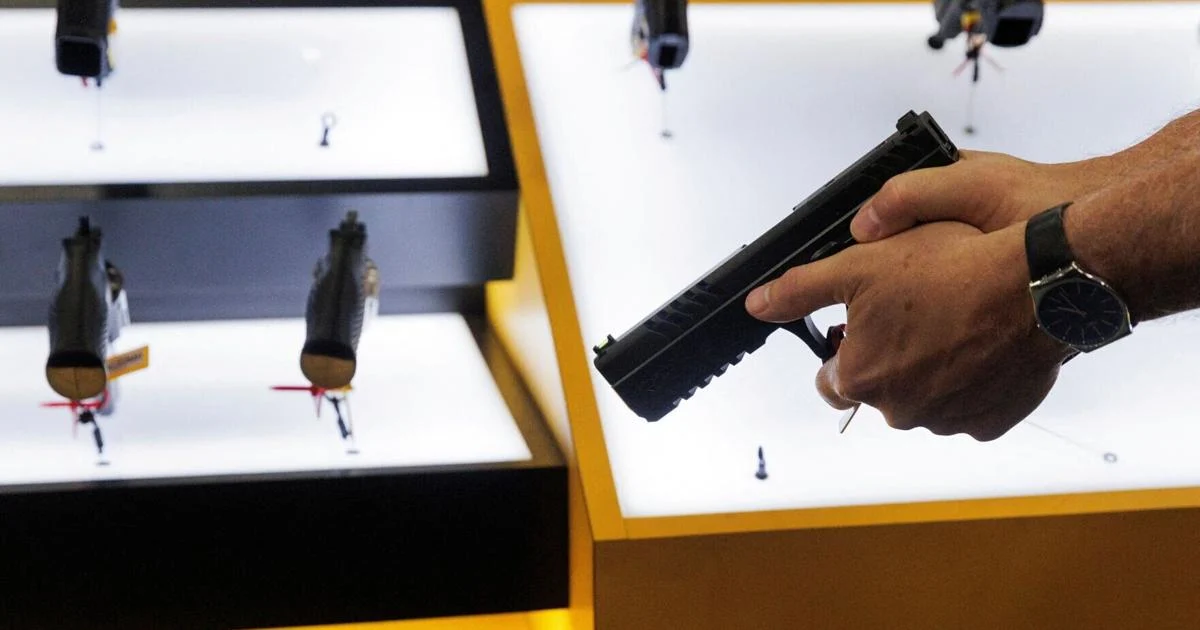
The Hemani ruling was shaped by the historical test established in Bruen. Under that standard, modern gun regulations must be consistent with the nation’s historical tradition of firearm regulation. The government does not need to find an exact copy from the founding era, but it must point to historical examples that are similar in purpose and burden.
This method has transformed Second Amendment cases. Instead of asking only whether a law serves a public safety interest, courts now ask whether similar restrictions existed historically and whether they operated in comparable ways.
In 2024, the court used this historical framework in U.S. v. Rahimi to uphold a federal law banning gun possession by people under domestic violence protective orders. The court found that historical laws disarming dangerous people were close enough to support the modern rule.
But in Hemani, the court found the government’s historical comparisons weaker. Supporters of the federal restriction pointed to old laws targeting habitual drunkards. The court said those laws were aimed at people whose drinking made them unable to manage their own affairs or posed obvious dangers, not ordinary or moderate users.
That distinction became central to the ruling.
Marijuana Use And Modern Reality
The court’s decision also reflected the changing public view of marijuana. Marijuana remains restricted under federal law, but many states have legalized or decriminalized it for medical or recreational use. Public acceptance has grown dramatically, and enforcement has become inconsistent across the country.
Justice Neil Gorsuch noted that the key question was not simply whether Hemani used marijuana. The question was how much he used, how strong it was, how it affected him, and whether it made him dangerous or unable to manage his life.
The court appeared unwilling to accept the idea that drug use alone automatically proves someone is too dangerous to own a firearm. In the majority’s view, the government must show a clearer connection between the person’s drug use and actual danger.
That reasoning could affect many future gun cases. A law that broadly disarms an entire category of people may face problems if the court believes the category is too wide or not historically grounded.
Alcohol History Shapes The Court’s Logic
One of the most interesting parts of the Hemani reasoning involved alcohol. The court compared modern marijuana use with historical alcohol use and noted that founding-era regulations did not ban every social drinker or heavy drinker from owning guns.
The historical laws cited by the government targeted people whose habits made them practically incapacitated or dangerous. They did not disarm people merely because they consumed alcohol.
That mattered because many of the nation’s founders themselves lived in a culture where alcohol consumption was common. The court’s reasoning suggested that if ordinary alcohol use did not historically justify disarmament, ordinary marijuana use may not justify it today.
This comparison does not mean the court said guns and intoxication are safe. Rather, the court demanded a narrower rule. A person actively intoxicated while carrying or using a firearm may be treated differently from someone who uses marijuana occasionally or moderately.
The decision suggests that the government cannot rely on broad assumptions. It must prove danger more specifically.
A Major Shift In Gun Regulation
The combined effect of the two rulings is significant. In Wolford, the court strengthened the right to carry firearms in public for self-defense. In Hemani, it limited the government’s ability to disarm people based solely on drug use.
Both rulings point in the same direction: gun restrictions must be narrow, historically grounded, and carefully justified. Laws that appear to make gun rights impractical or that disarm broad groups without clear evidence of danger may struggle before the current court.
This is a major challenge for states and Congress. Many modern gun regulations were written with public safety concerns in mind, not with founding-era historical analogues in mind. After Bruen, that may not be enough.
Governments now face a demanding task. They must show not only that a gun law is sensible, but also that it fits within American historical tradition.
Supporters Celebrate A Rights Victory
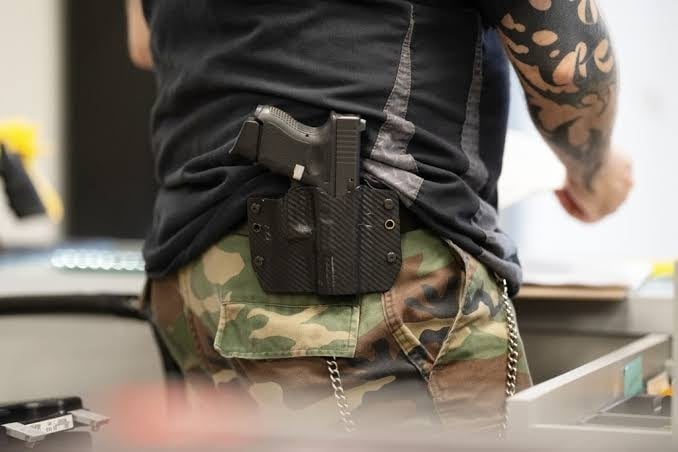
Gun rights advocates are likely to view both rulings as important victories. In the concealed carry case, they can argue that the court stopped a state from using technical rules to undermine a recognized constitutional right.
In the drug user case, they can argue that the court rejected a sweeping federal ban that punished people without proof they were dangerous. From this perspective, the rulings defend ordinary Americans against laws that treat constitutional rights as privileges the government can easily remove.
Supporters may also say the decisions bring consistency to the law. If the Constitution protects the right to self-defense, then governments should not be able to erase that right through property default rules or broad personal-status bans.
For them, the message is clear. The Second Amendment is not a second-class right. It must be treated with the same seriousness as other constitutional protections.
Critics Warn Of Public Safety Risks
Critics see the decisions very differently. They worry that the court is making it harder for governments to address real dangers connected to firearms. Concealed carry in more public and private spaces may increase fear among business owners, workers, and residents who do not want guns in everyday environments.
The Hemani ruling may create even deeper concern. Critics argue that drug use and firearms can be a dangerous mix, particularly if substance use affects judgment, impulse control, or perception of threat. They worry that requiring the government to prove more specific danger will make it harder to keep guns away from risky individuals.
Public safety advocates may also argue that the historical test is too rigid for modern problems. The founding era did not have modern firearms, modern drug markets, modern policing, or the same public safety challenges. In their view, using history as the main test can limit lawmakers’ ability to respond to current risks.
That disagreement will likely continue to shape gun law for years.
What Future Gun Laws Must Prove

The rulings give lawmakers a clearer warning about what future gun regulations must do. First, they must not make a constitutional right practically impossible to exercise. Second, they must be rooted in a historical tradition that the court considers sufficiently similar. Third, they should be carefully targeted rather than broad and automatic.
The court has shown some willingness to uphold restrictions when the government can identify a dangerous group with a strong historical parallel, as in the domestic violence protective order context. But laws targeting groups that the public increasingly views with sympathy, such as marijuana users, may face a tougher path.
This does not mean all gun regulations are doomed. It means lawmakers must write them with the court’s historical method in mind. Regulations focused on specific conduct, proven dangerousness, or clearly established historical categories may be more likely to survive.
The New Second Amendment Era
The Supreme Court’s June 2026 rulings show that the country is now living in a new era of Second Amendment law. The right to carry firearms for self-defense is being protected more aggressively, and federal restrictions on gun ownership are being examined with new skepticism.
Wolford v. Lopez made clear that states cannot use broad property rules to make concealed carry nearly impossible. U.S. v. Hemani made clear that the federal government cannot automatically disarm drug users without a stronger historical and factual basis.
The result is a major shift in the balance between gun rights and gun regulation. Supporters see a court finally enforcing the Second Amendment with full strength. Critics see a court weakening public safety tools in a country already struggling with gun violence.
Both sides understand the stakes. These rulings do not end the gun debate. They intensify it.
As more challenges reach the courts, lawmakers will be forced to rethink how they regulate firearms. They will need to build laws that are historically grounded, narrowly tailored, and focused on demonstrable danger. That may be difficult, but under the current Supreme Court, it may be the only path forward.
For now, the message from the court is unmistakable: gun rights are expanding, and governments that want to restrict them must meet a much higher bar.