

On December 27th, a powerful earthquake struck Taiwan, sending shockwaves through the island and the surrounding region. The earthquake, which registered a magnitude of 6.7, rattled buildings and left communities on edge. Tremors were felt across parts of Taiwan and even in neighboring areas, prompting an immediate response from local authorities and emergency teams. This seismic event has sparked widespread concern, with the aftermath still being assessed in terms of damages, injuries, and potential long-term effects on the region.
The timing of the earthquake, coinciding with peak tourist season and the upcoming New Year holidays, only added to the anxiety. The island, known for its resilience in the face of natural disasters, is no stranger to earthquakes, but the magnitude and breadth of this particular tremor have left many questioning its implications. As we delve deeper into the details of this seismic event, we will explore the impact on Taiwan, the surrounding region, and the efforts underway to assess and mitigate its effects.
Table of Contents
- What Happened: The Earthquake and Immediate Impact
- The Regional Reach of the Earthquake
- Why Taiwan is Vulnerable to Earthquakes: A Geographic Perspective
- Taiwan’s Earthquake Preparedness and Response
- Ongoing Efforts: Recovery and Reconstruction
- The Psychological and Emotional Impact on the Public
- What’s Next: Looking Ahead to Taiwan’s Future
- Conclusion: A Community United in the Face of Adversity
What Happened: The Earthquake and Immediate Impact
The earthquake struck at 9:30 AM local time, just as many residents and tourists were beginning their day. The epicenter was located off Taiwan’s eastern coast, but its tremors reached as far as the capital city of Taipei and beyond. Within minutes of the initial shake, social media platforms were flooded with reports from people sharing their experiences of the tremors. The earthquake caused panic, especially among those living in high-rise buildings, as the shaking persisted for several minutes.
Despite the severity of the earthquake, reports indicated that the damage was less severe than initially feared, thanks to Taiwan’s robust infrastructure and strict building codes designed to withstand seismic activity. However, several buildings in the affected areas experienced structural damage, and local authorities reported minor injuries to residents and tourists caught in the tremors. Fortunately, no fatalities were reported at the time of writing.
The Regional Reach of the Earthquake
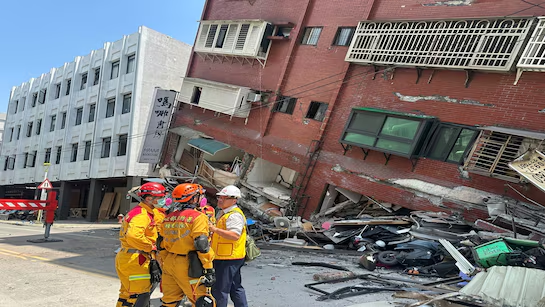
While the epicenter of the earthquake was off the eastern coast of Taiwan, the tremors were felt as far as Hong Kong, Macau, and even parts of Japan. The spread of the earthquake’s effects is a reminder of the immense power of seismic events and their ability to impact a large area. Many residents in the affected regions found themselves grappling with aftershocks that continued for hours after the main earthquake, causing uncertainty and raising concerns about further seismic activity.
In Taiwan, the government quickly activated its emergency response protocols, dispatching rescue teams to the hardest-hit areas. Local authorities began conducting damage assessments and providing support to those who had been displaced or affected by the quake. The international community also offered support, with neighboring countries and organizations extending their assistance in any way possible.
Why Taiwan is Vulnerable to Earthquakes: A Geographic Perspective
Taiwan lies on the Pacific Ring of Fire, an area known for its frequent seismic activity due to the collision of tectonic plates. This makes the island particularly vulnerable to earthquakes, with an average of around 1,000 tremors occurring each year. While most of these are minor and go unnoticed by the public, significant earthquakes like the one on December 27th are a reminder of the power of nature.
The island’s geological position between the Philippine Sea Plate and the Eurasian Plate creates an unstable environment for seismic activity. The result is not only earthquakes but also volcanic eruptions and other natural disasters. While Taiwan has made significant progress in earthquake preparedness and response, the country remains on high alert, especially as its population grows and infrastructure continues to develop in seismic-prone areas.
Taiwan’s Earthquake Preparedness and Response

Taiwan’s response to the earthquake was swift and well-coordinated, thanks to the country’s years of experience in dealing with natural disasters. The Taiwanese government has invested heavily in earthquake preparedness, ensuring that buildings are constructed with advanced seismic technologies and that the population is educated on emergency protocols.
Immediately following the earthquake, authorities issued evacuation orders for high-rise buildings and public areas that were at risk. Emergency response teams were dispatched to assess damage, provide medical care, and assist with the rescue of any individuals who may have been trapped. Public transportation was halted temporarily, and schools were closed for the day as a precautionary measure.
The government also provided immediate financial assistance to those affected, including temporary shelter for displaced residents. The National Disaster Relief Agency coordinated with local organizations to ensure that food, water, and medical supplies were distributed to the hardest-hit areas.
Ongoing Efforts: Recovery and Reconstruction
As the tremors subsided and the immediate threat was mitigated, the focus shifted to recovery and rebuilding. Taiwan’s strong infrastructure and preparedness plan helped minimize the damage, but rebuilding efforts are still underway. Authorities are prioritizing repairs to critical infrastructure such as roads, bridges, and communication networks, which were damaged during the quake.
Rescue teams continue to search for any individuals who may be trapped or missing, though the chances of finding survivors grow slimmer with each passing hour. Local hospitals have been treating injuries, and the government has assured the public that it is doing everything in its power to provide support during this difficult time.
The earthquake has also prompted a reevaluation of Taiwan’s earthquake preparedness strategies. Experts are conducting in-depth studies to assess the performance of buildings, bridges, and other infrastructure during the quake. These findings will be used to strengthen Taiwan’s earthquake-resistant technologies and better prepare the population for future seismic events.
The Psychological and Emotional Impact on the Public

In addition to the physical destruction, the earthquake has had a psychological impact on many residents. The emotional toll of living through a major seismic event cannot be underestimated. The fear and uncertainty that accompany an earthquake, particularly one of this magnitude, can lead to anxiety, stress, and even post-traumatic stress disorder (PTSD) in some individuals.
In response to this, the government has activated mental health support services to assist those who may need counseling or therapy. Schools and community centers are offering support groups for residents to share their experiences and process the emotional effects of the earthquake.
What’s Next: Looking Ahead to Taiwan’s Future
As Taiwan begins to recover, the focus will turn to improving the country’s earthquake resilience and response systems. The December 27th earthquake has served as a reminder of the constant threat posed by seismic activity in the region, but Taiwan’s preparedness and resilience will undoubtedly play a key role in minimizing future damage.
In the coming weeks, experts will continue to study the earthquake’s effects and provide recommendations for enhancing the country’s disaster response strategies. Taiwan’s commitment to strengthening its infrastructure, increasing public awareness, and investing in disaster relief will continue to be a top priority as the island rebuilds.
Conclusion: A Community United in the Face of Adversity
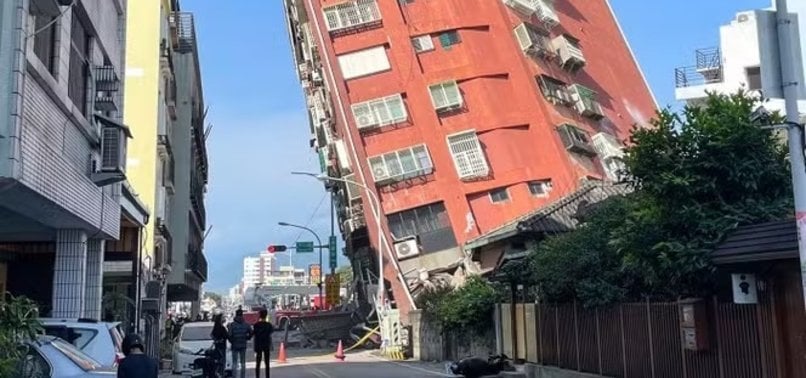
The earthquake that struck Taiwan on December 27th was a powerful reminder of the unpredictability of nature and the resilience of the people of Taiwan. In the face of such adversity, the community has come together to support each other and begin the long process of recovery. With government agencies, rescue teams, and local organizations working together, Taiwan will rebuild stronger and more prepared for the future.
As the tremors fade, Taiwan’s story will continue to be one of strength, determination, and resilience in the face of natural disasters. While the road to full recovery may take time, the country’s ability to adapt, respond, and rebuild will ensure that it remains a beacon of hope for the region.