

When news broke that Pavel Durov, the reclusive founder of the popular messaging platform Telegram, intended to leave his nearly $14 billion fortune to 106 children, it was met with a mix of awe, confusion, and intrigue. Durov’s decision to distribute his massive wealth among a group of children—many of whom are not even related to him—has sparked an intense public debate about inheritance, legacy, and the true meaning of wealth.
Durov, who built Telegram from the ground up after parting ways with his previous ventures, has always kept a relatively low profile. Despite his immense fortune, he is not known for ostentatious displays of wealth. His decision to forgo traditional inheritance methods and instead divide his fortune among so many individuals has raised eyebrows across the globe.
What follows is an exploration of why Durov’s unprecedented move is turning heads, the implications it has for wealth distribution, and what it means for the future of the wealthy and their approach to legacy.
Table of Contents
- A Billionaire’s Unconventional Legacy
- The Intriguing Details of Durov’s Plan
- Why the Decision Is Raising Eyebrows
- The Legacy of Pavel Durov’s Digital Empire
- What This Means for the Future of Wealth Distribution
- The Role of Philanthropy in Billionaire Wealth
- The Broader Implications for Billionaires and Inheritance Laws
- What This Means for Durov’s Personal Legacy
- The Future of Wealth and Power
A Billionaire’s Unconventional Legacy
Pavel Durov, often referred to as the “Mark Zuckerberg of Russia,” is known for his intense privacy and his disapproval of traditional corporate systems. Having built Telegram as an encrypted and privacy-focused messaging platform, Durov’s ethos aligns with decentralization and individual freedom. Yet, his most recent decision to leave a significant portion of his wealth to children, some of whom have no familial connection to him, contradicts the typical trajectory of billionaire inheritance.
In the typical narrative of wealth transfer, billionaires pass on their fortunes to family members—children, grandchildren, or spouses—continuing a legacy of wealth that serves as both a financial and familial cornerstone. But for Durov, this model does not seem to hold appeal.
Instead, he’s chosen to entrust his fortune to a unique group: 106 children. Why this specific number? What is the connection between them? The answers remain largely unknown, but the details of his decision have caused a stir in the media.
The Intriguing Details of Durov’s Plan

According to sources close to Durov, his decision to leave his fortune to these 106 children was a calculated move, designed not to perpetuate a traditional family dynasty, but rather to ensure that the wealth is used in a way that aligns with his values. Durov is famously averse to the traditional trappings of inherited wealth, viewing it as a corrupting influence on personal ambition.
The exact identities of the children are not publicly disclosed, but it is believed that Durov has been involved with various charitable initiatives, mentorship programs, and humanitarian causes, many of which focus on education, innovation, and privacy rights. It is possible that some of these children are connected to these ventures, though it remains unclear whether they are biological or adoptive children, or whether the number 106 has any symbolic meaning.
What is certain is that Durov’s plan, once it is executed, will leave a lasting impact on how wealth is viewed, distributed, and passed on to the next generation.
Why the Decision Is Raising Eyebrows
The sheer size of the inheritance—the staggering $14 billion—makes Durov’s plan a highly publicized event. In a world where wealth inequality is a growing concern, Durov’s decision to sidestep his family in favor of a diverse group of children prompts questions about the role of inherited wealth in society.
For one, Durov’s decision challenges the notion that wealth should be kept within family lines. Many billionaires, including famous figures such as Warren Buffett and Bill Gates, have openly discussed plans to give away large portions of their wealth to charity, with minimal amounts being passed on to their heirs. Durov, however, is taking this a step further by distributing his fortune across a much broader spectrum.
This has led to a debate about whether this method of wealth transfer is truly egalitarian or simply another form of the “old guard” maintaining its influence, albeit through unconventional means. Durov’s move could be seen as an attempt to break away from the traditional inheritance model and potentially disrupt the way legacy and wealth are passed down from generation to generation.
The Legacy of Pavel Durov’s Digital Empire

Pavel Durov’s legacy is already cemented in the tech world. Telegram, his crowning achievement, boasts millions of users around the world and has become a staple of modern communication, particularly in countries where privacy is a significant concern. Despite facing considerable challenges, including political pressure and competition from larger social media platforms, Durov has managed to maintain Telegram’s independence.
What makes his wealth distribution particularly interesting is the nature of his digital empire. Unlike some of his contemporaries, who have built traditional industries or amassed wealth through real estate or finance, Durov’s fortune is closely tied to the rapidly-evolving world of digital technology. The way he chooses to allocate this wealth may set the stage for future tech entrepreneurs and billionaires to rethink their approaches to both philanthropy and family legacy.
What This Means for the Future of Wealth Distribution
Durov’s decision has broader implications for the future of wealth distribution. As more tech entrepreneurs and business leaders amass significant fortunes, questions surrounding inheritance and wealth accumulation are becoming increasingly important. Durov’s approach represents a shift toward decentralization, with wealth being distributed in ways that could have previously been unimaginable.
Some experts believe that Durov’s approach could signal a change in how billionaires view their role in society and how they choose to engage with wealth. By distributing his fortune among 106 children, Durov could be trying to establish a more equitable model of wealth distribution that moves away from family dynasties and toward more diverse, community-based approaches.
On the other hand, critics argue that his decision could be seen as a form of paternalism, where a billionaire uses his wealth to create an idealized vision of the future, which may not necessarily align with the needs or desires of the recipients of the fortune.
The Role of Philanthropy in Billionaire Wealth

Philanthropy has long been a means for billionaires to justify their wealth and its accumulation. Figures like Bill Gates and Mark Zuckerberg have pledged to donate much of their fortunes to charity. Durov’s decision, while not entirely charitable in the traditional sense, follows a similar vein. He is using his fortune to empower a new generation, though his model is unconventional.
Rather than distributing his wealth to existing charitable foundations, Durov’s decision focuses on individuals, which some believe is a more direct way of affecting change. This raises another question: Is philanthropy best directed at organizations, or is it more impactful when it supports individuals who are empowered to make their own decisions?
The Broader Implications for Billionaires and Inheritance Laws
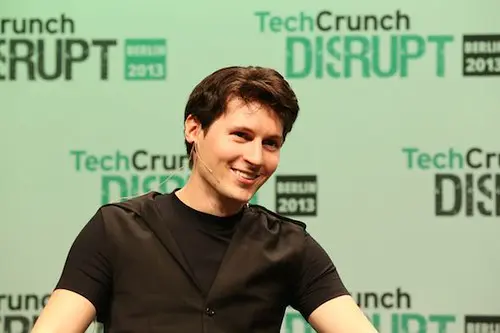
Durov’s plan may also influence how other billionaires view inheritance laws. In many countries, inheritance taxes are high, and the way wealth is passed down can significantly affect a family’s financial legacy. Durov’s decision to distribute his wealth among 106 individuals could be seen as a creative way to sidestep these issues, though it remains to be seen how the law will respond.
As the debate around wealth inequality intensifies, more billionaires are expected to adopt unconventional methods of distributing their fortunes. Durov’s decision could spark a wave of similar moves, where individuals are encouraged to pass on their wealth to a broader range of people, whether through charitable donations, mentorship, or direct financial support.
What This Means for Durov’s Personal Legacy
At the heart of Durov’s decision is the desire to create a personal legacy that extends beyond his business achievements. Many billionaires are motivated by the desire to be remembered not just for their wealth, but for their contributions to society. Durov’s choice to leave his fortune to 106 children, many of whom may be involved in his charitable endeavors, ensures that his legacy will continue to grow.
However, questions remain about whether Durov’s legacy will be seen as one of generosity or control. By selecting such a specific group of individuals, Durov is, in many ways, shaping his legacy in a way that is highly personal and deliberate. His choice underscores a key point: while money may be distributed, control and influence often remain in the hands of the giver.
The Future of Wealth and Power
As Durov’s fortune is divided, the world will watch closely to see what happens next. Will his unconventional model inspire others to rethink their approach to wealth distribution? Will it spark a broader conversation about the future of inheritance and what it means to leave a legacy?
Only time will tell. However, what is certain is that Durov’s decision will continue to shape the discourse around wealth, legacy, and the responsibility of the ultra-wealthy for years to come.