
Table of Contents
Drunk Driving Laws in Texas
Texas has a long history of addressing drunk driving, with strict laws in place to deter such dangerous behavior. The state has consistently ranked among the leaders in passing laws aimed at reducing alcohol-related accidents and fatalities. Texas is known for its tough stance on impaired driving, with penalties ranging from hefty fines and license suspensions to imprisonment for repeat offenders. Despite these efforts, drunk driving remains a significant issue, with hundreds of lives lost each year due to impaired drivers.
The new law builds on these existing measures but introduces a novel concept by tying child support obligations to the actions of drunk drivers. This marks a significant shift in the legal landscape, focusing not only on punishment for the driver but also on the long-term well-being of the victims’ families, particularly the children who are left behind.
What the New Legislation Requires
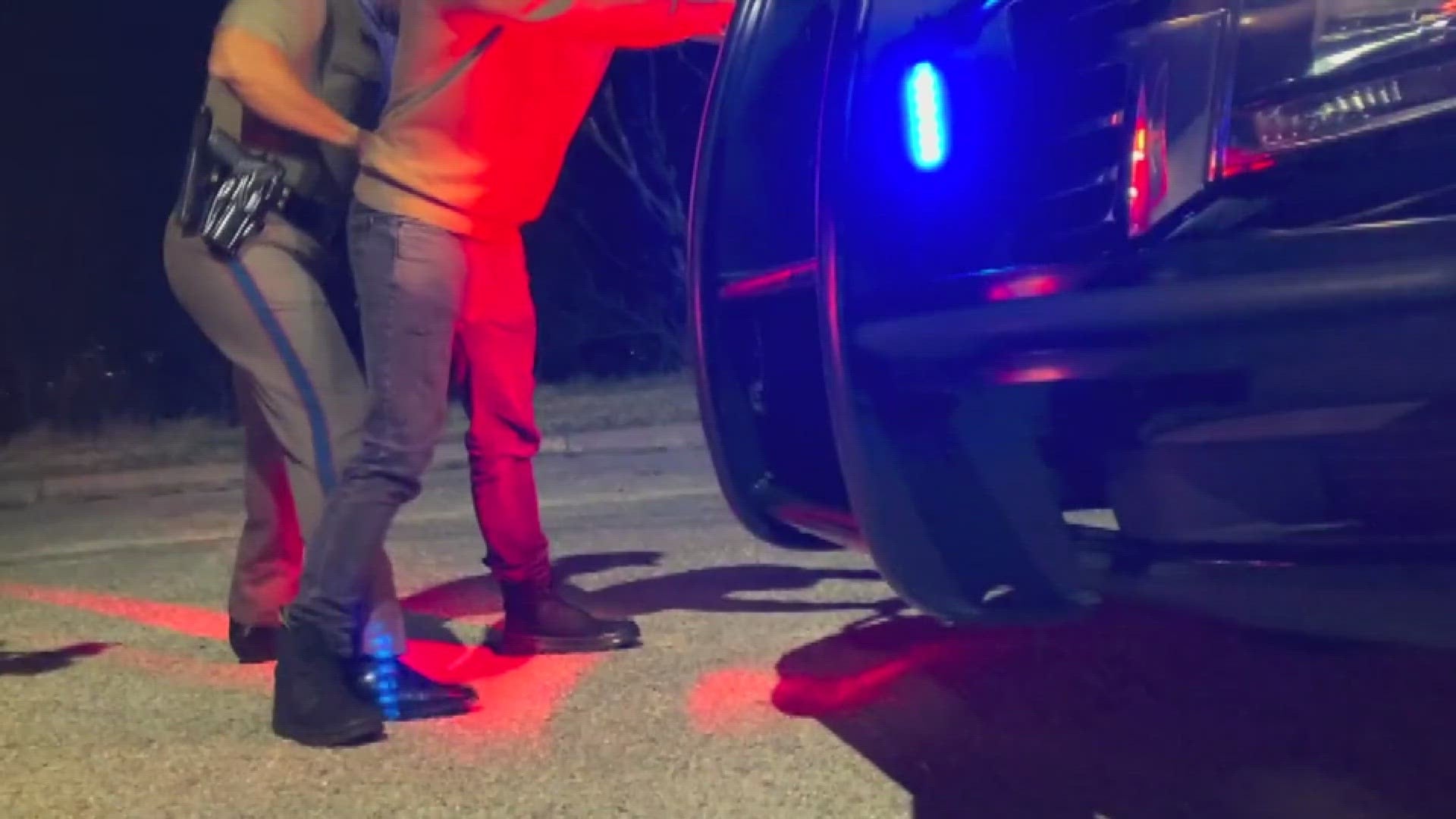
The new Texas law states that if a drunk driver causes the death of a child’s parent or guardian, they will be required to pay child support until the child reaches the age of 18 or graduates from high school, whichever comes later. The amount of child support is determined by a court and is based on the needs of the child, ensuring that the surviving children do not suffer financially as a result of the tragedy.
One key provision of the law is that the child support payments are directly tied to the criminal conviction of the drunk driver. If the driver is found guilty of causing the fatality through drunk driving, they will automatically be obligated to make these payments. This provision aims to ensure that the victims’ families do not have to go through a lengthy civil suit to seek financial support for the children. Instead, the law provides a streamlined process to secure financial assistance for children who are left without a parent.
Protecting Children and Families
The motivation behind Texas’ new law is clear: protecting vulnerable children who lose a parent due to the reckless actions of a drunk driver. The legislation was introduced in response to the growing number of drunk driving incidents that result in fatalities, particularly those involving children. In many cases, surviving children are left without financial support when a parent dies, especially if the deceased parent was the primary breadwinner.
Lawmakers argue that it is not enough to simply punish the driver for their actions; there must also be a focus on supporting the surviving family members, particularly the children who are most affected. By holding drunk drivers financially responsible for the well-being of the children they harm, the law aims to provide some semblance of justice and security for families dealing with the loss of a loved one.
How Child Support Will Be Determined
Under the new law, the amount of child support that a drunk driver must pay is determined by a judge based on the child’s needs. The court takes into account factors such as the child’s age, the financial circumstances of the surviving family members, and the amount of support that would have been provided by the deceased parent.
In some cases, the court may order the drunk driver to pay a lump sum to cover immediate expenses or set up a payment plan for ongoing support. The child support obligation remains in place until the child reaches the age of 18 or graduates from high school, whichever comes later. This ensures that the child receives financial support throughout their formative years, even if the surviving family members are unable to provide for them fully.
Criticism and Debate
While many have praised the law as a necessary step toward ensuring justice for children who lose a parent to drunk driving, others have raised concerns about its fairness and potential consequences. Some critics argue that the law places too much responsibility on drunk drivers and may not always take into account the financial capabilities of the offenders. In some cases, the driver may already be facing significant penalties, including prison time, and may not have the means to pay child support, potentially leading to further financial hardship.
Others argue that the law may have unintended consequences, such as encouraging drunk drivers to flee the scene of accidents or to avoid being caught at all. If the penalties for causing a fatality through drunk driving include such significant financial obligations, there is a risk that offenders may try to avoid being convicted in order to escape the child support requirement. While this may not be the case for all drunk drivers, it is a potential concern that lawmakers will need to address as the law is implemented.
Advocates for Victims’ Families

Despite the criticisms, many people support the new law, particularly victim advocacy groups and families who have been affected by drunk driving. Organizations that work to prevent drunk driving and support families of victims have hailed the law as a significant step forward in providing justice for the children of victims. They argue that the law not only serves as a deterrent for drunk drivers but also ensures that families are financially supported when a parent is killed by a drunk driver.
For victims’ families, the new law offers a sense of justice and relief. Losing a parent is an unimaginable tragedy, and knowing that the person responsible for that loss will be held financially accountable can help provide a sense of closure. The law also ensures that children have access to the financial support they need to thrive, despite the loss of a parent.
Changing the Way Drunk Drivers Are Held Accountable
Texas’ new law is groundbreaking in that it shifts the focus from purely punitive measures to also addressing the long-term needs of the victims’ families. By imposing child support obligations on drunk drivers, the law acknowledges the profound impact that their actions have on the surviving children. It sets a precedent for other states to consider similar measures, potentially changing the way that drunk driving laws are enforced across the country.
If the law proves successful in providing support for victims’ families and discouraging drunk driving, other states may follow suit and implement similar legislation. This could have a ripple effect, creating a national movement to ensure that drunk drivers who cause fatalities are held financially accountable for the children they harm.
A Landmark Law for Victims of Drunk Driving
Texas’ new law requiring drunk drivers to pay child support if they cause the death of a parent is a landmark moment in the fight for justice for victims of drunk driving. It provides a new way to ensure that children who lose a parent due to this reckless behavior are financially supported, giving them a chance to thrive despite their tragic loss.
While the law is not without its criticisms, it represents a significant step forward in protecting families and holding drunk drivers accountable. As Texas moves forward with the implementation of this law, it will be interesting to see how it impacts the state’s approach to drunk driving and whether other states will adopt similar measures in the future.