
Table of Contents
- Deadly Shooting Reported At Texas Residence
- Investigators Say The Victim Forced His Way Inside
- Homeowner Claims Responsibility For Fatal Shot
- Why Police Pursued A Murder Charge
- Arrest Made Following Investigation
- The Legal Debate Over Self Defense
- Community Reaction Continues To Grow
- What Prosecutors Must Prove
- A Case That Highlights Complex Questions
- What Happens Next
Deadly Shooting Reported At Texas Residence
According to authorities, the incident occurred Friday night in Big Spring, Texas. Officers from the Big Spring Police Department responded to reports of a shooting at a residence in the city.
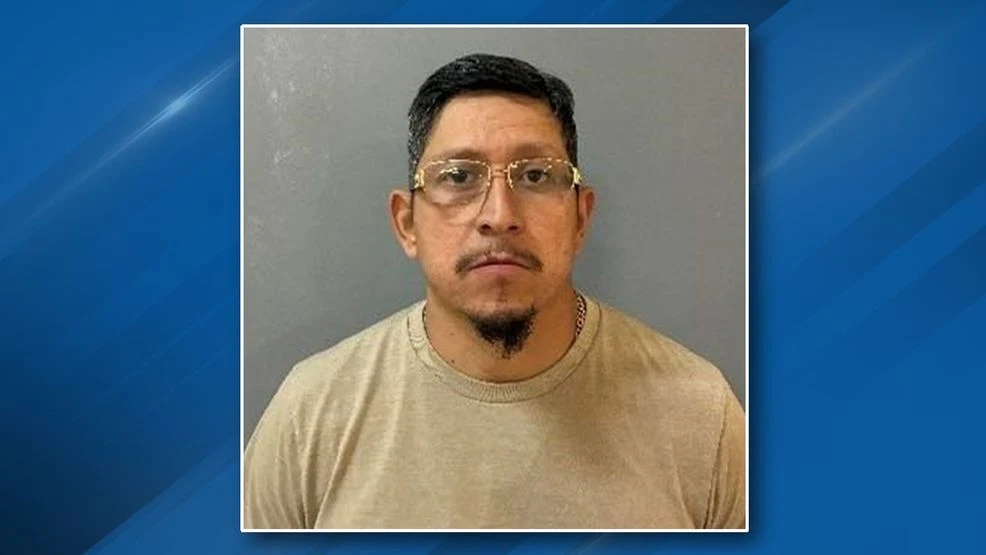
When police arrived at the scene, they encountered 43 year old Joel Adrian Florez and a 40 year old woman outside the home. During their initial contact with officers, Florez reportedly informed investigators that a shooting victim was located inside the residence.
Officers entered the home and discovered the victim, later identified as 36 year old Phillip Samuel Lozano. Emergency responders determined that Lozano had suffered fatal gunshot wounds and was pronounced dead at the scene.
What began as a shooting investigation soon developed into a much larger legal matter as detectives worked to reconstruct the events that occurred before the gunfire erupted.
Investigators Say The Victim Forced His Way Inside
As detectives interviewed witnesses and examined evidence, they developed a timeline of the events leading up to the shooting.
According to police, Lozano was armed when he allegedly forced entry into the residence. Authorities stated that evidence collected during the investigation indicated the victim entered the home without permission.
The allegation that Lozano forcibly entered the property immediately drew attention because Texas is widely known for laws that allow individuals to protect themselves inside their homes under certain circumstances.
Many observers assumed that the homeowner would be protected under self defense statutes if an armed intruder had indeed entered the residence unlawfully. However, investigators ultimately reached a different conclusion regarding potential criminal liability.
The exact circumstances that unfolded once Lozano entered the home have not been fully disclosed by authorities. Police have not publicly released all investigative findings, witness statements, or forensic evidence gathered during the case.
As a result, questions remain about what occurred during the moments leading up to the fatal confrontation.
Homeowner Claims Responsibility For Fatal Shot
Police say Florez acknowledged shooting Lozano.
The admission itself was not necessarily unusual given the circumstances. In many self defense cases, homeowners readily admit to firing a weapon when they believe their actions were justified and necessary to protect themselves or others.
The key issue for investigators often becomes whether the use of deadly force met the legal standards established under state law.
In this case, detectives carefully examined physical evidence, witness accounts, and other investigative findings before making their determination.
The investigation focused not only on whether Lozano entered the residence unlawfully but also on what happened after he entered and whether the shooting was legally justified under Texas law.
Those details remain central to understanding why prosecutors moved forward with criminal charges.
Why Police Pursued A Murder Charge
One of the most significant developments in the case came when authorities announced that they had established probable cause to charge Florez with murder.
Probable cause is a legal standard used by investigators and courts to determine whether sufficient evidence exists to support a criminal charge. It does not mean a person is guilty, nor does it guarantee a conviction.
Instead, it indicates that investigators believe enough evidence exists to proceed with prosecution and allow the judicial process to evaluate the facts.
Police have not publicly disclosed every factor that contributed to their decision. However, officials stated that the investigation led detectives to conclude there was probable cause supporting a murder allegation.
That determination resulted in investigators obtaining an arrest warrant for Florez.
The announcement surprised many community members who had expected the case to be classified as a self defense incident based on the initial information released.
As often happens in high profile criminal investigations, details available to law enforcement may differ significantly from what becomes publicly known during the early stages of a case.
Arrest Made Following Investigation
Following the issuance of the warrant, authorities arrested Florez on Saturday.
He was subsequently booked into the Howard County Detention Center, where he faces a murder charge while awaiting further court proceedings.
The arrest marked a major turning point in the investigation.
What initially appeared to be a homeowner confronting an armed intruder evolved into a homicide case that could potentially result in severe legal consequences if prosecutors ultimately secure a conviction.
At this stage, the charge represents an allegation rather than a finding of guilt. Under the American legal system, defendants are presumed innocent until proven guilty in court.
Future hearings, evidence presentations, and possible trial proceedings will determine whether prosecutors can prove the allegations beyond a reasonable doubt.
The Legal Debate Over Self Defense
The case has reignited discussion about self defense laws and how they are applied.
Texas is frequently associated with strong protections for individuals defending themselves in their homes. Many people are familiar with concepts such as the Castle Doctrine, which generally recognizes a person’s right to defend their residence against unlawful intruders.
However, self defense protections are not unlimited.
Even in states with robust self defense laws, investigators must still determine whether deadly force was reasonable and legally justified under the specific facts of each case.
Small details can dramatically alter how a case is viewed by law enforcement, prosecutors, judges, and juries.
Factors such as the timing of events, witness testimony, physical evidence, perceived threats, and actions taken by all parties involved may influence whether a shooting is considered lawful self defense or a criminal act.
Because authorities have not publicly disclosed all investigative findings, many observers remain uncertain about what evidence led to the murder charge.
Community Reaction Continues To Grow
News of the arrest quickly spread throughout Texas and beyond.
Many social media users questioned why a homeowner would face a murder charge if an armed individual had forced entry into the residence.
Others cautioned against reaching conclusions before additional facts become available.
Legal experts frequently note that early reports in criminal cases often provide only a partial picture of what investigators know. Information released during court proceedings can sometimes reveal evidence that significantly changes public perception of an incident.
As a result, some observers have urged patience while the judicial process unfolds.
The case has become a focal point for broader conversations about public safety, gun ownership, self defense rights, and the responsibilities that accompany the use of deadly force.
What Prosecutors Must Prove

Moving forward, prosecutors will face the task of presenting evidence supporting the murder charge.
To secure a conviction, they must convince a jury that the elements of the offense have been proven beyond a reasonable doubt.
Defense attorneys, meanwhile, may argue that Florez acted lawfully in response to an armed intruder entering the home.
The outcome could depend on a wide range of evidence, including forensic findings, witness testimony, communications records, scene reconstruction, and expert analysis.
Criminal trials often involve competing interpretations of the same events. Jurors are ultimately responsible for evaluating credibility, weighing evidence, and determining whether the prosecution has met its burden.
At this stage, many critical details remain unknown to the public.
A Case That Highlights Complex Questions
Cases involving homeowners and intruders often generate strong emotional reactions.
Many people instinctively sympathize with individuals forced to confront dangerous situations inside their homes. At the same time, the legal system requires investigators to examine each case carefully and objectively.
The distinction between justified self defense and criminal conduct can sometimes hinge on facts that are not immediately obvious.
That reality makes investigations like this especially challenging for law enforcement agencies, prosecutors, defense attorneys, and jurors.
The Big Spring case demonstrates how quickly a seemingly straightforward incident can evolve into a complicated legal battle with significant consequences for everyone involved.
What Happens Next
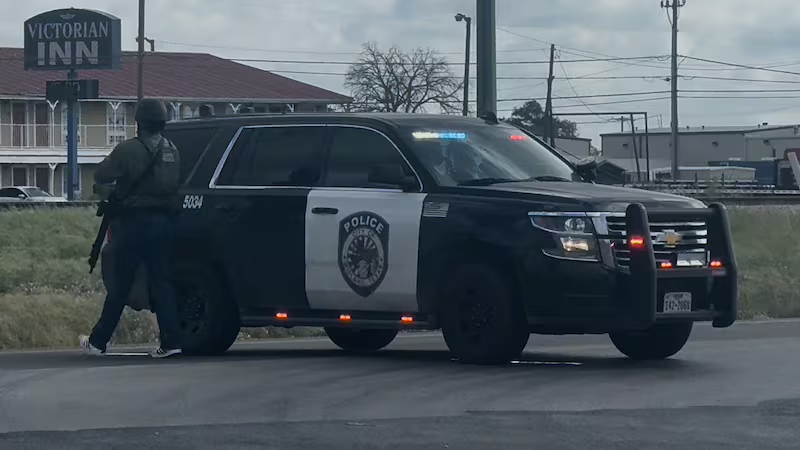
As court proceedings move forward, additional details are expected to emerge regarding the evidence collected by investigators and the circumstances surrounding the fatal shooting.
Future hearings may provide greater insight into why authorities concluded that criminal charges were warranted despite allegations that the victim forced his way into the residence while armed.
For now, the case remains active, and many questions remain unanswered.
What is already clear, however, is that the incident has become a powerful reminder of the complexities surrounding self defense laws and the legal scrutiny that can follow any use of deadly force.
As the judicial process continues, the outcome could influence public discussion about homeowners’ rights, criminal accountability, and how self defense claims are evaluated when tragedy strikes inside the place people expect to feel safest: their own homes.