

Table of Contents
- The River That Almost Died
- Why the Dams Were Controversial
- A $450 Million Investment in Nature
- Salmon: The Underdogs of the River
- The Environmental Ripple Effect
- Tribal Communities and Cultural Revival
- The Challenge of Removing Massive Dams
- Economic and Tourism Opportunities
- The Climate Connection
- Lessons for Homeowners and Communities
- Looking Ahead: What the Future Holds
The River That Almost Died
For decades, the Klamath River was a lifeline—and a battleground. Stretching over 250 miles across Oregon and California, its waters were home to one of the West Coast’s most significant salmon runs. But dams built in the early 20th century changed everything.
Salmon migration was blocked, ecosystems collapsed, and communities downstream suffered. Now, nearly a century later, history is turning a page: the removal of the Klamath dams promises to breathe life back into this vital river.
Imagine standing on the riverbank, hearing the rush of water return after decades of blockage. What would it feel like to witness nature reclaim its course?
Why the Dams Were Controversial
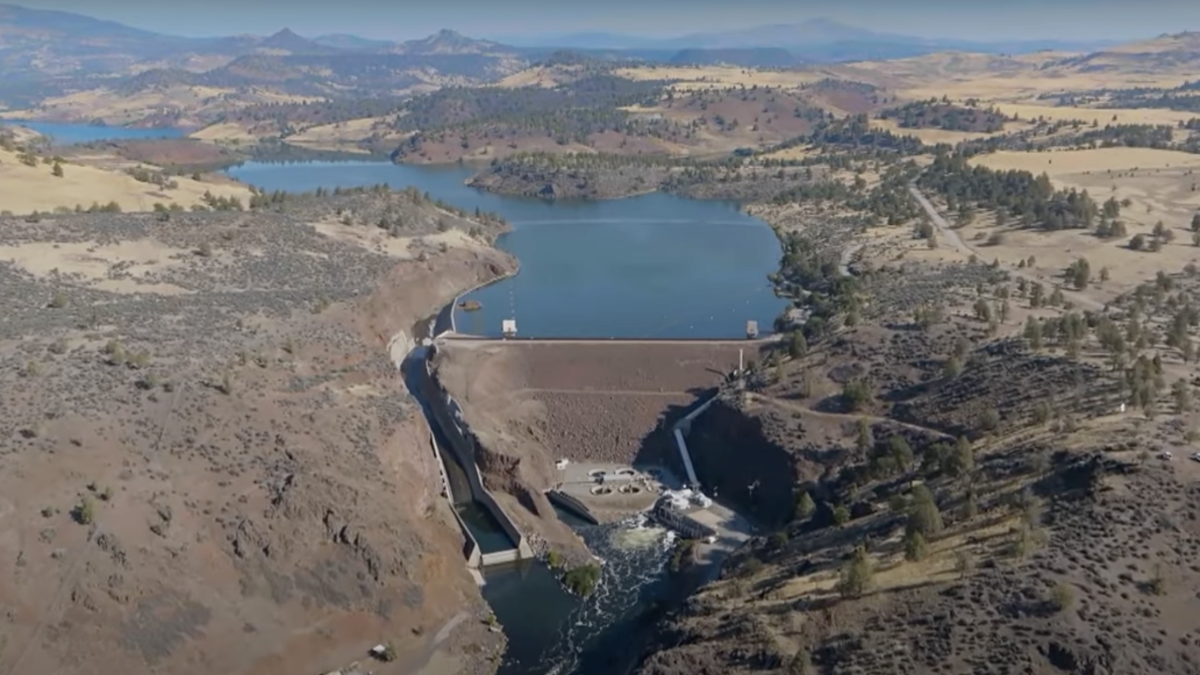
The Klamath dams—Iron Gate, Copco 1 and 2, and J.C. Boyle—were originally built to provide hydroelectric power and irrigation. They fueled local agriculture, offered recreational lakes, and supported energy needs.
But at what cost? Salmon populations plummeted, riverbanks eroded, and water quality declined. For Native American tribes, whose culture and diet relied on salmon, the dams represented more than an environmental issue—they were a threat to heritage and survival.
This project isn’t just about removing concrete; it’s about restoring centuries-old traditions. Could this bold step be a blueprint for other rivers in the U.S.?
A $450 Million Investment in Nature

The removal of the Klamath dams is estimated to cost around $450 million. That’s a massive investment—but proponents argue the benefits far outweigh the costs.
Economists highlight long-term savings: healthier fisheries, increased tourism, and reduced maintenance costs for aging dams. Homeowners near the river may see rising property values as the river ecosystem revives, while travel operators anticipate eco-tourism opportunities.
Think about it: nature’s restoration becoming a financial investment. Could investing in the environment become as profitable as traditional real estate or home improvement projects?
Salmon: The Underdogs of the River
Salmon aren’t just fish—they’re indicators of river health. Healthy salmon populations support predators, local fisheries, and human communities. Without them, ecosystems unravel.
Dam removal allows salmon to return upstream to spawn, potentially boosting numbers by millions. Scientists are cautiously optimistic. Early studies from other dam removal projects suggest rivers can recover surprisingly quickly, sometimes in just a few years.
If you were a salmon, what would it feel like to navigate a river suddenly free from barriers that blocked generations of your ancestors?
The Environmental Ripple Effect
The Klamath isn’t isolated. Its waters feed into wetlands, lakes, and tributaries that support birds, mammals, and insects. Dam removal will restore sediment flow, improving soil fertility downstream and helping vegetation flourish.
For travelers, this could mean new wildlife hotspots for eco-tourism, from birdwatching to kayaking adventures. Homeowners along restored riverbanks may enjoy improved flood control and natural water filtration.
The environment and human economy are intertwined. Could this river restoration become a model for balancing ecological health and human needs nationwide?
Tribal Communities and Cultural Revival

Native American tribes such as the Yurok and Karuk have advocated for dam removal for decades. Salmon are central to their culture, not just their diet. Ceremonies, art, and traditions all hinge on the river’s health.
Dam removal represents a form of cultural restitution. Seeing salmon return after decades is a spiritual moment for tribal communities—a revival of identity and heritage.
Would you fight for a river if it meant reclaiming not just nature, but centuries of cultural history?
The Challenge of Removing Massive Dams
Removing a dam is far more complicated than knocking down a wall. Engineers must manage sediment, prevent flooding, and maintain water quality for downstream communities. The Iron Gate and Copco dams alone hold millions of tons of sediment that can smother habitats if released too quickly.
Careful planning ensures that ecosystems are protected while the river regains its natural flow. It’s a delicate balance: remove too fast, and disaster could strike; too slow, and costs escalate.
Home improvement enthusiasts might see parallels here: undoing a poorly built structure isn’t simple, but done correctly, it transforms your space for the better. Could river restoration teach us lessons for sustainable construction and urban planning?
Economic and Tourism Opportunities
The restored Klamath River opens doors for tourism. Salmon runs attract anglers, hikers, and wildlife photographers. Lodges and eco-tour operators anticipate a surge in interest, potentially boosting local economies.
Travelers seeking unique experiences will find the Klamath River irresistible: guided river tours, sustainable fishing, and kayaking through a reborn ecosystem. Meanwhile, investors see potential in eco-lodges, camping sites, and local culinary experiences centered on sustainable seafood.
What if your next vacation not only entertained you but also contributed to the survival of an iconic river?
The Climate Connection
Dams affect more than fish—they alter water temperature, oxygen levels, and greenhouse gas emissions. A free-flowing Klamath River could help sequester carbon in restored wetlands and floodplains.
As climate change intensifies, river restoration becomes a tool for adaptation. Healthy rivers can buffer against floods, droughts, and heatwaves. In other words, environmental investment pays dividends for human health, property protection, and even energy efficiency.
Could your home landscaping or backyard garden play a small part in a global climate solution, just like restoring a river?
Lessons for Homeowners and Communities
While you may not be removing a dam, the Klamath story holds lessons for sustainable living. Managing runoff, planting native vegetation, and reducing chemical use all help downstream ecosystems. Community-level actions can mirror these large-scale interventions.
Whether it’s your backyard, local streams, or city parks, human decisions ripple across environments. The Klamath shows us that careful planning, respect for nature, and investment in restoration pay off in tangible ways.
Would you take small steps at home if they contributed to the health of faraway rivers and communities?
Looking Ahead: What the Future Holds
The Klamath dam removal is slated to begin soon, but its impact will unfold over decades. Salmon populations, ecosystem health, and local economies will tell the story. Scientists will track progress, but so will tourists, homeowners, and tribal communities.
This river project is more than environmentalism—it’s a social, cultural, and economic experiment. Success could inspire similar efforts worldwide, proving that humans and nature can coexist sustainably.
The question remains: will we seize the opportunity to learn from the Klamath, or let another river fade under human neglect?