

Table of Contents
A Major Step Forward for Transgender Rights

Historically, being transgender was classified as a “gender identity disorder” by the WHO, which placed it under the category of mental disorders in the ICD. This label contributed to widespread misconceptions about transgender people and reinforced harmful stereotypes. It was also used as a basis for discrimination and exclusion from vital medical care and societal acceptance.
However, in its newly revised ICD-11, the WHO has reframed this diagnosis as “gender incongruence” and has moved it out of the mental health category, placing it instead under a chapter on sexual health. This shift acknowledges that being transgender is not a mental illness but rather a part of human diversity. Activists, health experts, and LGBTQ+ advocates have praised this decision as a crucial step towards greater inclusivity and acceptance.
Gender Incongruence: A New Understanding

The updated ICD-11 introduces the term “gender incongruence” to replace “gender identity disorder.” This term recognizes that a mismatch between one’s gender identity and assigned sex at birth is not a mental disorder. Instead, it emphasizes the experience of incongruence, which can cause distress for some individuals. However, the key difference is that gender incongruence is no longer pathologized as a disorder. This shift aligns with growing global recognition that gender identity is a deeply personal and individual experience, rather than a mental health condition.
The WHO’s decision to make this change was not taken lightly. It involved input from medical professionals, researchers, and LGBTQ+ advocacy groups. By redefining the language used in the ICD, the WHO aims to reduce stigma and improve the quality of care for transgender people worldwide. This move is expected to have a profound impact, particularly in countries where transgender individuals are still required to undergo psychiatric evaluations to receive medical care or legal recognition.
The Global Impact: Challenges and Progress

The implications of this change go far beyond medical terminology. In many countries, transgender people have been subjected to legal and medical frameworks based on the outdated ICD classifications. For example, in Japan, individuals seeking gender transition were previously required to be diagnosed with “gender identity disorder” and often faced mandatory sterilization. With the updated ICD-11, such practices may begin to shift, as member states are now obligated to incorporate the new guidelines into their national health systems.
However, the process of implementing the new ICD-11 will not be immediate. The WHO’s 194 member states are tasked with incorporating the revised classification into their national health systems, with a target deadline of January 1, 2022. In some countries, this may involve a lengthy process of policy changes, legal reforms, and adjustments to healthcare services.
While this is a significant step forward, activists are clear that much work remains to be done. GATE, an organization advocating for gender identity and bodily diversity, continues to push for further improvements in healthcare access for transgender people worldwide. They emphasize the importance of ensuring that transgender individuals have access to comprehensive, non-discriminatory healthcare that meets their needs and respects their identity.
The Stigma of Being Diagnosed with a Mental Disorder

The decision to reframe “gender identity disorder” as “gender incongruence” is particularly important because it challenges the harmful stigma that has long been attached to being transgender. For decades, being transgender was framed as a mental disorder, leading to discrimination, exclusion, and a lack of support for those who did not conform to societal expectations of gender.
Research from Human Rights Watch highlights how this classification has had a detrimental impact on transgender people, particularly in countries where legal recognition of gender identity is tied to psychiatric diagnoses. In Japan, for example, many transgender individuals have reported reluctance to undergo legal gender recognition because it requires them to first see a psychiatrist and be diagnosed with a mental disorder. This process, based on the outdated ICD classification, has discouraged many from pursuing necessary medical treatment or seeking legal recognition of their gender identity.
The WHO’s move to remove “gender identity disorder” from the mental health category is expected to alleviate some of the stigma that transgender people face. By removing this classification, the WHO is sending a clear message that being transgender is not a mental illness, but a natural variation of human identity. This shift has the potential to reduce the discrimination transgender individuals face in medical settings, legal systems, and society at large.
Moving Forward: Legal and Healthcare Reforms
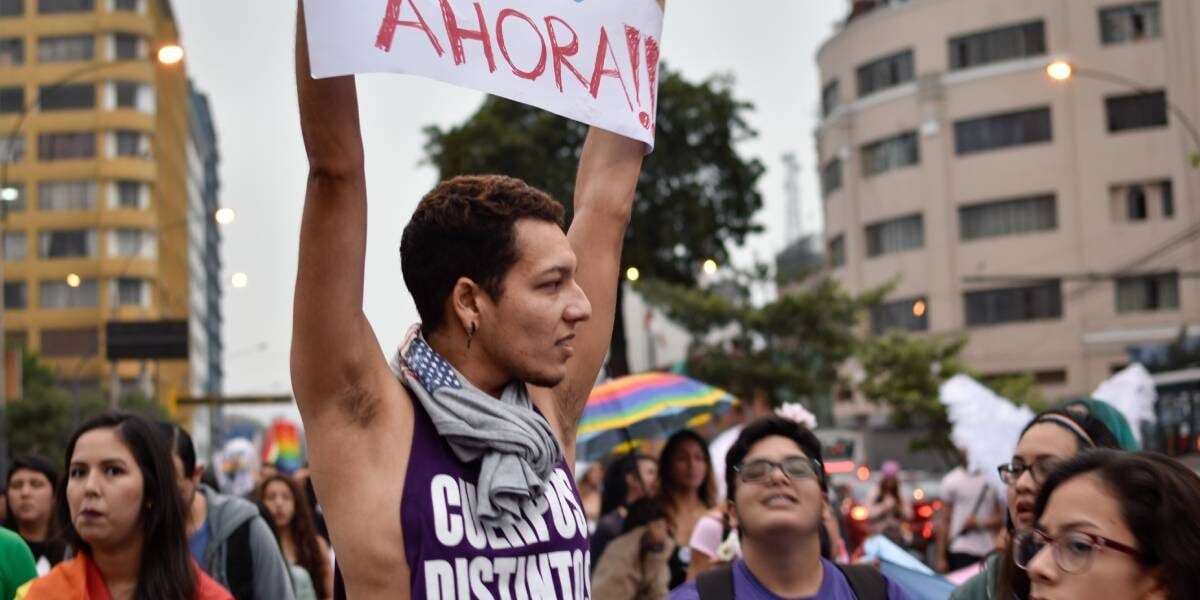
Although the WHO’s decision is a crucial step, much work remains to be done to ensure that transgender people receive the care and recognition they deserve. In many countries, laws and policies still reflect outdated views about gender identity, and transgender individuals continue to face significant barriers to accessing healthcare and legal recognition.
In the United States, for example, recent policy changes under the Trump administration have rolled back protections for transgender individuals, including access to healthcare and anti-discrimination protections. These setbacks highlight the ongoing challenges faced by transgender people, even in the wake of positive changes at the international level. Advocacy groups continue to fight for comprehensive legal protections and healthcare access for transgender individuals, with a particular focus on ensuring that transgender people are not denied essential care based on their gender identity.
At the same time, the implementation of ICD-11 offers hope for global progress. As member states adopt the new guidelines, activists are working to ensure that the reforms translate into real-world change. This includes advocating for the removal of sterilization requirements, improving access to gender-affirming care, and providing education and training to healthcare providers to reduce bias and ensure that transgender people receive respectful and affirming care.
A Step Towards Equality
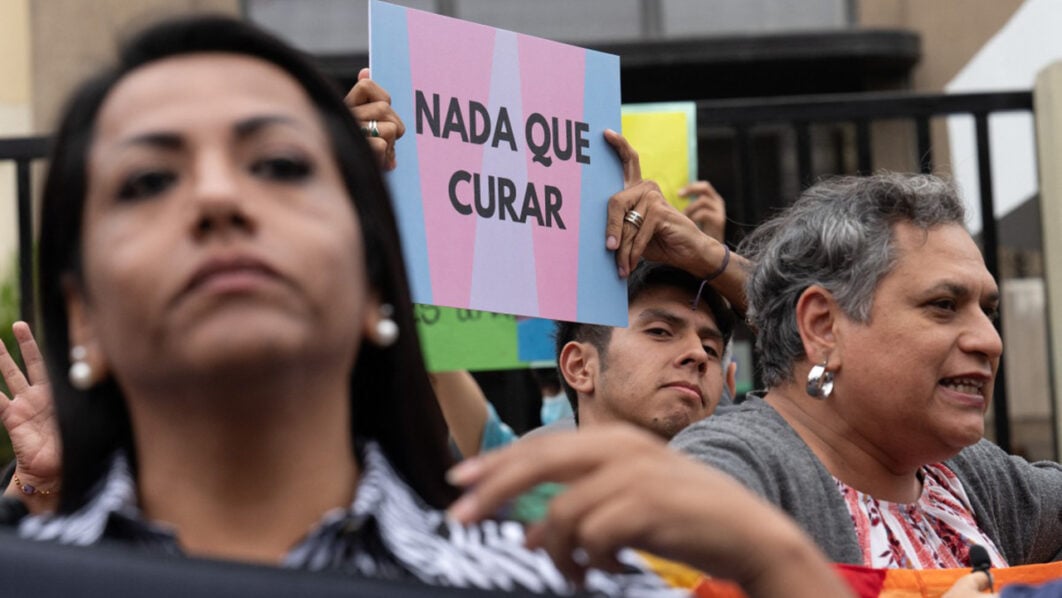
The decision to declassify transgender identity as a mental disorder marks a milestone in the fight for transgender rights and equality. It represents a shift in how society understands and approaches gender identity, acknowledging the diverse experiences of transgender people and affirming their right to live as their authentic selves. While this change is significant, it is just one piece of a larger puzzle. Transgender individuals still face numerous challenges, including legal barriers, healthcare inequities, and social stigma.
As countries begin to implement the new ICD-11 guidelines, it is crucial to ensure that transgender people have access to the resources and support they need. The WHO’s decision is a step towards creating a more inclusive and equitable world for transgender individuals, but it will take continued advocacy, legal reforms, and societal acceptance to ensure that transgender people can live freely and without discrimination.
A New Era for Transgender Rights

The World Health Organization’s decision to remove “gender identity disorder” from the mental health category and replace it with “gender incongruence” is a groundbreaking moment for transgender rights. By reframing transgender identity in a way that removes the pathologizing language, the WHO has set the stage for greater acceptance and understanding. However, this is just the beginning. Transgender individuals still face significant challenges, and it will take concerted efforts from governments, healthcare systems, and advocacy groups to ensure that transgender people are treated with dignity and respect. As the world moves forward with these changes, it’s important to remember that the fight for transgender rights is ongoing, and the WHO’s decision is just one step towards a more inclusive future.