
Table of Contents
- A Law That Changed the Terms of the Debate
- Why Safety Became the Central Argument
- The Pace of Transfers Revealed Institutional Friction
- Fear, Resistance, and Familiar Myths
- Not Every Response Was Hostile
- A Broader Legal and Federal Context
- California’s Longer Record on Trans Rights in Prison
- The Social Reality Beyond Prison Walls
- What This Policy Means Going Forward
A Law That Changed the Terms of the Debate
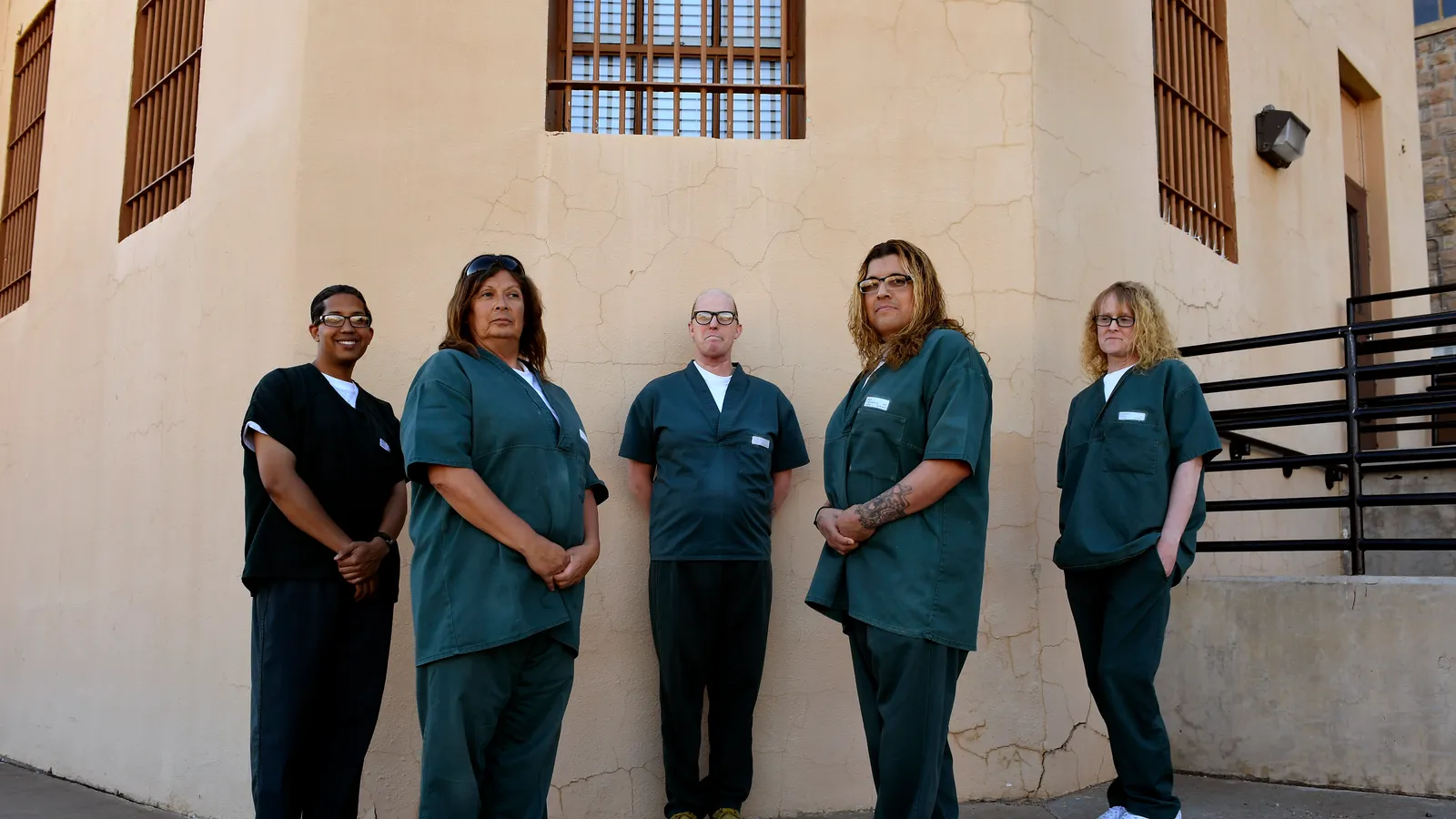
The policy shift drew widespread attention because it moved beyond symbolic recognition and entered the daily reality of incarceration. Under the law, inmates who identify as trans, intersex, or nonbinary can request transfer to facilities that better align with their gender identity. That made California one of the most prominent states to formalize such a right inside its prison system, putting the issue squarely into the national debate over prison reform, LGBTQ rights, and the responsibilities of correctional institutions.
The numbers showed that demand for this option was immediate. According to the article, 261 inmates requested transfers after the law took effect. That figure alone made clear that the law was not addressing a hypothetical need. It was responding to a real population within the prison system, many of whom had likely been waiting for any formal route toward safer placement. The California Department of Corrections and Rehabilitation said that 1,129 inmates, just over 1 percent of the prison population, had identified themselves as trans, intersex, or nonbinary. In a system as large and hierarchical as California’s, that is not a small or invisible group. It is a significant number of people whose safety and treatment have been shaped for years by institutional decisions.
The change also mattered because prison housing is never just about location. It affects every hour of a person’s life. It determines who they sleep near, shower near, line up with, fear, avoid, and depend on. So when a person says they need housing aligned with their gender identity, they are not making a cosmetic request. They are often making a survival request.
Why Safety Became the Central Argument
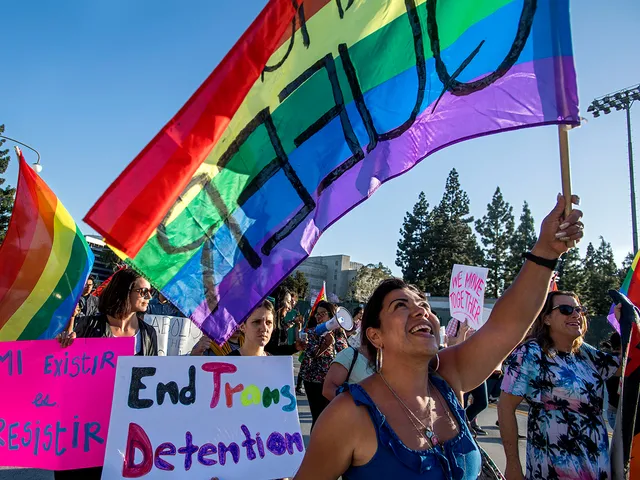
The strongest case for the law came from the documented risks trans inmates face in custody. The article notes that these populations experience higher rates of violence in prison, including sexual assault at a rate many times higher than cisgender inmates. That point goes to the heart of why the policy gained support. Incarceration already places people in environments of intense control and limited escape. For trans inmates, especially those placed in facilities that do not reflect their gender identity, that control can become a constant exposure to predatory behavior, ridicule, and institutional indifference.
Trans women in men’s prisons have historically faced particularly high levels of violence and abuse. That vulnerability is not just interpersonal. It can also be structural. The article points out that discrimination sometimes comes from corrections officers themselves, not only from other inmates. That matters because prison staff are the people responsible for enforcing safety. If the very system charged with protection becomes part of the harm, then the stakes of housing decisions rise even further.
Statements from inmates reflected that reality. One trans woman, Kelly Blackwell, described relief at the possibility of no longer being surrounded by predatory men or staff hostile to trans women. That kind of testimony helps explain why the law resonated emotionally as well as legally. It was not just about rights language. It was about what it feels like to live every day in a place where your identity can place you at higher risk.
The Pace of Transfers Revealed Institutional Friction
Even though the law created a right to request housing changes, implementation was slower than many advocates may have hoped. The article states that only 21 of the 261 housing requests had been approved at that stage, and only 4 inmates had actually been transferred. A prison spokesperson said the process had slowed because of COVID 19 precautions. That explanation reflected the broader reality of how prison reforms often unfold. A law can pass quickly compared with the bureaucracy required to carry it out.
Still, the early numbers revealed an important distinction between policy announcement and institutional change. On paper, California had recognized a right. In practice, every request still had to move through a system known for caution, delay, and administrative complexity. For inmates waiting inside unsafe environments, that difference is enormous. A delayed transfer can mean prolonged exposure to exactly the conditions the law was supposed to address.
At the same time, the article said that no gender based housing requests had been denied so far. That suggested the policy was not being blocked outright, even if it was moving slowly. The tension, then, was not only about whether the system agreed in principle. It was about whether the system could act with the urgency the situation demanded.
Fear, Resistance, and Familiar Myths

No major prison reform arrives without resistance, and California’s law was no exception. The article reports that some inmates and staff expressed fears that cisgender men could misuse the policy to enter women’s facilities and commit violence. That concern has appeared repeatedly in public debates around trans rights, from bathrooms to shelters to prisons. It is also one of the most emotionally charged arguments used against trans inclusive policies.
What makes this especially significant is that these fears often persist even when they are rooted in assumptions rather than evidence. The article directly notes that such claims are grounded in debunked myths that trans people access female spaces in order to prey on cisgender women. In prison settings, where many inmates already carry histories of trauma, those fears can become particularly intense. That does not make them factually accurate, but it does explain why they can shape the atmosphere inside facilities.
A trans man quoted in the article, Mychal Concepcion, described trying to tell other inmates that the transferred individuals were women, only to have their anger redirected at him. That detail captures the emotional complexity of these environments. Prison is already a place shaped by fear, status, trauma, and mistrust. A new housing policy does not enter a neutral setting. It enters a pressure cooker, where old beliefs and raw wounds can quickly collide.
Not Every Response Was Hostile
At the same time, the article makes clear that the reaction inside women’s facilities was not uniformly negative. Some transferred inmates reported being welcomed, even receiving care packages. That detail matters because it complicates the simplistic image of automatic conflict. Prison populations are not monolithic. Some inmates responded with suspicion, but others responded with empathy, solidarity, or simple acceptance.
Michelle Calvin, who had recently transferred from a men’s prison to a women’s prison, acknowledged that there was both acceptance and adversity. Her words were striking for their realism. She did not pretend the transfer erased all tension. Instead, she recognized that acceptance would be uneven. That perspective says something important about reform in general. Policies do not create perfect harmony overnight. They create new conditions in which dignity and conflict can exist side by side while institutions and individuals adjust.
This nuance is one reason the California story attracted so much attention. It was not a clean morality tale. It was a live experiment in how law, identity, safety, and prison culture intersect.
A Broader Legal and Federal Context

California’s law did not emerge in isolation. The article notes that similar laws had recently passed in Connecticut and Massachusetts, suggesting a wider movement toward recognizing the safety needs of incarcerated trans people. It also ties these state laws to the federal Prison Rape Elimination Act, or PREA, which says housing decisions cannot be based solely on genitalia and that an incarcerated person’s views about their own safety must be seriously considered.
That federal context is important because it shows California was not inventing the entire concept from nothing. PREA had already created a framework that pushed prison systems to treat personal safety and identity with more seriousness. It also established protections such as access to separate shower facilities for trans and intersex inmates if requested, support for survivors of abuse, and guidance for conducting searches in less intrusive ways.
In that sense, California’s law can be seen as an extension of a broader legal trend. It took principles that had existed in federal standards and turned them into a clearer state level right. This helps explain why the law carried weight beyond California. It was part of a growing recognition that prison systems cannot simply rely on rigid biological classifications when the consequences of those classifications may be violence.
California’s Longer Record on Trans Rights in Prison
The housing law also fits into a broader pattern of policy shifts in California. The article notes that the state had previously supported incarcerated trans people through other measures, including a 2018 law allowing inmates to petition courts to change their name and gender marker, and a 2015 policy under which the state could provide gender affirming surgery for some inmates. Hormone therapy had also already been available under prior policy.
These details matter because they show the housing law was not a sudden isolated move. It was part of an evolving approach that increasingly recognized trans inmates as people with medical, legal, and personal identities that do not disappear at the prison gate. Yet the article also points out that access to affirming healthcare remained limited. Between January 2015 and February 2021, only 65 out of 205 surgery requests had been approved, and only 9 surgeries had actually been completed.
That gap between formal rights and real access echoes the same tension seen in the transfer process. California may have been moving further than many states, but it was still operating inside a prison system that remains slow, restrictive, and often difficult to navigate. Rights written into policy are significant, but they are not identical to rights fully realized in practice.
The Social Reality Beyond Prison Walls
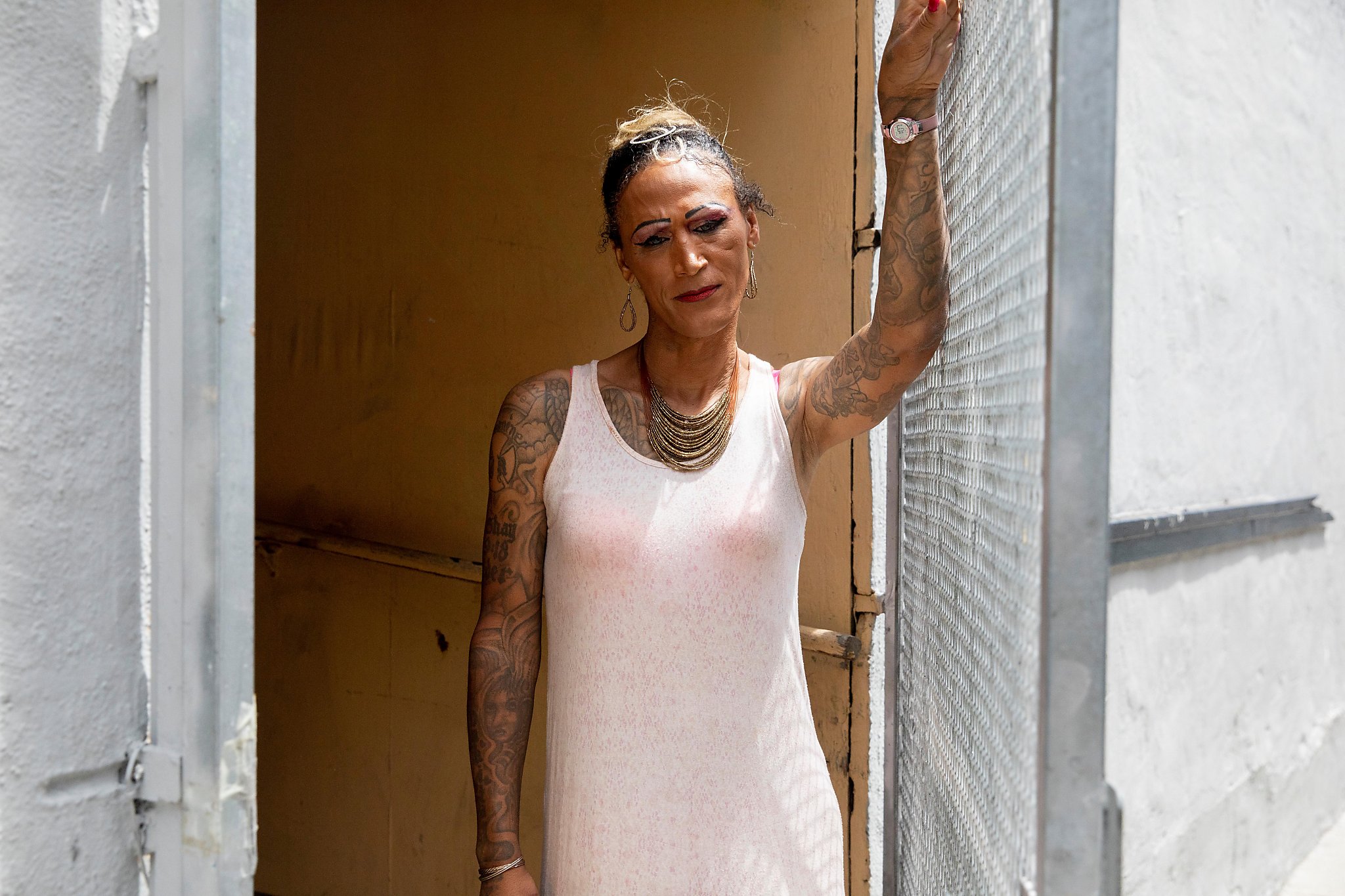
One of the article’s most important themes is that prison vulnerability does not begin at prison intake. It often starts long before. The piece explains that trans women are more vulnerable to arrest and incarceration because of unemployment, poverty, and discriminatory laws. It references the recently repealed Walking While Trans law in New York and notes that California still had similar legislation on the books at the time, even as efforts were underway to repeal it.
This broader context matters because it reframes the issue. The story is not only about what happens to trans people once they are incarcerated. It is also about why trans people, especially trans women of color, are disproportionately exposed to criminalization in the first place. When a prison system creates a new housing protection, it is addressing one layer of harm. But the larger social conditions that push many trans people into contact with the criminal justice system remain deeply unequal.
The article closes that loop by placing the law against a larger backdrop of violence against transgender people, especially trans women. It notes that 2020 had been the deadliest year on record for trans people at that time, with at least half of those killed being Black or Latinx women. That context gives the prison policy a wider moral significance. It was not just an internal correctional issue. It was part of a broader struggle over whether institutions will recognize the humanity and vulnerability of trans lives.
What This Policy Means Going Forward
California’s housing law for trans, intersex, and nonbinary inmates represents a major shift in how the state understands safety inside prison. It acknowledges something prison systems have too often ignored, that equal treatment does not always mean identical treatment, and that refusing to consider gender identity can expose people to predictable harm. For supporters, the law is a practical response to violence and a statement that dignity should not disappear inside incarceration. For critics, it raises concerns about implementation, oversight, and the reactions of other inmates. Both realities now exist inside the same unfolding experiment.
What makes this story so powerful is that it sits at the intersection of reform and reality. California changed the law, but the real test lies in how quickly and fairly the system carries it out. The early transfer numbers showed both promise and delay. The voices of inmates showed both relief and tension. The larger legal framework suggested progress, while the broader social context showed just how much vulnerability still surrounds trans lives long before and long after prison.
In the end, this is not only a story about where inmates are housed. It is a story about what institutions choose to see. For decades, prison systems often treated trans people as administrative problems to be sorted into categories. California’s law suggests a different possibility, that identity, risk, and personal safety deserve more serious attention. Whether that promise becomes lasting protection will depend on more than one statute. It will depend on implementation, political will, and whether prison systems are finally prepared to protect the people they have long placed in harm’s way.