
Table of Contents
- The Invasive African Olive Tree and Its Impact
- Drone Technology: Planting the Future
- Machine Learning and Seed Pod Technology
- Ecological Restoration Beyond Trees
- Improving Biodiversity and Addressing Endangered Ecosystems
- The Role of Technology in Landscape Restoration
- Scaling Up Drone Planting
- A New Era of Ecological Restoration
The Invasive African Olive Tree and Its Impact
The African olive tree, a highly invasive species, has been a persistent problem in the Australian Botanic Garden at Mt Annan. Before restoration efforts began, these trees covered almost 20% of the 416-hectare park. The aggressive spread of the olive tree has not only threatened the native flora but also disrupted local ecosystems, preventing other species from thriving.
John Siemon, the park’s Director of Horticulture, explained that the olive tree’s rapid growth and dense canopy outcompeted native plants for sunlight and resources. By removing 85% of these invasive trees, the park’s conservation team has made significant progress in creating space for native species to flourish once again. However, restoring the land to its natural state requires more than just removal — it necessitates the planting of native trees and plants that can help restore balance to the ecosystem.
Drone Technology: Planting the Future
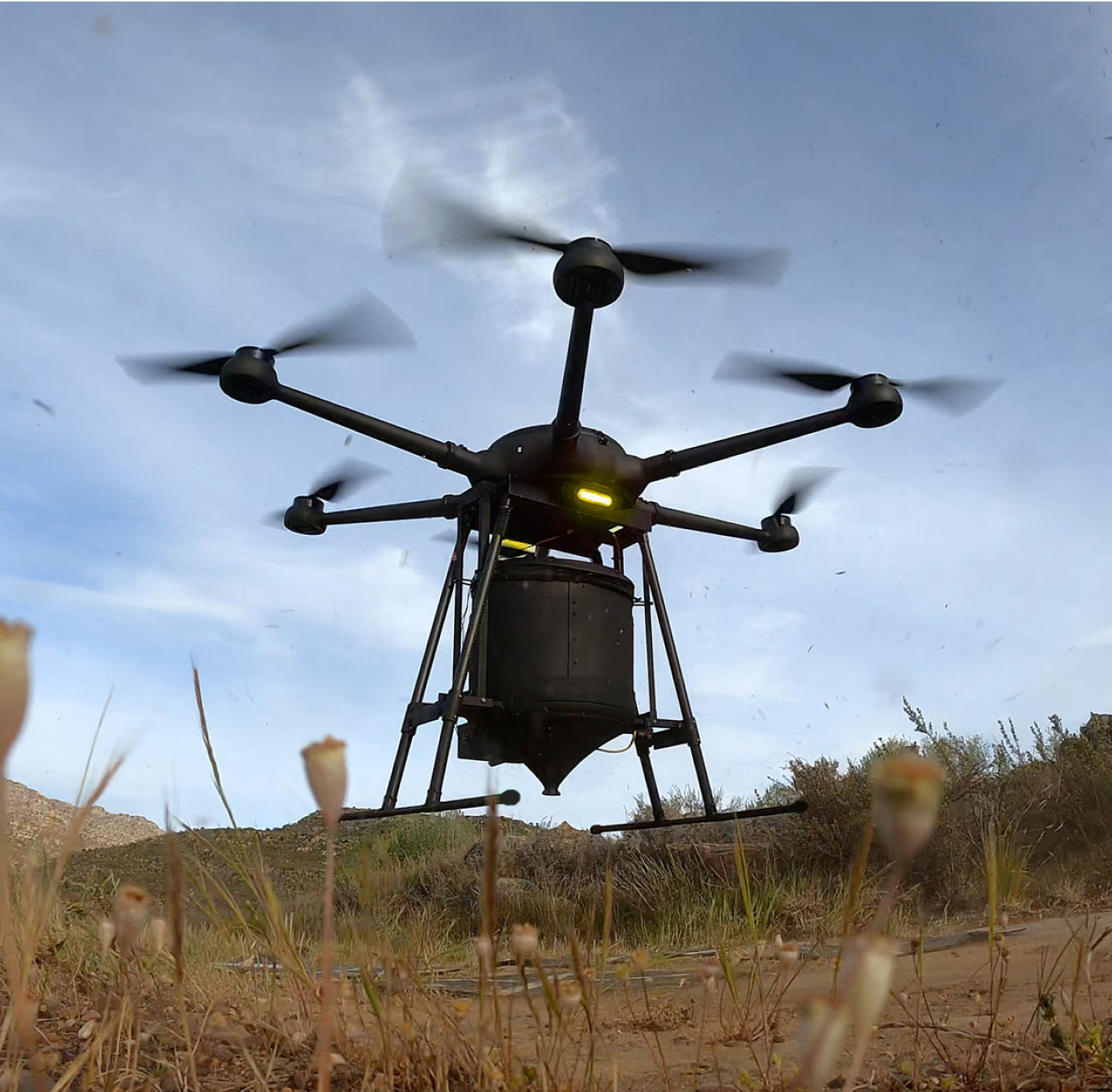
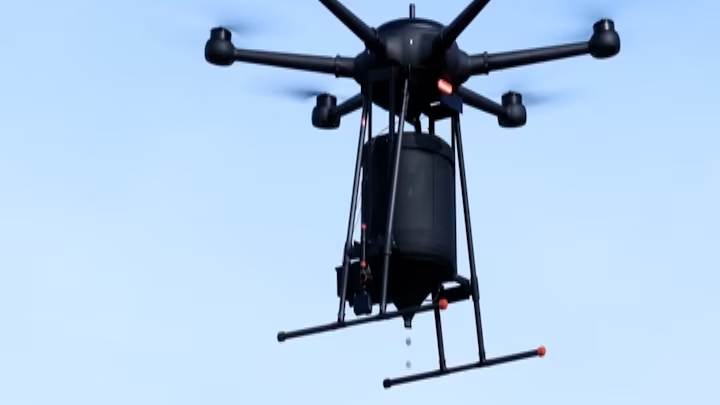
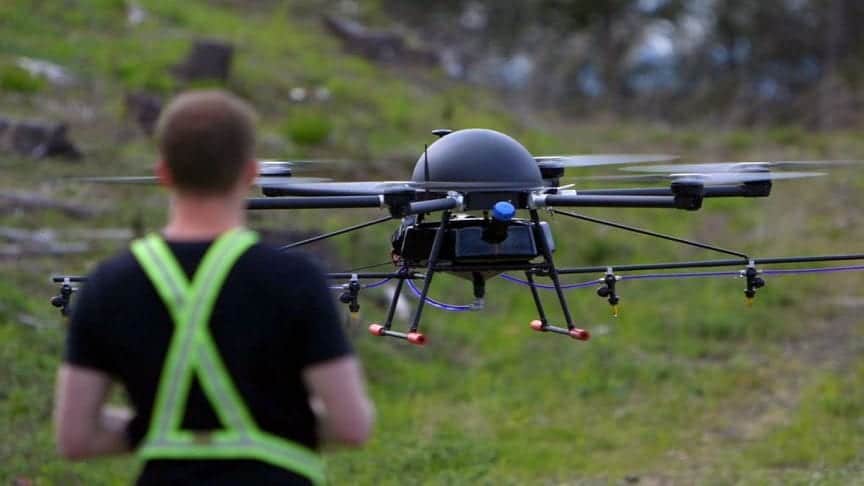
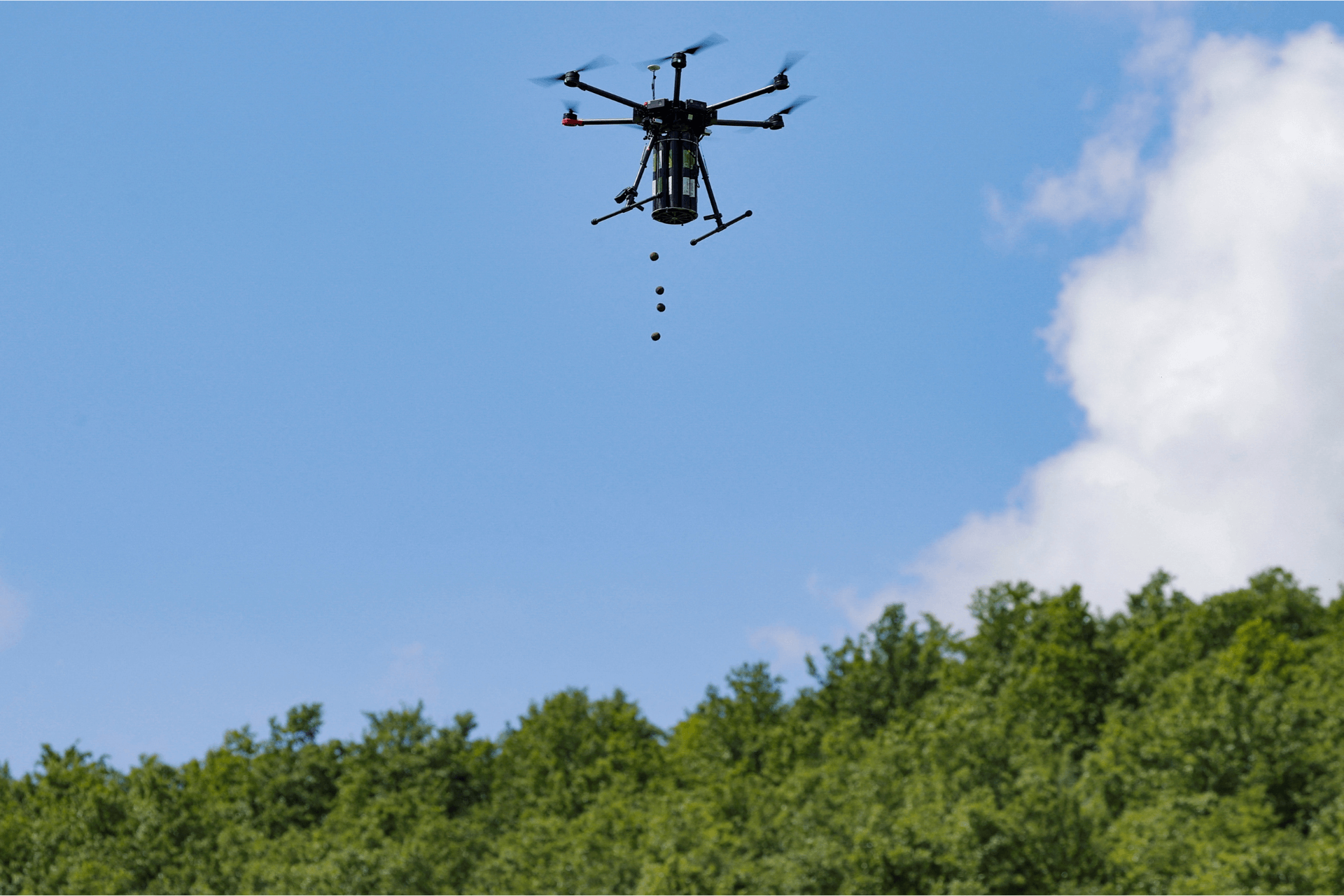
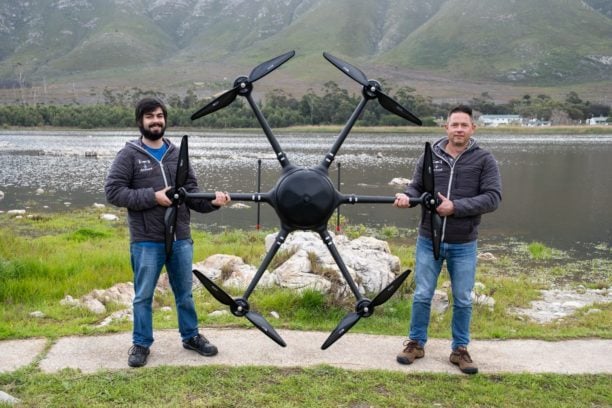
Enter the giant drones — designed by the start-up Air Seed, these 36kg machines are transforming the way reforestation efforts are conducted. With the ability to plant up to 40,000 seeds a day, these drones are 25 times faster and 80% more cost-effective than traditional planting methods. This remarkable feat is made possible through the integration of off-the-shelf technology combined with machine learning capabilities. The drones are not only efficient at planting but are also capable of identifying the most suitable areas for planting, ensuring that seeds are placed in optimal conditions for growth.
Andrew Walker, co-founder of Air Seed, explained that the drones are programmed to identify areas that are unsuitable for planting, such as fallen trees, rocks, and gravel. A smaller “sentry drone” first scans the landscape, taking high-resolution photographs and gathering data to map out the most effective planting paths. This data is then used to create an optimal flight plan for the planting drones, ensuring that seeds are placed in areas with the highest potential for germination and growth.
Machine Learning and Seed Pod Technology
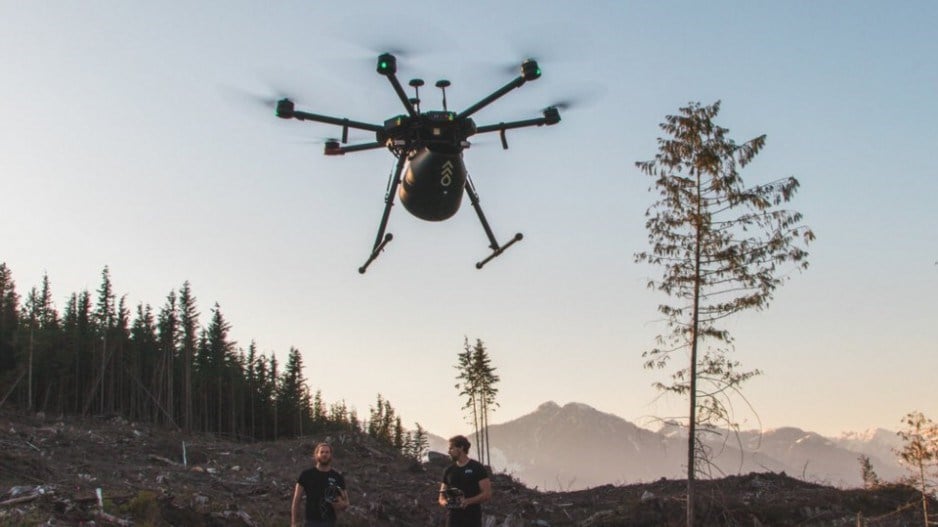
The drones’ ability to plant effectively goes beyond just their flight capabilities. Air Seed has developed a patented seed pod biotechnology that encases seeds in organic matter, increasing the chances of successful germination. This technology is particularly useful in areas where traditional planting methods have struggled to succeed. By encapsulating the seeds in a protective pod, the company has created a more robust method of planting that gives seeds the best chance to grow in harsh environmental conditions.
In addition to improving the planting process, Air Seed’s use of machine learning allows the drones to learn and adapt to different landscapes, ensuring that each flight is more efficient and effective than the last. This combination of advanced technology and biological innovation makes these drones a powerful tool in land restoration projects.
Ecological Restoration Beyond Trees
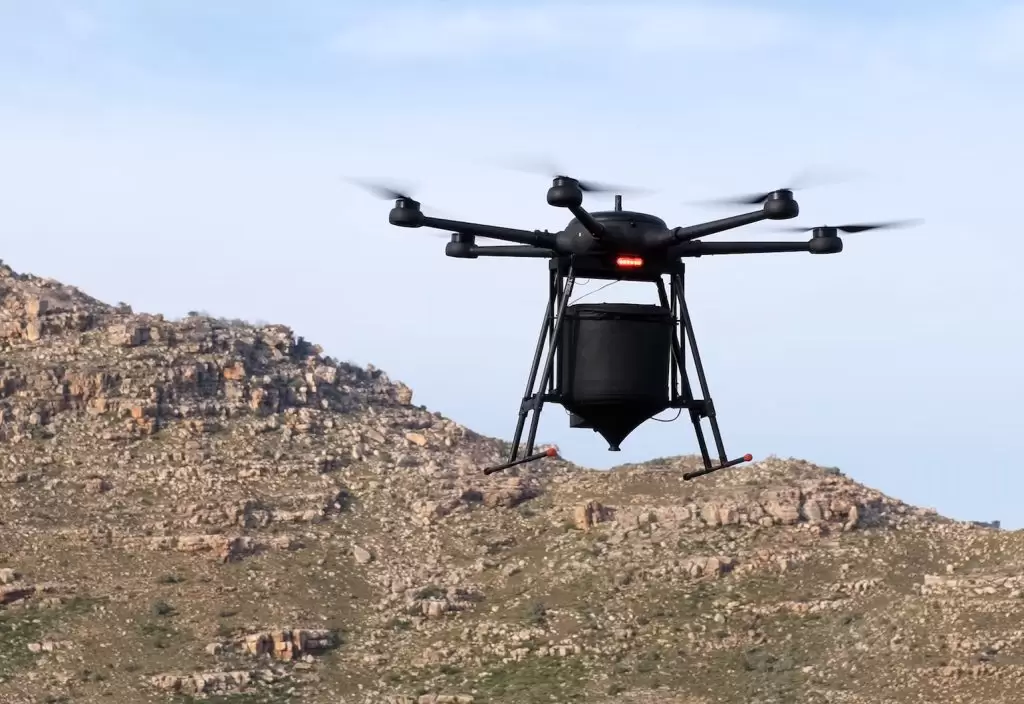
While the primary goal of the project at Mt Annan is to restore native trees, Air Seed’s drones are also planting a broader range of species that are essential to the ecosystem. Dr. Charlotte Mills, an ecologist at Air Seed, explained that the Mt Annan trial is focused on more than just canopy trees. “In a typical restoration project, you would plant tube stock, but that’s often limited to canopy species. With our drones, we can plant not only those trees but also mid-story species like acacias or bottlebrush plants, and even ground-level vines,” she said.
This holistic approach to ecological restoration is critical for ensuring that all levels of the ecosystem are restored, from the trees that provide canopy cover to the vines and smaller plants that help to create a healthy, biodiverse landscape. By using drones to plant a wider variety of species, the team at Mt Annan is working to restore more than just the trees — they’re aiming to bring the entire ecosystem back to life.
Improving Biodiversity and Addressing Endangered Ecosystems
One of the primary objectives of the Mt Annan project is to improve the park’s biodiversity by enhancing endangered ecological communities. The park is home to several threatened ecosystems, including the Western Sydney dry rainforest and Cumberland plain woodland, both of which are in need of urgent restoration.
Mr. Siemon emphasized that the project is not just about removing invasive species but about restoring the native plant species that are essential to the park’s long-term health. “Over time, we hope to diversify the landscape because we are a botanic garden, and there are 25,000 Australian seed-bearing species that we can incorporate into our work,” he said. This ambitious goal reflects the broader importance of biodiversity restoration, which plays a crucial role in maintaining the resilience of ecosystems and mitigating the impacts of climate change.
The Role of Technology in Landscape Restoration
The use of drones in ecological restoration is just one example of how technology is revolutionizing environmental conservation. In recent years, drones have become increasingly common in reforestation projects, allowing for more efficient and cost-effective planting over large areas. In addition to their speed and precision, drones are able to access difficult terrain that would be challenging or even impossible for human workers to reach.
This technology is especially important in regions like Mt Annan, where the landscape is steep and difficult to navigate. The ability to plant seeds in areas that would otherwise be inaccessible is a game-changer for conservationists and land restoration experts. With drones, large-scale ecological projects can be completed more quickly and with fewer resources, leading to better outcomes for both the environment and the economy.
Scaling Up Drone Planting
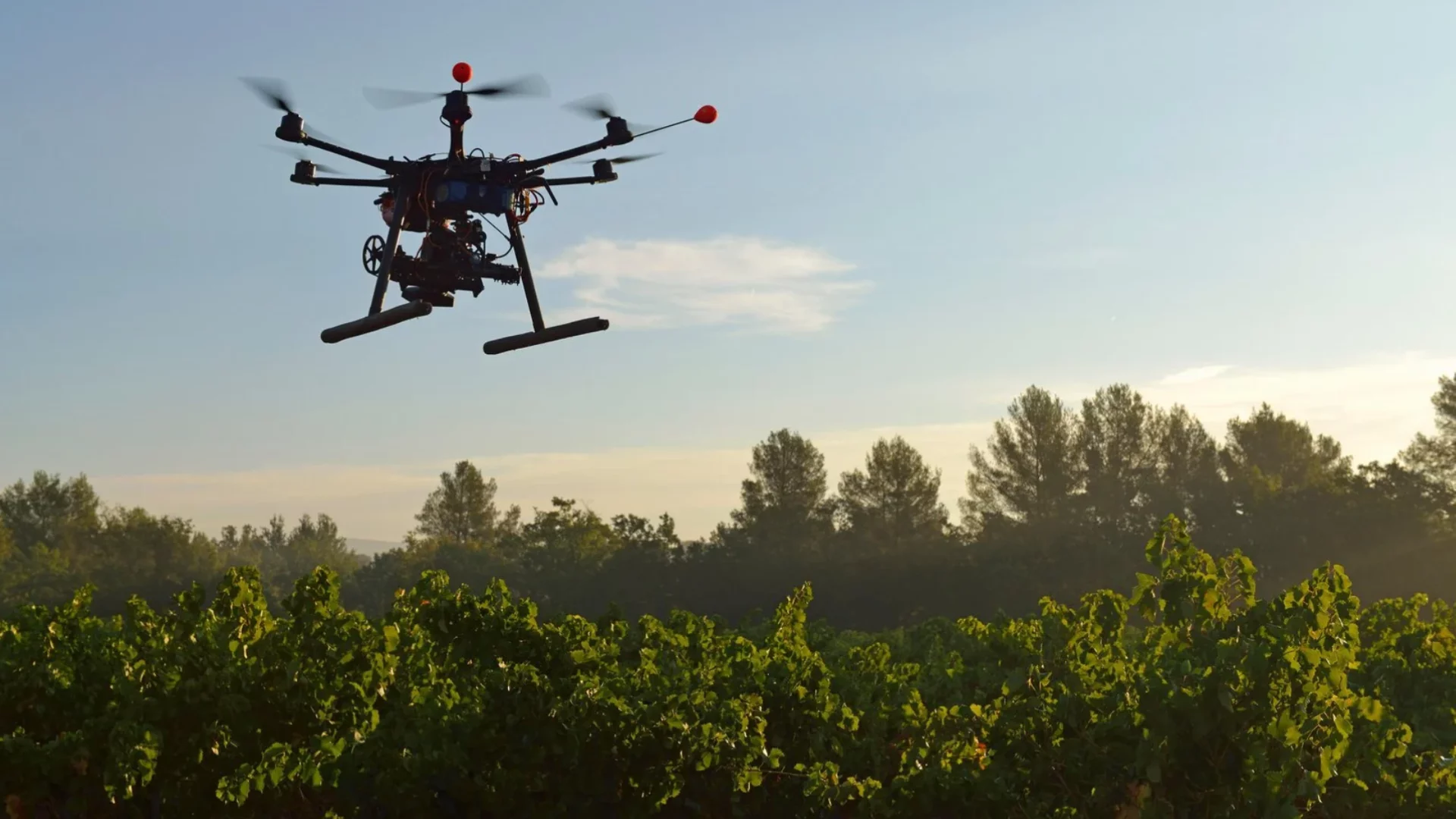
As Air Seed continues to refine its drone technology, the company has ambitious plans for the future. By 2024, they aim to be planting up to 100 million trees annually, a significant increase from the 40,000 seeds they can currently plant per day. The company is also seeking to raise $10 million in capital later this year to support this rapid expansion.
The potential for drones to scale up large-scale reforestation efforts is immense, and Air Seed is not alone in recognizing this opportunity. Other companies and organizations around the world are exploring similar technology to restore degraded lands and fight climate change. As the technology improves, the hope is that drones will become a key part of the global effort to combat deforestation and restore biodiversity on a massive scale.
A New Era of Ecological Restoration
The use of drones in the Australian Botanic Garden at Mt Annan represents a new era of ecological restoration, where technology and nature work hand in hand to heal the environment. By combining the power of machine learning with innovative seed pod technology, Air Seed is changing the way we approach land rehabilitation. The success of the Mt Annan project will likely pave the way for similar efforts in other parts of Australia and around the world, offering hope for the future of our planet’s ecosystems.
The ongoing trials in Mt Annan demonstrate that the future of conservation lies in the integration of cutting-edge technology with environmental stewardship. As drones become more efficient and capable, they will play an increasingly important role in addressing the environmental challenges of the 21st century. With projects like this, we can look forward to a future where nature and technology work together to create a more sustainable world.