
Table of Contents
- Trump’s “Probably Not” Response
- Why is Everyone Asking About 2028?
- Legal Scholars Debate the Possibilities
- Why Trump Keeps the Door Open
- Republican Party’s Succession Plans
- The “Rewrite the Rules” Campaign Gear
- The Economic Factor: Trade Deals and Confidence
- Political Dilemmas and Constitutional Barriers
- The Uncertainty of Trump’s 2028 Bid
Trump’s “Probably Not” Response
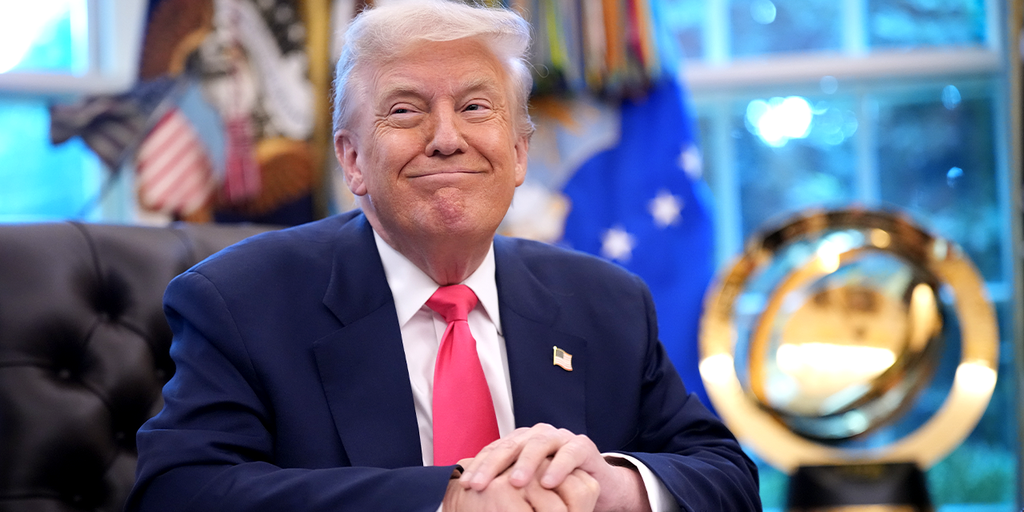
During an August 6th CNBC interview, Trump addressed the possibility of a 2028 presidential run. His answer was a mixture of rejection and desire, blending certainty with subtle hints that he may still be considering it. “No, probably not, probably not. I’d like to… I have the best poll numbers I’ve ever had,” Trump said, indicating that his high approval ratings still play a role in his decision-making process. While the words “probably not” seemed to close the door on a third term, his follow-up about record-breaking poll numbers hinted that he could remain open to the idea if circumstances change.
Trump’s comment reflects the high political stakes at play. Approval ratings often have a major impact on presidential decision-making, as high ratings can create pressure for leaders to seek another term. Trump’s remark reinforces the idea that his supporters, many of whom view him as a successful and influential leader, continue to push for his return to office in 2028. But it also leaves the door open for future considerations, as the 2028 election draws closer.
Why is Everyone Asking About 2028?
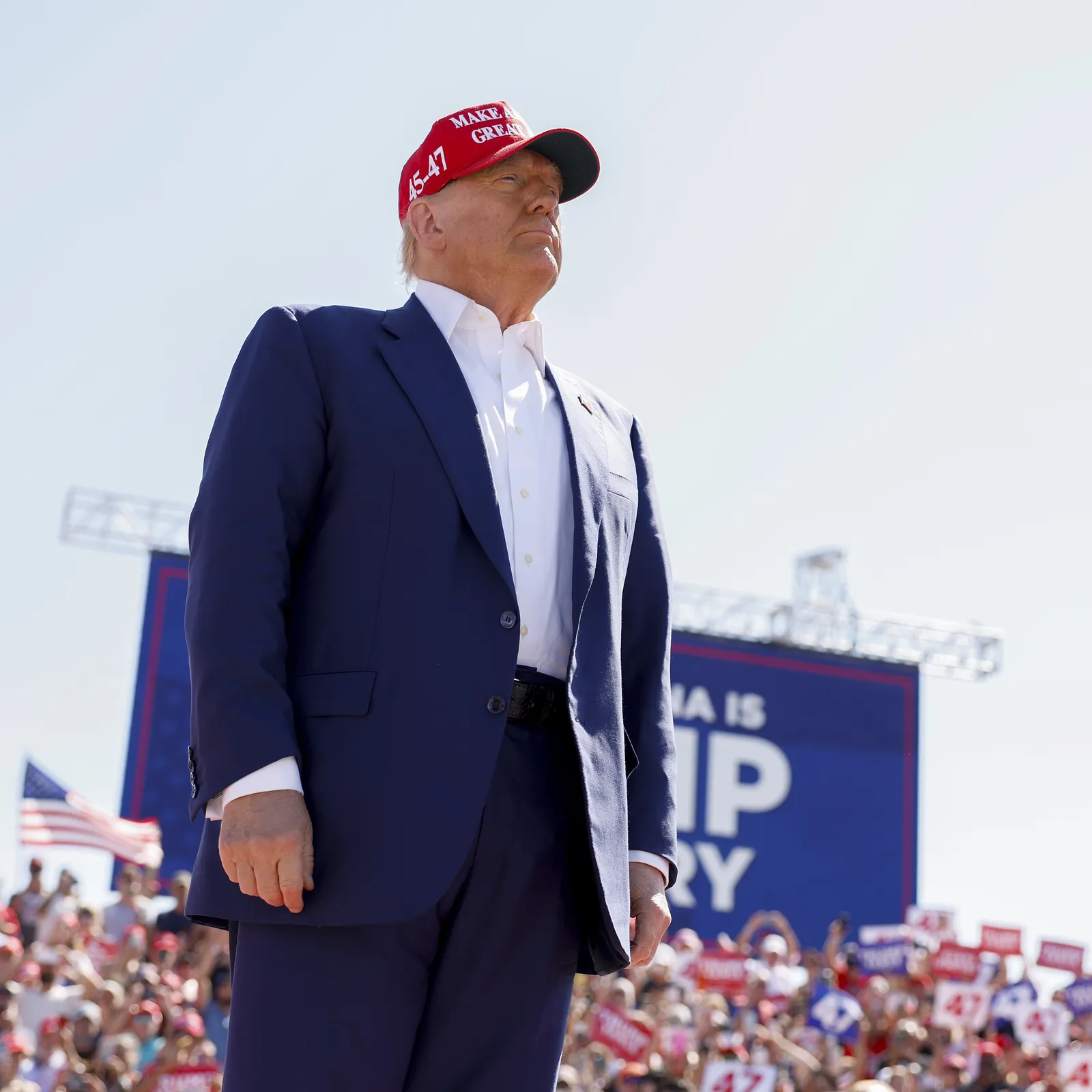
The question of whether Trump can run for president again in 2028 is more complicated than it may initially seem. The 22nd Amendment of the U.S. Constitution prohibits anyone from being elected president more than twice, whether those terms are consecutive or not. Based on this language, Trump’s 2017-2021 and 2025-2029 terms would count toward the limit. However, the question becomes murkier when considering Trump’s non-consecutive terms and whether there could be any legal pathways for him to bypass this restriction.
While some believe the Constitution’s language is clear, Trump’s situation is unprecedented, and speculation continues to grow. Some argue that creative interpretations of the 22nd Amendment could allow Trump to run again, even if the legal barriers seem insurmountable. Others suggest constitutional amendments or legal loopholes as potential solutions. The media’s intense focus on this question has kept the possibility alive in the public eye, with every statement from Trump fueling the conversation.
Legal Scholars Debate the Possibilities
Despite Trump’s “probably not” statement, legal scholars continue to debate whether he could indeed make a comeback in 2028. According to the 22nd Amendment, Trump’s two terms count against him, but there are discussions around whether the amendment’s intent could be bypassed through a technical reinterpretation. Some supporters even argue that the amendment doesn’t apply to non-consecutive terms or that the term “elected” could be understood differently in this context.
The possibility of a constitutional amendment is also frequently raised in these discussions. Amendments are notoriously difficult to pass, requiring two-thirds of both the House and Senate and ratification by three-quarters of state legislatures. Political experts note that such an effort would likely be a long shot in the current political environment. Even if the necessary support were to coalesce, it remains uncertain whether there would be enough momentum to alter the Constitution to permit Trump’s re-election.
Why Trump Keeps the Door Open
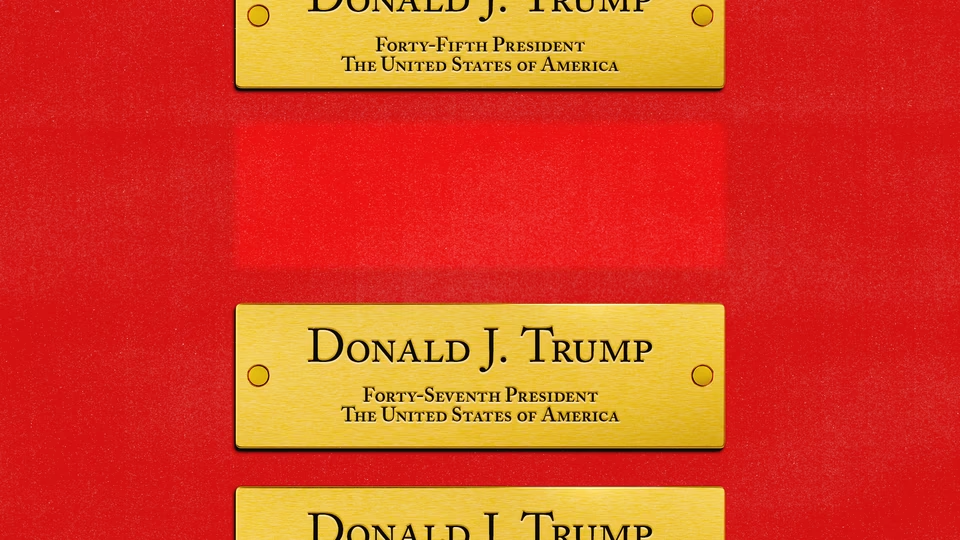
Trump’s strategy of keeping the door open for a 2028 presidential run is a calculated move designed to maintain influence over the Republican Party. By leaving his options open, Trump ensures that he retains control of the conversation and continues to shape the political discourse. The ambiguity allows Trump to build anticipation while managing the expectations of his supporters.
His comments in public interviews, particularly about his high poll numbers, suggest that Trump continues to gauge the political landscape, keeping a close eye on his popularity and the state of the Republican Party. High approval ratings can be a powerful motivating factor for a politician, as they indicate a strong base of support. However, the vagueness of his statements also helps Trump avoid committing to a definitive answer that could hinder his options in the future.
Republican Party’s Succession Plans
As the question of Trump’s 2028 candidacy looms, the Republican Party faces a complex challenge in terms of succession planning. With Trump’s influence still very much alive within the party, many potential candidates for the 2028 race are forced to navigate the delicate balance of loyalty to Trump and the desire to build their own political futures. As Trump has hinted at the possibility of Vice President JD Vance being his preferred successor, it’s clear that the conversation about succession is already underway.
Vice President JD Vance has emerged as a front-runner in the eyes of some Trump supporters, with Trump stating in public interviews that Vance would likely be the favored candidate if he were not to run again. This endorsement has significant ramifications for the Republican primaries, as Vance’s future candidacy would likely be closely tied to Trump’s decisions regarding 2028. Trump’s influence over the Republican base means that any endorsement he gives carries enormous weight, shaping the primary field and the strategies of other Republican candidates.
The “Rewrite the Rules” Campaign Gear
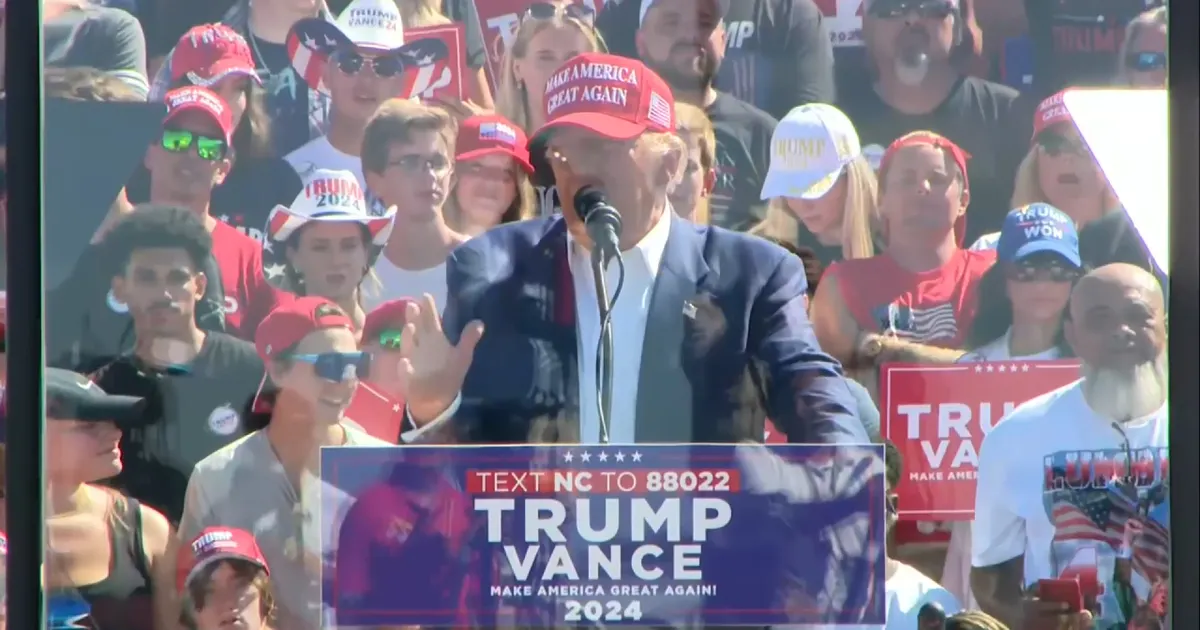
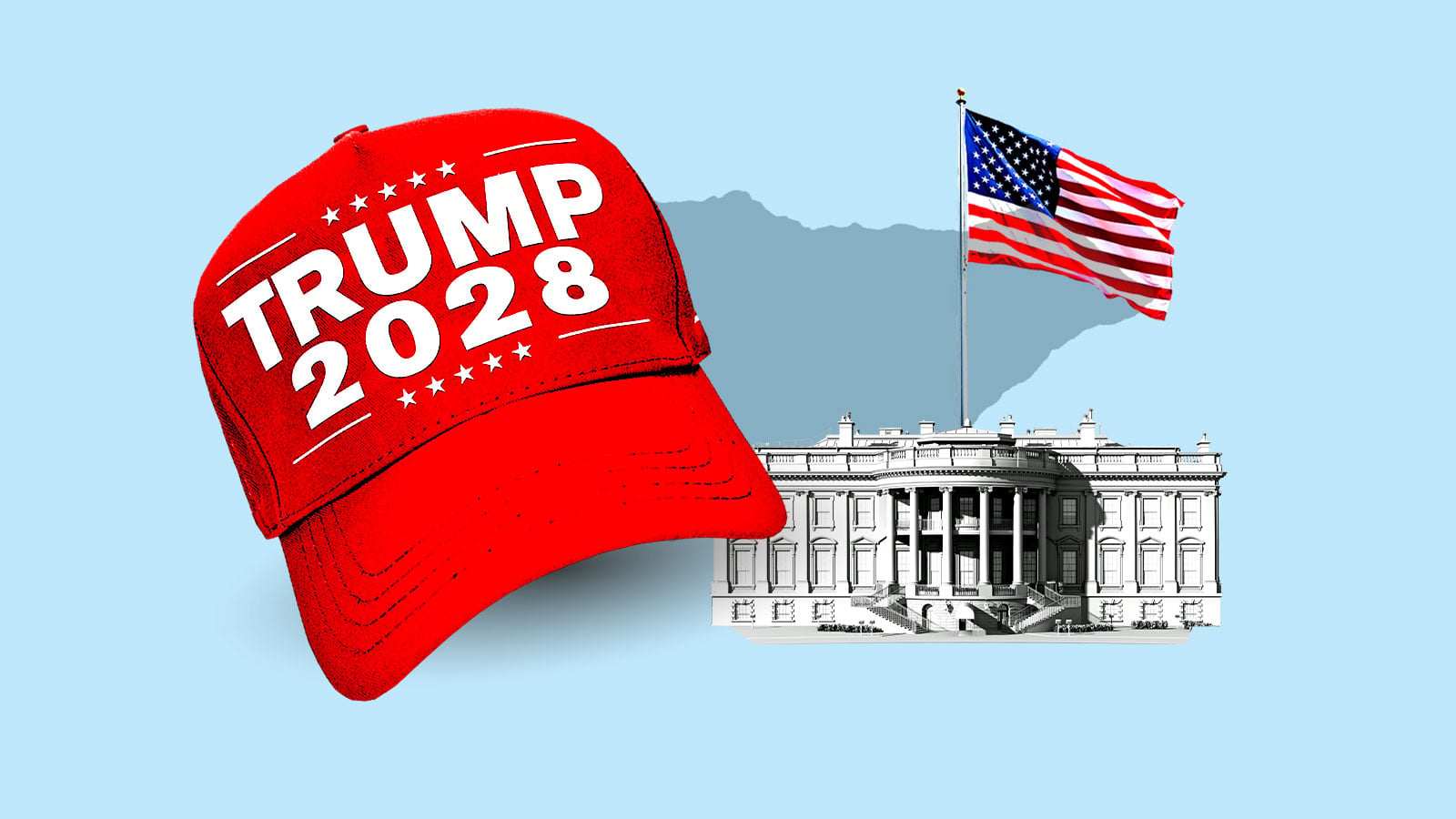
In a sign that Trump’s political ambitions for 2028 are still very much alive, his campaign store has begun selling merchandise for a potential 2028 run. The items, emblazoned with the slogan “Rewrite the Rules,” hint at the possibility of amending the Constitution to allow for his re-election. This merchandise, combined with ongoing fundraising efforts, suggests that Trump and his allies are preparing for a future campaign, even as they keep the details ambiguous.
The sale of 2028 campaign gear serves as both a fundraising tool and a method of gauging public support. By offering these items to his base, Trump is not only raising money but also testing the waters for a potential campaign. If the merchandise sells well, it could signal to Trump that there is enough enthusiasm among his supporters to justify a serious run in 2028.
The Economic Factor: Trade Deals and Confidence
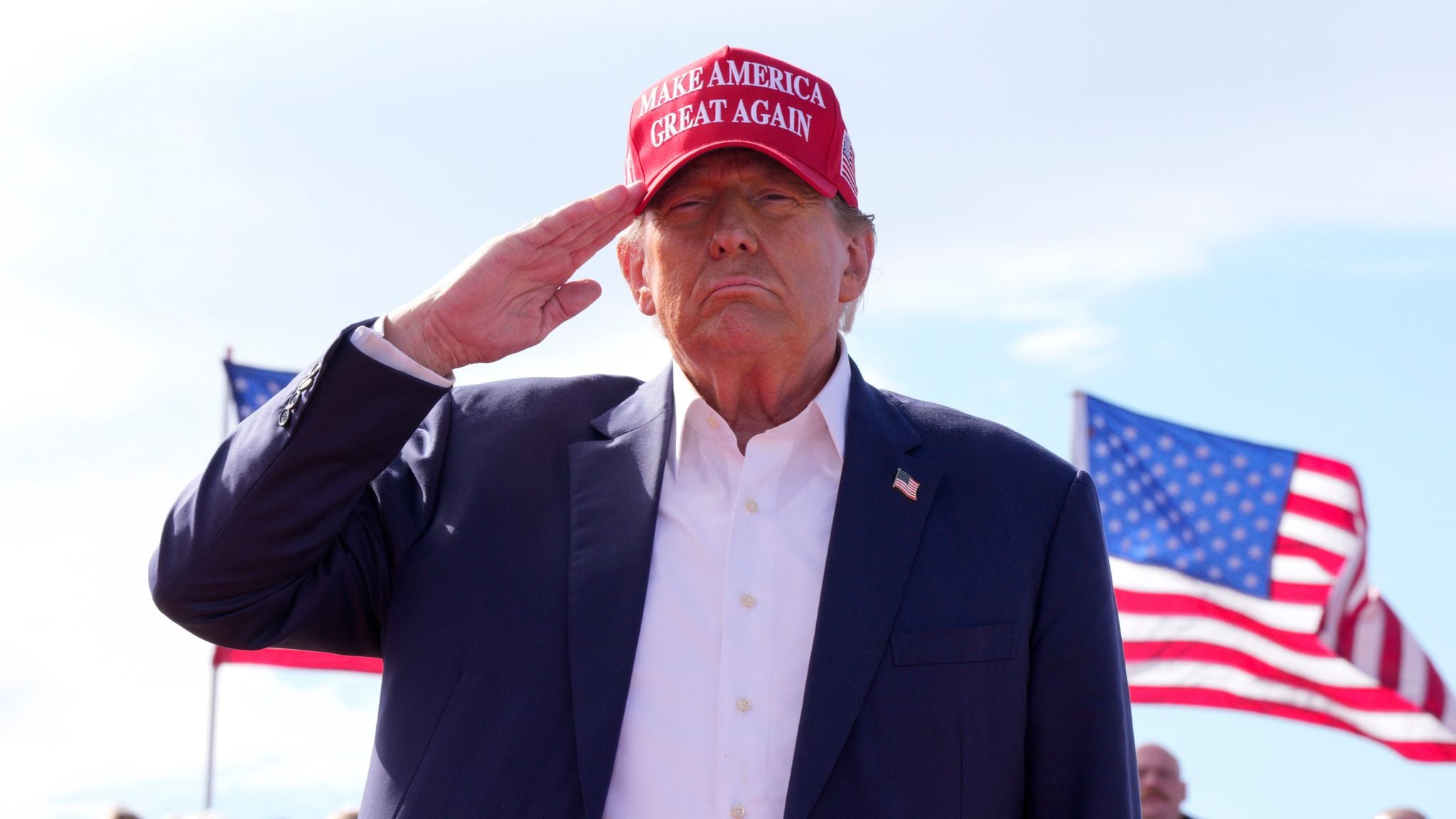
One of the key factors behind Trump’s continued political confidence is his belief in the success of his economic policies, particularly his trade deals and tariff policies. In previous interviews, Trump has pointed to his trade negotiations as a major source of his political appeal, citing high approval ratings among voters who appreciate his tough stance on international trade. This confidence in his economic achievements suggests that Trump may be considering another run to further cement his legacy and continue his “America First” agenda.
Trump’s focus on trade and tariffs resonates with his supporters, many of whom believe that his policies have benefited American workers and businesses. With the 2028 election still several years away, Trump’s emphasis on these issues demonstrates his intention to continue pushing his economic agenda, regardless of whether he runs again for president.
Political Dilemmas and Constitutional Barriers
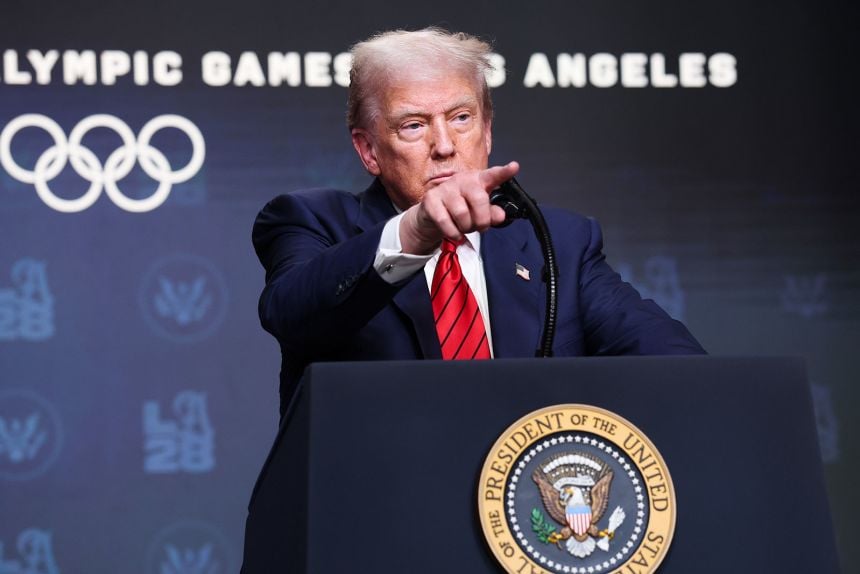
While Trump’s statements hint at the possibility of another run, the constitutional barriers to his candidacy remain significant. The 22nd Amendment, designed to prevent presidents from serving beyond two terms, stands in the way of Trump’s return to the White House. The process of amending the Constitution is a challenging and lengthy one, requiring widespread political consensus that seems unlikely in today’s polarized environment.
Even if Trump were to successfully navigate the constitutional roadblocks, the political landscape in 2028 could be drastically different. With partisan divisions running deep, the challenges of amending the Constitution or finding a legal workaround are not to be underestimated. Moreover, Trump’s political future is also tied to the broader economic and global context, which may influence his decision-making as the election draws closer.
The Uncertainty of Trump’s 2028 Bid
As Donald Trump continues to tease the possibility of a 2028 presidential run, the uncertainty surrounding his decision will likely continue to dominate political discourse in the coming years. Whether he chooses to run again or not, Trump’s influence over the Republican Party and his ongoing popularity among his base ensure that he will remain a key figure in American politics. While legal and constitutional barriers exist, the possibility of a Trump comeback remains an intriguing prospect, one that will continue to captivate the American public as the 2028 election approaches.