
Table of Contents
- Trump’s Justification for High Oil Prices
- Rising Prices at the Pump: A Reality for Americans
- The Role of the U.S. in the Iran Conflict
- Short-Term Pain for Long-Term Gain
- Growing Concern Over Affordability
- A Market in Panic Mode
- The Impact on Global Oil Production: The Strain on Kuwait
- Future Price Predictions: Will $150 Oil Become a Reality?
- What This Means for the Future: The Energy Dilemma
- The Cost of Global Safety
Trump’s Justification for High Oil Prices
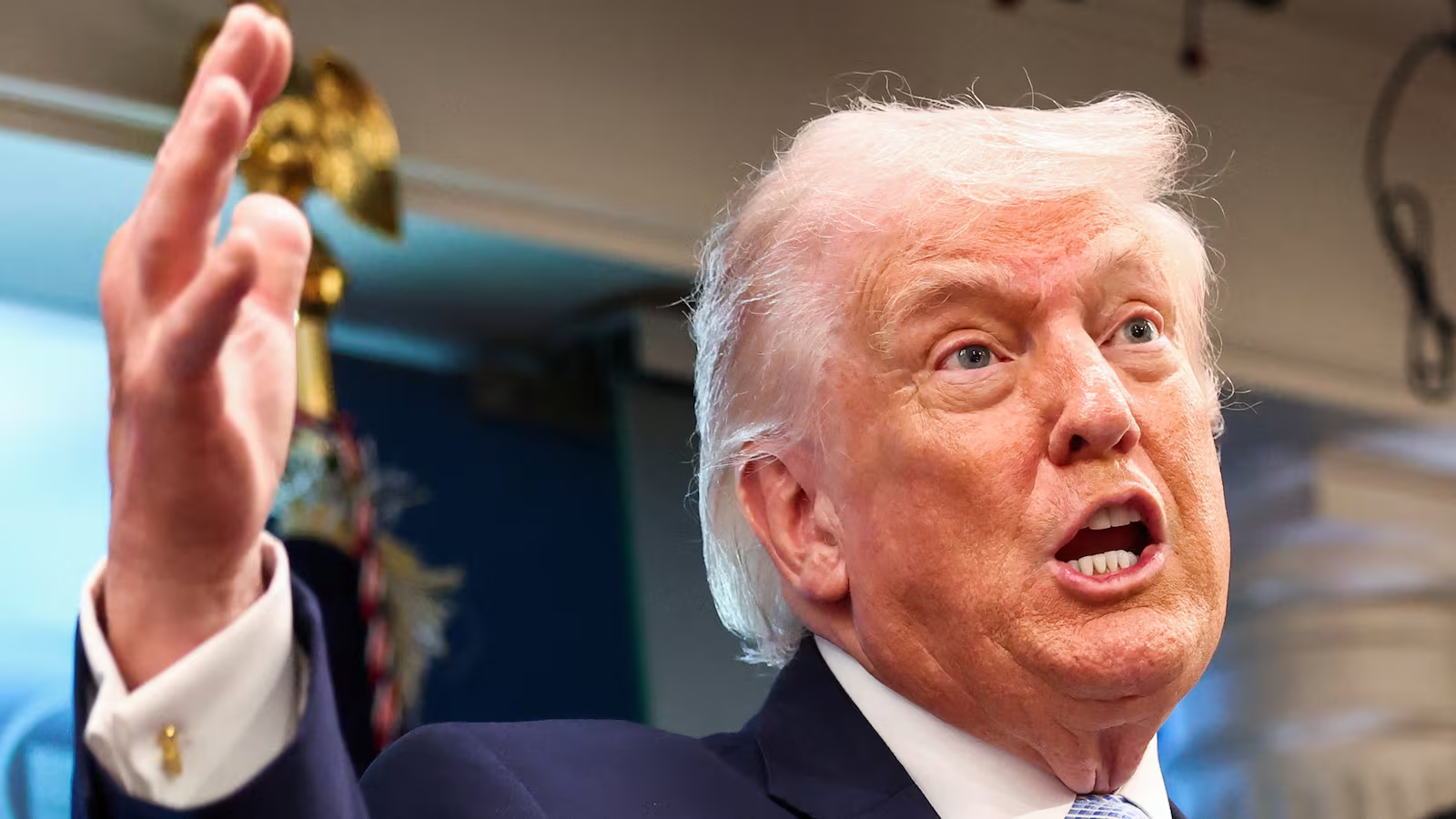
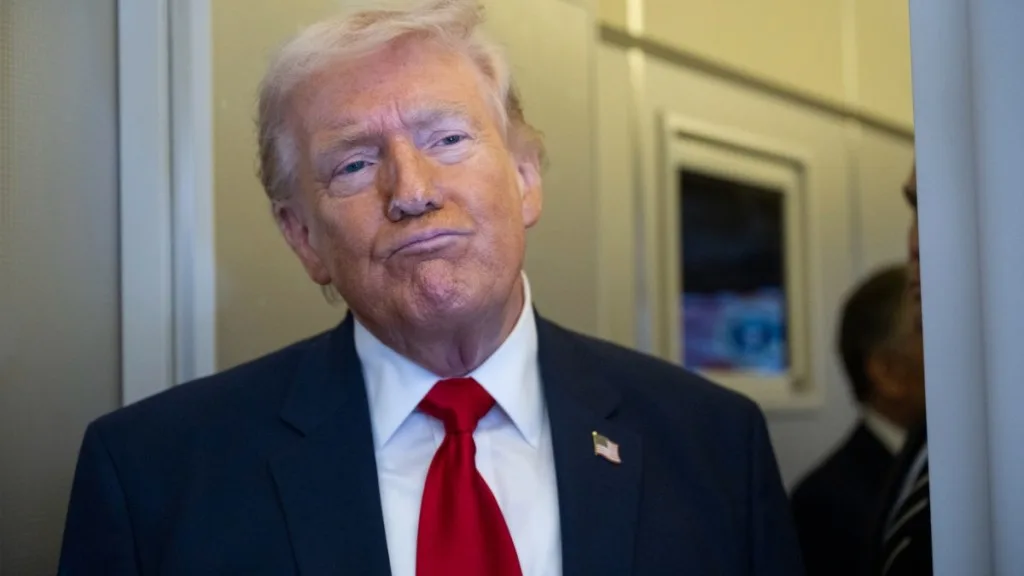
President Trump’s defense of the rising oil prices comes at a time of heightened geopolitical tension in the Middle East. With the war in Iran disrupting oil production and shipping lanes, the global oil supply chain has been severely impacted. The President, however, has downplayed the significance of the price hikes. “Short-term oil prices, which will drop rapidly once the destruction of the Iran nuclear threat is over, is a very small price to pay for U.S.A., and World, Safety and Peace,” Trump posted on Truth Social. While his words aimed to reassure the American public, many are questioning whether this is the best way forward for energy policy.
Rising Prices at the Pump: A Reality for Americans
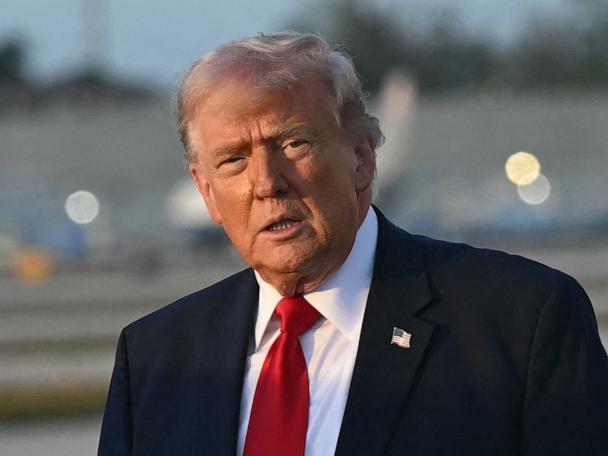
Americans are already feeling the sting at the gas pump. Gasoline prices have surged to levels not seen since the early days of the pandemic, with many states reporting prices above $4 per gallon. U.S. Energy Secretary Chris Wright acknowledged that Americans would feel the pain for several weeks due to the ongoing conflict in Iran, though he emphasized that the situation would not last for months. “We want it back below $3 a gallon. And it will be again before too long,” Wright told CNN. However, experts are warning that the global energy market could face additional strain in the coming months, with no immediate resolution in sight.
The Role of the U.S. in the Iran Conflict
The Iranian conflict has been brewing for months, with rising tensions over nuclear capabilities and territorial disputes. In late February, U.S. military forces, along with Israel, launched airstrikes against Iran’s nuclear facilities, escalating the situation. The war has led to significant reductions in tanker traffic through the Strait of Hormuz, a vital shipping route that handles about 20% of the world’s oil supply. As a result, global oil prices have spiked, affecting both consumers and businesses alike. While Trump has remained steadfast in his support for military action, the public response has been divided, with many questioning the long-term consequences of the U.S. involvement.
Short-Term Pain for Long-Term Gain
U.S. Energy Secretary Chris Wright, a former CEO of the fracking company Liberty Energy, has echoed Trump’s stance on the rising oil prices. Wright acknowledged that gas prices were indeed high but emphasized that the market’s fear-driven behavior was somewhat unjustified. “You’re seeing a little bit of fear premium in the marketplace, but the world is not short of oil today or natural gas,” Wright explained. While he was optimistic about future price drops, many Americans remain unconvinced, especially as they struggle with the rising cost of living.
Growing Concern Over Affordability
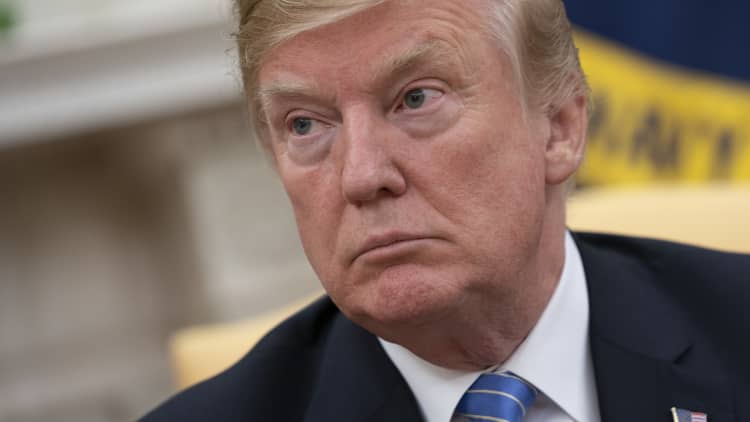
A Marist poll conducted earlier this month found that 56% of Americans oppose military action in Iran. At the same time, concerns over affordability are reaching a boiling point. The Ipsos survey conducted in late February revealed that more than half of voters considered key life expenses—such as healthcare, new cars, and vacations—unaffordable. The soaring cost of gas has only exacerbated these concerns, with many families struggling to make ends meet. As the conflict in Iran continues, Americans are questioning whether the short-term sacrifices are worth the long-term benefits promised by Trump and his administration.
A Market in Panic Mode
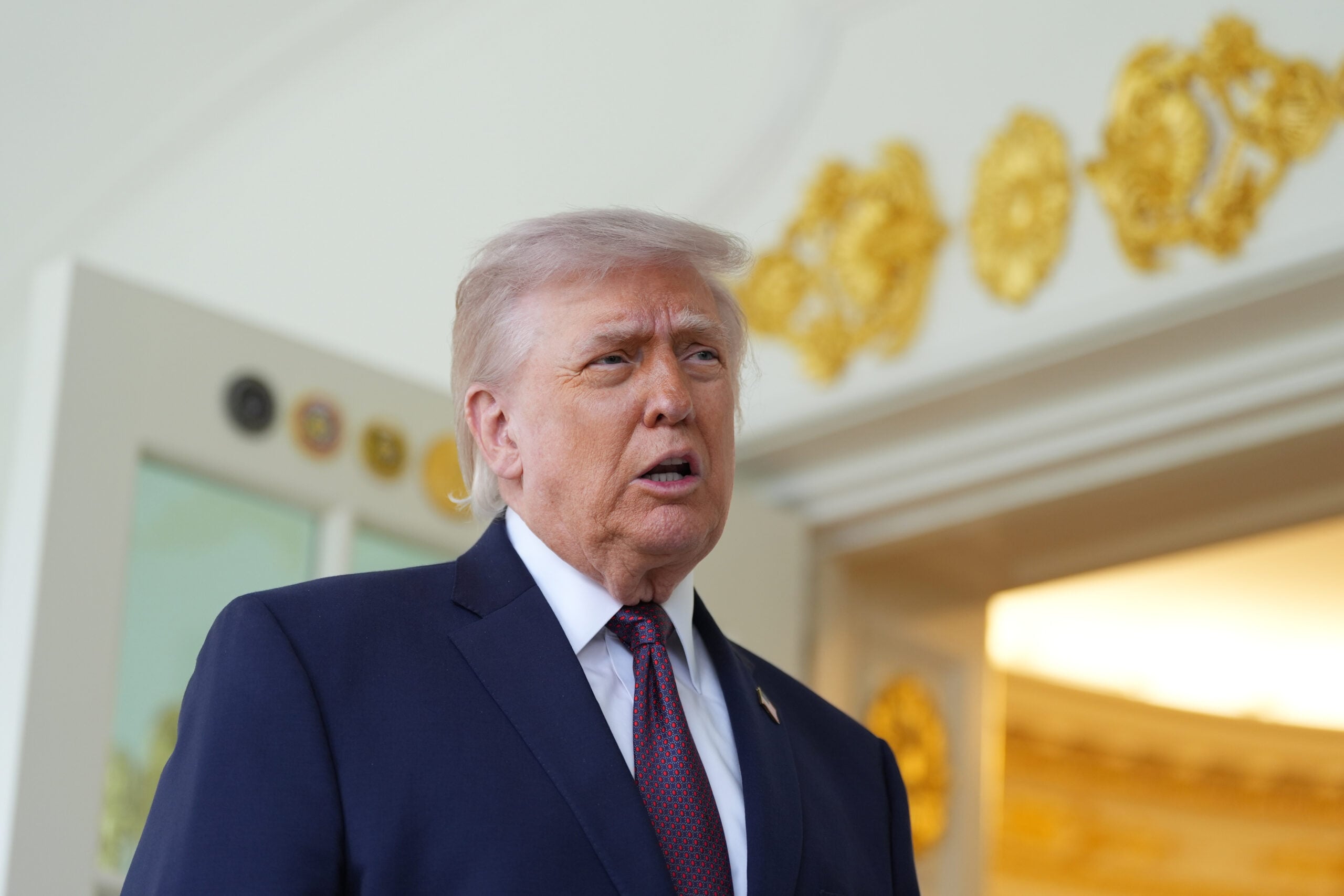
The market’s panic is evident in the surge of oil prices. On Sunday, Brent crude, the global benchmark for oil, rose to $101.19 per barrel, marking a 9.2% increase from the previous Friday. Meanwhile, U.S.-produced West Texas Intermediate (WTI) rose to $107.06 per barrel, a 16% increase in just a few days. These price hikes follow a dramatic 36% rise in U.S. crude prices the previous week, highlighting the volatility in the market. While experts agree that oil prices are expected to stabilize eventually, the question remains: when?
The Impact on Global Oil Production: The Strain on Kuwait
As the conflict in Iran has intensified, Kuwait has been forced to scale back its oil production. The country’s oil fields have reached their storage capacity, leading to production cuts. This has further strained the global oil supply, adding to the upward pressure on prices. Analysts predict that if the situation continues to escalate, other countries may also be forced to cut production in order to avoid market collapse. This disruption in supply is one of the key factors driving the soaring oil prices.
Future Price Predictions: Will $150 Oil Become a Reality?
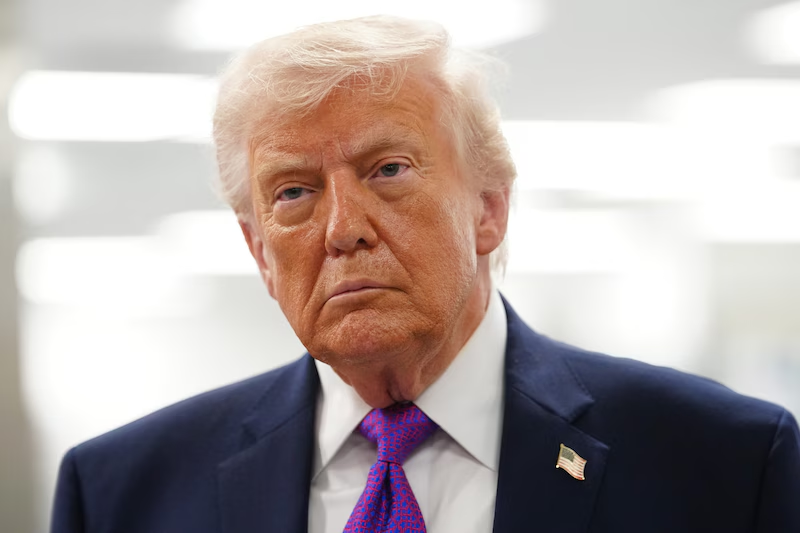
As oil prices continue to rise, many experts are making predictions about where prices could go from here. Some forecasts suggest that the price of oil could hit $150 per barrel by the end of the month, a dramatic increase from the current price of around $100. The surge in prices is being driven by fears of further disruptions in global supply chains and the ongoing instability in the Middle East. Patrick De Haan, head of petroleum analysis for GasBuddy, has warned that there’s an 80% chance that gas prices in the U.S. could reach $4 per gallon in the next month. For many Americans, this represents a daunting reality, as they face increasing costs at the pump.
What This Means for the Future: The Energy Dilemma
As we look ahead, the question remains: What does the future hold for the U.S. energy market? Will the high prices at the pump be a temporary inconvenience, or are we witnessing the beginning of a new era of expensive oil? Some experts argue that the global energy market is in need of a significant overhaul. While the U.S. remains one of the world’s largest oil producers, the current geopolitical climate is exposing the vulnerabilities of the global supply chain. In the long run, energy independence may become more important than ever, but for now, the nation must grapple with rising prices and uncertain global relations.
The Cost of Global Safety
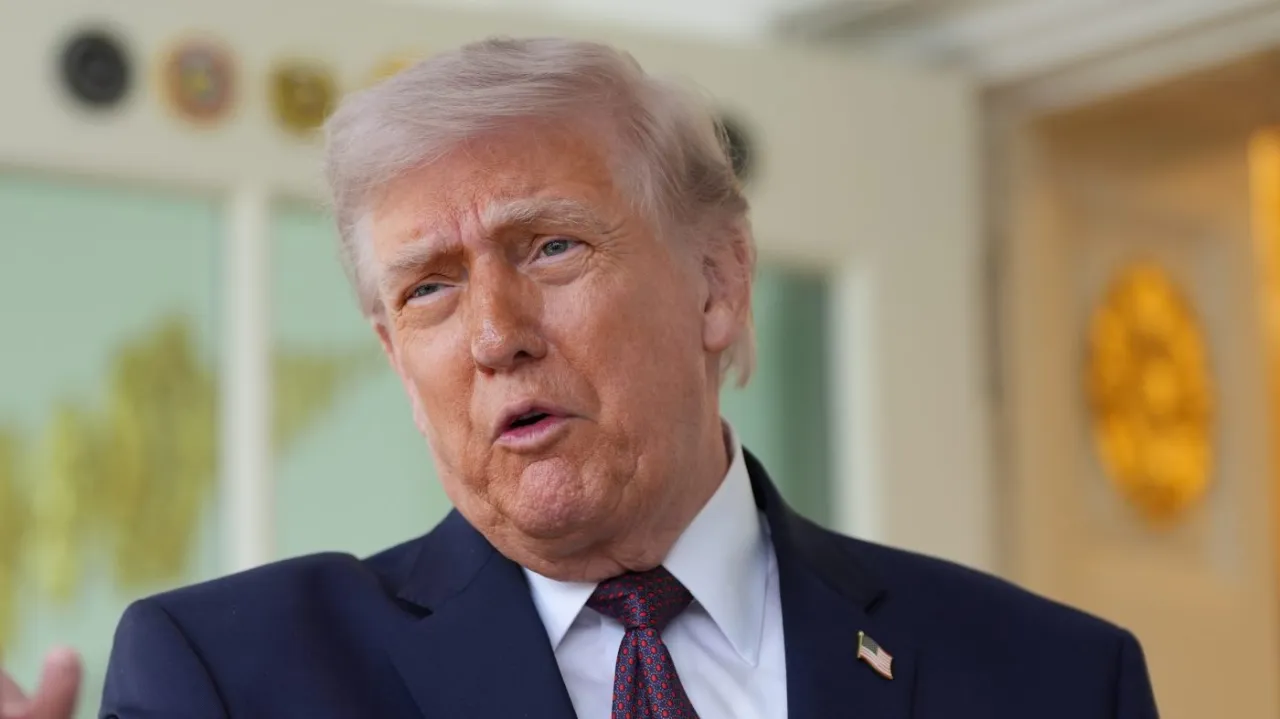
As the world faces an uncertain future with rising oil prices, one thing is clear: the current situation is far from ideal for most Americans. While President Trump defends the price increases as a small price to pay for global safety, many citizens are left wondering how much longer they can afford to fill up their tanks. As the situation in Iran continues to unfold, it is likely that oil prices will remain volatile. What remains to be seen is whether the U.S. will be able to weather this storm without lasting damage to its economy.