
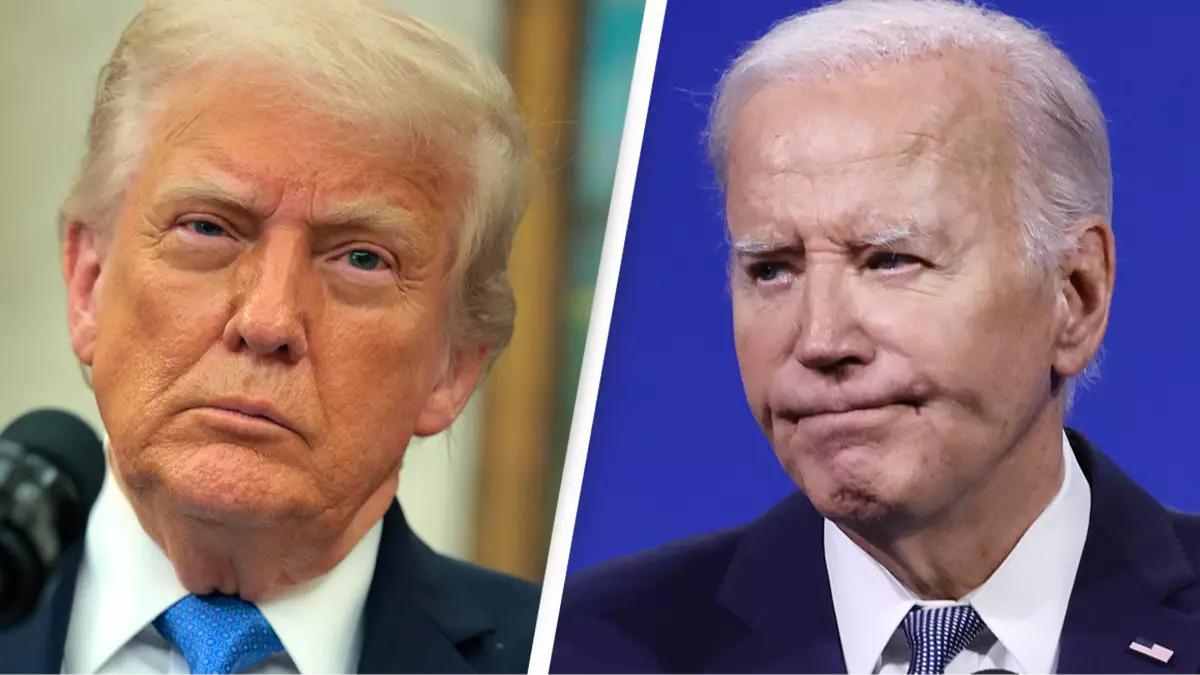
When the news broke about the staggering costs of President Trump’s first 100 days in office, many were left stunned by the sheer scale of the financial toll. A new comparison, revealing the massive difference between the spending of the current administration and the same period under the previous administration, has sparked outrage and concern across the nation. With a total price tag that’s far higher than what many expected, the comparison has reignited debates on government spending, budget allocation, and the future of political office expenditures.
The comparison highlights not only the direct costs associated with the president’s daily activities but also the long-term financial consequences of his policies. As the figures continue to roll in, questions about the necessity and transparency of such expenditures have taken center stage. What follows is a deep dive into the numbers, the context behind the spending, and what this means for the nation’s future financial stability.
Table of Contents
The Eye-Watering Cost of Trump’s First 100 Days

The figures surrounding President Trump’s first 100 days are nothing short of eye-watering. According to recent reports, the total cost of maintaining Trump’s administration, including travel expenses, security measures, and operational costs, far outstripped that of previous administrations in a similar time frame.
For instance, Trump’s frequent trips to his properties, particularly Mar-a-Lago in Florida, have added up quickly. Critics argue that the cost of his travel is excessive, especially considering that former presidents did not routinely travel as often or stay at private resorts, as Trump has done. The White House itself has attempted to justify these expenditures by citing the need for increased security due to the president’s prominence, but many remain unconvinced by the explanations provided.
Moreover, costs related to security detail, especially when Trump is on the move, have also skyrocketed. The U.S. government must foot the bill for not just the president’s security but also that of his family and other officials accompanying him, adding a significant strain on the budget.
The Comparison: Trump vs. Last Year
When comparing the cost of Trump’s first 100 days to the same period under his predecessor, the differences are shocking. The Obama administration, for example, spent far less in its early days, despite facing a similar level of security challenges and needing to initiate significant policy changes. However, what makes this comparison even more striking is the fact that President Obama, while facing challenges of his own, did not maintain the same level of personal luxury or frequent travel that Trump has.
According to government reports, Trump’s total expenditure in just the first 100 days of office exceeds that of his predecessor over a similar period by a staggering amount. Critics have pointed out that this discrepancy raises questions about the efficiency of the current administration’s spending and whether such lavish expenditures are truly necessary when other areas of government funding are in need of attention.
Why the High Costs?

The primary driver behind these high costs appears to be Trump’s preference for staying at private properties, particularly his resorts. The security costs for these visits have been astronomical, with taxpayers picking up the tab for everything from transportation to extensive security protocols. Each trip to Mar-a-Lago or Trump Tower requires large numbers of security personnel, specialized equipment, and logistical support to ensure the president’s safety, resulting in hefty price tags.
Additionally, the cost of Trump’s family’s protection and travel has added to the overall expense. While the Obama family maintained a high level of security, the Trump family’s travel arrangements and the continued need for protection of various family members have contributed significantly to the rising costs.
Another contributing factor is the lack of a clear policy on reducing government spending, particularly in the first 100 days. Despite campaign promises to cut waste and streamline government operations, the costs associated with the president’s lifestyle, security, and political maneuvering have soared. While the government has attempted to justify these costs, many are beginning to question whether the level of spending is sustainable.
The Political and Public Response to the Spending

Naturally, the public’s reaction to these figures has been mixed. Supporters of President Trump argue that the costs are justified, citing the president’s need for heightened security and the challenges inherent in adjusting to a new role. They point out that the high costs are merely a consequence of the intense scrutiny that the president faces and the security risks associated with his position.
On the other hand, critics argue that the spending is irresponsible and unsustainable, particularly when compared to previous administrations. They emphasize that the president’s personal properties, which benefit financially from his trips, should not be funded by taxpayers, and that the funds would be better spent on other priorities, such as healthcare, infrastructure, and education.
Some have even suggested that the president’s decision to frequent his private properties could be viewed as a conflict of interest, as the government is essentially subsidizing his businesses. This has led to calls for greater transparency in how funds are allocated and for stricter regulations on presidential spending.
The Long-Term Financial Implications
The financial implications of Trump’s first 100 days are not just a matter of the immediate costs but also the long-term burden on taxpayers. If this level of spending continues, it could result in a significant increase in the federal budget deficit, which could have serious consequences for the U.S. economy.
Additionally, the ongoing costs associated with the president’s security and travel could set a precedent for future administrations. If these expenditures are allowed to continue unchecked, it could establish a pattern of excessive spending that becomes harder to reverse. Critics warn that this could further strain the national budget, particularly as the U.S. government continues to grapple with a growing national debt.
In order to avoid these long-term financial issues, some experts argue that the government needs to impose stricter oversight on the president’s expenses, particularly when it comes to travel and security costs. The goal would be to ensure that the spending is both justified and sustainable, without placing an undue burden on taxpayers.
What This Means for Future Administrations
While President Trump’s first 100 days have set an example of high-cost expenditures, the broader implications are important for future administrations. Whether or not the spending levels are sustainable will depend on how future presidents approach the issue of security, travel, and the overall cost of maintaining the presidency.
If the trend of excessive spending continues, it could lead to more stringent regulations around presidential expenditures in the future. Lawmakers may begin to push for limits on the amount of taxpayer money that can be allocated to presidential travel, particularly when it involves personal business interests.
Ultimately, the goal should be to find a balance between ensuring the president’s safety and securing public funds for essential services, rather than allowing the costs to spiral out of control. This will require a collaborative effort from both the executive and legislative branches of government, as well as increased transparency in how taxpayer dollars are spent.
Conclusion: A Financial Wake-Up Call for the Nation
The staggering costs associated with President Trump’s first 100 days in office have prompted important conversations about government spending, transparency, and accountability. While the president’s supporters defend the expenditures as necessary for national security, critics argue that the scale of spending is unsustainable and raises serious ethical questions about the use of taxpayer money.
As we look to the future, this issue will continue to be a point of contention, with calls for greater scrutiny and oversight on the costs associated with the presidency. The nation’s finances are already under significant strain, and the long-term consequences of these high costs could have serious implications for the economy.
Moving forward, it will be crucial for both the government and the public to reassess the priorities when it comes to spending. Whether through stricter regulations or better transparency, ensuring that taxpayer funds are used responsibly will be key to maintaining a healthy financial future for the United States.