
Table of Contents
- A Promise of Relief
- Contradictions and Confusion: Trump’s Shifting Position
- Price Predictions Fall Apart
- Bessent’s More Modest Predictions
- A Long Road Ahead
- A Fiasco Unfolds
- Public Frustration: The Cost of Gas and the Impact on Voters
- A Miscalculation?
- What This Means for Future Policy
- A Lesson in Message Discipline
A Promise of Relief
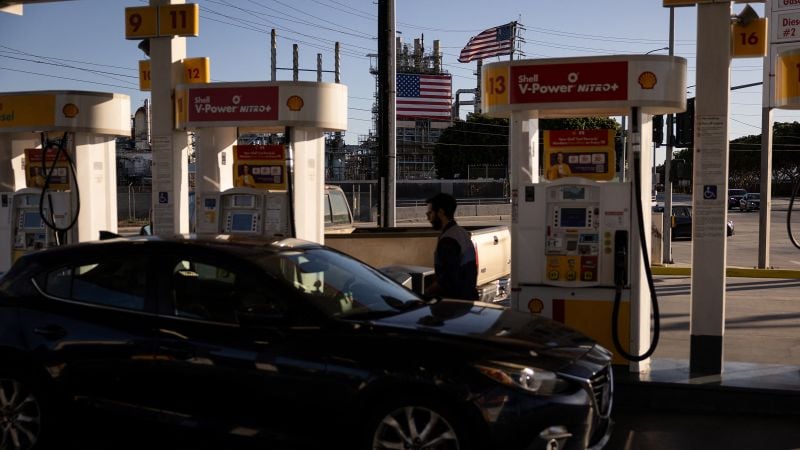
In the early days of the conflict, the Trump administration was eager to assure the public that gas prices would soon return to normal. On March 8, as the war with Iran began to heat up, Energy Secretary Chris Wright gave an optimistic forecast. Speaking to CNN’s Jake Tapper, Wright claimed that gas prices would be back under $3 per gallon “before too long.” He downplayed the potential for a prolonged crisis, suggesting that the issue would be resolved within weeks.
Wright’s comments were reassuring for many Americans who were already feeling the sting of rising gas prices. The promise of cheaper fuel in the near future seemed to be the administration’s way of easing concerns and maintaining political support, especially as the midterm elections loomed. But, as it would soon become clear, this prediction was far from accurate.
Contradictions and Confusion: Trump’s Shifting Position
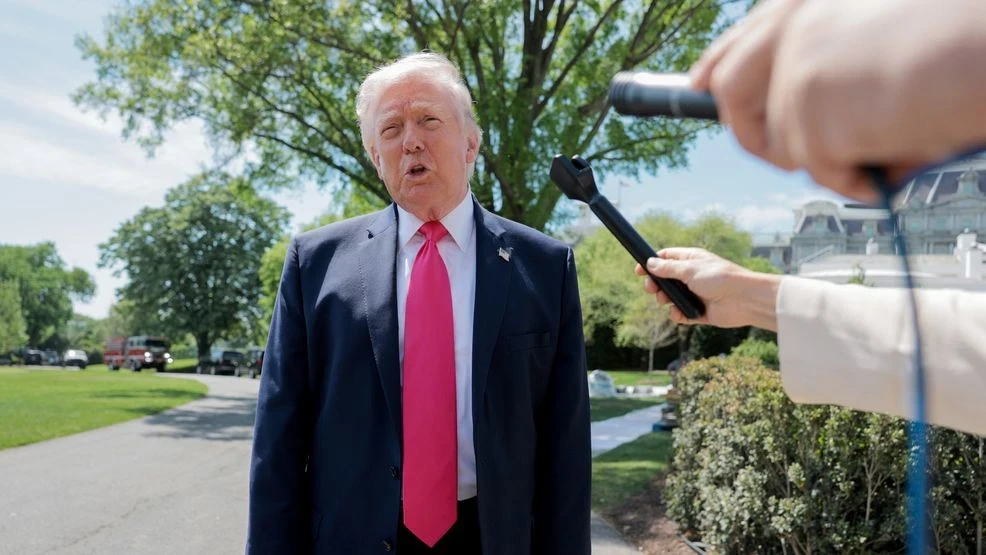
Just a few days later, Trump himself seemed to contradict Wright’s timeline. In an interview on Fox News, the president downplayed the severity of the situation, stating that gas prices would likely remain stable or perhaps even drop slightly. “It could be , or the same, or maybe a little bit higher, but it should be around the same,” he told Maria Bartiromo. However, shortly after, Trump’s tone changed dramatically when he again spoke to Bartiromo on her Fox Business Network show. This time, the president claimed that gas prices would soon “come down very soon and very big.”
It was clear that the administration had no unified stance on the issue. Trump’s optimism seemed to be at odds with his earlier comments and with the reality that gas prices were not falling as quickly as predicted.
Price Predictions Fall Apart
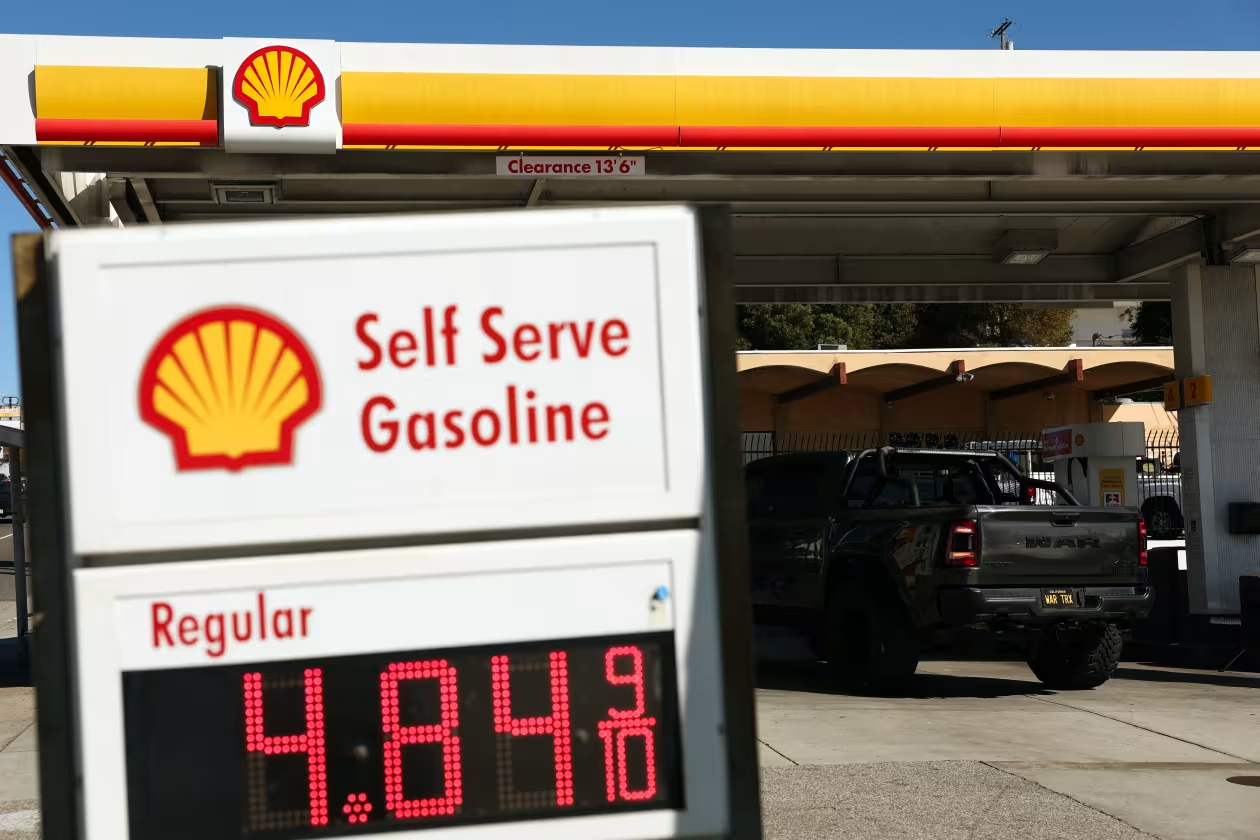
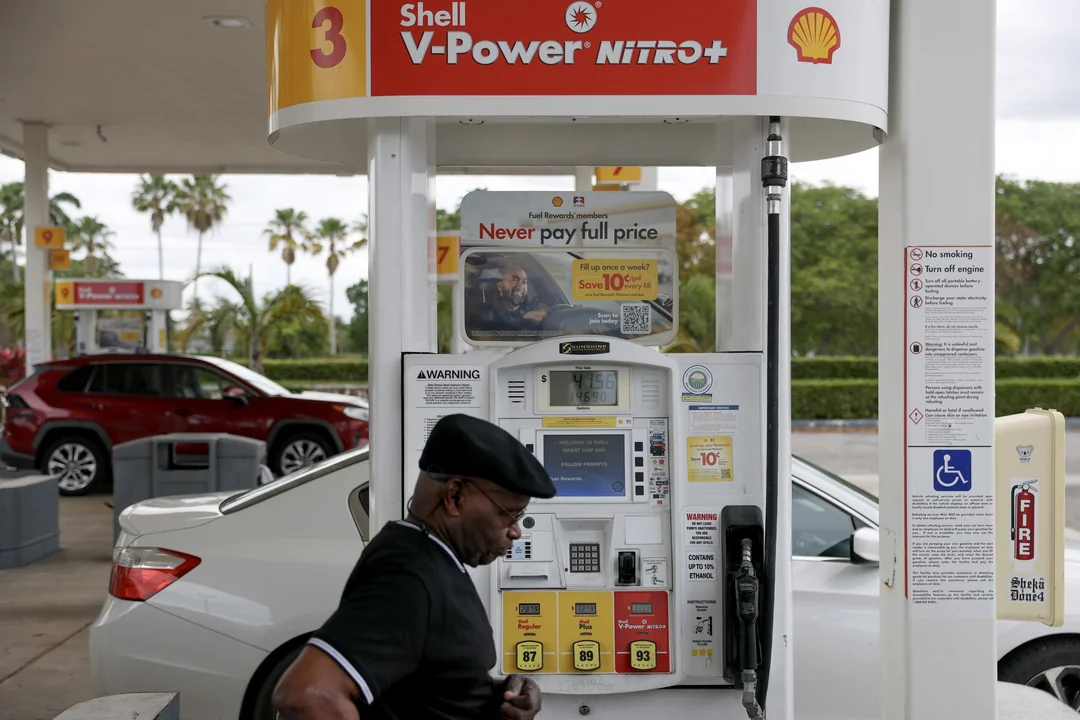
By April 12, reality began to set in. Despite the administration’s early optimism, gas prices remained stubbornly high, hovering around $4 per gallon. As the weeks passed and the situation in the Strait of Hormuz remained volatile, it became increasingly unlikely that gas prices would dip below $3 anytime soon.
Energy Secretary Wright, once a proponent of a quick recovery, began walking back his earlier statements. By mid-April, he admitted that a return to sub-$3 gas would be a more distant prospect. In an interview with CNN, he suggested that it might not happen until later in the year, or possibly even the following year, depending on how the war and global oil supply issues unfolded. His words, once filled with confidence, now reflected the harsh realities of a prolonged conflict with Iran.
Bessent’s More Modest Predictions
In the wake of Wright’s revised predictions, Treasury Secretary Scott Bessent took to the podium to provide yet another version of the administration’s gas price outlook. Speaking at a White House briefing on April 15, Bessent introduced a new timeline, predicting that gas prices would “have a three in front of it” sometime between June 20 and September 20.
This new prediction was a significant departure from Wright’s earlier comments. Whereas Wright had been aiming for gas prices below $3, Bessent’s new target was far less ambitious, implying that prices could remain anywhere from $3.00 to $3.99 per gallon. While this seemed like a more attainable goal, it was a far cry from the optimistic forecasts of weeks prior.
A Long Road Ahead
Despite these shifting predictions, Wright’s most pessimistic comments came on April 15, when he suggested that gas prices might not fall below $3 for quite some time. His admission that such a drop might not occur until next year was a sharp contrast to the early optimism the administration had projected. Wright emphasized that even $3 per gallon gas would be a major achievement, given the inflationary pressures on oil prices.
For many, this was a sign that the Trump administration had underestimated the severity of the situation and the long-term impact the war with Iran would have on global oil supplies. What was initially seen as a temporary setback had become a far more complicated and enduring crisis.
A Fiasco Unfolds
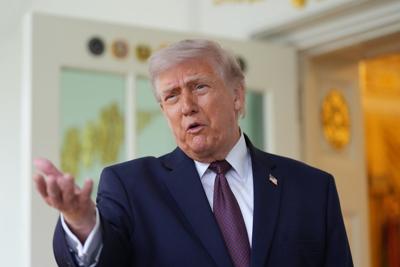
The back-and-forth between Trump, Wright, and Bessent exemplified the growing confusion and lack of discipline in the administration’s messaging. One moment, the president was optimistic, promising that gas prices would fall dramatically; the next, his energy secretary was predicting a much longer recovery timeline. The lack of a consistent, unified message only fueled public frustration, leaving Americans unsure of when, or if, they could expect relief at the pump.
This messaging debacle underscored a larger issue: the administration’s inability to adapt to the realities of a drawn-out war. Trump and his team had initially anticipated a swift resolution, but as the conflict dragged on, the consequences for oil prices became more severe and more unpredictable.
Public Frustration: The Cost of Gas and the Impact on Voters
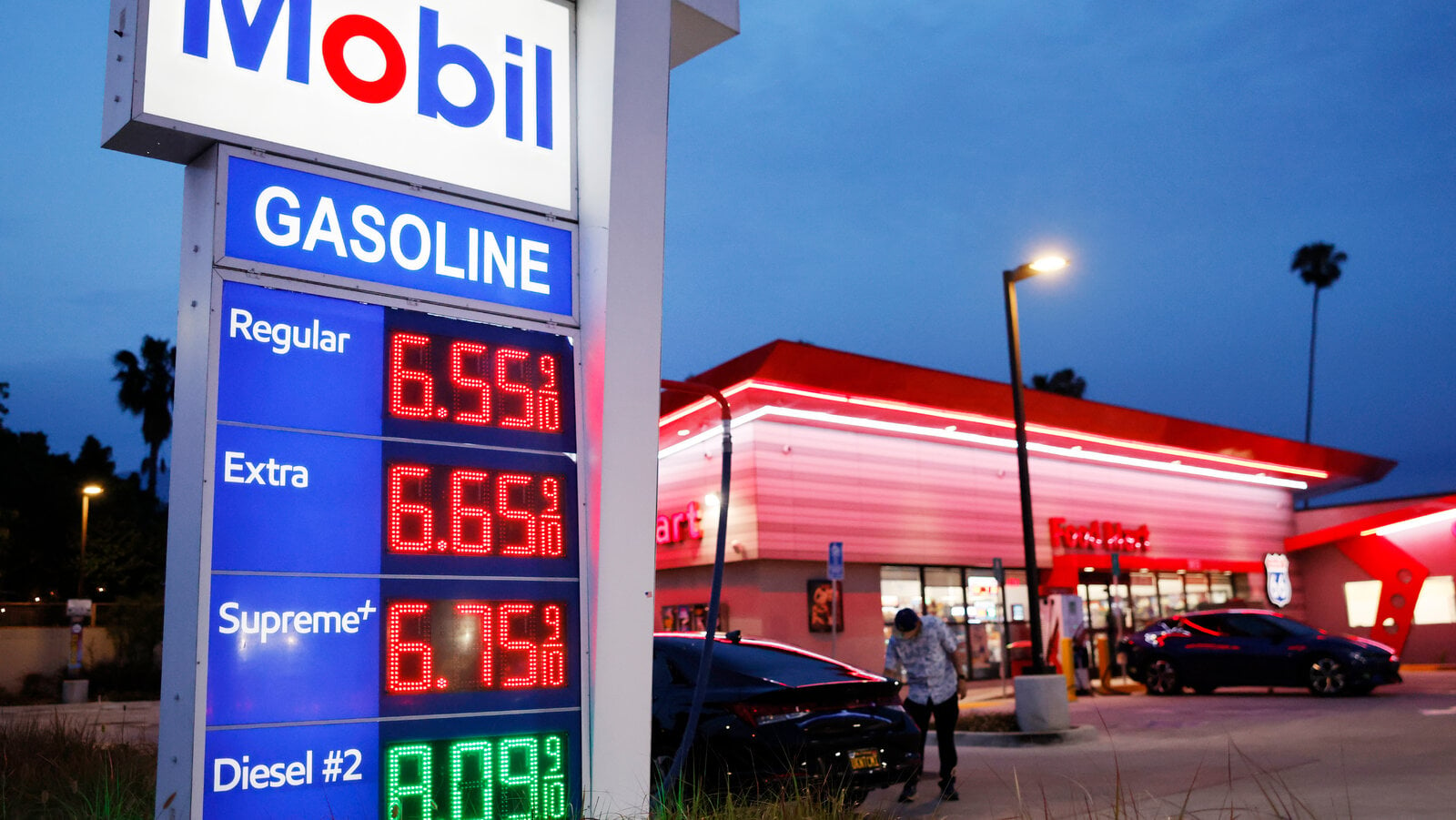
The ongoing confusion over gas prices has had tangible political consequences. For many voters, rising gas prices are a daily reminder of the costs associated with the ongoing Iran war. What was supposed to be a brief hardship has now become a protracted struggle, with no clear end in sight. This has left many Americans questioning whether the administration truly understands the complexities of the situation, and whether it has the competence to address the issue effectively.
For the Trump administration, the failure to deliver on its promises regarding gas prices could have serious political ramifications, particularly as the midterm elections approach. Voters who were led to believe that gas prices would soon fall may now feel betrayed by the administration’s shifting and inconsistent messages.
A Miscalculation?
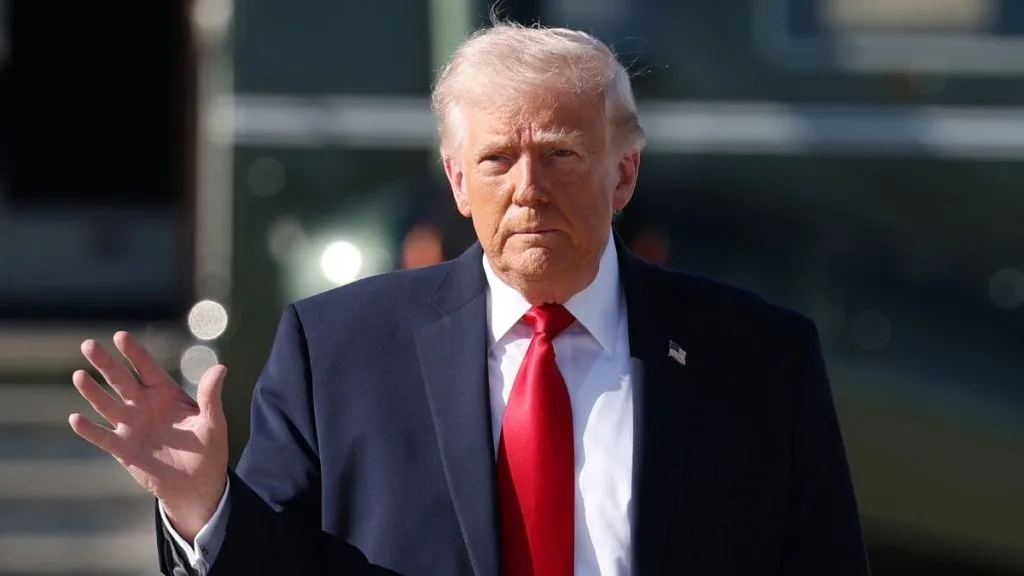
Trump’s repeated attempts to assure the public that gas prices would soon drop appear to have been miscalculations. While he wanted to present an optimistic view to reassure voters, the reality is that the situation was much more complex. The war with Iran has disrupted global oil markets, and the impact on gas prices is not something that can be quickly fixed with wishful thinking or political rhetoric.
This disconnect between Trump’s hopeful promises and the harsh reality of rising prices has left many questioning the administration’s grasp on the situation. The public is now faced with an uncomfortable truth: gas prices may remain high for the foreseeable future, and the government’s ability to fix the problem may be limited.
What This Means for Future Policy
This series of missteps on gas price predictions reflects a larger failure in the Trump administration’s handling of the Iran conflict. The lack of a coherent strategy and the repeated contradictions between top officials have undermined the administration’s credibility. As the war continues, it is clear that the government’s handling of the economic fallout—particularly with regard to gas prices—will remain a point of contention.
In the long run, this fiasco raises serious questions about how the U.S. should approach future conflicts, particularly when it comes to the economic consequences of such wars. With oil prices remaining volatile, policymakers may need to reassess how they communicate with the public about the potential costs of conflict and the steps needed to mitigate those costs.
A Lesson in Message Discipline
The Trump administration’s handling of gas price predictions during the Iran war serves as a cautionary tale in political messaging. What started as an attempt to reassure the public quickly turned into a series of contradictory statements that only deepened confusion. As gas prices continue to fluctuate and the war drags on, the public’s trust in the administration’s ability to manage the crisis will be tested. This situation underscores the importance of clear, consistent communication in times of national crisis and the need for political leaders to be grounded in the reality of the issues they face.