

Table of Contents
- Trump’s Faith and Leadership
- Faith and Politics: The Growing Intersection
- The Role of Faith in Political Leadership
- Trump’s Evangelical Support
- Moral Justification in Politics
- Trump’s Presidency: A Reflection of Religious Values?
- The Power of Political Rhetoric and Religion
- Faith and National Leadership
- The Future of Faith in Politics
- A Legacy Shaped by Faith
Trump’s Faith and Leadership
Throughout his presidency, Donald Trump often portrayed himself as a leader guided by faith. He frequently invoked God and religion in speeches, referring to his administration’s policies as morally sound and aligned with divine will. His connection to Evangelical Christians, a significant voting bloc, was a defining feature of his political identity. This group viewed him as a defender of traditional religious values, particularly in relation to issues like abortion and religious freedom. Trump’s comments about God’s approval of his presidency are consistent with the narrative he crafted throughout his time in office, portraying himself as a president with a divine mandate to lead the country in the right direction.
Faith and Politics: The Growing Intersection

Trump’s statement that God is proud of his presidency brings to light the growing intersection of faith and politics in contemporary American society. The influence of Evangelical Christians on political campaigns has been increasingly evident in recent years, with religious rhetoric often playing a central role in political messaging. For many voters, faith and morality are critical factors in determining a candidate’s suitability for office. By aligning himself with religious values, Trump sought to establish a moral framework for his presidency, appealing to voters who placed a high value on faith-based issues. His relationship with religious leaders, particularly Evangelicals, was a key element of his political strategy, and his claim of divine approval resonates deeply with this group.
The Role of Faith in Political Leadership
The question of whether faith should play a central role in political leadership is a subject of ongoing debate. Critics of Trump’s statement argue that the idea of divine approval for political actions can be dangerous, as it can be used to justify controversial decisions or policies under the guise of religious righteousness. They warn against the potential for faith to be used as a tool for political manipulation. On the other hand, many supporters of Trump believe that his relationship with God guided him to make decisions that were in the best interests of the country, especially on issues like religious freedom and the defense of traditional values. This divide highlights the broader conversation about the role of religion in politics and the potential consequences of intertwining faith with governance.
Trump’s Evangelical Support

One of the most significant elements of Trump’s presidency was his strong support from Evangelical Christians. Despite some initial skepticism about his personal faith, Trump managed to secure a loyal base of Evangelical voters, who saw him as a champion of their values. His administration’s actions, such as appointing conservative judges, withdrawing from the Paris climate agreement, and pushing for policies that supported religious freedoms, reinforced his appeal to this group. For Evangelicals, Trump’s rhetoric, including his claim that God was proud of his presidency, served as validation of their belief that he was fulfilling a divine purpose. His relationship with religious leaders, such as Jerry Falwell Jr. and Franklin Graham, helped solidify his position as a defender of Christian values in the political sphere.
Moral Justification in Politics
Trump’s claim that God was proud of his presidency also raises the issue of moral justification in politics. Throughout history, political leaders have used religious language to legitimize their actions, and Trump’s presidency was no exception. The idea that political decisions could be justified by divine will is a powerful tool, but it can also be controversial. For some, it raises questions about the ethical implications of relying on religious beliefs to guide policy decisions. The challenge lies in balancing the personal faith of political leaders with the broader secular principles upon which democratic systems are built. Critics argue that while faith can be a source of personal strength, it should not overshadow the need for rational, evidence-based policymaking.
Trump’s Presidency: A Reflection of Religious Values?
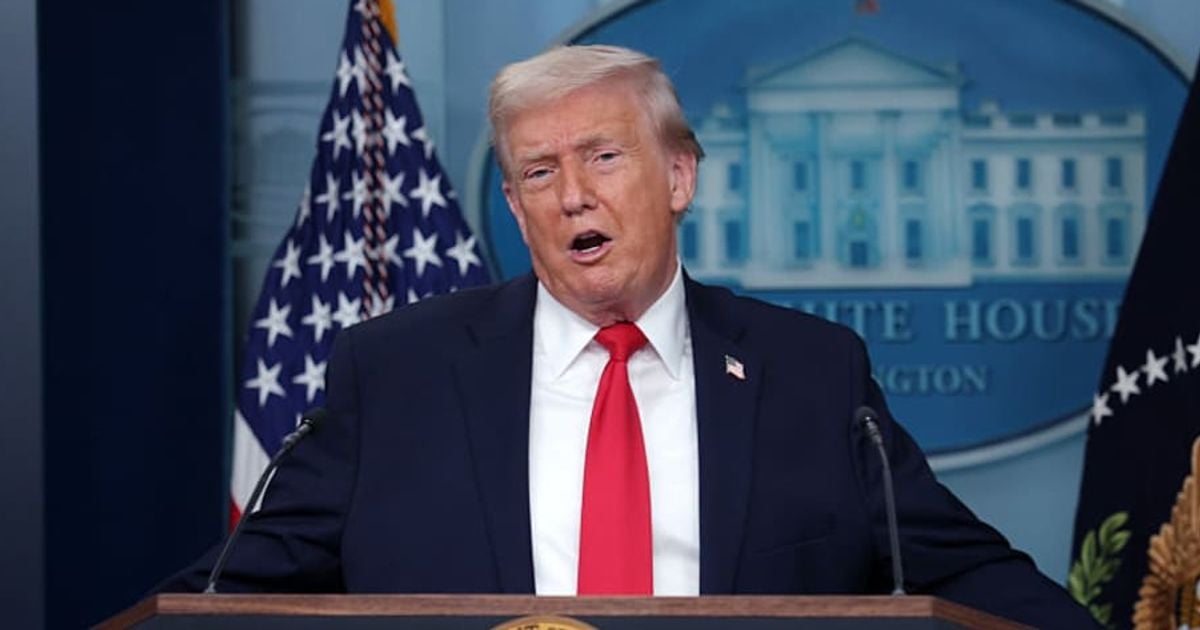
During his time in office, Trump often positioned his policies as a reflection of Christian values. His stance on issues such as abortion, LGBTQ+ rights, and religious freedoms mirrored the beliefs of many conservative Christians. For his supporters, his actions were seen as aligning with the teachings of the Bible, particularly on moral issues. However, his critics have questioned whether his actions truly reflected Christian principles, pointing to his divisive rhetoric, policies that appeared to favor the wealthy, and his personal conduct. The question remains: was Trump’s presidency truly a reflection of Christian values, or was it more about using religion as a tool for political gain?
The Power of Political Rhetoric and Religion
The intersection of political rhetoric and religion has always been a powerful force in American politics. Throughout history, political leaders have invoked God to rally support, justify decisions, and present themselves as moral leaders. Trump’s use of religious rhetoric was no different. His statement that God was proud of his presidency served as a way to frame his leadership in moral and religious terms, appealing to voters who placed a high value on faith. However, this type of rhetoric can be polarizing, especially when it comes to the separation of church and state. Some view it as a way to bolster support among religious voters, while others see it as an attempt to validate policies through religious authority.
Faith and National Leadership
Trump’s relationship with faith also raises important questions about the role of religion in national leadership. The U.S. Constitution enshrines the separation of church and state, yet religion has historically played a role in shaping the moral framework of political leaders. For many, faith is an integral part of their identity and worldview, and they expect their leaders to reflect those values. Trump’s statement about God’s approval of his presidency underscores the desire of many Americans to see their leaders grounded in faith. However, this also raises concerns about the potential for religious belief to influence policy decisions, particularly in a diverse country with people of many different faiths and beliefs.
The Future of Faith in Politics

As the U.S. moves forward, the role of faith in politics will continue to be a topic of significant discussion. The influence of Evangelical Christians, as well as other religious groups, on political decisions remains strong, and candidates will likely continue to use religious rhetoric to appeal to voters. However, the conversation about the separation of church and state is likely to intensify, particularly as more diverse religious groups gain prominence in the political sphere. Trump’s presidency has highlighted the increasing importance of religion in politics, but it has also raised questions about the boundaries between personal faith and public policy. The future of faith in politics will depend on how political leaders navigate these complex issues.
A Legacy Shaped by Faith
Donald Trump’s statement that God is proud of his presidency reflects the significant role that religion played in his time in office. Whether one agrees with his policies or not, his use of religious language and his connection with Evangelical Christians shaped the political landscape during his presidency. His relationship with faith, and his ability to tie his leadership to divine approval, was a hallmark of his political rhetoric. As the nation moves forward, the intersection of faith and politics will continue to be an area of intense debate, with leaders using religion to shape their policies and justify their decisions. Trump’s claim that God is proud of his presidency may be seen as a reflection of his deep connection to his religious base, but it also underscores the broader question of how faith should influence political leadership in the future.