
Table of Contents
The Video That Sparked Outrage
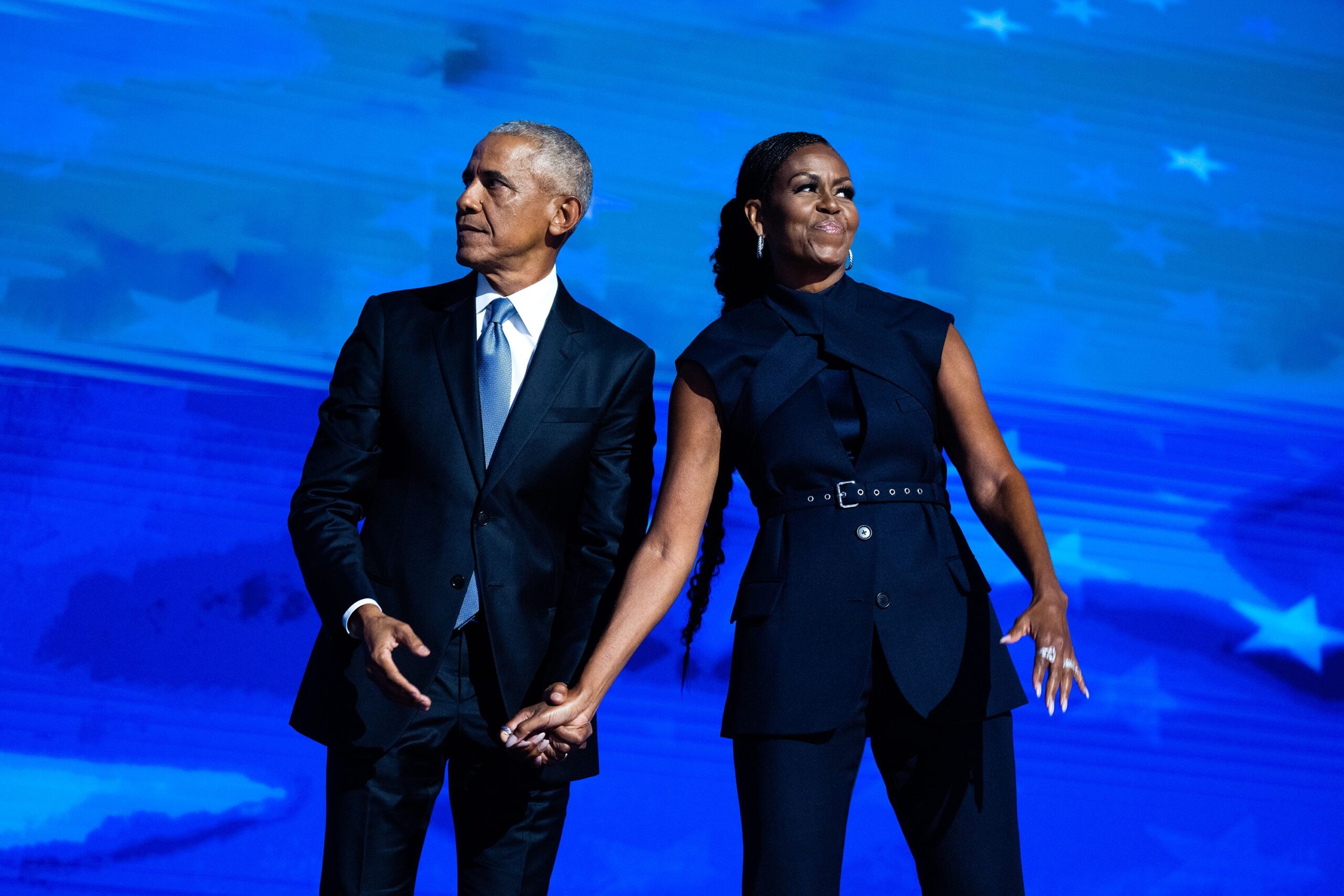
The video that Trump shared on Truth Social depicted the Obamas in an undeniably racist light, comparing them to apes. While the video was quickly removed from the platform, the damage had already been done. Many saw it as a deliberate attempt to stoke racial divisions and perpetuate harmful stereotypes that have been a hallmark of Trump’s rhetoric throughout his career.
Though the video was deleted, Trump’s decision to share it has not been forgotten. The racist imagery used in the video is part of a long history of derogatory depictions of Black Americans, especially in political and media discourse. The incident quickly gained national attention, with critics accusing Trump of using his platform to incite hatred and division.
Trump’s Refusal to Apologize
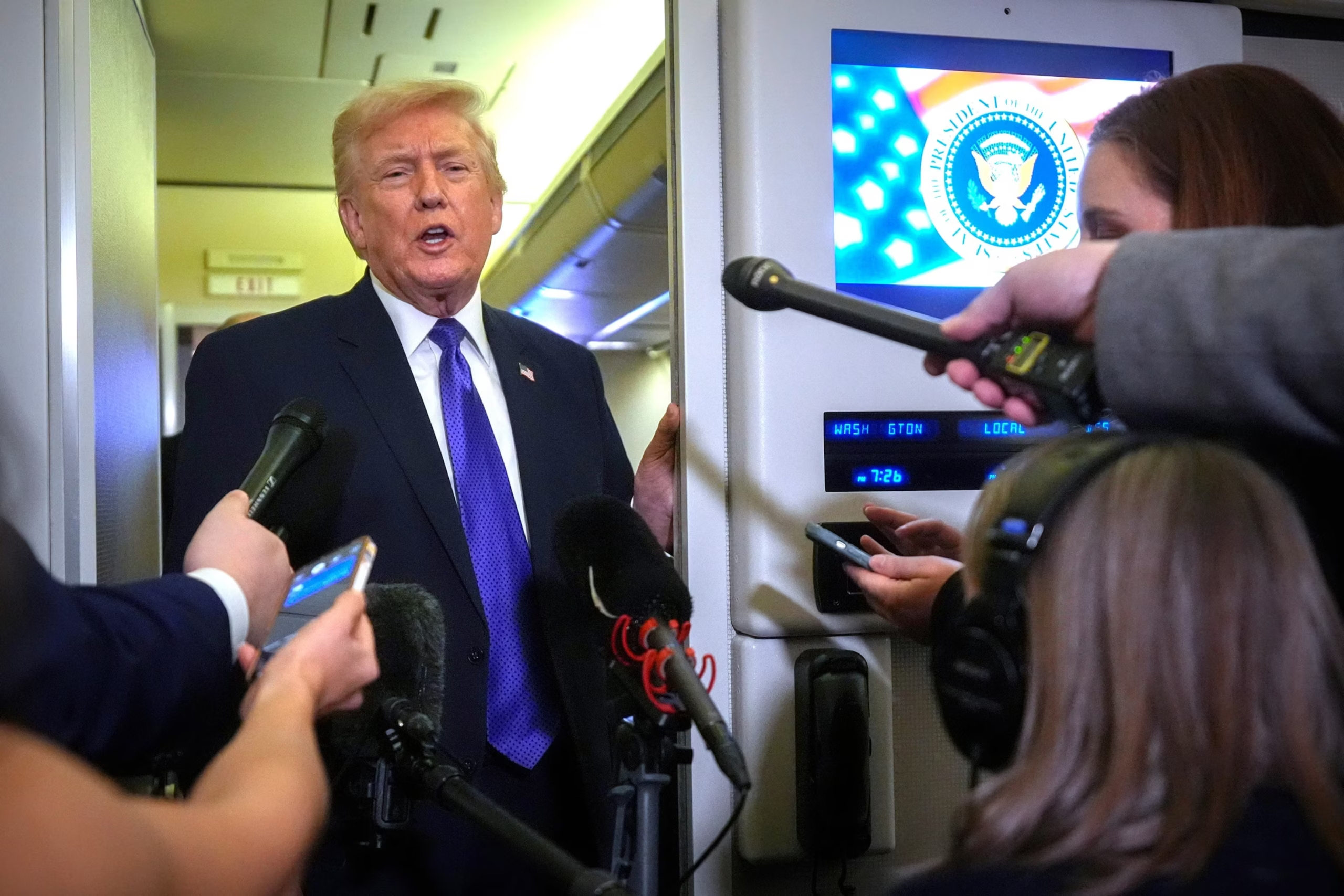
Despite the widespread outrage over the video, Trump refused to issue a public apology. Instead, he doubled down, asserting that the video had been taken out of context and that he had not intended to offend anyone. His supporters rallied behind him, claiming that the uproar was simply another example of the liberal media trying to undermine his influence and stifle free speech.
For many, this refusal to apologize only added fuel to the fire, revealing Trump’s unwillingness to take responsibility for his actions. His comments, made via Truth Social, serve as a reminder of his contentious relationship with public accountability, and how he continues to navigate political and racial discourse with little regard for the consequences.
The Role of Truth Social in Shaping Political Discourse
Truth Social, Trump’s social media platform, has become a central part of his political identity. After being banned from Twitter and Facebook in 2021, Trump launched Truth Social as a way to circumvent the restrictions of traditional social media platforms. The platform has since become a haven for Trump’s supporters, but it has also been criticized for allowing harmful and divisive rhetoric to flourish without much regulation.
The video incident raises questions about the role of Truth Social in spreading hate speech and misinformation. Unlike more mainstream platforms, Truth Social operates with fewer content restrictions, allowing posts that would likely be flagged or removed elsewhere. The platform’s ability to spread inflammatory content unchecked is a concern for many, especially as it becomes an increasingly important tool in Trump’s ongoing political strategy.
Reactions from Democrats and Republicans
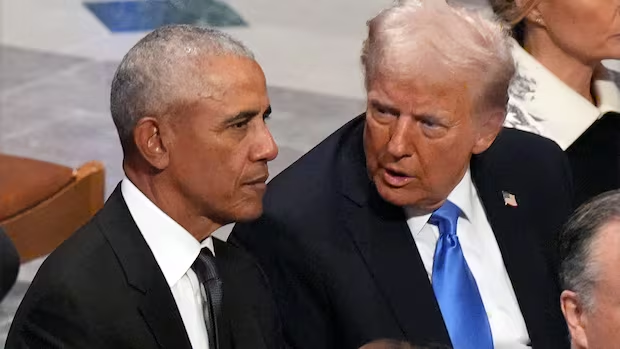
Reactions to Trump’s video have been swift and intense. Many Democrats have condemned the video as a racist attack on the Obamas, calling it a direct assault on their legacy. Some members of Congress have demanded that Trump apologize, while others have called for further investigations into the incident.
On the Republican side, responses have been more divided. While some party members have distanced themselves from Trump’s actions, others have defended him, citing the right to free speech and claiming that the video was taken out of context. Trump’s supporters argue that the media is once again attempting to smear the former president and silence conservative voices.
This division within the GOP highlights the ongoing internal struggle between traditional conservatives and the more populist, Trump-aligned wing of the party. Trump’s comments, coupled with the refusal to apologize, have further deepened these divisions, raising questions about the future direction of the party.
The Social Media Dilemma
The Trump incident brings to light the ongoing debate over the role of social media in politics. On one hand, platforms like Truth Social provide a space for individuals to express their views freely, without the fear of censorship. On the other hand, the unchecked spread of harmful rhetoric—especially when it comes from public figures—raises serious ethical questions.
Should public figures be allowed to use social media platforms to spread offensive or divisive content? At what point does free speech become hate speech? The incident with Trump underscores the need for clearer guidelines on what constitutes acceptable content on social media, particularly when it comes to the responsibility of those with large followings.
The Ethical Implications of Trump’s Comments
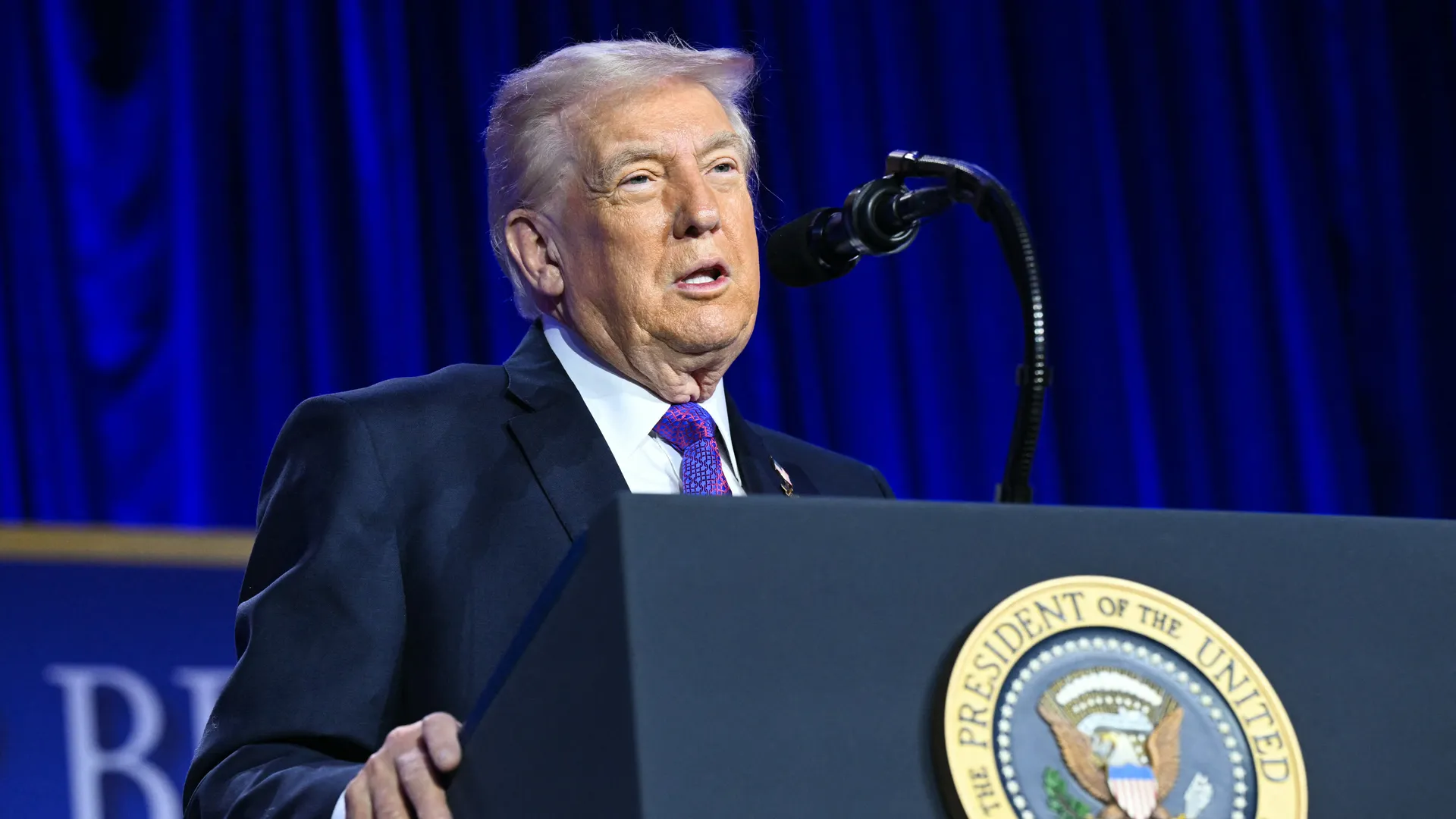
Trump’s decision to share a racist video—and his refusal to apologize—raises important ethical questions about the responsibilities of public figures. As a former president with a large platform, Trump’s actions have far-reaching consequences, not only in terms of political discourse but also in how they affect race relations in America.
The video incident also calls into question the broader issue of accountability in the digital age. In a world where information spreads faster than ever, the impact of inflammatory content is more immediate and widespread than in the past. With millions of people able to view, share, and amplify content on social media, the responsibility for ensuring that harmful content doesn’t spread lies with both the individuals posting it and the platforms hosting it.
The Political Fallout
The fallout from this incident is likely to have implications for Trump’s 2026 campaign. As we approach the next presidential election, Trump’s ability to win over moderate voters could be affected by his continued use of divisive rhetoric. While his base remains fiercely loyal, incidents like this one may alienate independent voters who are weary of the constant controversy surrounding his political career.
Some political analysts believe that this video scandal could hurt Trump’s chances of winning the support of more centrist Republicans, especially those who are already uneasy about his behavior. Others argue that his refusal to apologize will only further solidify his standing among his core supporters, who view his unfiltered approach as a refreshing change from the political establishment.
Conclusion:
In the aftermath of Donald Trump’s controversial video post on Truth Social, the political landscape is once again in turmoil. While Trump’s supporters defend his right to express himself, critics argue that his refusal to apologize only deepens the divisions in American politics. This incident is a reminder of the power of social media in shaping political discourse, and the ethical dilemmas that come with it. As we approach the 2026 election, it is clear that Trump’s influence, and the controversies that come with it, will continue to play a significant role in American politics. Whether or not this incident will damage his political prospects remains to be seen, but one thing is certain: the debate over race, social media, and free speech is far from over.