

Table of Contents
- A Bold Move in the Fight Against the Opioid Crisis
- Fentanyl’s Lethality: Why It Deserves the WMD Label
- What This Executive Order Means for National Security
- The Global Implications: Tackling Fentanyl Trafficking Across Borders
- The Legal and Practical Implications of the Executive Order
- The Debate: Is Fentanyl a WMD?
- The Public Health Response to Fentanyl
- Conclusion: A Historic Step Toward Combating the Opioid Crisis
A Bold Move in the Fight Against the Opioid Crisis
When President Trump signed the executive order classifying fentanyl as a weapon of mass destruction (WMD), it sent shockwaves through the nation’s political landscape. Fentanyl, a synthetic opioid responsible for thousands of overdose deaths annually, has been at the heart of the U.S. opioid crisis. This new designation reflects the severity of the ongoing drug epidemic and underscores the U.S. government’s commitment to combatting fentanyl trafficking and its devastating effects on public health and national security.
Fentanyl’s potency, with a small amount being lethal, has led to a dramatic increase in deaths and addiction rates. By classifying fentanyl as a WMD, President Trump is taking an unprecedented step to address the crisis and disrupt the supply chains of the dangerous substance. This executive order could have lasting implications for how the U.S. approaches drug trafficking and security, and it may influence future legislation aimed at curbing the opioid epidemic.
Fentanyl’s Lethality: Why It Deserves the WMD Label
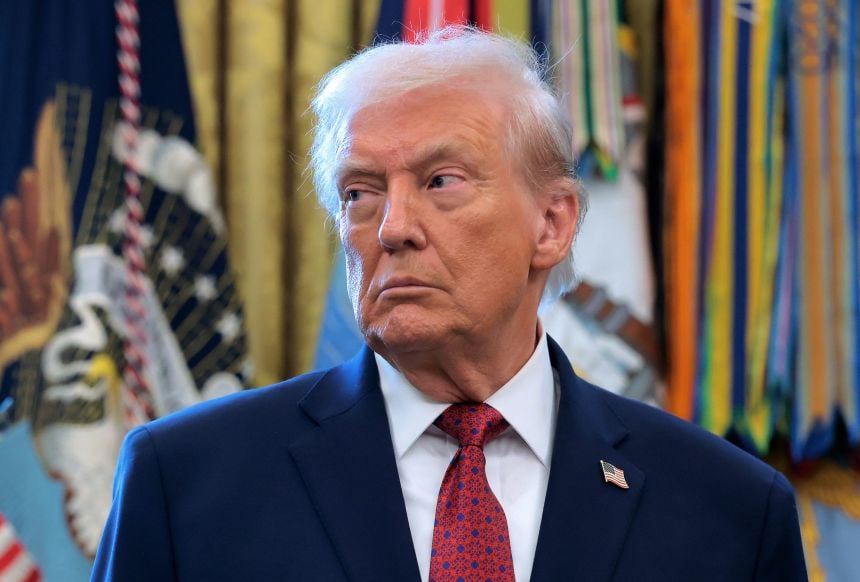
Fentanyl is estimated to be 50 to 100 times more potent than morphine and heroin, making it a highly dangerous substance even in minute amounts. Its powerful effects on the body, including respiratory depression and overdose, make it a significant public health threat. The U.S. Drug Enforcement Administration (DEA) has linked fentanyl to a staggering number of overdose deaths, with the Centers for Disease Control and Prevention (CDC) reporting that fentanyl was involved in nearly 60% of all opioid-related deaths in 2020.
The executive order signed by President Trump officially recognizes the threat posed by fentanyl, elevating it to the status of a weapon of mass destruction. This decision is largely based on fentanyl’s ability to cause mass harm, not only through its direct effects but also by enabling drug cartels to manufacture and distribute the substance on a large scale. The WMD classification highlights the urgency of the issue and reflects the scale of the damage caused by fentanyl trafficking in the U.S.
By recognizing fentanyl as a WMD, the U.S. government is taking an assertive approach to combating its spread and reducing its availability on the streets. This move is seen as an attempt to address both the public health crisis and the national security concerns associated with fentanyl trafficking.
What This Executive Order Means for National Security
The classification of fentanyl as a weapon of mass destruction is a major step in the broader effort to secure the U.S. from drug-related threats. Fentanyl is often produced in clandestine labs in countries like China and Mexico, where it is smuggled into the U.S. through international drug cartels. These cartels have profited from the widespread distribution of fentanyl, creating a global network of illegal trade.
Under the new executive order, fentanyl trafficking will be treated with the same severity as the trafficking of other WMDs, such as chemical or biological agents. This allows the U.S. to take more aggressive steps to intercept fentanyl shipments and dismantle the networks responsible for its distribution. The U.S. government will now have more tools at its disposal to target individuals and organizations involved in the fentanyl trade, including the use of economic sanctions and asset freezes.
The decision also aligns with the Trump administration’s broader efforts to counter drug cartels and reduce the flow of illegal substances into the U.S. By designating fentanyl as a WMD, the administration is signaling its commitment to combatting the opioid crisis with a stronger, more coordinated response.
The Global Implications: Tackling Fentanyl Trafficking Across Borders
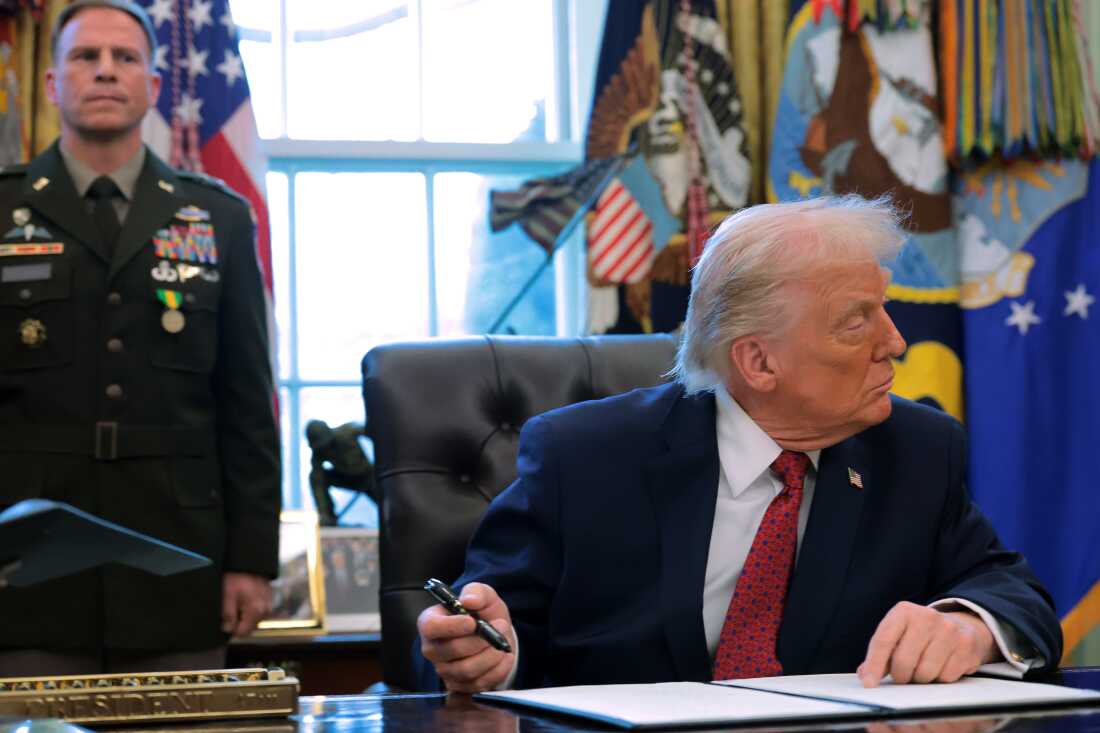
The international dimension of fentanyl trafficking is one of the key reasons behind the U.S. decision to classify it as a WMD. Fentanyl’s widespread availability in the U.S. is largely the result of illicit supply chains spanning across borders, particularly from China and Mexico. While China has taken steps to regulate fentanyl production, experts argue that the illegal market for the drug remains a significant threat.
Under the new executive order, the U.S. can impose sanctions on foreign individuals, entities, and governments found to be facilitating fentanyl production or trafficking. This move is expected to intensify diplomatic pressure on countries involved in the illicit fentanyl trade, particularly those whose governments are not doing enough to combat the production and distribution of the drug. The U.S. may also work with international partners to increase the monitoring and enforcement of fentanyl regulations.
By designating fentanyl as a WMD, the U.S. is setting a precedent for global cooperation in tackling the opioid crisis. Countries around the world may be encouraged to adopt similar measures, making it harder for drug cartels to operate unchecked. The global fight against fentanyl trafficking is a key part of President Trump’s strategy to reduce the drug’s availability and disrupt the networks that sustain its illegal trade.
The Legal and Practical Implications of the Executive Order
The executive order has significant legal and practical implications for both U.S. law enforcement and international trade. With fentanyl now classified as a WMD, the legal framework for prosecuting those involved in its trafficking has been expanded. This classification gives federal agencies, including the DEA and FBI, greater authority to take action against fentanyl distributors and producers.
Law enforcement agencies will also have more resources to combat fentanyl trafficking on the ground. The order provides a basis for increased surveillance, intelligence-sharing, and coordination with international law enforcement agencies to track and intercept fentanyl shipments. Additionally, U.S. Customs and Border Protection (CBP) will be better equipped to detect and prevent fentanyl from entering the country.
For those involved in the legal production and distribution of opioids, such as pharmaceutical companies, the executive order may also lead to increased scrutiny and regulation. The government’s efforts to control the flow of fentanyl could prompt stricter regulations for other controlled substances, affecting both the medical and pharmaceutical sectors.
The Debate: Is Fentanyl a WMD?

While many have praised the executive order, there is some debate about whether fentanyl should be classified as a WMD. Critics argue that while fentanyl is undoubtedly dangerous, its classification as a WMD could lead to overreach and unnecessary government intervention. Some believe that focusing too much on the WMD designation could divert attention from more effective approaches to tackling the opioid crisis, such as improving addiction treatment and prevention programs.
Others argue that the WMD classification is justified given the catastrophic impact fentanyl has had on U.S. communities. With overdose deaths reaching unprecedented levels, some believe that extraordinary measures are needed to address this public health crisis. The WMD classification sends a clear message that fentanyl is not just a street drug but a significant threat to national security and public health.
The Public Health Response to Fentanyl
Alongside this executive order, the U.S. government continues to push for comprehensive public health measures to combat the opioid crisis. The opioid epidemic has taken a devastating toll on communities across the U.S., with fentanyl playing a central role in the surge of overdose deaths. While law enforcement efforts are important, many experts emphasize that prevention, education, and treatment are key to addressing the root causes of addiction.
The government has increased funding for addiction treatment programs and initiatives aimed at raising awareness about the dangers of fentanyl. Public health officials are also working to expand access to naloxone, an opioid overdose reversal drug, to help prevent deaths in communities hardest hit by the opioid crisis.
Despite these efforts, many believe that the opioid epidemic cannot be solved through law enforcement alone. It will require a comprehensive approach that includes not only tackling the supply of illicit fentanyl but also providing support and resources for those affected by addiction.
Conclusion: A Historic Step Toward Combating the Opioid Crisis
President Trump’s decision to sign the executive order classifying fentanyl as a weapon of mass destruction represents a bold and historic move in the fight against the opioid crisis. By recognizing the catastrophic impact of fentanyl on American communities, the U.S. government is taking an unprecedented step to combat the drug’s spread and the cartels responsible for its trafficking.
While the road ahead will undoubtedly be challenging, the executive order sends a clear message that the U.S. is committed to taking decisive action against fentanyl and its distributors. As this policy unfolds, it is essential to continue the conversation about how to balance law enforcement efforts with public health solutions to ensure a sustainable approach to solving the opioid epidemic.