
Table of Contents
Background on the Incident
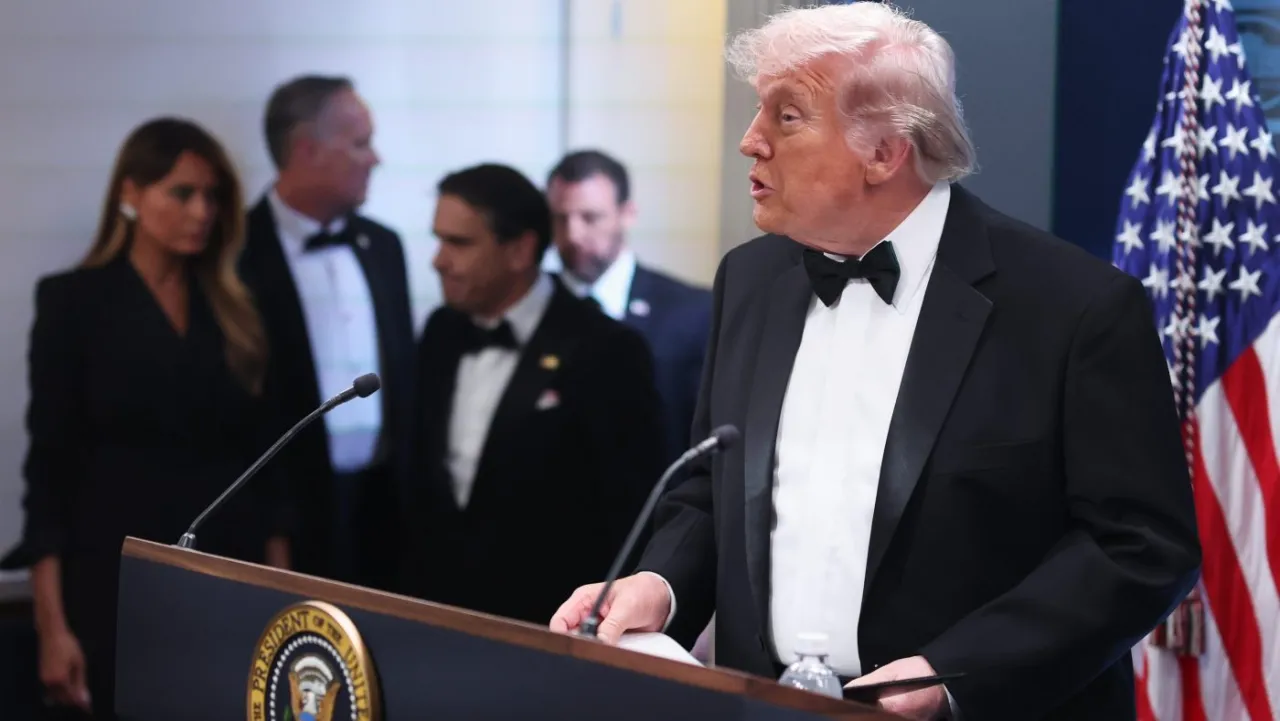
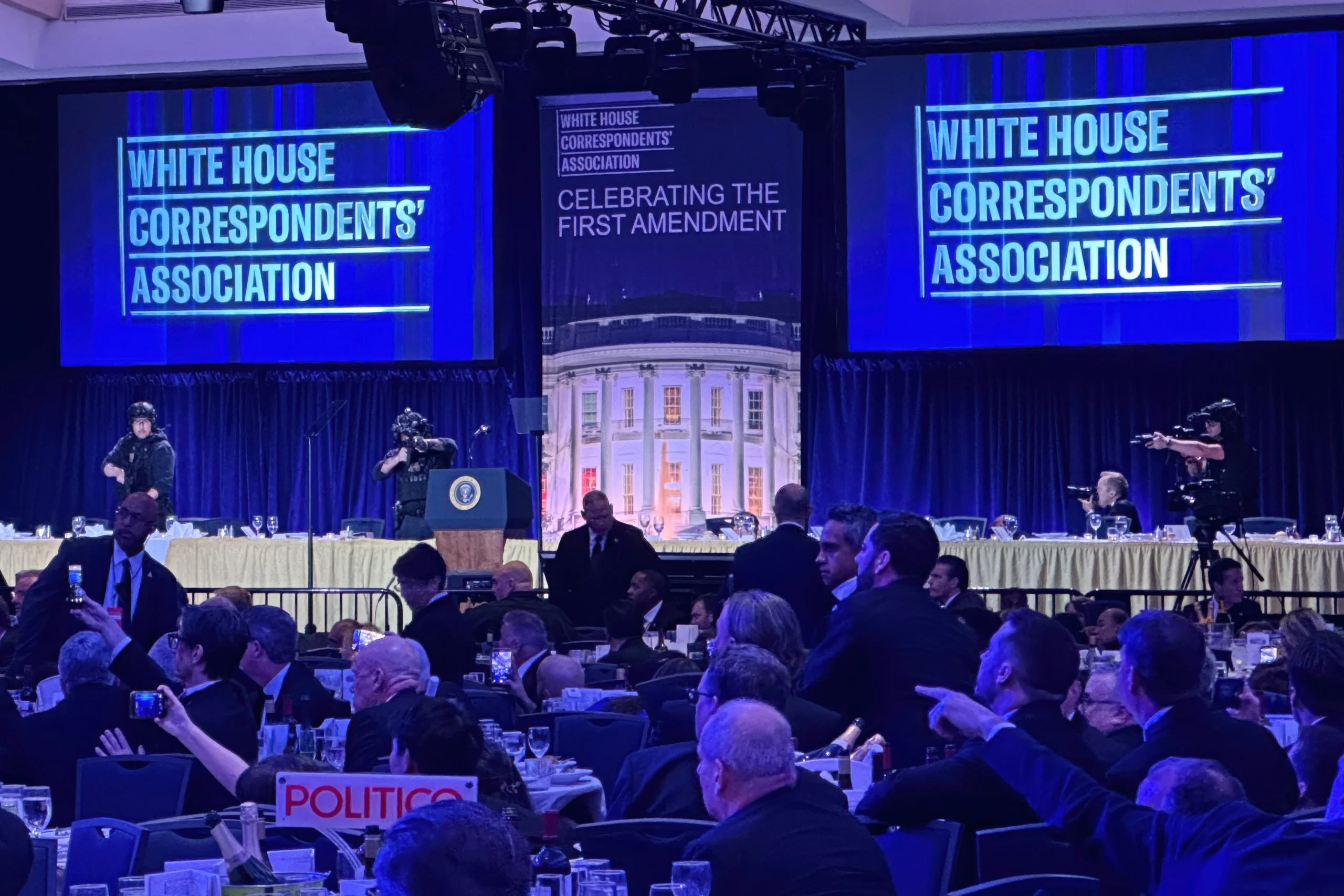
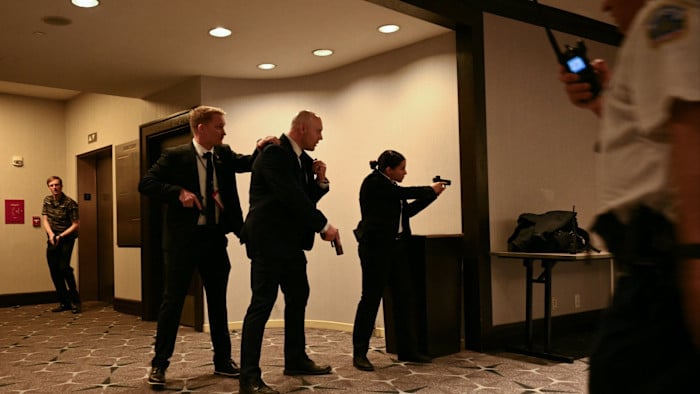
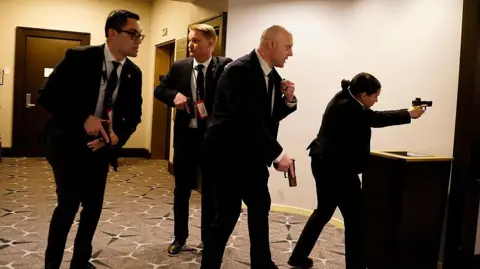
The shooting at the White House Correspondents’ Dinner sent ripples of alarm through Washington. The suspect, 31-year-old Cole Tomas Allen, managed to bypass security and fire shots at the event, which was attended by key political figures, including President Trump. Although the incident did not directly endanger the president, it has raised serious concerns about the vulnerabilities within the current White House security setup.
Federal authorities quickly identified Allen as a California resident with apparent grievances against the Trump administration. His manifesto, which specifically targeted the president and his officials, added weight to the notion that this was no random attack. In the aftermath, Trump seized the opportunity to reinforce his stance on the need for an enhanced security infrastructure at the White House.
Trump’s Defense of the Ballroom
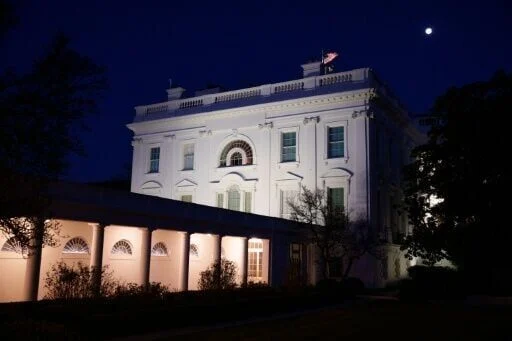
In a series of Truth Social posts, President Trump used the shooting to justify the ongoing construction of the new ballroom at the White House. “This event would never have happened with the Militarily Top Secret Ballroom currently under construction at the White House,” he claimed. The ballroom, a project years in the making, is said to be equipped with bulletproof glass, drone-proof security features, and other advanced measures designed to protect the nation’s highest officials.
Trump emphasized that the need for such a facility had been a priority for military and law enforcement agencies for over a century. The president’s remarks highlighted how the security of the White House, especially in light of recent threats, warranted such a significant investment.
The Ballroom: A Symbol of Controversy
The ballroom’s construction has not been without controversy. Opponents of the project, including preservationists and members of the Democratic Party, have argued that it serves more as a personal vanity project for Trump than a true national security measure. The demolition of the White House East Wing to make way for the ballroom further fueled criticism. Critics have questioned the secrecy surrounding the project’s funding, which is reportedly being backed by private donors.
Despite these concerns, Trump and his allies have defended the project, stressing that the national security benefits outweigh the criticisms. “Nothing should be allowed to interfere with the construction, which is on budget and substantially ahead of schedule,” Trump declared in one of his social media posts.
Legal and Political Challenges
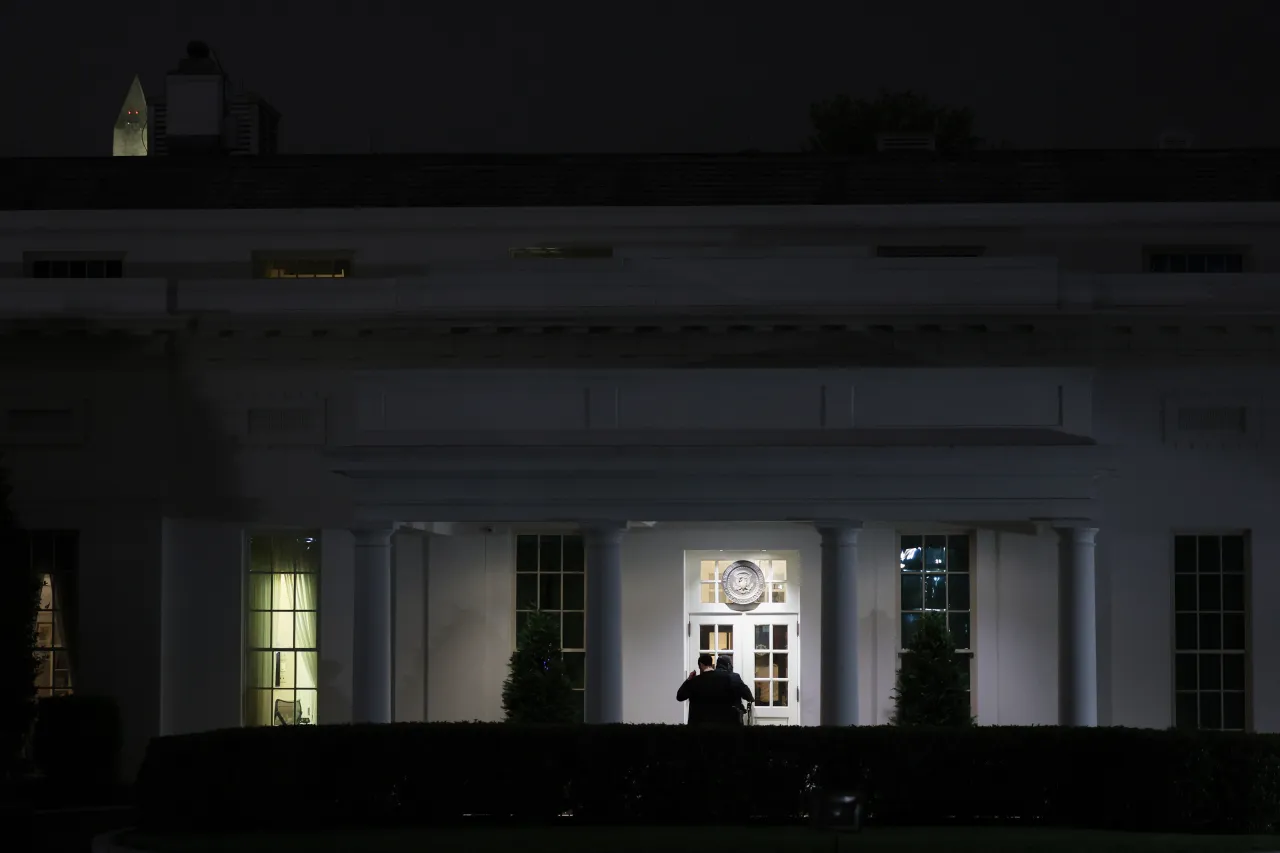
The ballroom’s construction has faced multiple legal hurdles. In March 2026, a federal district judge ruled that work should be halted due to the lack of proper congressional approval. However, the U.S. Court of Appeals overruled the decision, allowing construction to continue. The legal battle has only intensified the political tension surrounding the project, with Trump accusing his opponents of obstructing vital security measures.
The case is set to return to court in June 2026, with the fate of the ballroom still in limbo. The ongoing legal wrangling raises questions about the intersection of national security and political interests, with some suggesting that the ballroom could be used as a tool to further entrench Trump’s political legacy.
A High-Stakes Game of Politics
The construction of the ballroom has become more than just a real estate project—it is now a political flashpoint. The controversy surrounding the ballroom is emblematic of Trump’s broader approach to governance, where security, politics, and personal ambition often intertwine. Supporters view the ballroom as a necessary investment in the safety of the president and other high-ranking officials. Opponents see it as a symbol of wasteful spending and political grandstanding.
As the debate rages on, it is clear that the ballroom will continue to be a point of contention. Whether it ultimately strengthens the security of the White House or serves as a testament to the excesses of Trump’s administration remains to be seen.
The Ballroom’s Potential Impact on Security
From a purely security-focused perspective, the ballroom’s advanced features could indeed provide a significant upgrade to the White House’s infrastructure. With the ever-growing threats facing world leaders, including the rise of drone technology and the increasing sophistication of attacks, the need for secure, state-of-the-art facilities is undeniable. The ballroom’s design incorporates features that could potentially prevent future attacks, making it a valuable addition to the White House.
However, the question remains: is a $400 million ballroom the best use of resources in an era of heightened global insecurity? Critics argue that the funds could be better spent on broader security initiatives, such as upgrading intelligence-gathering capabilities or improving physical barriers around the White House.
The Public’s Reaction
The public’s response to the ballroom project has been mixed. While some support the idea of a more secure White House, others are troubled by the lack of transparency surrounding the project. The high price tag, combined with the secretive funding sources, has led many to question whether the ballroom is truly a necessity or a lavish display of power.
The controversy surrounding the ballroom mirrors the polarized political climate in the U.S., where public trust in government institutions has been steadily eroding. The ballroom has become a symbol not just of Trump’s presidency, but of the growing divide in American politics.
What Happens Next?
As the court case over the ballroom’s construction continues, the question remains: will this project prove to be a wise investment in national security, or will it be remembered as a wasteful indulgence? The future of the White House ballroom is uncertain, but its place in the broader narrative of Trump’s presidency is clear.
The legal and political challenges surrounding the ballroom are unlikely to subside anytime soon. As the case moves through the courts, it is probable that the ballroom will continue to serve as a lightning rod for criticism, even as construction continues.
A Legacy in the Making
The construction of the White House ballroom is more than just a story about a building. It is a reflection of the larger debates about security, privilege, and political power that have defined Donald Trump’s time in office. Whether the ballroom becomes a symbol of national security or a monument to Trump’s personal ambitions remains to be seen, but one thing is certain: the controversy surrounding it will persist long after the final brick is laid.