
Table of Contents
The Warning to Police
In 2006, Donald Trump, a wealthy businessman and social figure at the time, was reportedly concerned about the behavior of Jeffrey Epstein. The two had been acquainted for years, with Trump previously describing Epstein as a “terrific guy” and someone he had spent time with at social gatherings. However, in a conversation with police at the time, Trump allegedly warned that Epstein was a “bad guy” and might be engaging in improper behavior.
According to reports, Trump’s warning about Epstein occurred amid mounting scrutiny over the financier’s conduct, which was already known to include relationships with underage girls and women. Epstein, who had been under investigation by law enforcement for several years, had already faced accusations of sexual abuse and exploitation, and a number of women had come forward with allegations of abuse.
In light of these reports, Trump’s 2006 warning to the police raises significant questions. Why did Trump, who had been associated with Epstein for years, suddenly come forward with such a warning? Was he truly concerned about Epstein’s activities, or was this merely an attempt to distance himself from Epstein as the latter’s crimes began to surface?
Epstein’s Known History
To understand the significance of Trump’s warning, it’s essential to consider Epstein’s criminal history. The financier was arrested in 2005 for allegedly molesting a minor, which led to a plea deal in 2008 that saw him convicted of procuring a person under 18 for prostitution, though the charges were much less severe than his alleged actions. Epstein was sentenced to just 13 months in a county jail, which many saw as a lenient punishment given the scale of his crimes.
In 2019, Epstein was arrested again on federal charges of sex trafficking of minors, and he was later found dead in his jail cell under suspicious circumstances. His 2008 conviction, however, had allowed him to continue his life of luxury, which included access to high-profile individuals like Trump, former presidents, politicians, and royalty. These associations have raised questions about whether those close to Epstein were aware of his crimes and whether they helped facilitate his actions.
Trump’s warning about Epstein to the police in 2006, when Epstein was still operating with impunity, suggests that he may have been more aware of Epstein’s behavior than he let on publicly. This could indicate that Trump had some knowledge of Epstein’s criminal activities long before they became widely known, raising new questions about what Trump knew and when he knew it.
The Relationship Between Trump and Epstein
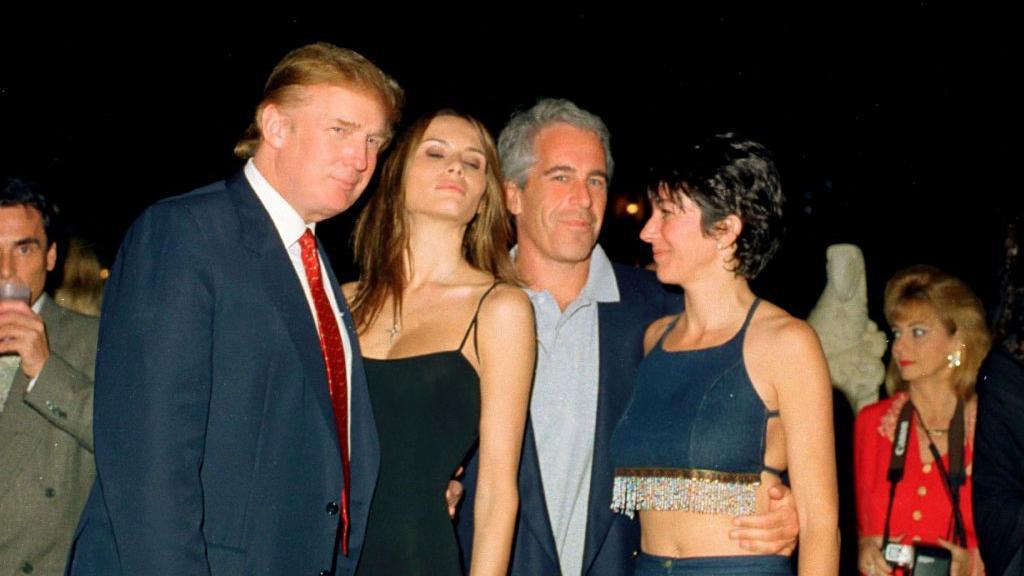
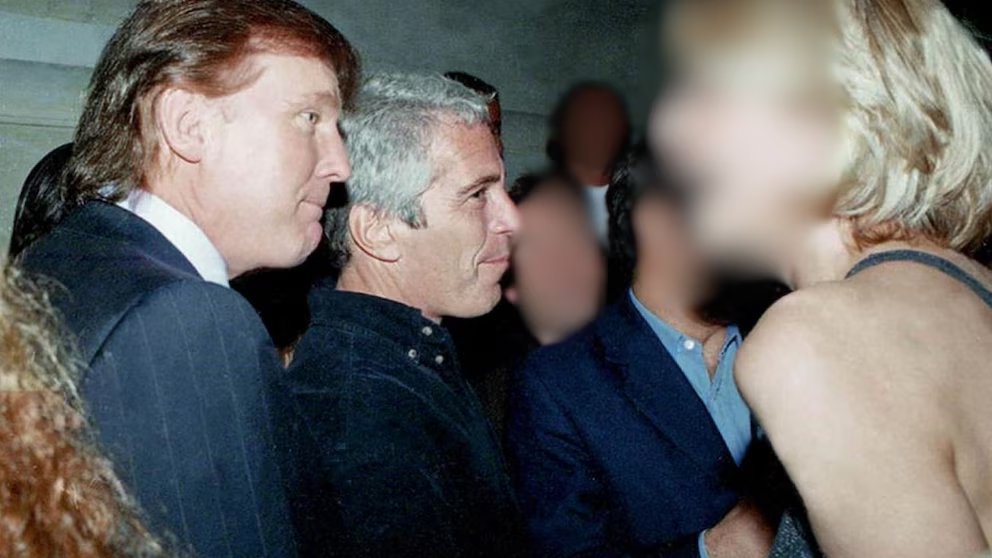
The nature of the relationship between Donald Trump and Jeffrey Epstein has long been a subject of intrigue. The two men were often seen together at social events, particularly at Mar-a-Lago, Trump’s private club in Palm Beach, Florida. Epstein’s presence at these high-profile events, alongside other notable figures, suggested a level of intimacy between the two men.
However, after Epstein’s 2019 arrest, Trump distanced himself from the financier, claiming that he had a falling out with Epstein years earlier. Trump publicly stated that he had not been in touch with Epstein for some time and that he had banned Epstein from Mar-a-Lago after Epstein was allegedly involved in an incident with a young woman.
Yet, the 2006 warning to police paints a different picture. Despite the public distancing, Trump’s past knowledge of Epstein’s behavior, including this warning, indicates that he may have been more involved with or aware of Epstein’s activities than previously acknowledged. While it’s unclear to what extent Trump was aware of the full scope of Epstein’s crimes, the 2006 warning is significant in understanding his relationship with Epstein.
Trump’s Role in Epstein’s Circles
Trump’s 2006 warning raises questions about the broader context of his involvement with Epstein. In the years before Epstein’s arrest in 2019, both Trump and Epstein were part of the same elite social circles. Trump, known for his high-profile lifestyle, had many opportunities to witness Epstein’s behavior, especially given their shared social spaces. But the warning to police in 2006 is particularly noteworthy because it comes at a time when Epstein’s criminal conduct was not widely known, even as he was under investigation by authorities.
The question remains: did Trump have more direct knowledge of Epstein’s illegal activities than he has publicly admitted? The warning in 2006 suggests that Trump may have been aware of Epstein’s behavior and may have acted to alert authorities. However, his later comments and actions regarding Epstein suggest that he may have downplayed or distanced himself from any deeper knowledge of the situation.
Given the growing public attention surrounding Epstein’s crimes, it is possible that Trump’s warning in 2006 was an attempt to separate himself from Epstein’s activities as their relationship became more scrutinized. The timing of the warning, combined with Trump’s public statements, suggests a complex dynamic between the two men that is not easily explained.
The Significance of the Warning
Trump’s 2006 warning to police has sparked legal and ethical questions about what role, if any, he played in Epstein’s crimes. On the one hand, it could be seen as a sign that Trump was attempting to distance himself from Epstein and act in the interest of law enforcement. On the other hand, the fact that Trump had long been associated with Epstein, even after the warning, raises questions about his moral and legal responsibility in relation to Epstein’s activities.
If Trump knew about Epstein’s criminal behavior, why did he not take more direct action to stop it? Was his warning to the police part of an effort to protect his own reputation, or did he genuinely want to help prevent Epstein from continuing his illegal activities? These questions are central to understanding Trump’s role in the broader Epstein saga and whether he should have taken more responsibility in addressing the situation.
The warning also raises broader ethical questions about the responsibility of those who are close to powerful figures like Epstein. As more information about Epstein’s network continues to emerge, it’s clear that many individuals in his circle may have been aware of his criminal behavior but chose to ignore or downplay it.
The Political Implications of the Warning
The political implications of Trump’s 2006 warning about Epstein are far-reaching. As the public and legal scrutiny of Epstein’s network continues, Trump’s past associations with the financier are under increasing scrutiny. The 2006 warning adds another layer of complexity to this narrative, highlighting the tension between Trump’s public distancing from Epstein and the possibility that he had earlier knowledge of Epstein’s criminal activities.
Given the ongoing investigation into Epstein’s network, including the possibility of other high-profile figures being implicated, Trump’s warning may become an important piece of the puzzle. It raises questions about the actions of powerful figures who may have known about Epstein’s crimes but failed to act, either out of self-interest or a reluctance to confront a difficult truth.
Conclusion:
The revelation that Donald Trump warned police about Jeffrey Epstein in 2006 adds a new layer of complexity to the ongoing Epstein scandal. While the full extent of Trump’s knowledge about Epstein’s activities remains unclear, the warning suggests that he may have been more aware of the situation than previously acknowledged.
This disclosure raises significant questions about Trump’s role in Epstein’s world, his awareness of Epstein’s criminal activities, and the ethical responsibility of those who were close to Epstein. As the investigation continues, Trump’s 2006 warning may play a pivotal role in understanding the connections between powerful figures and Epstein’s network of abuse. It serves as a reminder of the broader moral and legal issues at play, and how far-reaching the impact of Epstein’s crimes may ultimately be.