
Table of Contents
- The Surge in Gas Prices: A Wartime High
- Voter Backlash and the Growing Pressure on the White House
- White House Response: Efforts and Challenges
- The Dwindling Options for Relief
- The Impact of the Blockade on Oil Markets
- Strategic Petroleum Reserve: A Temporary Fix
- The Domestic Energy Debate: A Shifting Political Landscape
- What This Means for Other Nations
- What’s Next for Trump and the U.S. Economy
- A Nation’s Response to Rising Gas Prices
The Surge in Gas Prices: A Wartime High
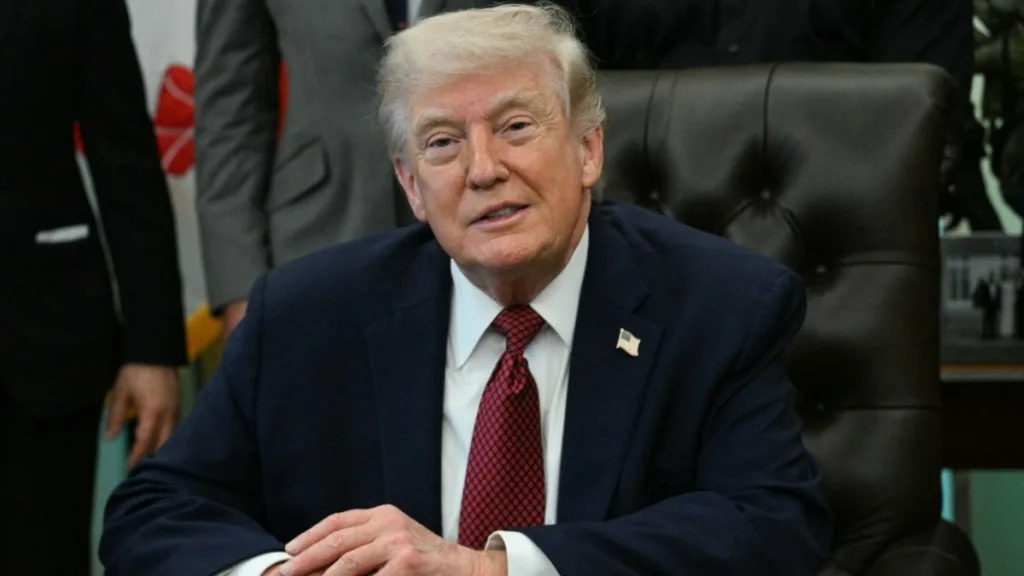
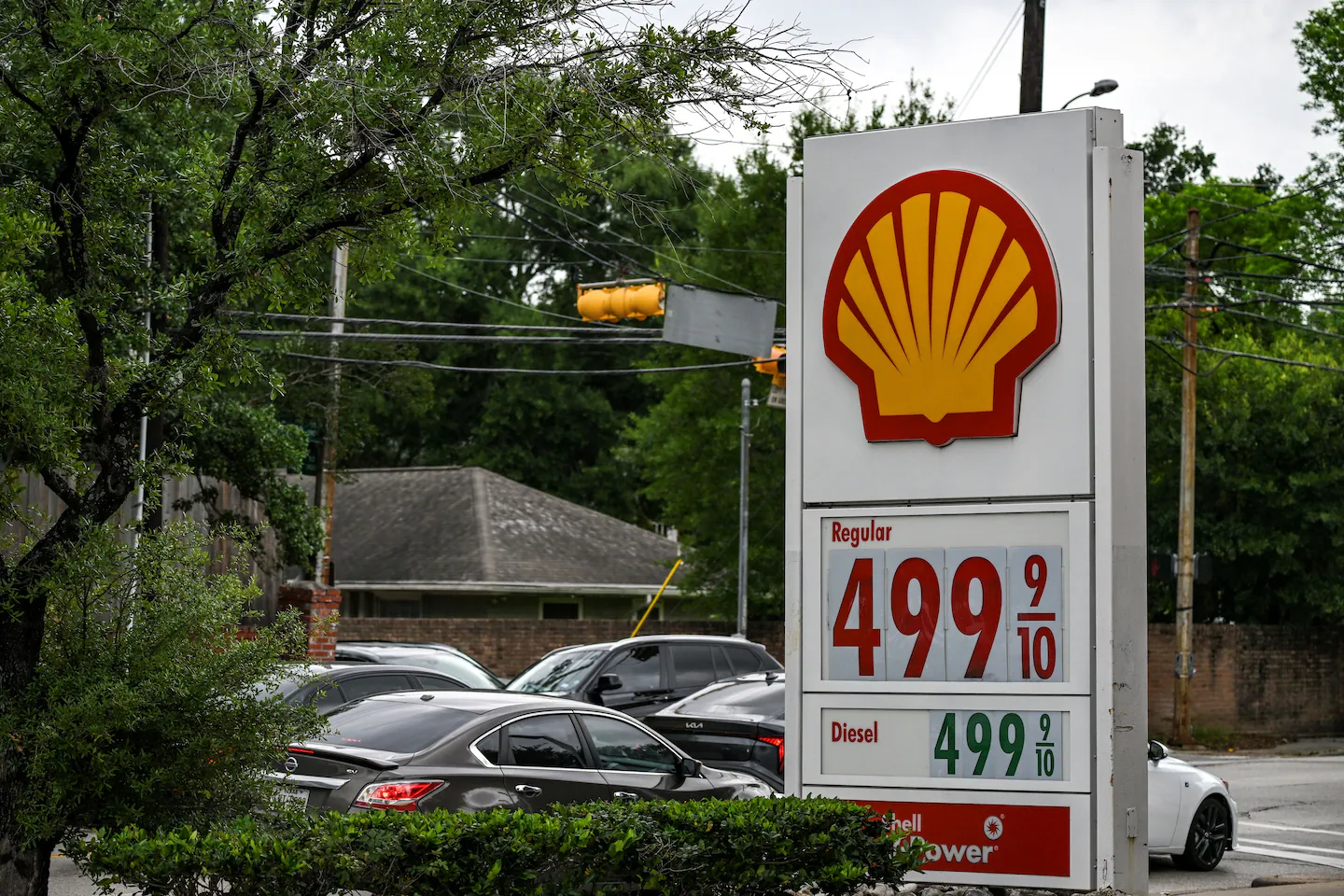
The surge in gas prices is a direct result of the standoff between the U.S. and Iran. The closure of the Strait of Hormuz, a crucial oil passage, has effectively trapped significant amounts of oil, petroleum, and other products in the Persian Gulf. This supply disruption has pushed prices to wartime highs, with experts warning that they are unlikely to dip unless the geopolitical situation improves. For many, this situation feels eerily similar to past crises, where gas shortages caused panic and significant strain on everyday life.
Voter Backlash and the Growing Pressure on the White House
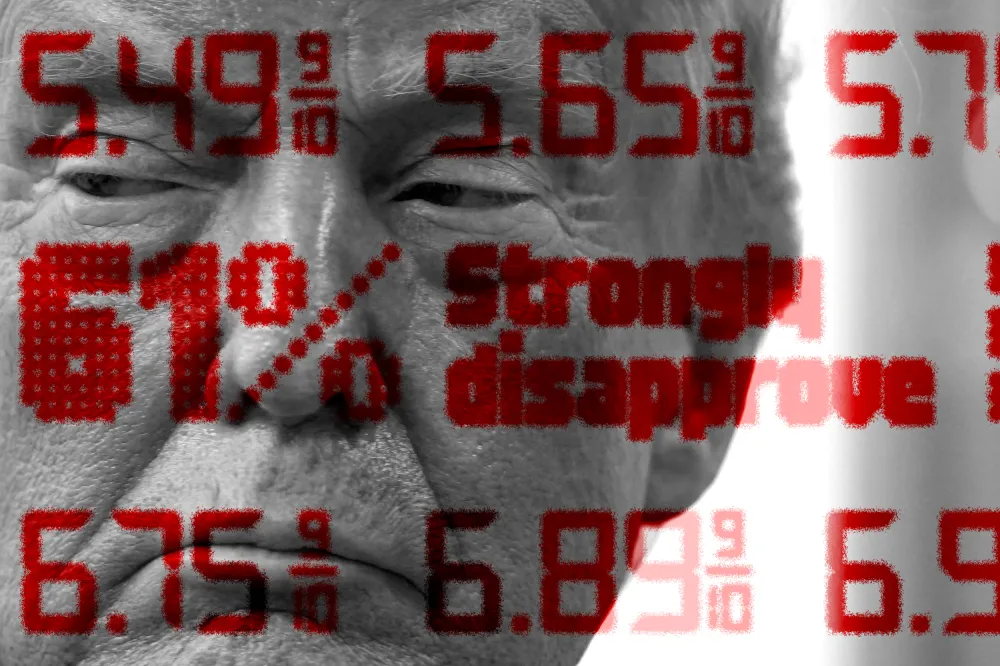
According to a recent Washington Post-ABC News-Ipsos poll, 44% of Americans are cutting back on driving due to higher gas prices, while 42% are adjusting their household budgets. Travel plans have been altered for 34% of Americans, indicating that the price hikes are impacting not only consumer behavior but also the broader economy. These changes are fueling voter backlash against the administration, further complicating Trump’s political strategy as he enters the 2026 election cycle.
White House Response: Efforts and Challenges
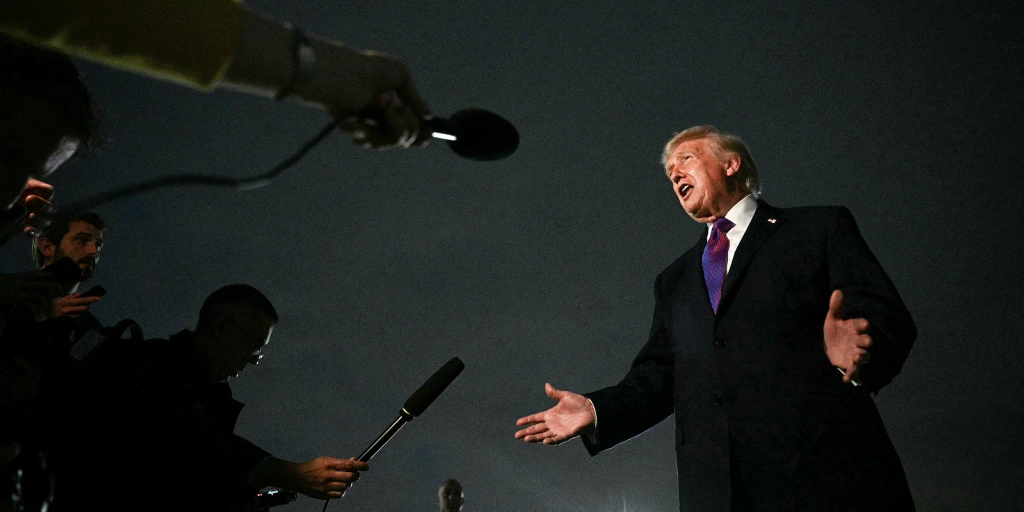
Trump has already taken several steps to mitigate the situation, though many of these measures have only slightly eased the pressure on American consumers. In March, the White House released 172 million barrels of oil from the Strategic Petroleum Reserve in an attempt to stabilize the market. Additionally, temporary waivers of the Jones Act, a law requiring that goods moved between U.S. ports be transported on U.S.-flagged vessels, were introduced to streamline oil shipments.
Environmental rules have also been relaxed to allow for the sale of a higher ethanol gas blend, despite concerns about smog. These measures, while somewhat effective, have not fully addressed the core issue of supply disruption, leaving the White House grappling for a more sustainable solution.
The Dwindling Options for Relief
As the conflict with Iran stretches into its 10th week, the options for meaningful intervention are becoming fewer. The White House is now considering more drastic steps, but each comes with its own set of economic and political risks. A meeting between Trump and energy executives this week highlighted the growing sense of urgency. Treasury Secretary Scott Bessent and Vice President JD Vance were also involved in discussions about what further steps could be taken, including potentially lifting more sanctions on Iranian oil or utilizing other reserves to boost supply.
The Impact of the Blockade on Oil Markets
The ongoing blockade of the Strait of Hormuz has had a significant impact on global oil markets. More than 30% of the world’s crude oil passes through this narrow passage, and its closure has created a bottleneck that threatens to disrupt the global supply chain. As a result, oil prices have surged, and the U.S. has seen a ripple effect on everything from manufacturing costs to the price at the pump.
This global issue, which started as a political dispute, has now grown into a broader economic crisis, with serious implications for consumers and businesses alike.
Strategic Petroleum Reserve: A Temporary Fix
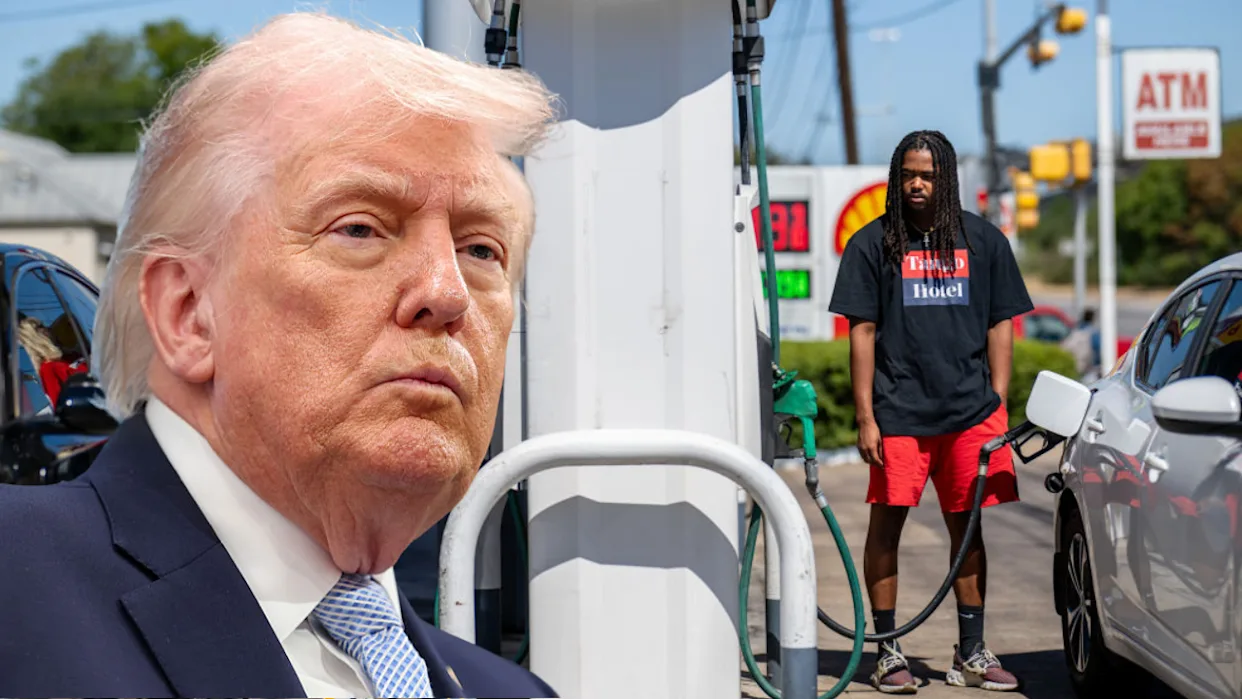
The Strategic Petroleum Reserve (SPR) has long been seen as a tool for addressing oil shortages. However, the 172 million barrels released by the U.S. this year have only been a temporary fix. While they helped mitigate the short-term impact, the fact remains that this is a finite resource. Once the reserves are depleted, the U.S. may find itself without a critical backup plan to address rising gas prices in the long term.
The Domestic Energy Debate: A Shifting Political Landscape
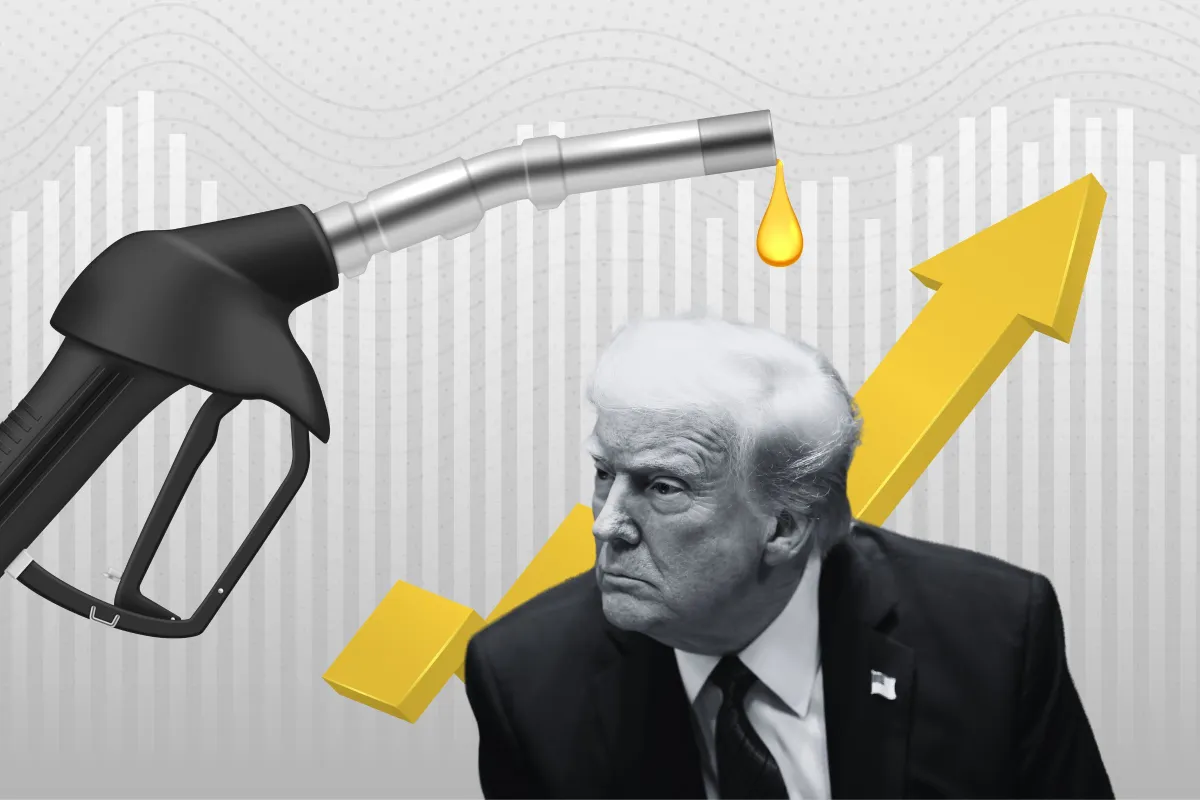
The rising gas prices are not only a consumer issue but also a political one. Energy policy is becoming a hot-button issue ahead of the 2026 elections. Democrats have criticized Trump’s handling of the situation, while Republicans argue that the administration’s steps have been necessary to protect national interests. As the political debate intensifies, the future of U.S. energy policy is in flux, with environmental concerns and national security issues at the forefront.
What This Means for Other Nations
The U.S. is not the only nation feeling the sting of high gas prices. Many countries, particularly in Europe and Asia, are experiencing similar challenges as they deal with the ripple effects of the Iranian blockade. Global oil markets are interconnected, and the disruption in one region quickly spreads to others. As the situation unfolds, international cooperation and strategic energy management will play a key role in determining how nations navigate this crisis.
What’s Next for Trump and the U.S. Economy
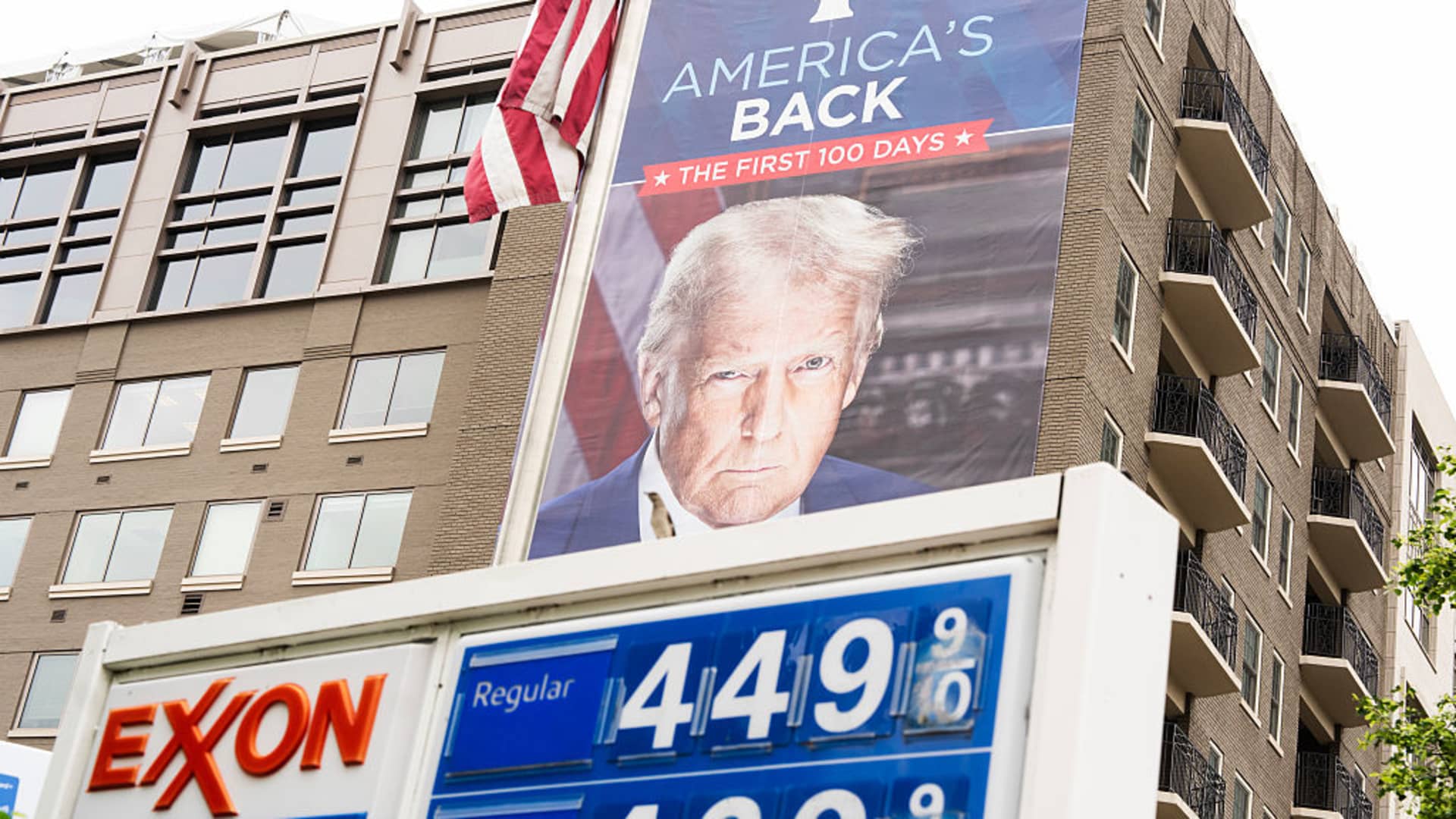
As gas prices continue to rise, Trump’s ability to contain the backlash will be critical to his political future. While his administration has taken several steps to ease the burden on consumers, the long-term solution may require deeper structural changes in energy policy. With the 2026 elections on the horizon, how the White House handles this crisis could have a significant impact on voter sentiment and the political landscape moving forward.
A Nation’s Response to Rising Gas Prices
The ongoing gas price crisis is a complex issue with no easy solutions. While Trump has taken steps to alleviate the financial strain on Americans, the geopolitical tensions with Iran and the closure of the Strait of Hormuz have made it increasingly difficult to stabilize the situation. As the U.S. continues to grapple with these challenges, the political and economic ramifications will be felt for years to come.
For now, Americans are adjusting to the new normal, and the White House is left with the daunting task of finding a sustainable solution to an escalating crisis.