
Table of Contents
- The Tariff Math: How Much Revenue Are We Talking About?
- Can Tariffs Replace Income Taxes? Experts Say No
- Replacing Income Tax: Borrow More or Shrink the Government?
- Is a Consumption Tax a Viable Alternative?
- A Potential Path Forward: Focus on Tariff Revenue Increases
- The Politics of Tariffs and Taxes
- What Does This Mean for the Future of U.S. Taxes?
- The Road Ahead for U.S. Tax Policy
The Tariff Math: How Much Revenue Are We Talking About?
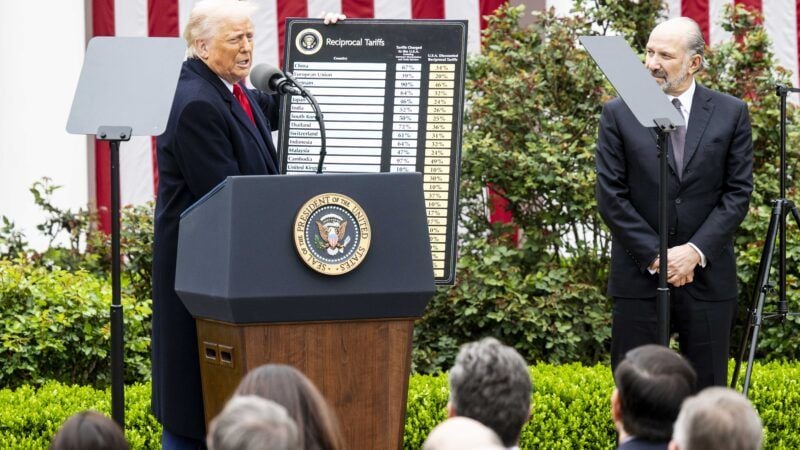
To understand the feasibility of Trump’s claim, it’s important to break down the numbers behind tariff revenue versus income tax revenue. In 2020, the U.S. government collected a staggering $2.4 trillion in federal income taxes, which accounted for nearly half of the federal government’s total revenue. In comparison, tariff revenues generated from Trump’s trade policies have been much lower. In 2020, the U.S. collected about $257 billion in tariffs, a figure that includes the additional tariffs imposed during Trump’s second term.
To put this in perspective, the tariff revenue of $257 billion is just a fraction of the $2.4 trillion brought in by income taxes. Even if tariff revenue were to increase substantially, it would take several years to approach the level of income tax revenue, let alone replace it entirely.
Can Tariffs Replace Income Taxes? Experts Say No
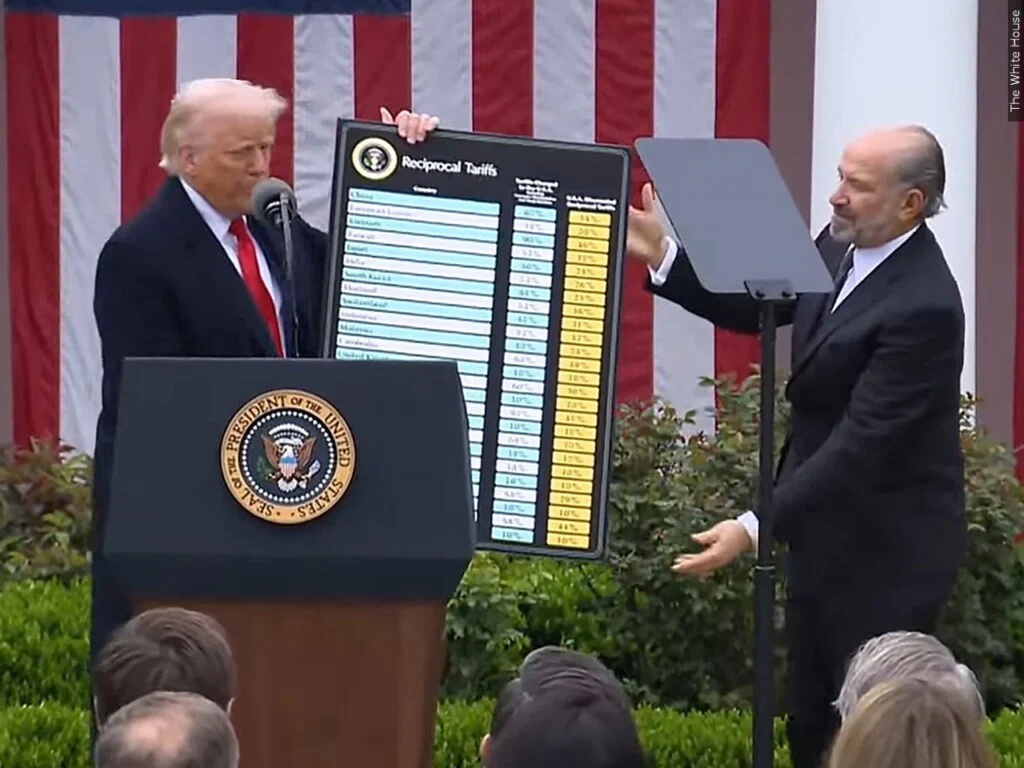
Economists have pointed out that the idea of using tariffs to completely eliminate income taxes is highly unrealistic. To match the revenue from income taxes, tariffs would need to cover nearly half of the federal budget, or roughly $2.4 trillion. The U.S. could theoretically increase tariff rates significantly to generate more revenue, but experts argue that such a move would come with dire economic consequences.
For one, raising tariffs to a level that could replace income tax revenue would likely disrupt international trade, causing a rise in the prices of imported goods and potentially leading to retaliation from other countries. This could harm American consumers and businesses, leading to higher costs for products and services across the economy.
Additionally, increasing tariffs to such a high level could distort purchasing patterns and reduce the overall volume of trade. As a result, tariff rates would need to keep increasing just to maintain the same level of revenue, creating a cycle of rising costs and economic instability.
Mark Cancian, a retired US Marine Corps Colonel and author of the Center for Strategic and International Studies (CSIS) report, explained that “it will take one to four years to replenish these missile inventories and several years after that to expand them to where they need to be.” He noted that while the U.S. military might be able to continue operations in the short term, the long-term outlook remains uncertain if tariff revenues were to be relied upon for crucial national defense spending.
Replacing Income Tax: Borrow More or Shrink the Government?
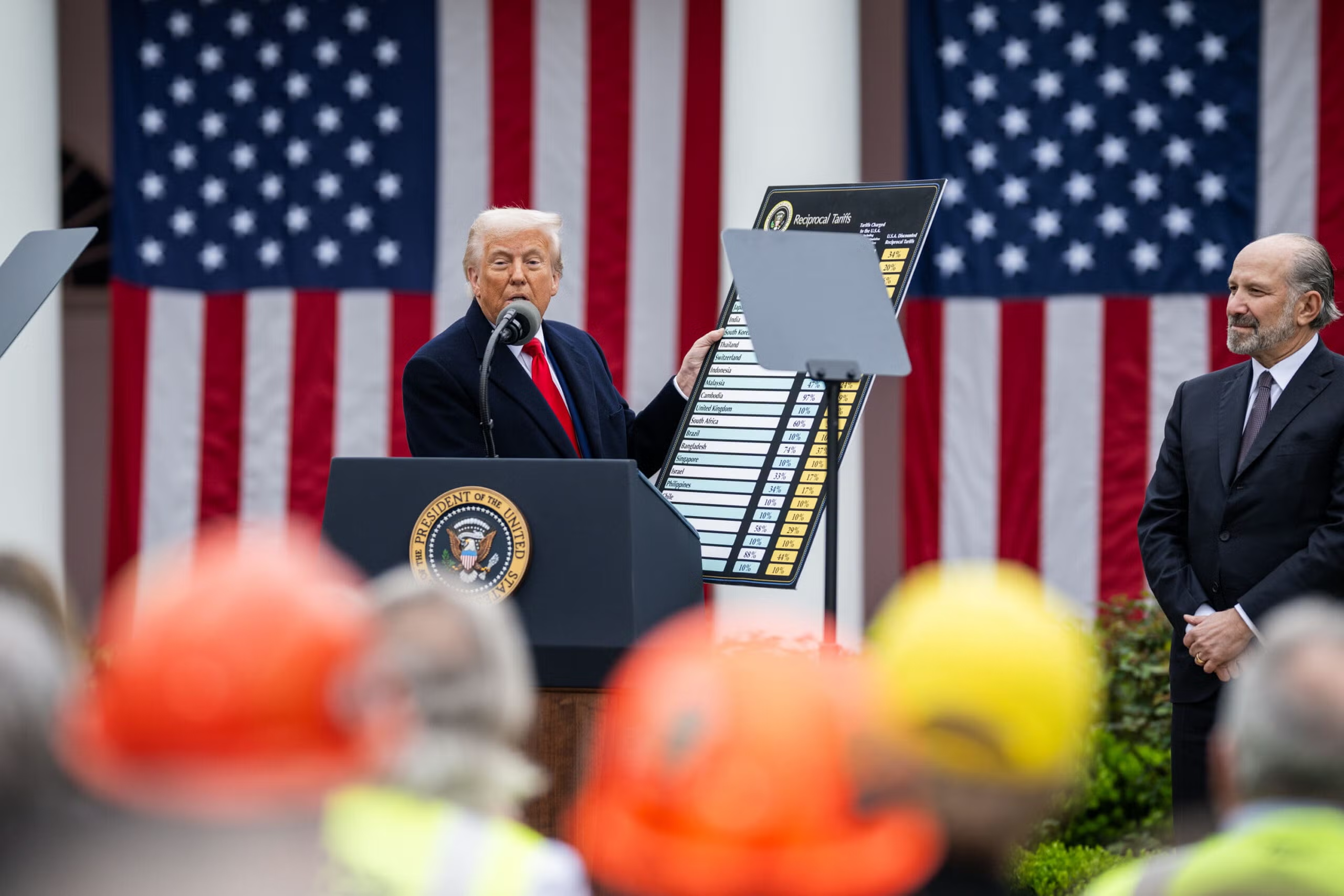
If tariffs were to be used to replace income tax revenue, the U.S. would need to find other ways to make up the shortfall in revenue. One option would be to increase borrowing, which would place a burden on future generations and further increase the national debt. The U.S. is already facing a $1.8 trillion budget shortfall, and eliminating income taxes would only exacerbate the problem.
Another option would be to shrink the size of the federal government. In the 19th century, tariffs were used as the primary means of funding government operations, but this was during a time when the federal government was much smaller. Reducing the size of the government might involve cutting programs like Social Security, Medicare, and military spending, but it’s unlikely that Americans would support such drastic reductions in benefits.
Is a Consumption Tax a Viable Alternative?
While tariffs are not a viable solution for eliminating income taxes, some have suggested that a shift toward a consumption-based tax system could offer a potential solution. Many European countries, for example, rely on a value-added tax (VAT), which taxes consumption at various stages of production.
However, implementing a similar system in the U.S. would face significant challenges. Many states already have retail sales taxes in place, so adding a federal consumption tax would place an additional burden on consumers, particularly lower-income families. A consumption tax at a rate of around 40% would be required to replace income tax revenue, but such a high rate could lead to widespread tax evasion and significant economic distortions.
Dean Baker, co-founder of the Center for Economic and Policy Research, noted that such a consumption tax would “have a lot of evasion at that rate,” making it unlikely to succeed as a replacement for income taxes.
A Potential Path Forward: Focus on Tariff Revenue Increases
Although using tariffs to replace income taxes is impractical, there may still be ways to leverage tariff revenue as a significant source of government income. If tariff revenues were to grow in the future, it could help reduce the burden on income taxes and alleviate some pressure on the federal budget. However, this would require a more strategic approach to international trade and careful consideration of the long-term economic impacts.
One potential path forward could involve gradually increasing tariffs on certain goods while working to expand trade deals that benefit U.S. exports. This would allow for a more balanced approach to tariff revenue, ensuring that it does not cause significant economic harm or lead to trade wars with other countries.
Ultimately, relying on tariffs as a major source of revenue would require a delicate balance between protecting American industries and maintaining fair and productive trade relations with global partners.
The Politics of Tariffs and Taxes
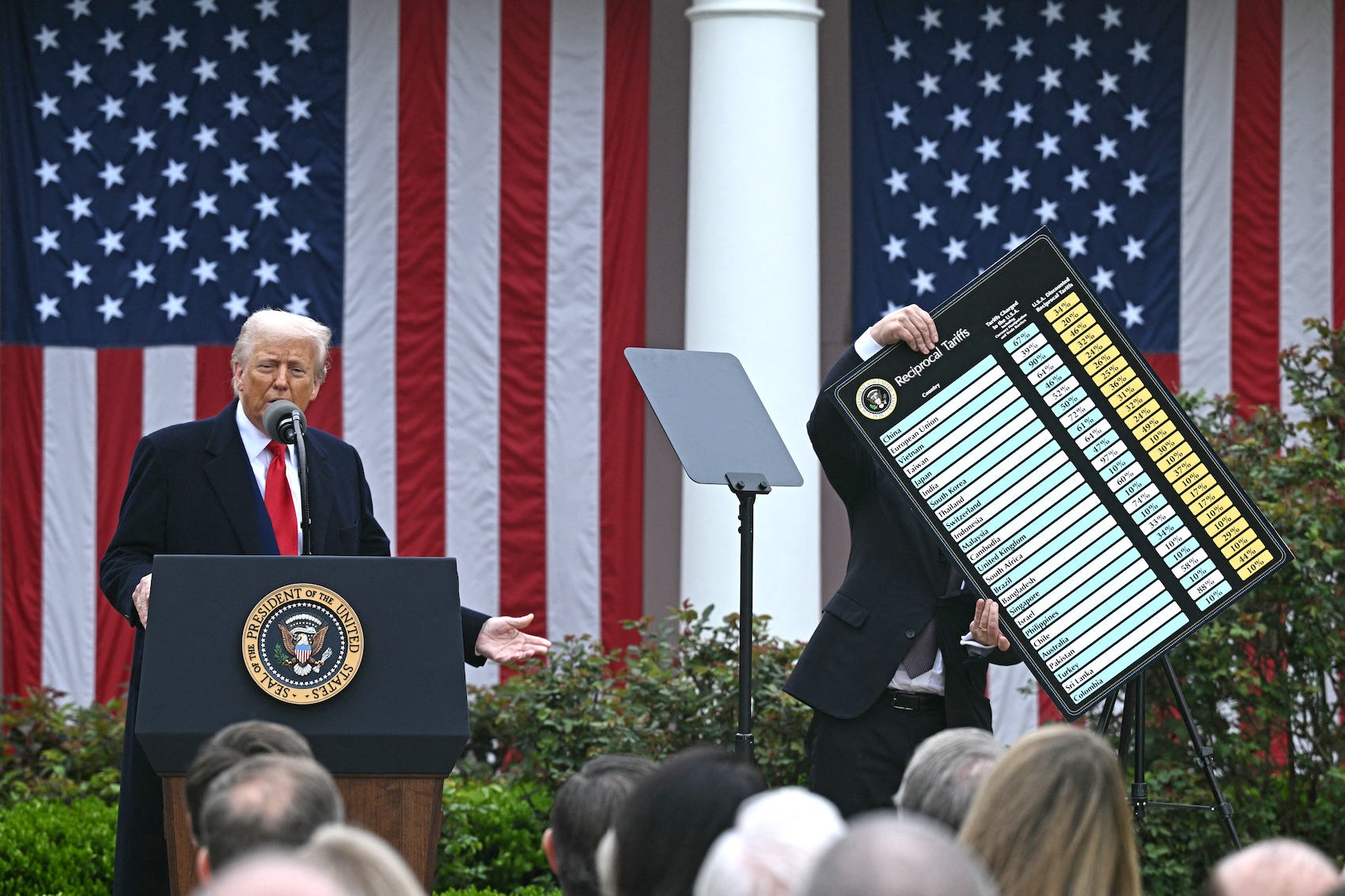
The political dynamics surrounding tariffs and taxes are complex, with various factions pushing for different approaches to taxation and government spending. President Trump’s promise to eliminate income taxes through tariffs is an example of his populist appeal, but it is not backed by solid economic logic. Many of his supporters have rallied behind the idea of using tariffs to generate more revenue, but experts are warning that this could have unintended consequences for the economy.
Trump’s repeated claims about eliminating income taxes have sparked debates over the future of the U.S. tax system and the role of government spending. Some advocates argue that a more progressive tax system, which includes higher taxes on the wealthy and corporations, could help address income inequality while also funding necessary government programs. Others believe that reducing the size of the government and cutting back on spending would be the most effective way to address the nation’s fiscal challenges.
What Does This Mean for the Future of U.S. Taxes?
As the U.S. continues to navigate the challenges of the COVID-19 pandemic and the economic fallout, the debate over taxes and government spending will continue to evolve. President Trump’s tariff promises are unlikely to materialize in the way he has suggested, but they highlight the broader issue of how to balance the federal budget and fund essential services.
The future of U.S. taxes may lie in a combination of strategic tariff increases, reforms to the income tax system, and potentially new forms of taxation, such as a consumption tax. However, policymakers will need to carefully weigh the economic and social implications of such changes to ensure that the tax burden is distributed fairly and does not harm the most vulnerable members of society.
The Road Ahead for U.S. Tax Policy
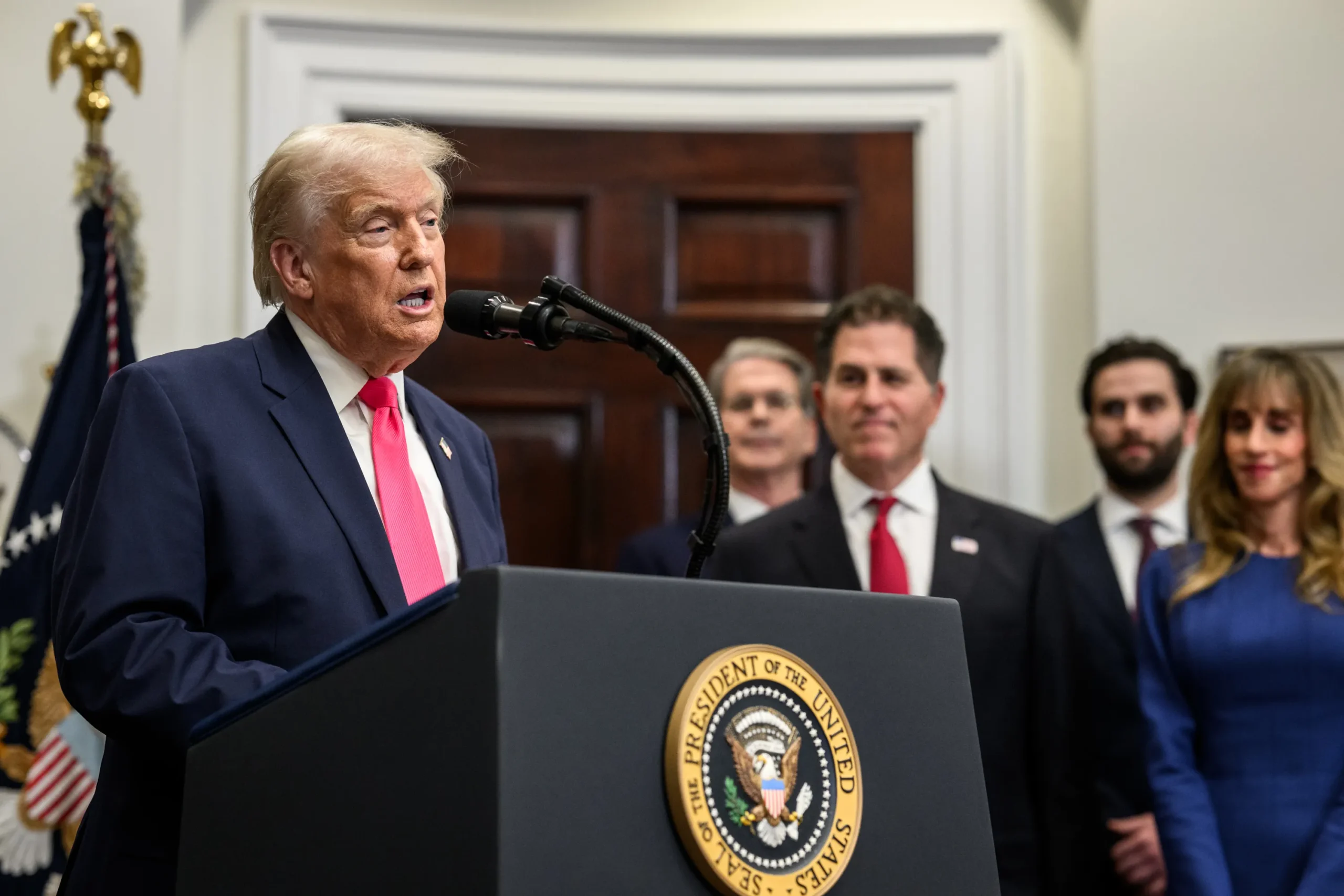
In conclusion, while President Trump’s promise to eliminate income taxes through tariffs is an appealing political message, the reality is far more complex. The U.S. would need to significantly increase tariff rates to replace income taxes, a move that would likely cause economic distortions and harm American consumers. Instead, the government will need to explore alternative solutions, including reforming the tax system and considering new forms of taxation, to address the nation’s fiscal challenges.
With the future of U.S. tax policy in the balance, it’s clear that there are no easy answers. The debate over how to fund the government and address income inequality will continue, but one thing is certain: relying solely on tariffs as a revenue source is not the answer.