

Table of Contents
- The Shocking Discovery at the Bank
- Who Were the Women Involved?
- The Role of the Bank in the Incident
- Police Investigation and Arrests
- The Legal Consequences the Women Face
- Community Shock and Reaction
- The Broader Issue of Elderly Financial Exploitation
- The Psychological and Emotional Impact on the Family
- Safeguards and Solutions to Prevent Financial Abuse
- The Need for Vigilance and Respect for the Deceased
The Shocking Discovery at the Bank
The unsettling incident occurred when two women arrived at a local bank in the city of Marquette with the body of a deceased man in the backseat of their car. Bank employees, who were alerted by the unusual presence of a dead individual, immediately contacted local authorities. According to police reports, the women tried to withdraw funds from the elderly man’s bank account, leading the bank staff to question their intentions. It didn’t take long for the authorities to arrive and take control of the situation, arresting the women for their actions.
This bizarre attempt to use a deceased individual’s account has raised serious questions about the women’s motives and their relationship with the elderly man. As the investigation unfolds, police are working to piece together the events leading up to the discovery at the bank, and the nature of the women’s involvement.
Who Were the Women Involved?

The two women, whose identities have been released by the police, are local residents with no prior criminal history, according to the police records. The elderly man, whose identity is also being withheld pending further investigation, had been a longtime member of the community. The police have stated that the women were acquaintances of the man, but the exact nature of their relationship remains unclear.
According to initial reports, the women reportedly had access to the elderly man’s personal information and bank account details. Investigators are looking into the possibility that the women were attempting to gain unauthorized access to the man’s funds, possibly to take advantage of his death or to fulfill some other financial motive. As the investigation continues, authorities are working to determine whether this was a premeditated act or an impulsive decision made in the heat of the moment.
The Role of the Bank in the Incident
The role of the bank in this shocking event cannot be overstated. When the women attempted to process the withdrawal, the bank staff immediately became suspicious of the situation. Given the unusual circumstances—namely, the presence of a deceased individual in the vehicle—the bank staff took the proper course of action by contacting the police. This quick response likely prevented further illegal activities and ensured that law enforcement was able to step in before any unauthorized transaction took place.
Banks are legally required to take steps to verify the identity of individuals who access accounts and make transactions. The fact that the women were attempting to withdraw money from an account linked to a deceased person highlights the importance of these verification processes, as well as the role that institutions like banks play in preventing financial fraud.
Police Investigation and Arrests
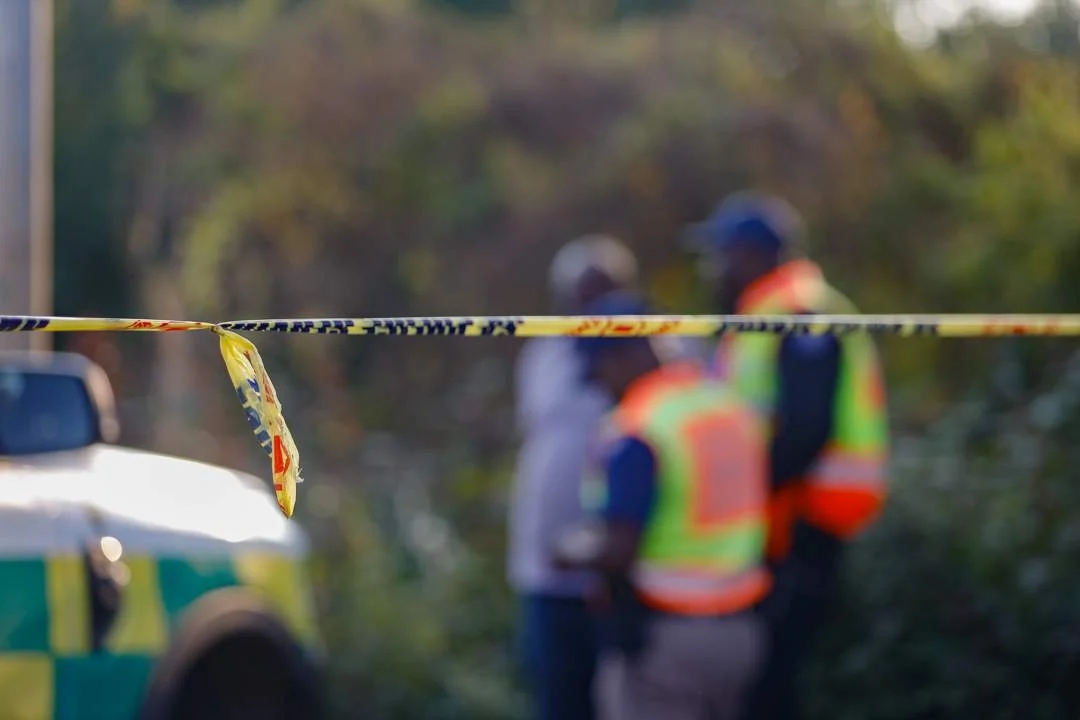
After receiving the call from the bank, local police officers responded immediately and arrived at the scene to find the two women attempting to complete the transaction. Upon further investigation, authorities discovered that the elderly man had been deceased for several hours, raising suspicions about how and why the women chose to drive his body to the bank. The women were promptly arrested and charged with attempted fraud, among other potential charges.
In the days following the arrest, investigators began piecing together the events that led up to the women’s actions. Authorities are reviewing security footage from the bank and conducting interviews with the women to determine their intentions. They are also conducting an autopsy on the deceased man to confirm the exact cause of death and assess any potential foul play involved.
The Legal Consequences the Women Face
As of now, the women have been charged with several crimes related to their attempt to access the deceased man’s bank account. Attempted fraud is the primary charge, as the women’s actions clearly violated laws concerning the handling of deceased individuals’ estates and financial matters. Additionally, the police are exploring whether other charges—such as abuse of a corpse—are warranted based on the circumstances of the case.
If convicted, the women could face significant legal consequences, including possible prison sentences. The case also raises important questions about the handling of a deceased person’s financial affairs and the responsibilities of those who have access to their personal information. This incident underscores the need for safeguards to protect individuals from financial exploitation, even after their death.
Community Shock and Reaction

The arrest of the two women has sent shockwaves through the local community in Marquette, a relatively quiet and close-knit area in Michigan’s Upper Peninsula. Residents have expressed disbelief and confusion over the events, with many struggling to understand how such a bizarre and disrespectful act could take place in their town. The elderly man, who was well known in the community, is remembered fondly by those who knew him, and many are now grappling with the realization that his death was not only tragic but also exploited in such a horrific way.
Local community leaders have condemned the women’s actions, emphasizing the importance of respect for the deceased and the ethical treatment of individuals who have passed away. This incident has sparked a broader conversation about how society handles death, particularly in cases involving financial matters, and how vulnerable individuals can be taken advantage of by those they trust.
The Broader Issue of Elderly Financial Exploitation
The case of the two women attempting to withdraw money from the deceased man’s account is part of a larger issue of financial exploitation of the elderly. According to studies, elderly individuals are often at risk of financial abuse, either from family members, caregivers, or strangers who gain access to their personal information. Financial exploitation of the elderly is a growing problem across the United States, and this case highlights the extreme lengths to which some individuals will go to exploit vulnerable people for financial gain.
Elderly financial abuse is often difficult to detect, as many victims are hesitant to report it, and perpetrators often operate in secrecy. As a result, it’s critical for communities to be vigilant and aware of the signs of abuse. This case serves as a reminder of the importance of protecting vulnerable individuals from financial fraud and ensuring that their estates are handled ethically and responsibly.
The Psychological and Emotional Impact on the Family

While the legal and financial ramifications of this incident are clear, the emotional impact on the elderly man’s family cannot be ignored. The family of the deceased man, who is still reeling from the loss, must now also grapple with the fact that his death was used as a means of financial exploitation. This added layer of distress is something that many families in similar situations face—grieving not only the loss of a loved one but also dealing with the violation of their loved one’s memory and dignity.
The psychological toll on the family will likely be long-lasting, as they must now confront the unsettling reality that their family member was treated in such a disrespectful manner after his passing. It also raises the question of how to prevent such incidents in the future and ensure that the emotional well-being of surviving family members is considered in the handling of estates.
Safeguards and Solutions to Prevent Financial Abuse
In response to cases like the one in Marquette, there has been an increased focus on implementing safeguards to protect individuals, particularly the elderly, from financial exploitation. Many financial institutions have already introduced policies that require additional verification when a deceased person’s account is accessed, including notifying family members and conducting thorough checks to ensure the legitimacy of any transactions.
Furthermore, experts recommend that individuals establish clear wills and financial plans before they pass away to ensure that their assets are handled according to their wishes. By making these plans, individuals can reduce the likelihood of disputes and prevent others from taking advantage of their estates.
The Need for Vigilance and Respect for the Deceased
The case of the two women attempting to withdraw money from a deceased man’s account is a tragic reminder of the importance of vigilance, respect, and ethical conduct in the handling of financial matters after death. As the investigation continues, it is crucial to recognize the broader implications of such actions on both the victims and their families. It is equally important for communities, institutions, and individuals to work together to ensure that the elderly and vulnerable are protected from financial exploitation, and that their legacies are handled with dignity.