

Table of Contents
The Context of the Rejection
At the United Nations, member nations have long called for peace talks with North Korea to de-escalate tensions. The U.N.’s peace proposal, which included calls for reducing nuclear proliferation and halting missile tests, was a step towards fostering stability. Yet, despite these efforts, North Korea firmly rejected the proposal, dismissing it as “unnecessary” and “interfering in their internal matters.”
This rejection comes amid growing fears about the North’s ongoing military developments and its resistance to denuclearization. North Korea’s isolationist policies have been a consistent theme in its approach to international diplomacy, often disregarding global efforts to encourage dialogue and peace.
Why This Rejection Matters
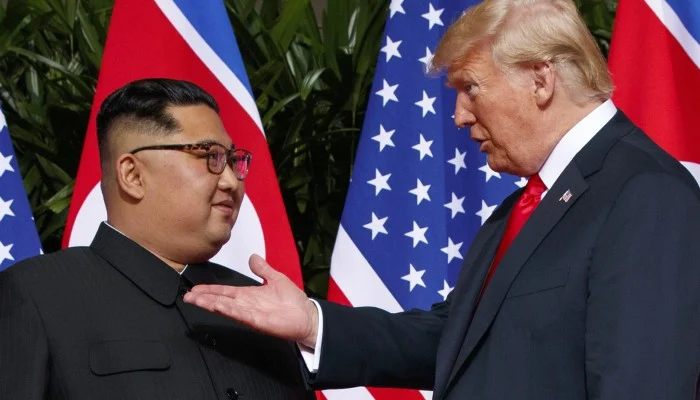
The rejection of the U.N. peace proposal signifies more than just a diplomatic snub. It underscores North Korea’s deep-rooted resistance to international engagement and its persistent pursuit of nuclear and missile capabilities. As the country continues to expand its nuclear arsenal, the rejection poses significant risks to global security.
North Korea’s unwillingness to negotiate peace or engage in meaningful diplomacy has long been a source of tension, particularly for neighboring countries like South Korea, Japan, and China. The international community has repeatedly urged North Korea to abandon its nuclear ambitions in exchange for sanctions relief and security guarantees, but Pyongyang remains steadfast in its opposition to such terms.
By rejecting the U.N.’s peace initiative, North Korea has once again made it clear that it prioritizes its military development over peaceful resolutions. This stance not only jeopardizes peace in the region but also heightens the risk of further conflict.
The U.N.’s Role and Response
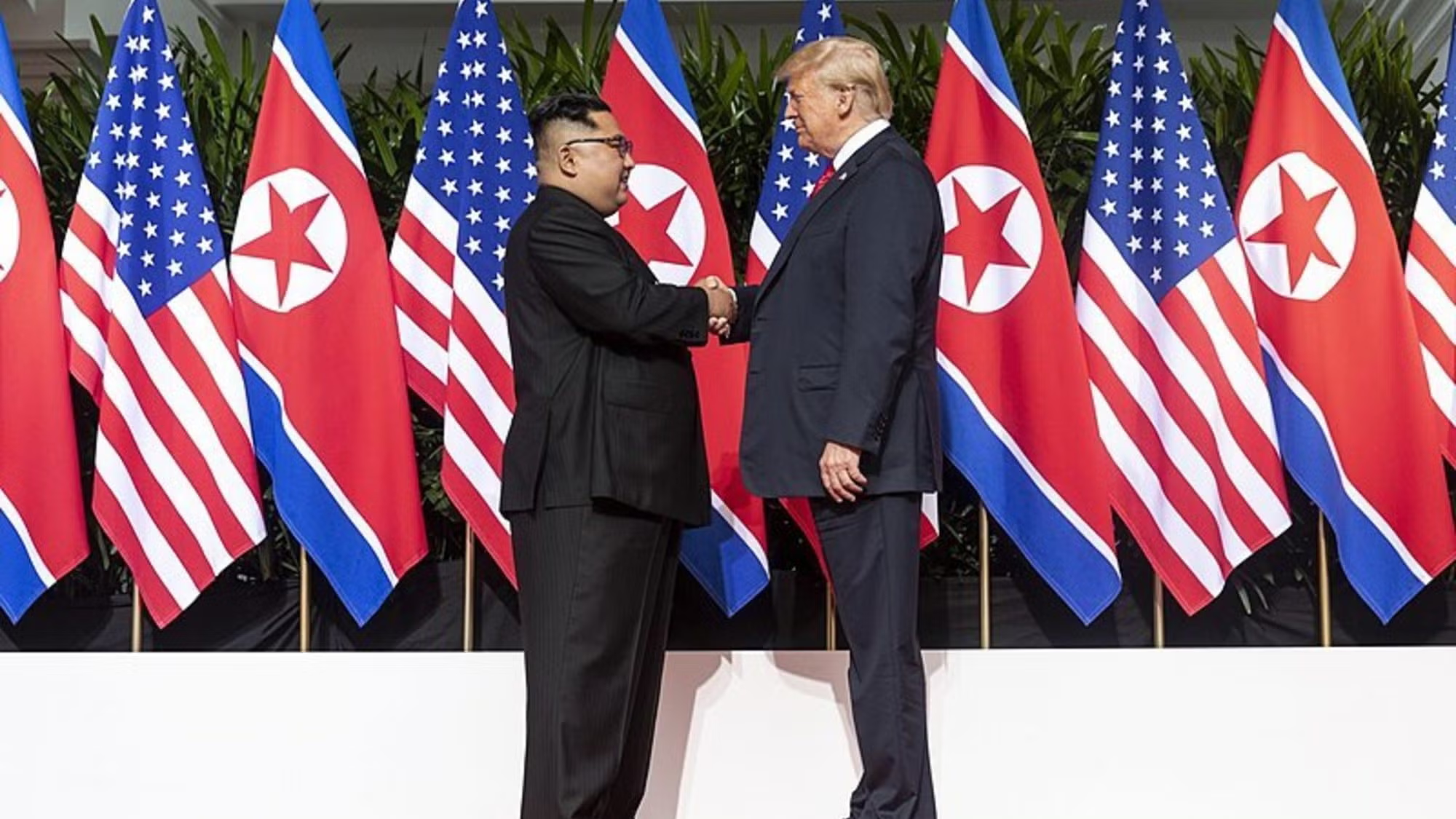
The United Nations has been a key player in trying to mediate the tensions on the Korean Peninsula. Through resolutions, sanctions, and diplomatic efforts, the U.N. has tried to persuade North Korea to abandon its nuclear program and engage in peaceful negotiations. However, these efforts have consistently been met with rejection from the North.
Despite the setback, the U.N. has continued to emphasize the importance of diplomacy in addressing the North Korean issue. The international community, including the U.S., China, and Russia, has called for renewed talks, but North Korea has refused to return to the negotiation table.
This persistent deadlock has led to frustration among U.N. member states, who see the failure to resolve the conflict as a growing threat to international peace and stability. The U.N. has warned that North Korea’s actions could escalate tensions beyond the Korean Peninsula, drawing in global powers in a potential conflict.
Implications for Global Security

North Korea’s rejection of peace talks raises serious concerns about the future of global security. With an increasing number of missile tests and the continued development of nuclear weapons, the risk of a broader conflict grows. The possibility of military escalation in the region remains a constant fear, particularly as North Korea becomes more defiant in the face of international pressure.
Additionally, the ongoing sanctions against North Korea have had limited success in curbing its ambitions. While the sanctions have crippled the country’s economy, they have not deterred its military progress. As a result, the international community finds itself in a precarious position: attempting to balance diplomatic efforts with the ever-present threat of conflict.
The rejection of the peace proposal also complicates relations between global powers. Countries such as the U.S. and China, who have historically had differing views on how to handle North Korea, must now navigate a more complex diplomatic landscape. The failure to reach an agreement on North Korea’s nuclear program could result in more unilateral actions, further destabilizing the region.
The Domestic Perspective in North Korea
From a domestic standpoint, North Korea’s government views its nuclear and missile programs as a means of ensuring its survival. The regime has consistently emphasized its need to maintain its military strength as a deterrent against perceived threats from the U.S. and its allies.
For North Korea, the rejection of the U.N. peace proposal is not just a diplomatic decision, but also a message to its people. It serves as a reminder of the country’s independence and its commitment to self-preservation. By rejecting external influence and maintaining a hardline stance, North Korea reinforces its narrative of resistance against foreign interference.
The domestic narrative surrounding these military programs has been deeply ingrained in the country’s ideology. The leadership continues to assert that its military advancements are necessary to defend against hostile forces and that negotiations with the U.N. would be a sign of weakness.
The Future of North Korean Diplomacy

Looking ahead, it remains unclear how North Korea will engage with the international community. Given its consistent refusal to engage in peaceful negotiations and its ongoing military advancements, the prospects for diplomatic solutions appear bleak.
While some experts remain hopeful that economic pressures and international isolation will eventually bring North Korea to the negotiating table, others believe that the country’s leadership is too entrenched in its military-first policies to shift course.
The future of North Korean diplomacy will likely depend on how the international community responds. If North Korea continues its defiance, global powers may have to consider more drastic measures to contain its military ambitions. However, any action taken will need to be carefully calibrated to avoid provoking further conflict in an already volatile region.
Conclusion
North Korea’s rejection of the U.N. peace proposal highlights the ongoing challenges of achieving peace in the Korean Peninsula. It underscores the country’s refusal to engage in meaningful diplomatic talks and its unwavering commitment to military advancement. This rejection not only complicates efforts to resolve the conflict but also increases the risk of instability in the region and beyond.
As the international community grapples with how to respond, it is clear that North Korea’s isolationist policies and resistance to diplomacy continue to shape the future of global security. The question remains: can the world find a way to break the deadlock, or will North Korea’s aggressive stance lead to further escalation?