
Table of Contents
Canada’s Decision to Open Doors to Chinese Cars
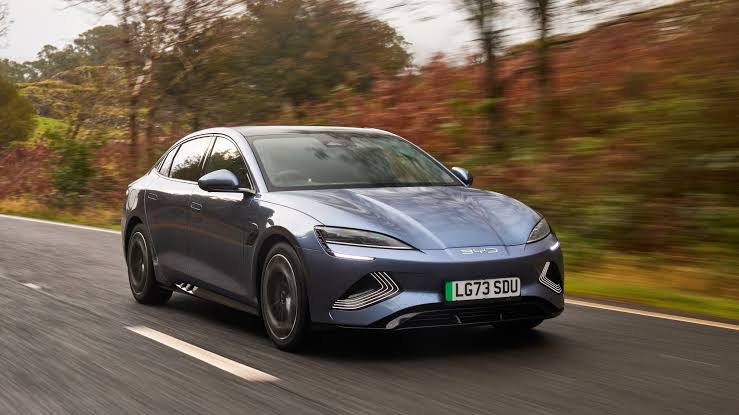
The decision by Canada to allow Chinese car manufacturers to sell their vehicles in the country is a pivotal moment in the global automotive industry. For years, the Canadian car market has been largely dominated by American and European brands, with Japanese automakers like Toyota and Honda also holding a significant share. However, in recent years, Chinese automakers have made strides in developing high-quality vehicles that can compete with established brands on price, technology, and design.
The Chinese government has invested heavily in its automotive industry, and several Chinese car companies have already begun to make their mark in international markets. Companies like BYD, Geely, and Great Wall Motors are now household names in China and are looking to expand globally. Canada’s decision to allow these companies to enter its market is seen as a major step forward for China’s automotive ambitions. It opens up a new avenue for Chinese car brands to expand their footprint in North America, with Canada acting as a testing ground before any potential push into the U.S. market.
This move is expected to create fierce competition, especially considering the rising costs of raw materials, which have led to higher prices for traditionally manufactured vehicles. Chinese carmakers, often benefiting from lower production costs, are in a position to offer more affordable options for consumers in Canada. For U.S. car dealers, this new competition is a potential game-changer, one that could alter the dynamics of car sales in the region.
The Panic Among U.S. Car Dealers

U.S. car dealers have been thrown into a state of alarm as they watch Canadian buyers start to consider Chinese alternatives to traditional American and European brands. While U.S. car manufacturers have long dominated the Canadian automotive landscape, the influx of Chinese cars poses a significant challenge. Car dealers in the U.S. are particularly concerned about the long-term impact this will have on their business models.
The immediate reaction has been one of panic. Dealers are worried that the entry of Chinese-made cars into the Canadian market will siphon off sales, especially in the entry-level and mid-range segments, where many American and European brands have traditionally thrived. The fear is that Chinese cars, with their lower price points and increasingly impressive features, will win over budget-conscious consumers in Canada, leaving U.S. brands struggling to maintain their foothold.
One of the major concerns for U.S. car dealers is how quickly Chinese car brands can establish themselves in Canada. Chinese automakers are known for their innovative designs and use of cutting-edge technology, which could make them a major draw for Canadian consumers. With the potential for lower prices and a growing demand for electric vehicles (EVs), Chinese manufacturers may be able to capitalize on trends in the Canadian market and challenge U.S. dealers for market share.
Why U.S. Car Dealers Are Struggling to Keep Up
The core issue for U.S. car dealers is the competitive edge that Chinese car manufacturers have in terms of pricing. Over the past decade, the automotive industry has faced numerous challenges, including rising raw material costs, supply chain disruptions, and increasing regulatory pressure to produce cleaner vehicles. While U.S. manufacturers have invested heavily in electric vehicle technology and sustainability initiatives, they have also faced significant cost increases that have made their cars more expensive for the average consumer.
Chinese automakers, on the other hand, have been able to keep production costs lower, thanks to more efficient manufacturing processes and government subsidies. This allows them to offer vehicles at a more affordable price point, which is increasingly appealing to budget-conscious consumers in Canada. U.S. car dealers are finding it difficult to compete with these lower prices, especially in the entry-level market, where price sensitivity is the highest.
Additionally, Chinese manufacturers have been quick to embrace the shift toward electric vehicles (EVs). With a significant push from the Chinese government to develop clean energy technologies, Chinese car companies have been able to produce affordable EVs that can rival those from American and European manufacturers. As demand for EVs continues to rise, U.S. car dealers are feeling the pressure to adapt and keep up with this emerging trend. However, many U.S. brands are still in the process of transitioning their lineups to electric, which leaves them vulnerable to the aggressive EV push from Chinese manufacturers.
The Impact on the North American Auto Industry
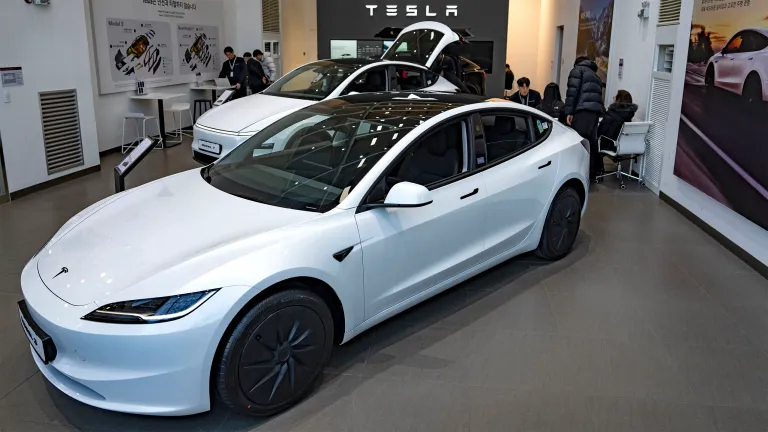
The impact of Canada’s decision to allow Chinese cars into its market will likely ripple across the entire North American automotive landscape. While the immediate effect is being felt by U.S. car dealers, the long-term implications could be far-reaching. The presence of Chinese cars in Canada could serve as a testing ground for future expansion into the U.S., where the competition between American and Chinese manufacturers is expected to intensify.
In the coming years, U.S. car manufacturers may need to rethink their strategies to compete with Chinese carmakers. This could involve cutting prices, increasing investment in EVs, and adopting more efficient manufacturing processes to stay competitive. The shift toward electric vehicles will also be crucial, as consumers increasingly demand clean energy options.
For U.S. car dealers, this means that they will need to adapt to a new, more competitive landscape. Dealers who have relied on the dominance of American brands may need to diversify their offerings and start considering partnerships with Chinese manufacturers or risk being left behind. Additionally, U.S. dealers will need to focus on improving the customer experience and offering better value in order to retain loyal customers.
What’s Next for the U.S. Car Market?

As the Canadian car market evolves and Chinese manufacturers make their move, U.S. car dealers will need to brace for the impact. The road ahead will require agility, innovation, and a willingness to adapt to new challenges. For some, this may mean changing their business models and embracing new technologies, while for others, it may involve looking beyond the traditional American and European brands to expand their offerings.
The U.S. car market is on the brink of a major shift, and only time will tell how car dealers and manufacturers respond to the growing influence of Chinese car companies. One thing is clear: the entry of Chinese cars into the Canadian market is a game-changer for the entire North American automotive industry. It will force U.S. car dealers to innovate and adapt or risk losing their market share to more affordable and technologically advanced alternatives.
Conclusion
The decision by Canada to open its doors to Chinese-made cars marks a pivotal moment in the automotive industry, one that has sent U.S. car dealers into full panic mode. The increasing presence of Chinese cars in the Canadian market is likely to disrupt the North American auto industry in profound ways, challenging U.S. car dealers to reconsider their strategies and adapt to the changing landscape. With more affordable options and cutting-edge technology, Chinese carmakers are well-positioned to take advantage of rising demand for electric vehicles and budget-friendly options. For U.S. car dealers, the competition is intensifying, and the road ahead will require innovation, flexibility, and an ability to embrace the future of the automotive industry.