
Table of Contents
What Sparked the Viral Claim?
The viral post, which was shared widely on platforms like X (formerly Twitter), showed a screenshot of a page titled “Donations to the U.S.” hosted on Pay.gov. The page appeared to be part of a government initiative, and the suggestion was made that the government was now turning to the public for financial assistance to tackle the overwhelming national debt. The claims included that individuals could donate directly to the government using digital payment platforms like Venmo and PayPal, further raising eyebrows among the online community.
These posts quickly snowballed, with various users sharing the same image and comments like “The government is asking for donations to cover the $38 trillion debt?” creating an uproar. Some even made more inflammatory remarks linking the post to broader political frustrations. The viral nature of the post made it seem like a new initiative from the U.S. Treasury, but the actual situation was far more nuanced.
The Real History of the U.S. Public Donation Program
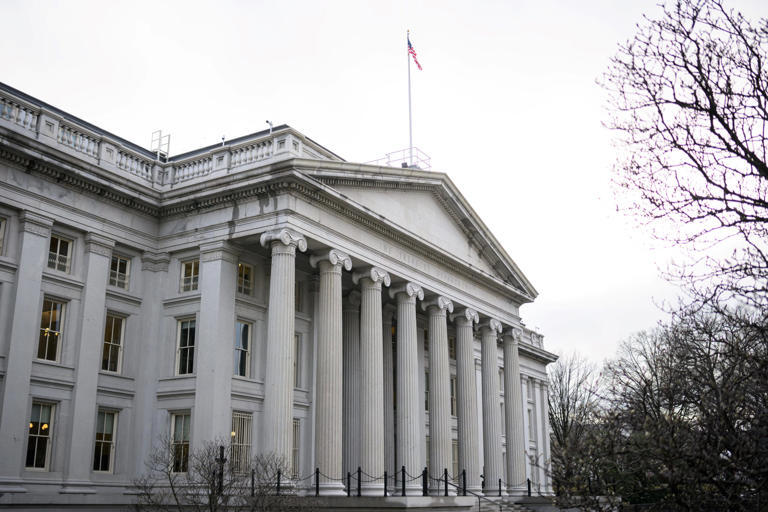
The initiative that led to the confusion is not a new or unprecedented effort. According to official records, the “Donations to the U.S.” program has existed for over 180 years, going back to 1843. The program allows individuals to voluntarily contribute funds to reduce the national debt. However, this practice has always been framed as a symbolic gesture rather than a significant tool for debt reduction. The donations are not intended to solve the national debt crisis but rather to provide an avenue for citizens who want to contribute financially to the government.
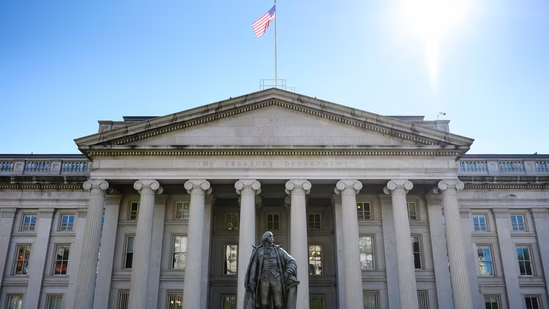
Under the law 31 U.S.C. § 3113, the U.S. Treasury Department has maintained an account where Americans can voluntarily make donations. The funds collected are directed into the Treasury’s general account, where they are used for various purposes, including general budgetary requirements. This account was originally established to accept gifts and bequests from citizens who wanted to show support for the country, and the Treasury has continued to offer it as an option for donors ever since.
Why the Confusion?
The confusion arose due to the viral spread of the screenshot showing the “Donations to the U.S.” page. This image led to assumptions that the government was now actively soliciting donations to help with the national debt. Many of the posts misrepresented the historical context of the program, leading people to believe that it was a new attempt by the government to balance its books.
The situation was compounded by the fact that the U.S. Treasury recently updated its payment platform, Pay.gov, to accept donations through modern digital payment methods, including Venmo and PayPal. While this might appear to be a novel approach to accepting funds, it is merely a technological update to an old system. These new options are simply intended to make it easier for people to donate, but they don’t change the voluntary nature of the program.
The Role of Social Media in Spreading Misinformation
In the age of digital communication, social media plays a significant role in shaping how information spreads. Misleading or exaggerated claims can quickly go viral, causing confusion and panic before the facts are fully understood. This was certainly the case with the viral post regarding the U.S. debt donations.
While some people believed they were witnessing a new government initiative to resolve the debt crisis, others viewed the claim as a cynical attempt to divert attention from real economic issues. The viral nature of the post led to a broader discussion about the U.S. economy, government spending, and the national debt. Yet, the truth behind the program remained buried in the context of misinformation and the sensationalism of a viral claim.
The Historical Context of the National Debt
The U.S. national debt has been a point of contention in political discussions for decades. As of 2026, the debt stands at a staggering $38 trillion, a figure that continues to grow as the government borrows money to cover budget deficits and funding for various programs. Critics of government spending argue that the U.S. is on an unsustainable path, while others believe that the debt is manageable as long as the economy continues to grow.
In light of this ongoing debate, some individuals and organizations have suggested various solutions to reduce the national debt. These suggestions range from cutting government spending to raising taxes or restructuring debt. However, the public donation program is far from being a serious solution to the problem. It remains a symbolic option for those who feel personally invested in supporting their country’s fiscal health, but it does little to address the root causes of the national debt.
The Potential Impact of Public Donations
While public donations to the U.S. Treasury are an option, they do not provide a meaningful solution to the national debt. The funds donated through this program are minuscule compared to the trillions of dollars owed by the federal government. In 2021, for example, the total amount donated through the program was just a fraction of the national debt.
Nevertheless, the donations program serves as an important reminder of the voluntary nature of U.S. citizens’ involvement in government initiatives. While donations can be made for any number of causes, including debt reduction, they represent a personal commitment to civic engagement rather than a government-driven solution.
Why the U.S. National Debt Matters
The U.S. national debt matters because it affects everything from government spending to the country’s global standing. A large and growing national debt has several economic implications, including higher interest payments and potential reductions in government services. Moreover, the debt affects the government’s ability to respond to crises, such as economic recessions or natural disasters.
Reducing the national debt is a priority for many policymakers, but it is a complex issue that requires comprehensive fiscal reforms. While the public donation program provides a small, voluntary contribution option, it is not a substitute for the large-scale changes needed to address the nation’s debt burden.
Conclusion
The viral claim that the U.S. government is actively collecting public donations to reduce the national debt is based on a longstanding program that has been in place since 1843. While the program has been updated to include digital payment methods, it remains a symbolic gesture rather than a significant solution to the nation’s $38 trillion debt. The confusion surrounding the program highlights the power of social media to spread misinformation, but it also offers an opportunity to discuss the broader issue of national debt and fiscal responsibility.
As the U.S. continues to grapple with its fiscal challenges, it is important to separate fact from fiction and to focus on meaningful policy solutions that can address the root causes of the national debt. While individual donations are a way for citizens to show support for their country, they are not a substitute for the comprehensive reforms needed to ensure long-term fiscal health.