
Table of Contents
- When a Single Interception Shakes the World
- A High Stakes Interception in Strategic Waters
- The Justification Behind the Seizure
- Escalation of a Maritime Blockade
- Iran Responds by Closing the Strait
- Global Trade and Energy at Risk
- Rising Tensions Beyond U.S. and Iran
- Diplomacy on Uncertain Ground
- Military Actions and Regional Fallout
- A World Watching Closely
- What Comes Next for the Strait of Hormuz
When a Single Interception Shakes the World
When news broke that the United States had seized an Iranian cargo ship in the Strait of Hormuz, the global community immediately took notice. This was not just another naval encounter in a tense region, but a moment that could reshape energy markets, diplomatic relations, and the fragile balance of power in the Middle East. The incident, involving U.S. naval forces and an Iranian flagged vessel, unfolded in one of the most strategically vital waterways on Earth. What happened in those tense hours at sea is now raising urgent questions about escalation, economic consequences, and whether the region is inching closer to a broader conflict.
A High Stakes Interception in Strategic Waters

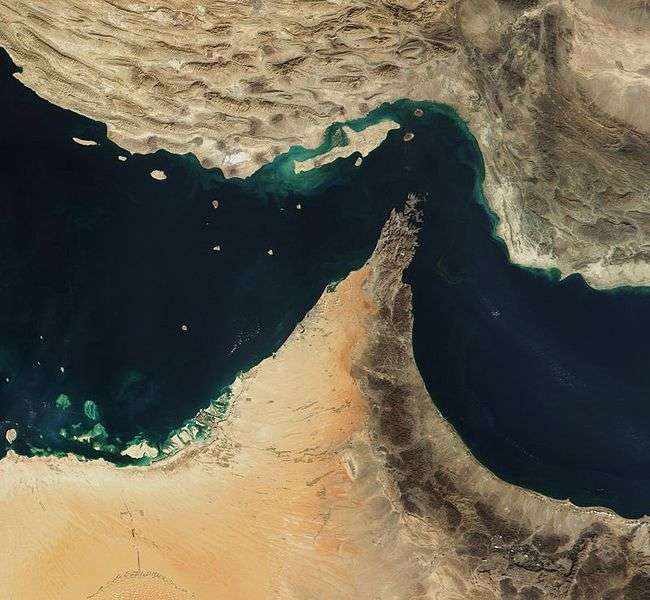
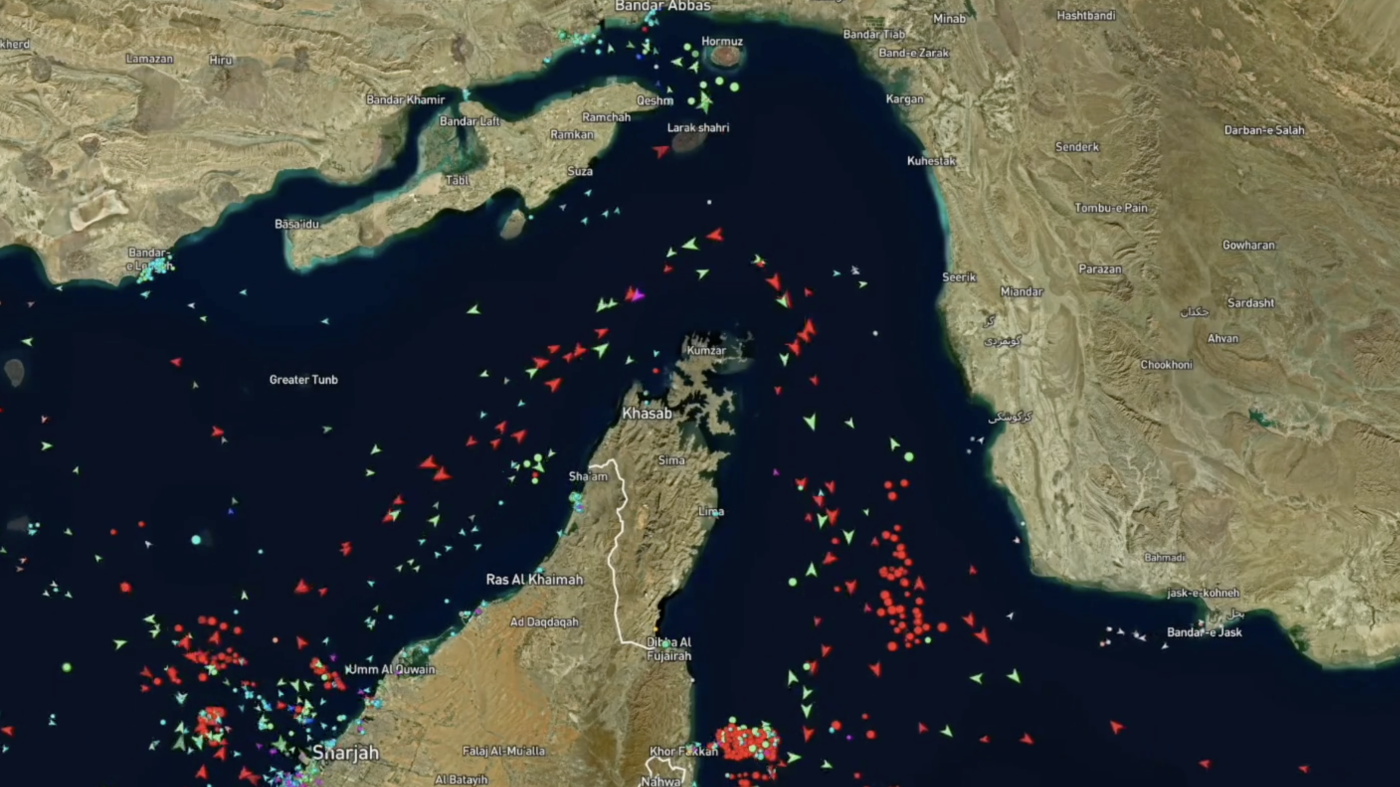
The confrontation took place in the Strait of Hormuz, a narrow but critically important passage connecting the Persian Gulf to the Gulf of Oman. According to statements from U.S. Central Command, the Iranian vessel had been under observation for hours before U.S. forces took decisive action. The ship reportedly refused repeated warnings to halt, prompting a response that escalated from communication attempts to direct military intervention.
The situation intensified when a U.S. Navy destroyer, identified as the USS Spruance, fired on the vessel’s engine room. This action effectively disabled the ship, bringing it to a halt and allowing U.S. Marines to board and take control. Officials described the operation as measured and proportional, emphasizing that multiple warnings had been issued before force was used.
The Justification Behind the Seizure
According to U.S. officials, the cargo ship had been flagged for prior violations and was under sanctions enforced by the U.S. Treasury. This designation formed the legal basis for the interception and seizure. Authorities argued that the vessel’s refusal to comply with orders left them with limited options, framing the operation as a necessary enforcement action rather than an act of aggression.
However, such justifications are often contested in international waters, particularly in regions as politically sensitive as the Strait of Hormuz. Iran has consistently challenged U.S. authority to enforce sanctions beyond its own jurisdiction, viewing such actions as violations of sovereignty. This fundamental disagreement lies at the heart of many confrontations between the two nations.
Escalation of a Maritime Blockade
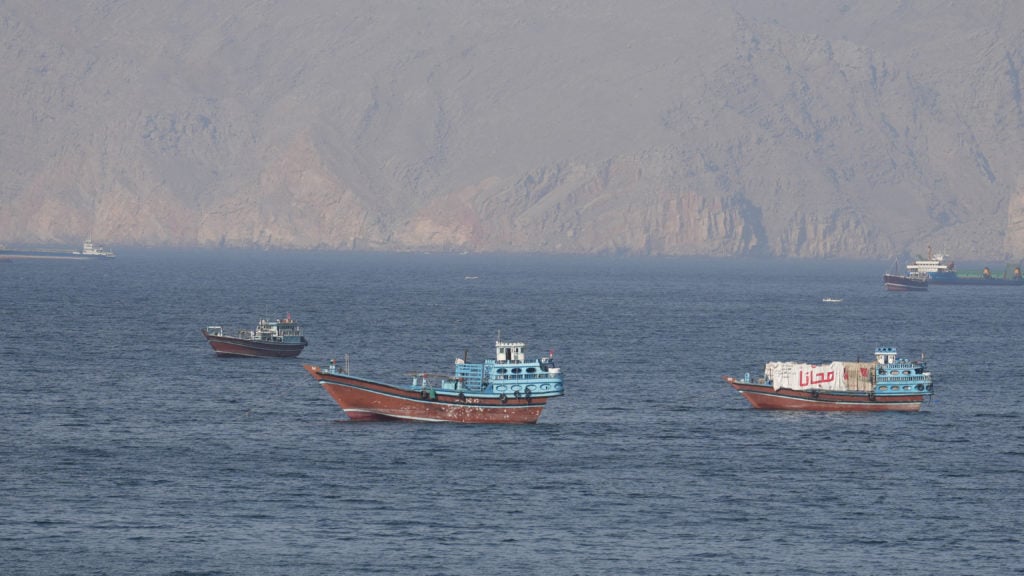
The seizure did not occur in isolation. It is part of a broader strategy by the United States to restrict Iranian maritime activity in the region. Reports indicate that U.S. forces have already redirected or turned back dozens of vessels linked to Iran, effectively creating a de facto blockade. Officials have confirmed that more than 20 ships have been forced to change course, signaling a significant tightening of control over the waterway.
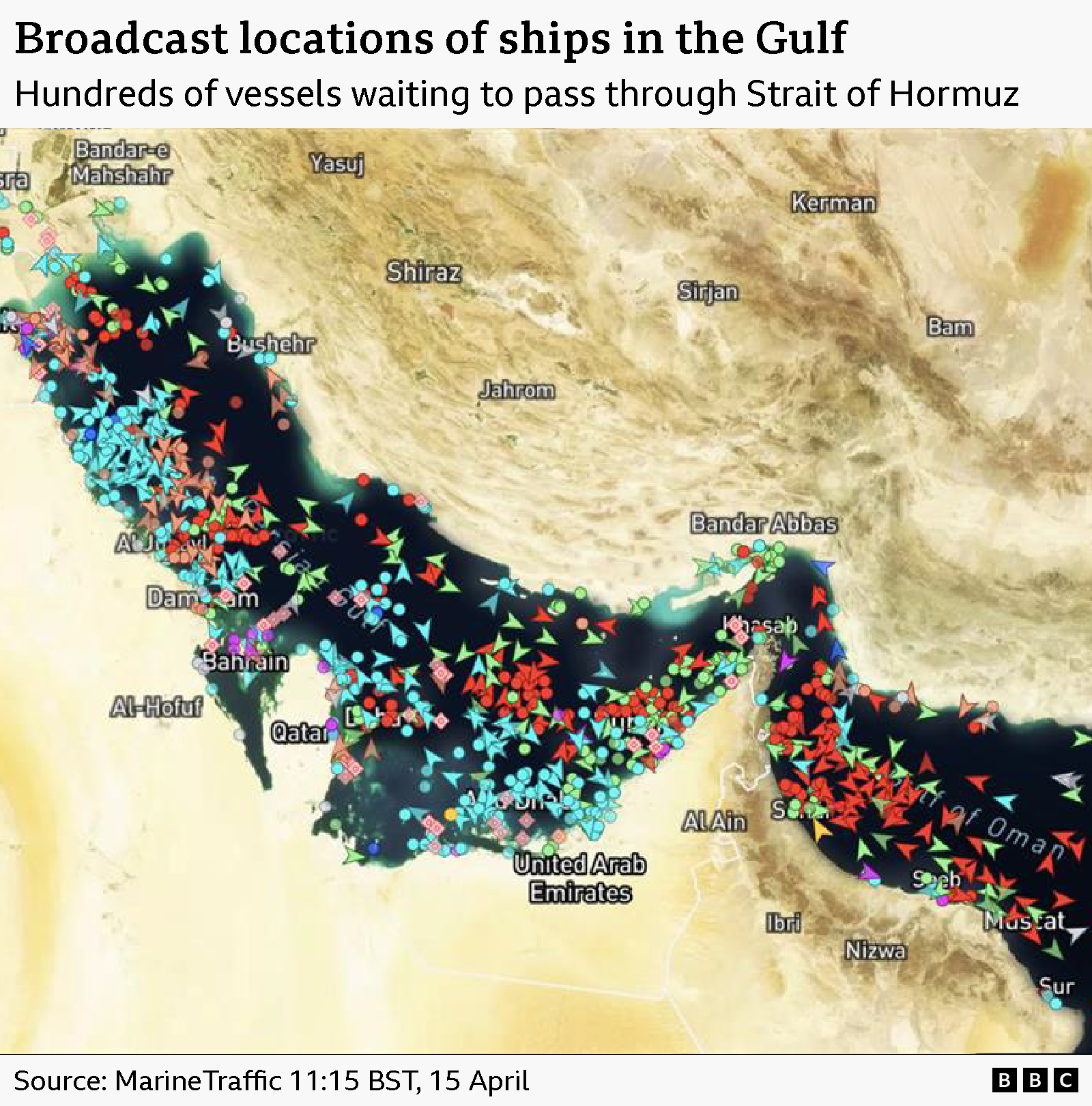
From a strategic standpoint, this blockade aims to pressure Iran economically by limiting its ability to export goods and energy resources. Yet such measures also carry significant risks. The Strait of Hormuz handles approximately 20 percent of the world’s oil and gas shipments, making any disruption a matter of global concern. Even minor interruptions can send shockwaves through international markets, affecting fuel prices and economic stability far beyond the region.
Iran Responds by Closing the Strait
In response to the growing pressure, Iran has taken a dramatic step by once again closing the Strait of Hormuz to international shipping. Iranian officials have stated that access will remain restricted as long as U.S. forces continue their blockade of Iranian ports. This move effectively raises the stakes, transforming a localized confrontation into a broader economic standoff.
Statements from Iranian leadership suggest a firm stance. Officials have made it clear that if Iranian vessels are prevented from operating freely, other nations should not expect uninterrupted access either. This tit for tat dynamic creates a dangerous feedback loop, where each action prompts a stronger reaction, increasing the likelihood of further escalation.
Global Trade and Energy at Risk

The closure of the Strait has immediate and far-reaching consequences. As one of the world’s most important energy corridors, it plays a crucial role in the global economy. Tankers carrying crude oil and liquefied natural gas pass through this narrow passage daily, supplying markets across Asia, Europe, and beyond.
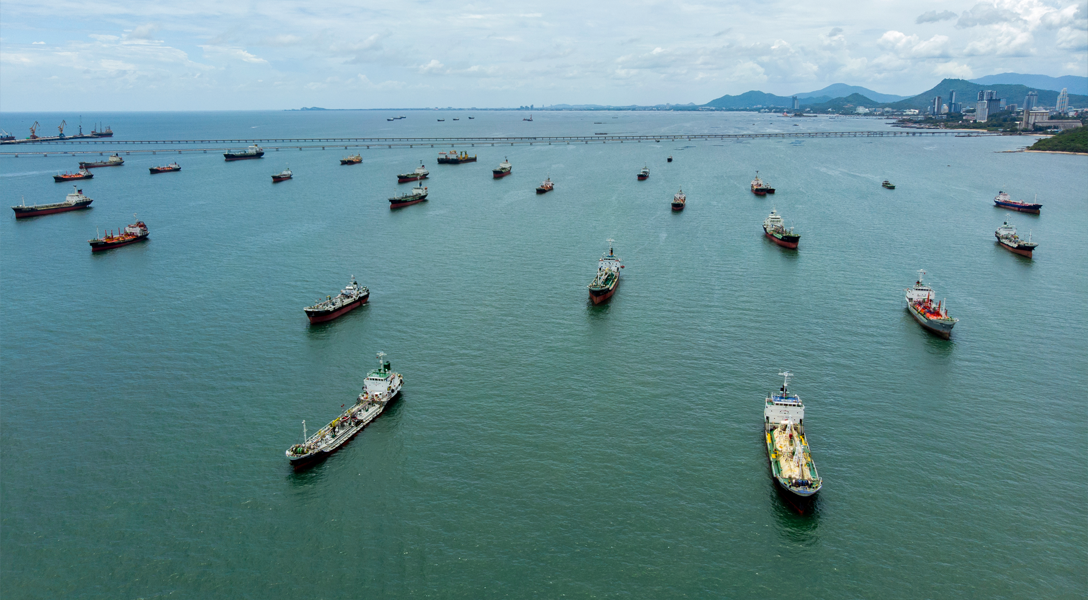
With the Strait effectively restricted, thousands of seafarers have found themselves stranded on vessels unable to proceed. Reports indicate that tens of thousands of crew members are caught in limbo, highlighting the human dimension of the crisis. Beyond that, the disruption threatens to drive up energy prices, potentially triggering inflationary pressures in economies already grappling with uncertainty.
Rising Tensions Beyond U.S. and Iran
The impact of the crisis is not limited to the United States and Iran. Other nations have already begun to feel the effects. India, for instance, has raised concerns after reports that its vessels came under fire during the brief reopening of the Strait. Diplomatic channels have been activated, with officials seeking assurances for the safety of their ships and crews.
Similarly, reports from maritime monitoring organizations indicate incidents involving armed vessels in the region. These developments underscore the increasingly complex and volatile nature of the situation. As more countries become involved, either directly or indirectly, the risk of miscalculation grows significantly.
Diplomacy on Uncertain Ground
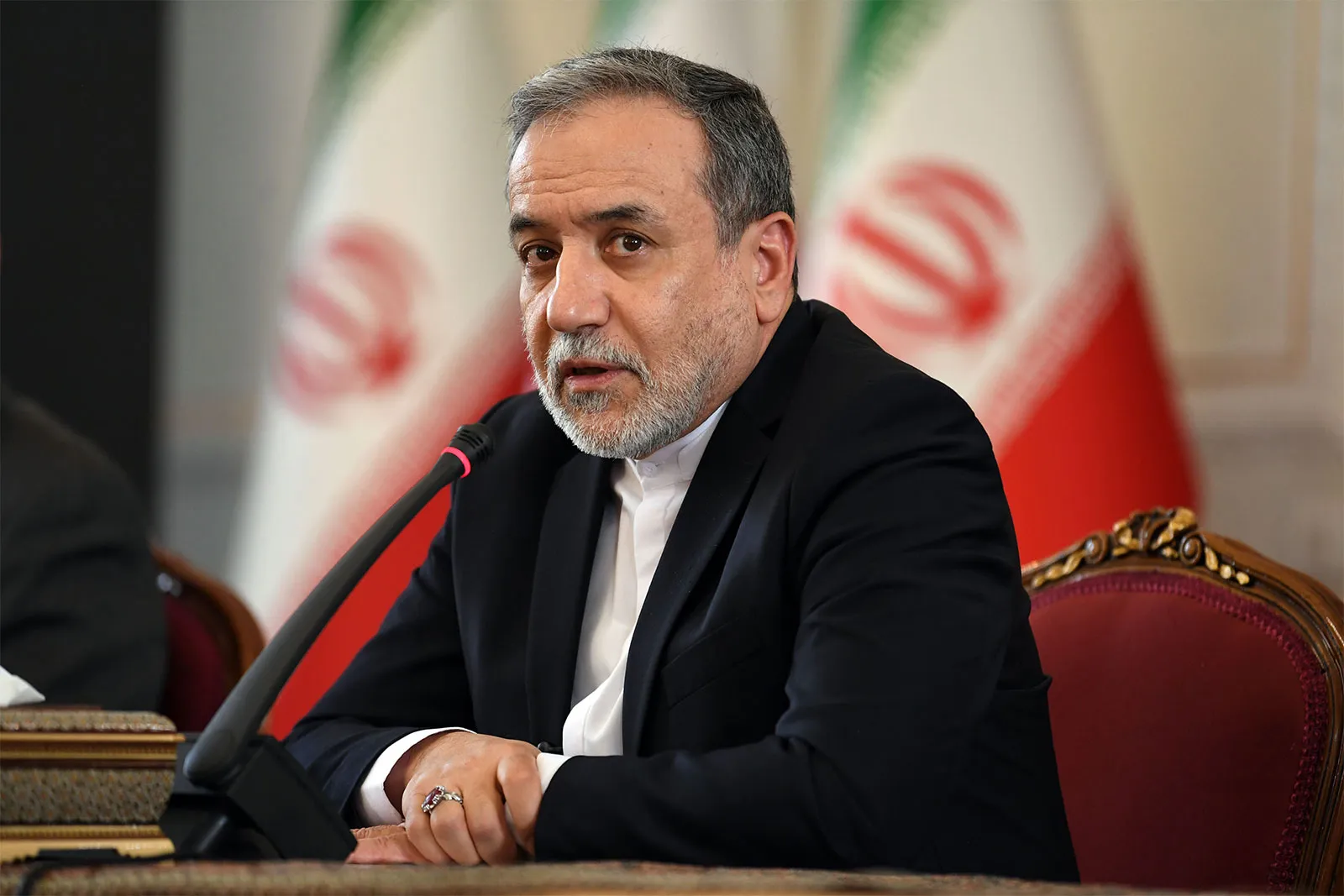
Amid the escalating tensions, efforts to negotiate a resolution have faced significant challenges. Talks scheduled to take place in Pakistan were intended to provide a pathway toward de-escalation. High level U.S. officials, including senior envoys and political figures, were set to engage with Iranian counterparts in hopes of reaching an agreement.
However, Iran has signaled reluctance to participate, citing what it describes as unrealistic demands and inconsistent positions from the United States. This breakdown in communication highlights the difficulties of diplomacy in such a charged environment. Without meaningful dialogue, the chances of resolving the conflict peacefully diminish, leaving military and economic measures as the primary tools of engagement.
Military Actions and Regional Fallout

The crisis in the Strait of Hormuz is unfolding alongside broader regional tensions. In Lebanon, clashes involving Israeli forces and militant groups have resulted in casualties, further complicating the geopolitical landscape. These parallel conflicts create a web of instability, where events in one area can quickly influence developments in another.
The interconnected nature of these crises makes it difficult to isolate their impacts. Actions taken in the Strait of Hormuz can have ripple effects across the Middle East, affecting alliances, security arrangements, and humanitarian conditions. This complexity adds another layer of urgency to efforts aimed at de-escalation.
A World Watching Closely
As the situation continues to evolve, the international community remains on high alert. Governments, businesses, and individuals alike are closely monitoring developments, aware that the consequences could extend far beyond the immediate region. Financial markets have already begun to react, reflecting concerns about supply disruptions and geopolitical instability.
The seizure of a single ship has thus become a symbol of a much larger struggle, one that encompasses economic power, military capability, and political influence. It serves as a reminder of how interconnected the modern world is, where events in one part of the globe can have immediate and profound effects elsewhere.
What Comes Next for the Strait of Hormuz

Looking ahead, the future of the Strait of Hormuz remains uncertain. The current standoff highlights the fragile balance that exists in this critical region. While both sides have demonstrated their willingness to assert control, the costs of continued escalation are becoming increasingly clear.
The key question now is whether diplomatic efforts can regain momentum or if the cycle of action and reaction will continue. The answer will not only determine the fate of the Strait but also shape the broader trajectory of U.S. Iran relations and global energy security.
In the end, this moment is about more than a single naval operation. It is about the delicate interplay between power, policy, and perception in a world where the stakes have never been higher. As tensions persist, the decisions made in the coming days and weeks will likely define the next chapter in one of the most consequential geopolitical rivalries of our time.