
Table of Contents
- A Decision That Sent a Clear Diplomatic Signal
- What the US Request Represented
- The UK’s Calculated Position
- France’s Longstanding Strategic Independence
- The Role of International Law and Mandates
- European Security at a Crossroads
- Washington’s Strategic Adjustment
- Global Reactions and Interpretations
- The Balance Between Alliance and Autonomy
- What This Means for Future Military Cooperation
A Decision That Sent a Clear Diplomatic Signal
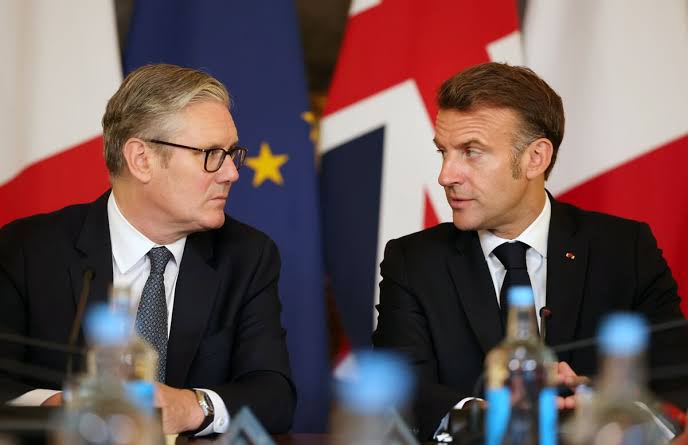
When news broke that the United Kingdom and France had denied the United States permission to use their soil for military operations, the global security community took notice. The refusal was not merely a procedural matter. It represented a deliberate political choice at a moment of heightened international tension.
Both European powers made clear that their territories would not be used as launch points or staging grounds for potential military actions under the circumstances presented. While the statements were measured and diplomatic, the underlying message was unmistakable. European allies were asserting boundaries in how they engage with US led military initiatives.
This moment marked more than a logistical setback. It revealed evolving dynamics in transatlantic relations and raised broader questions about sovereignty, alliance politics, and the future of collective security.
What the US Request Represented
Requests for access to allied territory are not unusual in global military operations. For decades, the United States has relied on bases, airspace, and logistical support from partner nations to project power and respond to international crises.
In this case, however, the request carried significant political weight. Allowing foreign military operations from national soil often implies tacit endorsement of the mission’s objectives. By denying access, the UK and France signaled hesitation about being drawn into potential escalation.
Their refusal suggested that while alliances remain intact, automatic alignment can no longer be assumed.
The UK’s Calculated Position
The United Kingdom has long been one of Washington’s closest military allies. Shared intelligence networks, joint operations, and historical cooperation have defined the so called special relationship.
Yet the UK’s decision underscored a more cautious approach. British officials emphasized national sovereignty and the importance of assessing each request independently rather than reflexively aligning with US strategy.
This stance reflects domestic political realities as well. Public opinion in the UK has grown increasingly skeptical of foreign military entanglements, particularly those lacking clear international mandates.
By denying access, Britain demonstrated that partnership does not preclude discretion.
France’s Longstanding Strategic Independence
France’s response was consistent with its tradition of strategic autonomy. Paris has historically emphasized independent decision making in defense matters, even while remaining a key NATO member.
French officials reiterated that any military engagement must align with international law and multilateral consensus. The refusal reinforced France’s position that European security should not be dictated solely by external actors.
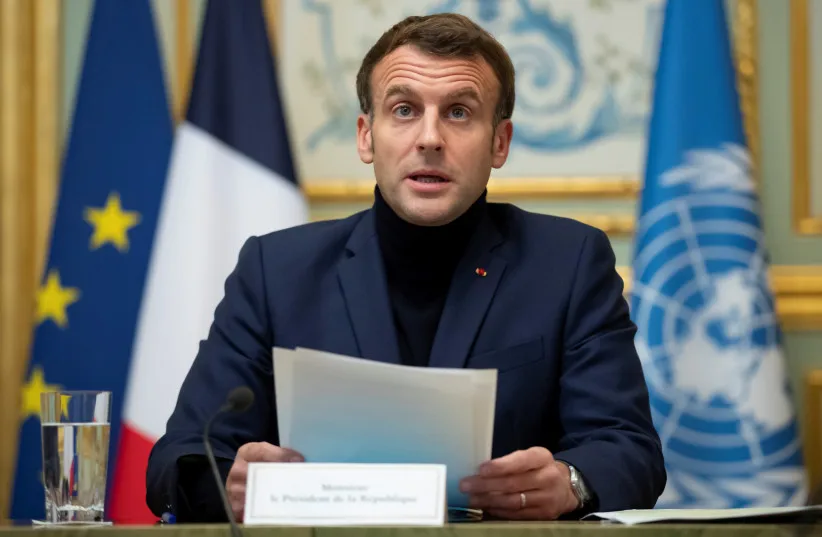
This approach resonates with President Emmanuel Macron’s calls for European strategic sovereignty, a concept that envisions Europe capable of acting independently when necessary.
The Role of International Law and Mandates
A central factor in both countries’ decisions was the absence of a clear international mandate. Military operations conducted without explicit authorization from the United Nations often generate legal and political controversy.
By withholding access, the UK and France avoided potential violations of international norms. This emphasis on legality served as a diplomatic shield, framing the refusal not as opposition to the US, but as adherence to global rules.
In an era where legitimacy matters as much as capability, this distinction is crucial.
European Security at a Crossroads
The decision highlighted deeper debates within Europe about security responsibility. For decades, European defense has relied heavily on US leadership. However, recent geopolitical shifts have prompted reassessment.
European leaders increasingly argue that reliance on American military power should not substitute for independent judgment. The refusal reflected this recalibration.
Rather than weakening alliances, such decisions may redefine them, moving from automatic compliance to negotiated cooperation.
Washington’s Strategic Adjustment
For the United States, the denial posed practical and symbolic challenges. Logistically, it limited operational flexibility. Diplomatically, it underscored that even close allies may resist involvement in contentious actions.
US officials responded cautiously, avoiding public criticism. This restraint suggested awareness that pressuring allies could deepen divisions rather than resolve them.
The episode may prompt Washington to seek broader multilateral backing earlier in future initiatives.
Global Reactions and Interpretations
International reactions varied. Some nations viewed the refusal as a responsible act of restraint, while others saw it as a sign of Western fragmentation.
Adversarial states closely monitored the situation, interpreting it as evidence of declining cohesion among traditional allies. Meanwhile, non aligned countries cited the decision as validation of cautious diplomacy.
The differing interpretations illustrate how even defensive decisions can ripple through global perceptions.
The Balance Between Alliance and Autonomy
The core issue raised by the refusal is the balance between alliance commitments and national autonomy. Membership in security alliances does not eliminate sovereign decision making.
The UK and France demonstrated that alliances are frameworks for cooperation, not obligations for unconditional support. This distinction may become increasingly important as global conflicts grow more complex.
Future military cooperation will likely require deeper consultation and clearer consensus.
What This Means for Future Military Cooperation
The refusal by the UK and France marks a subtle but significant shift in international security politics. It reflects growing insistence on legality, public accountability, and national discretion.
While alliances remain vital, their nature is evolving. Cooperation is becoming more conditional, more deliberative, and more sensitive to domestic and international legitimacy.
As global tensions persist, this episode serves as a reminder that power projection depends not only on military strength, but on trust, consent, and shared purpose. How nations navigate these factors will shape the future of collective security in an increasingly uncertain world.