
Table of Contents
- The Rising Influence of Character in University Admissions
- The Policy Change: Consequences for School Violence
- The Legal and Ethical Concerns: Disputes Over Bullying Records
- The Public Backlash: The Case of Chung Sun-sin
- The Universities Leading the Way: A Shift Towards Comprehensive Evaluation
- The Implications for Students: A Double-Edged Sword
- The Future of University Admissions in Korea
The Rising Influence of Character in University Admissions
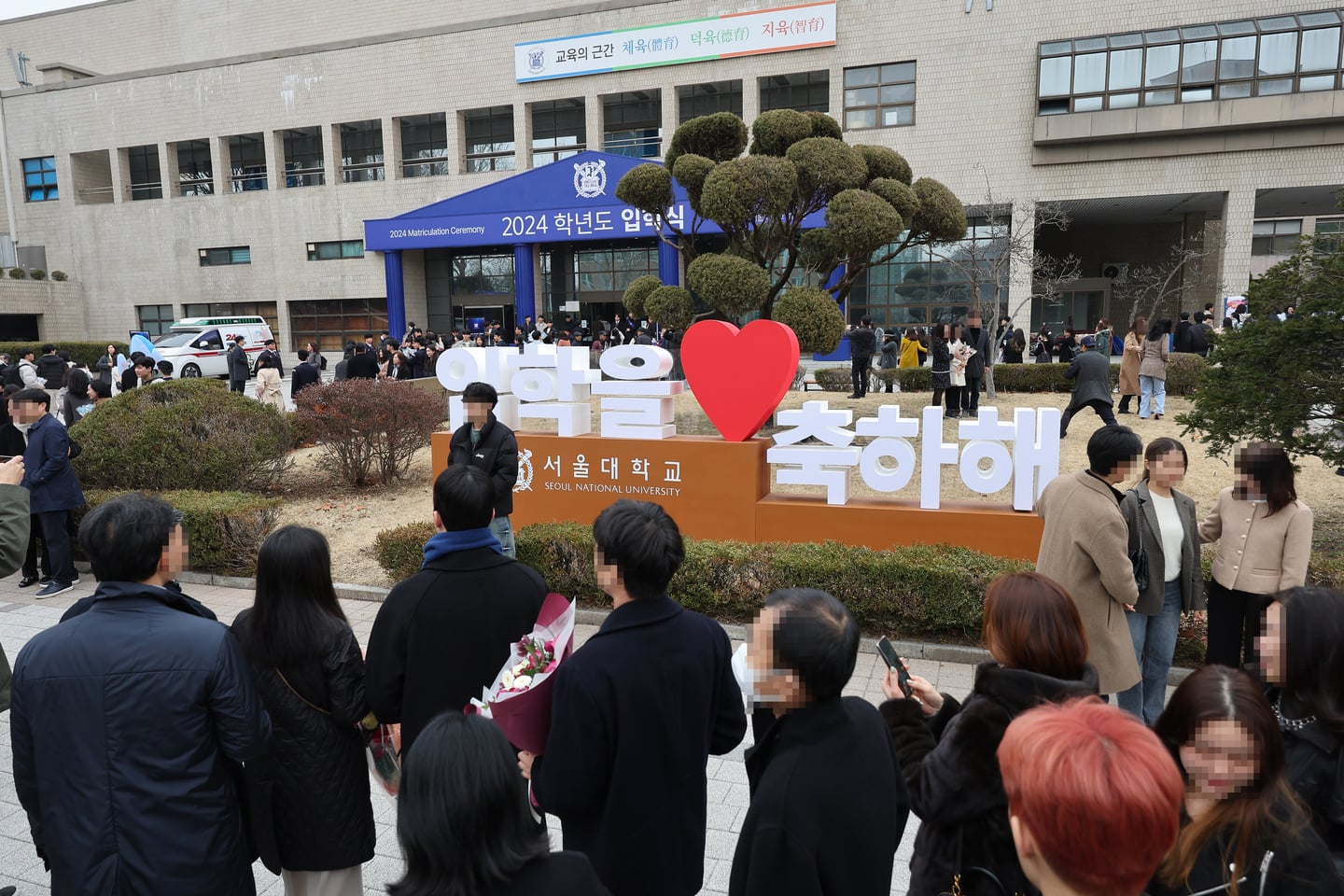
For years, academic performance was the primary factor in university admissions in South Korea. However, in recent years, universities have started placing more emphasis on the character of applicants, particularly when it comes to records of school violence. This shift became particularly evident last year when two students were denied admission to Seoul National University (SNU), one of the country’s most prestigious universities. Despite their impressive CSAT (College Scholastic Ability Test) scores, these students were disqualified due to their histories of bullying during their school years. This change underscores a growing recognition that a student’s character plays a critical role in shaping their future success, not just their academic achievements.
The Policy Change: Consequences for School Violence

The denial of admissions to these students at SNU was not an isolated case. In fact, a total of 45 students across six major national universities faced similar rejections due to their bullying records. Universities such as Pusan National University, Kangwon National University, and Kyungpook National University all saw a significant number of applicants disqualified because of past disciplinary actions linked to school violence. The pattern is clear: Korean universities are increasingly prioritizing the character of applicants, placing more weight on how they have behaved in school rather than just focusing on academic performance.
At SNU, for instance, the university began deducting points from CSAT scores for applicants who had received disciplinary actions such as school transfers or expulsions due to bullying. Since 2014, SNU has taken this measure, further indicating how seriously the institution now views school violence in its admissions process. The impact is profound: students who may have been academically gifted but had a history of disruptive or violent behavior are being increasingly excluded from gaining entry into some of the most prestigious universities in the country.
The Legal and Ethical Concerns: Disputes Over Bullying Records
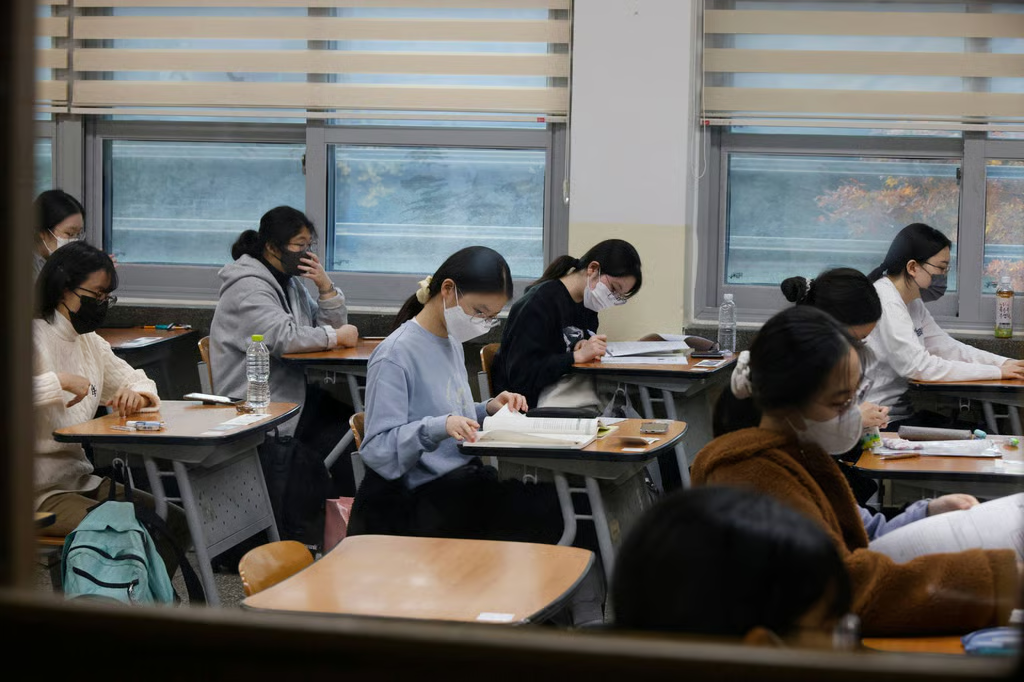
While the policy change has been lauded by some as an important step towards addressing bullying and fostering a safer academic environment, it has also sparked significant debate. Critics argue that these policy decisions could lead to an increase in legal disputes, as students accused of bullying may now resort to hiring lawyers and filing lawsuits to challenge their exclusion. In fact, some students who were rejected for their involvement in bullying are already taking legal action to overturn the decisions. The involvement of law firms, critics warn, could turn these cases into profit-driven lawsuits, exacerbating an already sensitive issue and potentially creating a cycle of legal battles.
This legal trend is concerning for schools, as the potential for protracted disputes could delay the admissions process and create tensions within the academic community. Moreover, some fear that the focus on legal action might overshadow the need for restorative practices aimed at addressing bullying and helping students learn from their past mistakes. Instead of fostering growth and understanding, these legal battles could reinforce a punitive system that fails to address the underlying issues of bullying.
The Public Backlash: The Case of Chung Sun-sin
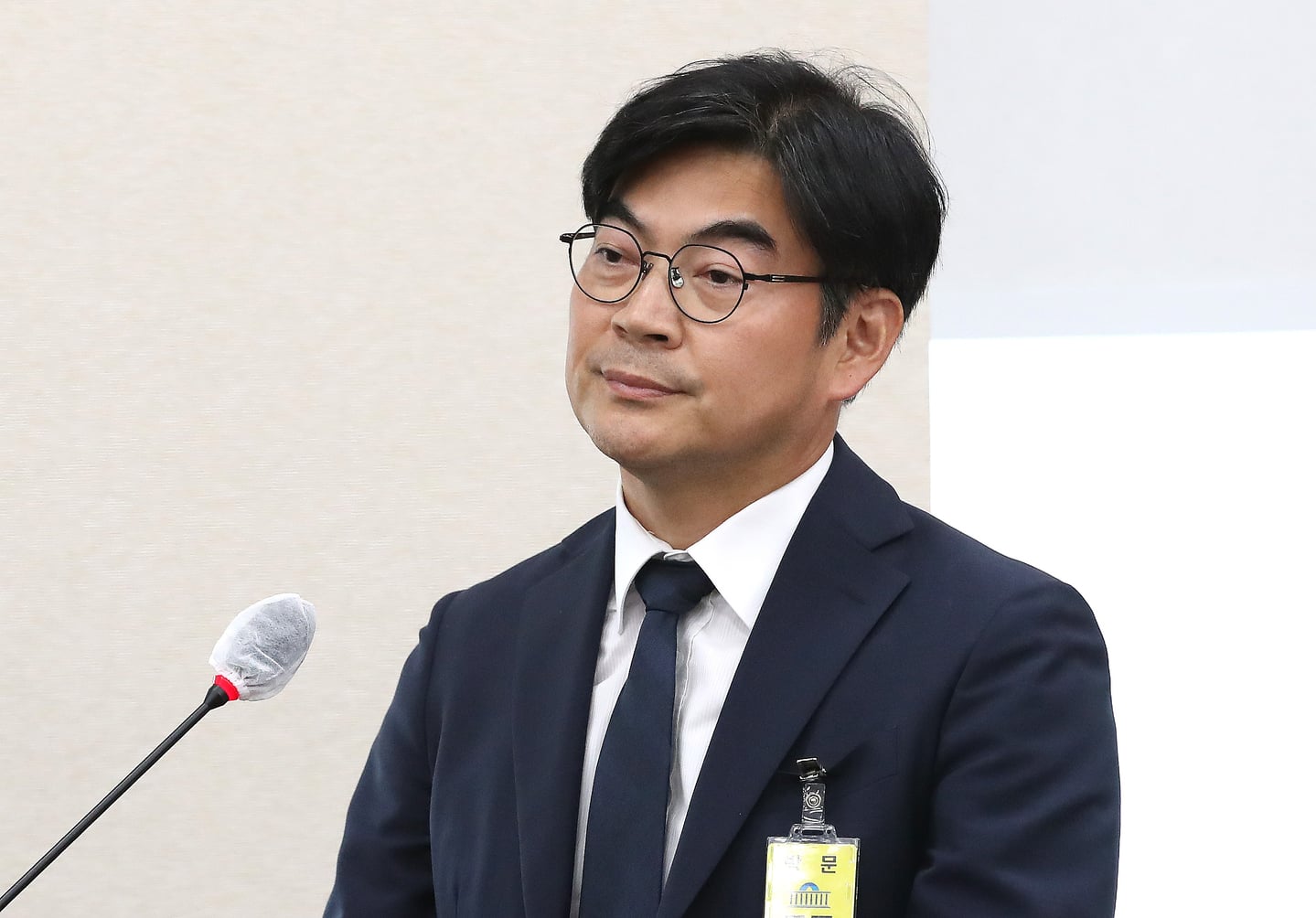
The shift in admissions policies also gained significant attention in the wake of a high-profile case involving former prosecutor Chung Sun-sin. Chung’s son, who was transferred to another high school due to bullying, was later admitted to SNU with a minor deduction to his CSAT score. This revelation sparked widespread public outrage, as many felt that the preferential treatment of the son of a powerful figure was unfair. The public’s backlash against the system’s perceived lack of transparency and fairness led to calls for reform, further fueling the push for more rigorous character assessments in university admissions.
Chung’s case has raised important questions about the role of privilege in South Korea’s education system and whether certain students are unfairly given leniency. As universities across the country implement stricter policies regarding bullying, there is growing concern about whether such measures will disproportionately affect students from marginalized backgrounds or exacerbate existing inequalities.
The Universities Leading the Way: A Shift Towards Comprehensive Evaluation

While some universities have fully embraced the new policy of rejecting students with bullying records, others have adopted a more selective approach. Four universities, including Chonnam National University and Jeju National University, have not yet implemented mandatory bullying record checks for all admissions. Instead, these universities only consider bullying records for certain admission tracks, such as those for student-athletes or special programs. This variance in policy implementation reflects the ongoing debate about how to best balance academic achievement with character evaluation.
However, starting next year, all universities in South Korea will be required to deduct points from applicants with school violence records, regardless of the admission type. This policy shift is expected to have far-reaching consequences, particularly for students who may have shown improvement over time but are still marked by their past actions. The goal is to prevent individuals with a history of bullying from entering the academic environment without undergoing some form of evaluation or remediation.
The Implications for Students: A Double-Edged Sword
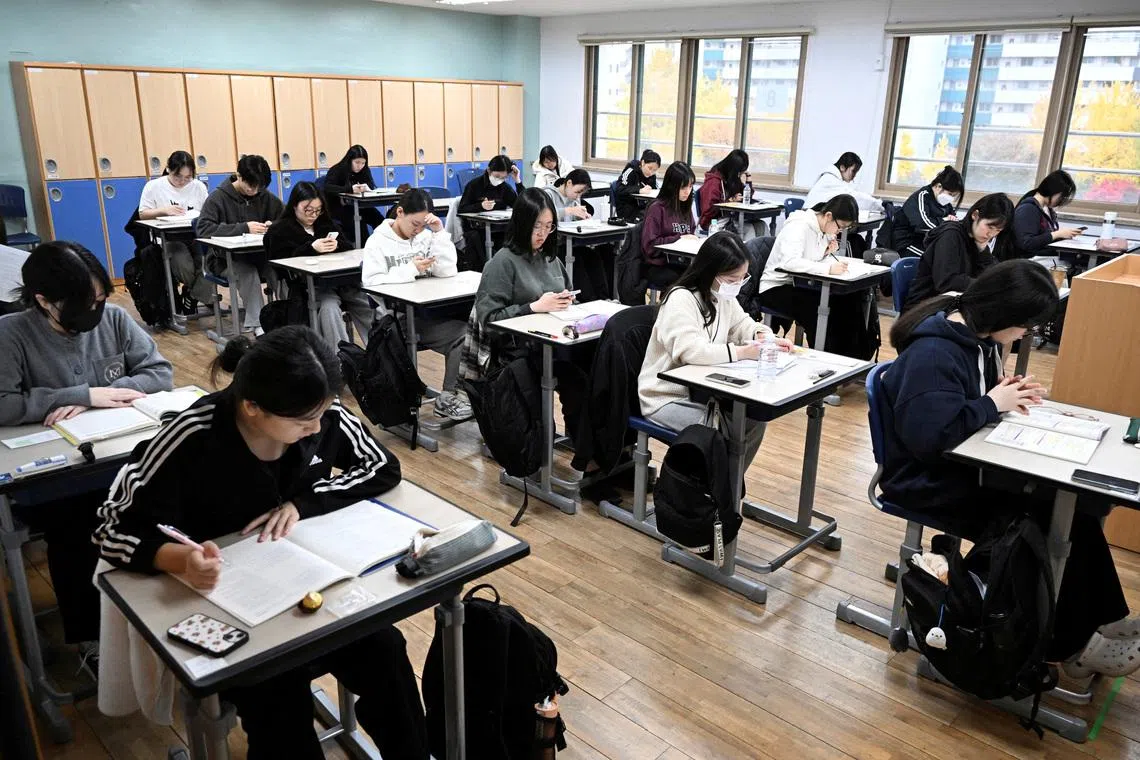
For many students, the new admissions policies represent a double-edged sword. On the one hand, they may help ensure that students with violent tendencies are not allowed to thrive in an academic setting, promoting a safer environment for everyone. On the other hand, these policies could unjustly penalize students who have matured and reformed their behavior. The question remains: How do we ensure that students are held accountable for their past actions while still offering them a path to redemption?
One concern is that students who are unfairly marked by past mistakes may find themselves locked out of higher education opportunities, even if they have made significant progress in overcoming their past behaviors. This could be especially damaging for students who were victims of bullying themselves and are now being held back by a single, defining moment from their school years. As the new policies take effect, it will be important to monitor whether they strike the right balance between promoting accountability and offering second chances.
The Future of University Admissions in Korea
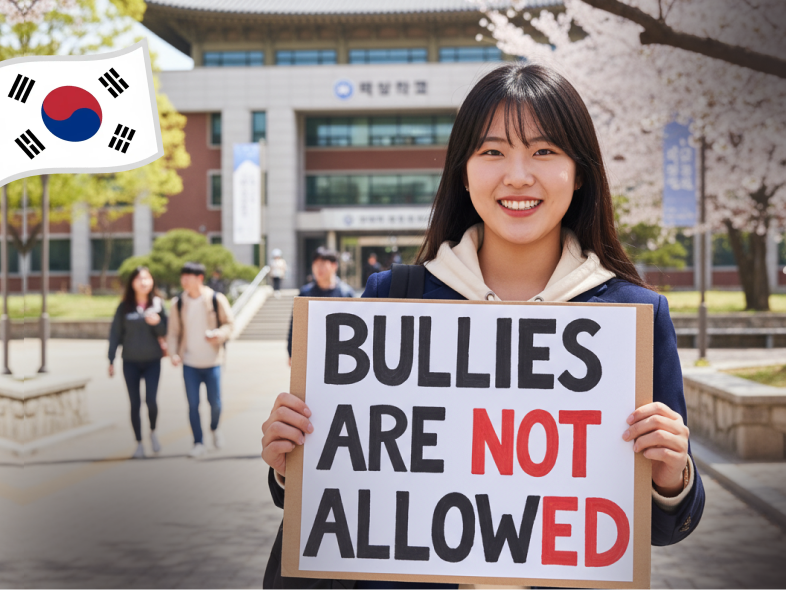
As the mandatory bullying record deductions are implemented across all universities in South Korea, it remains to be seen how this policy will evolve. While it is important to address bullying and ensure that students with violent histories do not gain access to prestigious universities, it is equally crucial to recognize the potential for change and growth in all students. The challenge moving forward will be finding ways to fairly evaluate character without stifling the opportunities of those who have worked hard to overcome their past mistakes.
In the coming years, the debate over how best to handle bullying records in university admissions will continue to be a hot topic in South Korea. As students and educational institutions navigate this new era of character-based evaluation, it is clear that the issue of bullying in schools will remain a focal point of societal discussions. Ultimately, the goal should be to create an environment where students are encouraged to learn from their mistakes and are given the tools to build a better future, both academically and socially.