
Table of Contents
- A fragile ceasefire has opened a narrow path back to diplomacy
- Islamabad showed both progress and deep distrust
- The biggest obstacle is still the nuclear file
- Trump’s blockade has changed the pressure equation
- Hormuz remains the real battlefield behind the talks
- Regional mediators are now more important than ever
- The ceasefire is holding, but only barely
- Oil prices may become the silent negotiator
- A second round now looks possible, but far from certain
A fragile ceasefire has opened a narrow path back to diplomacy
When news broke that the United States and Iran could still return to the negotiating table after marathon peace talks failed to produce a breakthrough, the development landed with a mix of relief and dread. Relief, because the failure of diplomacy in a war already stretching for weeks could have led directly back to open escalation. Dread, because the diplomatic opening has emerged at the exact same time that Washington has launched a blockade on Iranian ports, energy markets remain on edge, and the Strait of Hormuz is still not functioning normally. What looks like diplomacy on paper is still unfolding inside an atmosphere of coercion, mistrust, and military danger.
The latest round of high-level talks in Islamabad lasted roughly 20 to 21 hours and ended without a final agreement, yet neither side fully shut the door. Reuters reported that the two governments left open the possibility of more dialogue after the most significant direct engagement between Washington and Tehran since Iran’s 1979 revolution. At the same time, American officials have continued signaling that another round remains possible, while President Donald Trump has publicly insisted that Iran still wants a deal. The contradiction at the heart of this moment is impossible to miss: the two sides are still talking about peace while simultaneously increasing pressure in ways that could make peace harder to reach.
That contradiction is what makes this moment so important. The ceasefire has not collapsed, but neither has it delivered calm. The blockade has not yet resumed full war, but it has dramatically increased the stakes. Negotiators are now operating in a landscape where every delay matters, every public statement can shake markets, and every failed meeting makes the next one harder to arrange. The central question is no longer whether diplomacy exists at all. It is whether diplomacy can survive long enough to overcome the very pressure tactics now being used to force it forward.
Islamabad showed both progress and deep distrust
The failed talks in Pakistan were not a meaningless exercise. By several accounts, the discussions were serious, direct, and at moments unexpectedly close to movement. Reuters reported that participants suggested they were at one point perhaps 80 percent of the way toward a deal before disagreements over sanctions relief, nuclear restrictions, and the future of the Strait of Hormuz caused the meeting to stall. That detail matters because it suggests the negotiations were not symbolic theater. They reached the point where specifics, not slogans, became the main obstacle.
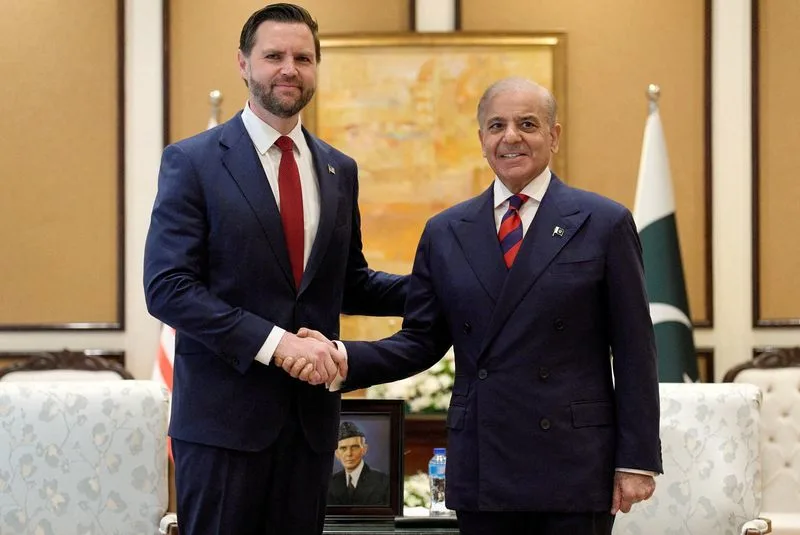
Vice President JD Vance, who led the American delegation, later said the United States had made “a lot of progress,” but also emphasized that the next move now belongs to Iran. He said Tehran had moved in Washington’s direction, just not far enough. That is the language of a negotiation that has narrowed its disputes without resolving them. It is very different from saying the talks failed because the parties had nothing in common. Instead, it suggests that both sides can now see the contours of a possible agreement, but remain too far apart on the most politically sensitive terms.
Iran offered a similarly mixed message. Its foreign minister, Abbas Araghchi, said Tehran had engaged “in good faith” and claimed the sides were inches away from an understanding before running into what he described as American maximalism, shifting goalposts, and the later blockade. That phrasing is revealing. Iran did not say negotiations were impossible. It said Washington changed the terms. In diplomatic language, that is both an accusation and an invitation. It blames the United States for the failure while leaving open the argument that the process could still work if American demands were adjusted.
The biggest obstacle is still the nuclear file
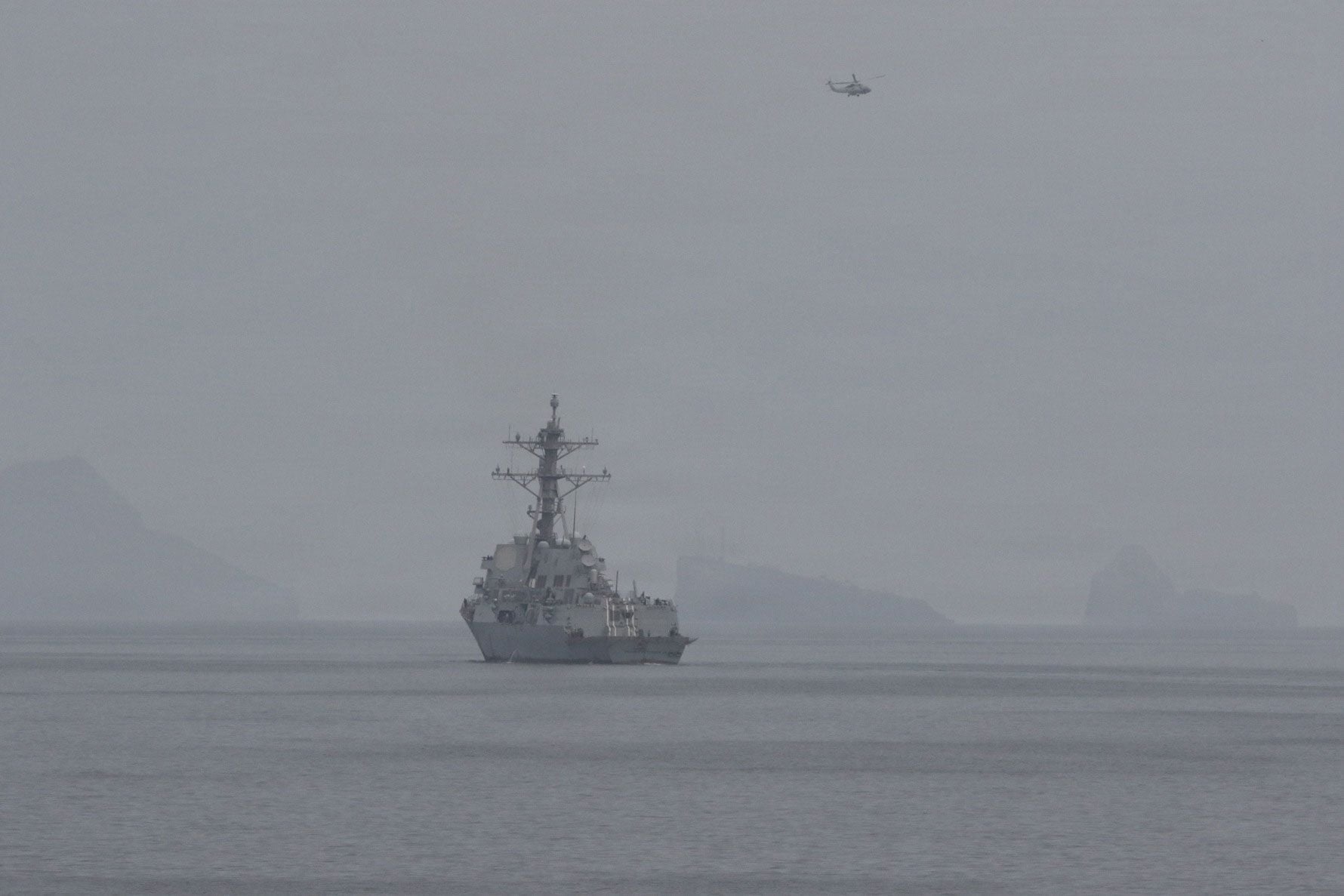
For all the dramatic headlines about warships, blockades, and oil, the central disagreement remains the same one that has haunted U.S.-Iran diplomacy for years: Iran’s nuclear program. Reuters reported that the talks addressed Iran’s nuclear activity, sanctions relief, and the Strait of Hormuz, but the deepest sticking points were tied to uranium enrichment and the guarantees each side wants before taking political risks.
According to multiple reports, Washington wants Iran to abandon or at least suspend key parts of its enrichment program for far longer than Tehran is willing to accept. Reuters reported that the U.S. side sought concrete steps tied to reopening Hormuz and broader nuclear concessions. Other reporting circulating after the talks said the U.S. floated a 20-year pause in uranium enrichment, while Iran countered with a much shorter five-year suspension. Even without relying on every leaked detail, the broad picture is clear: both sides may accept the idea of a pause in principle, but they remain far apart on duration, enforcement, and what each side gets in return.
This is not a technical disagreement alone. It is political at the highest level. For the White House, any agreement that leaves Iran too much room to resume enrichment quickly could be attacked as weak and temporary. For Tehran, any deal that appears to surrender sovereign nuclear rights for a generation could be politically humiliating and strategically unacceptable. That is why the talks can last for nearly a full day and still break down at the finish line. Once negotiators move beyond general de-escalation and into the details of nuclear timelines, every phrase carries regime-level consequences.
Trump’s blockade has changed the pressure equation
What has transformed the situation most dramatically is the American decision to begin blockading Iranian ports. According to the Associated Press and Reuters, the blockade began after the talks collapsed and is designed to pressure Tehran into reopening the Strait of Hormuz and returning to negotiations under harsher economic and strategic pressure. Trump has framed the move as leverage. Iran sees it as coercion. The rest of the world sees it as a high-risk escalation with global consequences.
The blockade is not a full closure of the Strait to all ships, but it targets maritime traffic connected to Iranian ports and oil exports, which is still enough to shake global shipping and energy markets. AP reported that tankers have already turned back and oil prices have climbed sharply. Reuters has likewise stressed that Hormuz, sanctions, and the interruption of exports are now central to the diplomatic crisis. That means the blockade is doing two things at once: increasing pressure on Iran and increasing pressure on the global economy.
This pressure tactic may indeed create incentives for Tehran to keep talking, but it also creates incentives to resist. A government that negotiates immediately after being blockaded can look weak to domestic hardliners. A government that refuses to negotiate may damage itself economically. That is the dilemma Washington is trying to exploit. Yet coercive leverage always carries risk. If the other side concludes that surrendering under pressure is more dangerous than enduring it, the tactic can harden positions rather than soften them.
Hormuz remains the real battlefield behind the talks
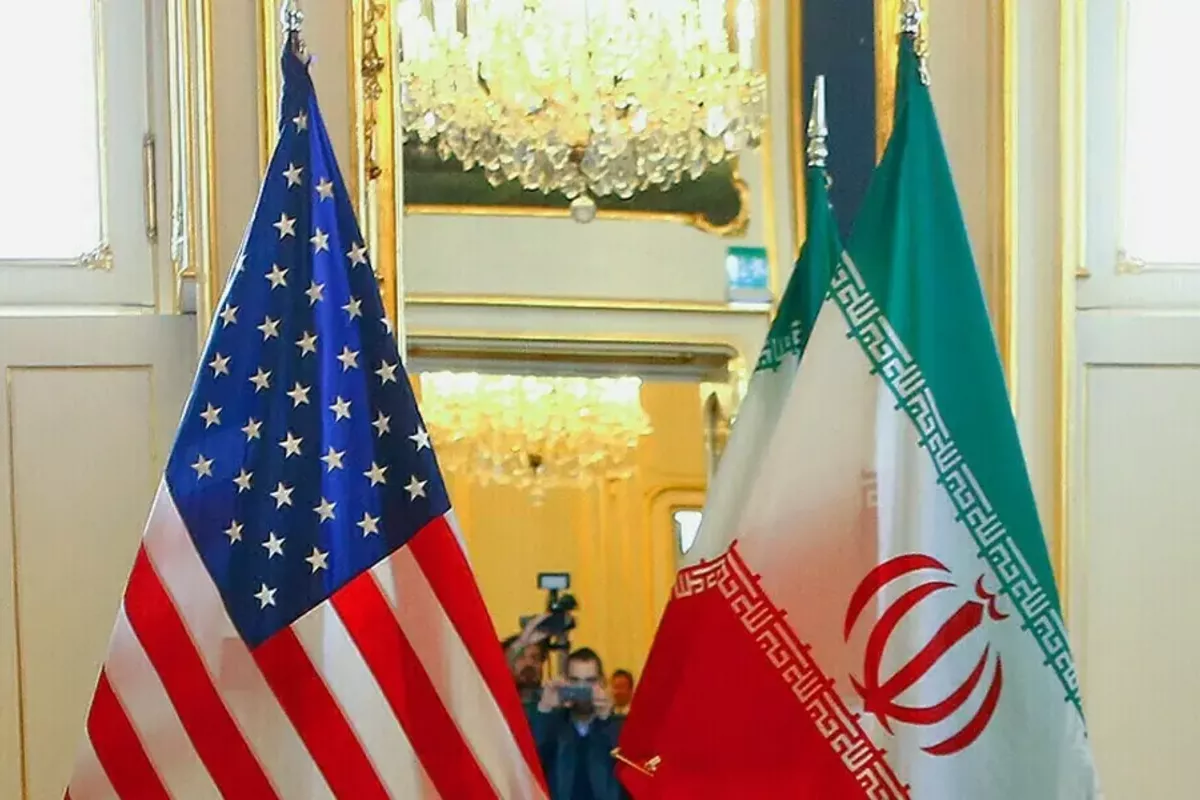
The Strait of Hormuz has become the strategic center of gravity in this conflict. Around one-fifth of global oil trade normally moves through this narrow passage, so its disruption has consequences that extend far beyond the Middle East. Reuters and AP have both made clear that the closure and partial obstruction of Hormuz are now at the heart of the crisis. The diplomatic question is not only whether the war can stop, but whether shipping can resume in a way that convinces markets the worst is over.
European leaders are openly worried. Ursula von der Leyen said restoring traffic through Hormuz is of “paramount” importance, underlining how deeply the crisis has affected global stability. Australia has also called for the strait to reopen, while ruling out joining the American blockade. These reactions show how the conflict has moved beyond a bilateral U.S.-Iran showdown. It now threatens supply chains, inflation, and energy planning across multiple continents.
That broader pressure cuts both ways. Tehran believes control over Hormuz gives it leverage because the world cannot easily absorb prolonged disruption. Washington believes that by blockading Iranian ports and tightening pressure on oil exports, it can make that leverage too costly for Iran to maintain. Both sides are therefore using the same chokepoint to test the other’s endurance. Diplomacy will succeed only if one side decides the economic pain and military risk now outweigh the symbolic or strategic value of holding out.
Regional mediators are now more important than ever
One of the clearest lessons from the Islamabad talks is that middle powers and regional intermediaries are no longer peripheral to this process. Pakistan helped host and facilitate the meeting, and Reuters reported that Turkey, Egypt, and Oman have also been involved as intermediaries. This layered mediation effort reflects both the complexity of the conflict and the absence of normal U.S.-Iran diplomatic channels. Direct engagement is possible, but it still requires a scaffold of regional actors to keep the two sides connected when trust breaks down.
Turkey, in particular, is reportedly working to bridge the remaining gaps. That matters because the more militarized the conflict becomes, the more valuable credible intermediaries become. They are not just passing messages. They are creating political space for each side to step back without appearing to capitulate outright. If another round of talks happens, it will likely be because these intermediaries convinced both Washington and Tehran that the alternative was worse.
The choice of venue is also part of the message. Islamabad was not a random location. It represented a place where both sides could meet under regional sponsorship and outside the more symbolic settings of Europe or direct bilateral channels. Reports suggest that Geneva and possibly other cities could host the next round, but the real issue is not geography. It is who can provide enough trust and enough cover to keep two adversaries in the same room while each claims it is still standing firm.
The ceasefire is holding, but only barely
For now, the ceasefire remains in place, and that alone is an achievement given the intensity of the conflict that preceded it. AP reported that the current ceasefire is set to expire on April 22, while Reuters described the Islamabad session as one of several talks expected over the course of a two-week diplomatic window. That means the current pause is not peace. It is more like a countdown clock.
The problem is that ceasefires are hardest to maintain when the political objectives behind them are unresolved. The United States wants nuclear concessions and restored navigation. Iran wants sanctions relief, respect for its position, and leverage preserved for as long as possible. Neither side wants to be seen as the one that blinked first. That is why even small provocations, military incidents, or contradictory public statements could still break the truce. The diplomacy is alive, but it is alive inside a very fragile container.
Administration officials have made clear they still see a diplomatic off-ramp as possible. That matters because there appears to be little appetite inside Washington for a return to full-scale military attacks if talks can be salvaged. Americans are growing impatient with the war, according to officials cited in reporting, and energy costs are adding political pressure at home. In that sense, both sides have reasons to keep the ceasefire alive even if neither side yet has enough trust to transform it into a settlement.
Oil prices may become the silent negotiator
Even if formal diplomacy stalls, the market may force movement faster than either side intends. Oil prices have already surged in response to the disruption, and analysts cited in coverage say the combination of a stalled Hormuz route and blocked Iranian exports could push crude much higher if the crisis deepens. Business and market analysts have warned that the geopolitical risk premium is now substantial, with some projecting much sharper price spikes if enforcement tightens or if Iran escalates in response.
That creates an unusual pressure map. Tehran is under pressure because its export capacity is being squeezed. Washington is under pressure because higher energy prices could hit American consumers quickly. U.S. allies are under pressure because supply disruptions increase recession and inflation risks. In many conflicts, the parties directly involved can endure pain longer than outside observers expect. But in this case the economic consequences travel so widely and so fast that third-party pressure for a deal may become overwhelming.
This is one reason why diplomacy remains alive despite the hard language on both sides. Neither government wants to look weak, but neither can fully control the costs of prolonged instability in Hormuz. Oil prices, shipping risk, and domestic political patience are now acting almost like unofficial negotiators. They are steadily narrowing the range of acceptable failure.
A second round now looks possible, but far from certain
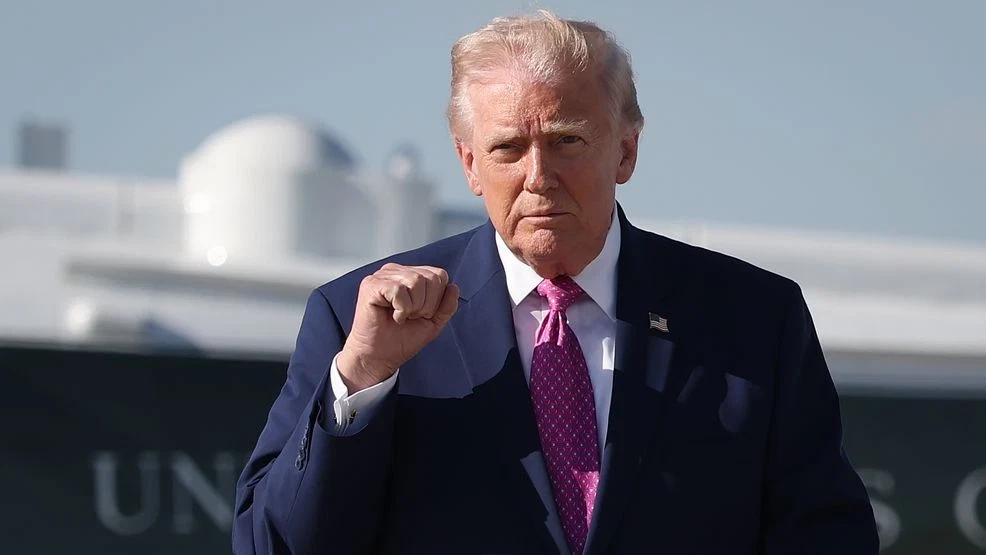
The most realistic conclusion after Islamabad is that another round of talks is possible, maybe even likely, but still far from assured. Reuters, AP, and other reporting all point in the same direction: the first big meeting ended without agreement, yet neither side has closed the door. That matters because in high-risk diplomacy, the survival of the channel is often the first success. The actual agreement comes later, if it comes at all.
For Washington, the blockade is supposed to strengthen its hand before the next meeting. For Tehran, enduring that pressure without immediate capitulation is supposed to prove it still has leverage. Both sides are therefore heading toward the next possible round with opposing theories of power. The United States believes Iran is weakened and needs a deal. Iran believes Hormuz and oil disruption still give it room to bargain. Whoever proves more accurate over the next several days will shape the next stage of this crisis.
The danger is that each side may need just one more show of pressure before it feels ready to compromise, and that “one more” move can easily become the spark that ends the ceasefire. That is why the coming days matter so much. If mediators can get both sides back into a room before the pressure becomes unbearable, the war may still move toward an uneasy settlement. If not, the same tools now described as leverage may become the trigger for another round of open conflict.