
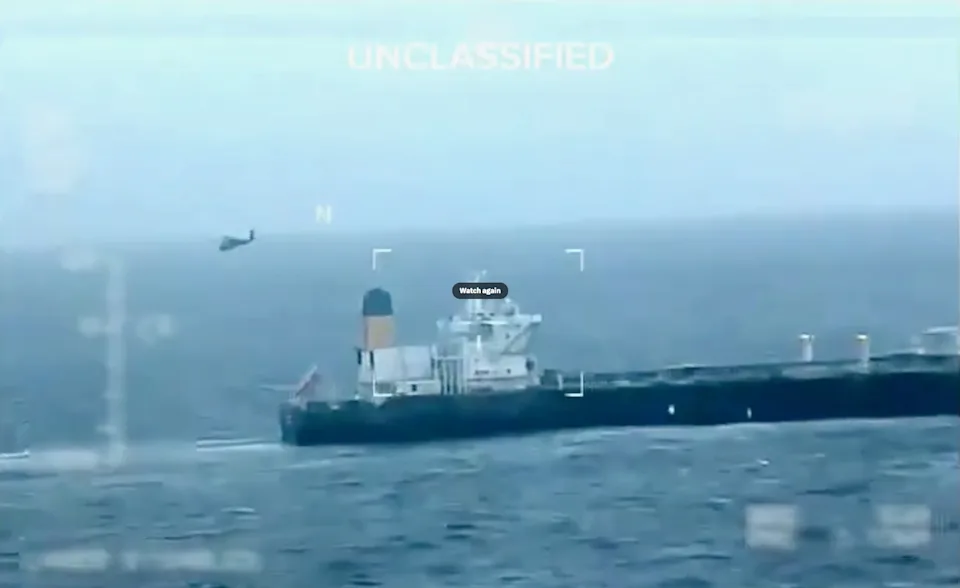
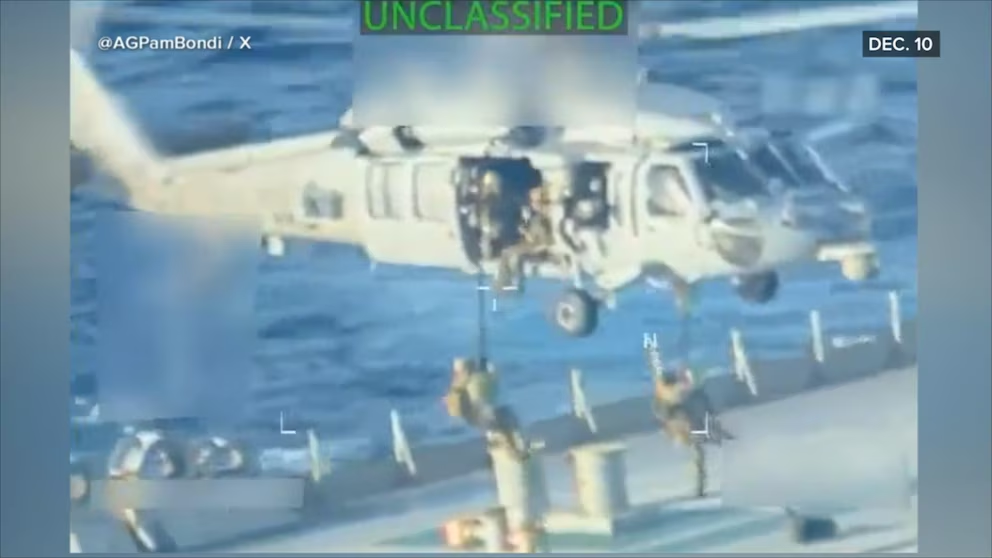
Just days after the first tanker was intercepted off the Venezuelan coast, a second vessel — reportedly carrying millions of barrels of crude — was stopped in international waters of the Caribbean Sea. Homeland Security Secretary Kristi Noem confirmed that the Coast Guard, with Department of Defense support, apprehended the ship in a pre‑dawn operation, noting its last port of call was Venezuela.
This latest seizure continues the Trump administration’s effort to enforce a blockade on oil tankers linked to sanctions evasion. Though the ship was not itself on a sanctions list, it was intercepted under a U.S. legal framework intended to disrupt the transport of Venezuelan crude bound for foreign markets, particularly China. The oil onboard is believed to be part of Caracas’ efforts to fund its government through “shadow fleet” sales — a network of tankers that obscure their identification to evade sanctions.
Table of Contents
- What Prompted This Escalation?
- The Third Vessel: A New Front in the Caribbean
- Why the U.S. Is Taking Such Aggressive Action
- International Legal and Diplomatic Backlash
- Economic Ripples: Oil Markets and Regional Stability
- Domestic U.S. Debate: Support and Criticism
- Historical Context: Seizures and Maritime Enforcement
- What Happens Next?
What Prompted This Escalation?
In early December 2025, the U.S. seized the oil tanker Skipper in the Caribbean Sea as part of Operation Southern Spear — a coordinated interdiction targeting vessels involved in transporting sanctioned Venezuelan oil. Skipper had been designated by U.S. authorities in 2022 for its alleged links to a network aiding sanctions evasion.
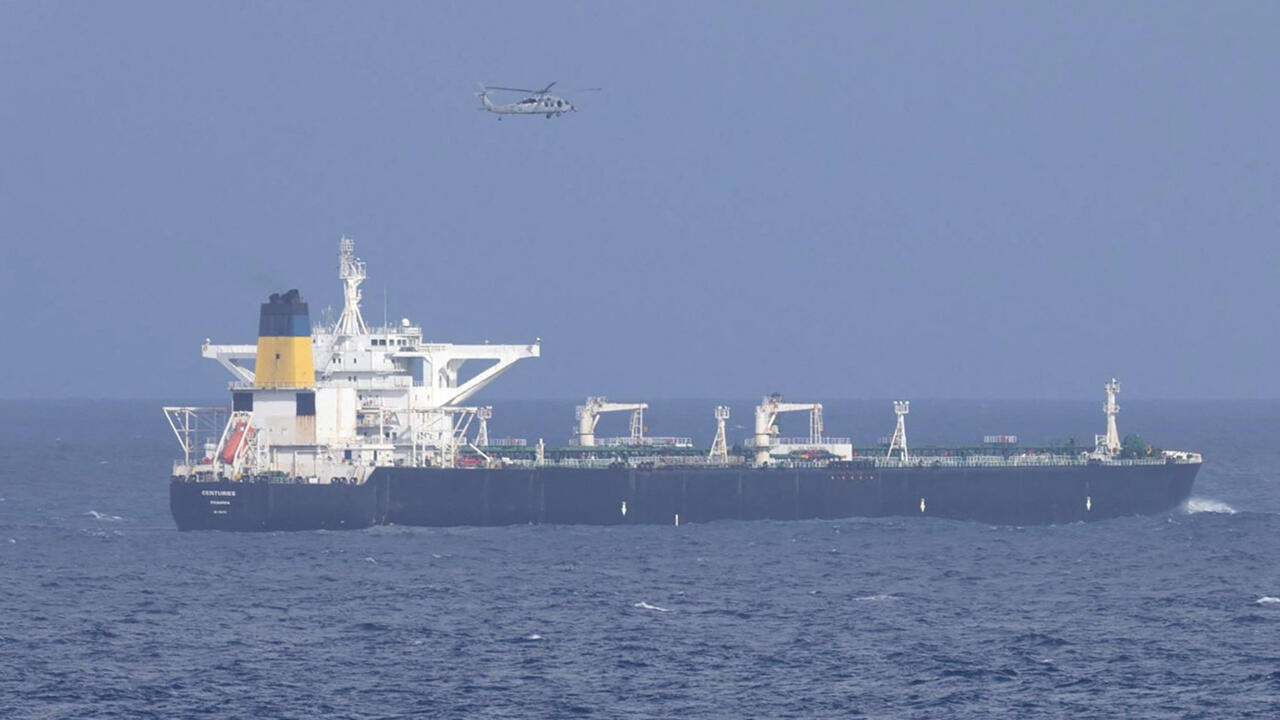
Following the Skipper, a second tanker — the Panama‑flagged Centuries — was boarded by the U.S. Coast Guard on suspicion of carrying Venezuelan crude and operating under questionable flags, despite not being on the official sanctions list. Permission to board was obtained from Panama, but Caracas condemned the action as unlawful “international piracy.”
The most recent action follows an announcement by President Donald Trump of a “total and complete blockade” of sanctioned oil tankers entering or leaving Venezuela’s ports — a policy aimed at choking off a primary revenue source for President Nicolás Maduro’s regime.
The Third Vessel: A New Front in the Caribbean
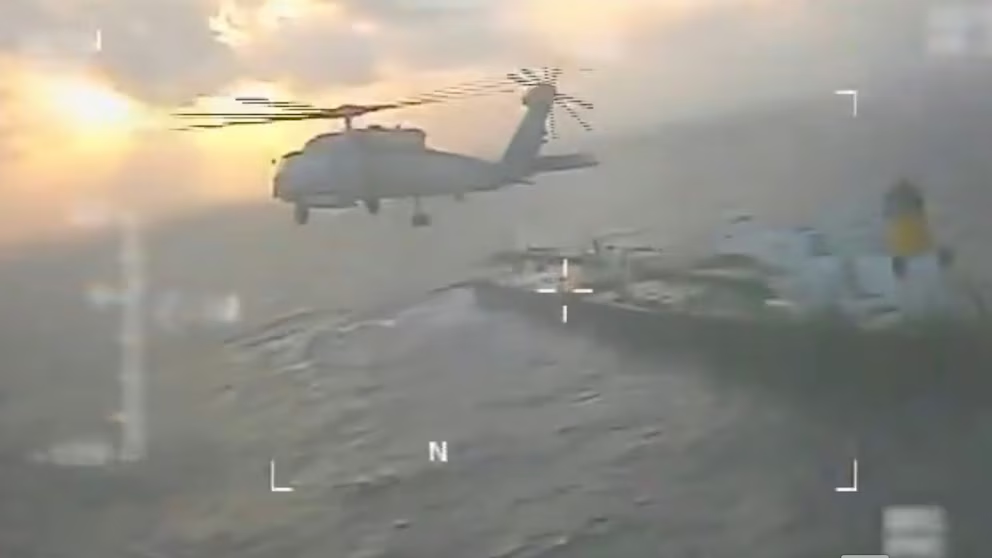
As of this week, U.S. forces have been reported to be in “active pursuit” of a third tanker in the Caribbean Sea, identified by maritime analysts as the Bella 1. This vessel is said to be sanctioned and has been linked to previous transport of Venezuelan and Iranian oil, a combination that U.S. authorities view as key to sanctions evasion.
The Bella 1 reportedly did not comply with initial boarding attempts, and the Coast Guard remains engaged in intercept efforts — illustrating both the determination of U.S. forces and the challenges of enforcing such a blockade in open sea conditions.
Why the U.S. Is Taking Such Aggressive Action
Crackdown on Sanctions Evasion
U.S. officials argue these operations are necessary to cut off funding that Maduro’s government allegedly uses to support “narco‑terrorism” and other illicit activities. By disrupting the black‑market sale of Venezuelan oil — especially through the shadow fleet — Washington aims to tighten economic pressure on Caracas while enforcing international sanctions.
Blockade Strategy
The blockade represents a step beyond conventional sanctions. Instead of merely restricting financial transactions or trade ties, the U.S. is actively interdicting vessels on the high seas — a bold approach that could set new precedents in maritime enforcement.
Broader Military Build‑Up
This escalation is accompanied by the largest U.S. naval deployment in the Caribbean in decades, including carrier groups and increased Coast Guard presence, reflecting the seriousness of the campaign.
International Legal and Diplomatic Backlash
The Venezuelan government has vehemently condemned the seizures, labeling them “piracy” and violations of international law. Caracas has vowed to bring complaints to the United Nations and other global bodies, accusing Washington of overreach and aggression.
Allies of Venezuela, including China and Cuba, have echoed these concerns, framing U.S. actions as bullying and threatening maritime freedom. Beijing’s foreign ministry publicly criticized the U.S., accusing it of violating norms of free navigation and undermining diplomatic processes.
Legal experts are divided: some contend that U.S. interdictions may be defensible under maritime law provisions allowing boarding of ships suspected of sanctions evasion, while others warn that intercepting vessels not explicitly sanctioned could erode established international legal norms.
Economic Ripples: Oil Markets and Regional Stability
Potential Supply Disruptions
Although U.S. officials have downplayed risks to global oil prices, analysts warn that reducing the flow of Venezuelan crude — even from the shadow fleet — could tighten global supply, particularly for Asian markets reliant on such imports.
Market Reaction
After announcements of tanker interceptions, oil benchmarks showed modest gains, signaling trader concerns about supply uncertainties tied to intensified enforcement near Venezuela.
Regional Impact
Countries in the Caribbean and Latin America are watching closely. Disrupted oil shipments could strain economies dependent on Venezuelan energy exports, while heightened naval activity raises fears of accidental confrontations or broader conflict.
Domestic U.S. Debate: Support and Criticism
Within the United States, the aggressive maritime strategy has drawn both support and criticism:
Supporters argue that strong actions are necessary to uphold sanctions and curb illicit oil trafficking that allegedly props up authoritarian regimes. They see the seizures as part of a broader effort to combat corruption and protect U.S. energy interests.
Critics, including some lawmakers, warn that such unilateral actions risk unnecessary conflict and may exceed executive authority without clear Congressional authorization. They also express concern about entanglement in foreign disputes that could escalate into wider military engagements.
Senator Rand Paul, for example, has described the operations as a “provocation” that could be a “prelude to war,” highlighting unease among some Republican voices over military escalation.
Historical Context: Seizures and Maritime Enforcement
While this Caribbean operation is notable for its scale and political implications, it isn’t the first time maritime interdiction has played a role in U.S. policy. Historically, U.S. forces have seized or interdicted vessels for a range of reasons — from anti‑piracy campaigns in the 19th century Caribbean to recent drug interdictions under operations like Operation Martillo.
However, targeting commercial oil tankers tied to a sovereign state’s primary export marks a particularly stark escalation with complex implications for international norms.
What Happens Next?
As U.S. forces continue to pursue additional tankers and enforce the blockade, a range of outcomes is possible:
- Further Seizures: Additional oil tankers suspected of sanctions evasion may be intercepted, deepening tensions.
- Diplomatic Escalation: Venezuela’s appeals to international bodies could prompt debates at the UN or legal challenges in maritime courts.
- Oil Market Volatility: Continued enforcement could tighten crude supply, influencing global prices depending on response from other producers.
- Regional Security Risks: More aggressive military engagement in the Caribbean raises the risk of miscalculation or confrontation with Venezuelan or allied vessels.
- Policy Reevaluation: U.S. lawmakers and international partners may push for clearer legal frameworks or restraint if tensions escalate.
Conclusion
The U.S. Coast Guard’s seizure of another ship in the Caribbean reflects a dramatic escalation in Washington’s effort to choke off Venezuela’s oil exports and enforce sanctions. This operation illustrates how geopolitical objectives, economic interests, and maritime law intersect in complex ways that reverberate far beyond the Caribbean Sea. What began as sanctions enforcement has evolved into a broader strategic confrontation with profound implications for global oil markets, regional stability, and the rules governing international waters.
As the situation unfolds, the world will be watching not only how many more vessels are intercepted, but also how diplomacy, law, and international norms respond to this unprecedented challenge in maritime enforcement and geopolitical competition.