
Table of Contents
- The Day Everything Changed
- Vaping Isn’t Just “Smoke-Free” — It’s Chemical Warfare on Your Lungs
- The Hidden Lung Injuries: From EVALI to Collapsed Lungs and “Popcorn Lung”
- Why Teens Are Especially Vulnerable — And the Numbers Confirm It
- What It Looks Like on the Ground — Real People, Real Pain
- Why Vaping Is So Tempting — And So Dangerous to Ignore
- The Bigger Picture — Public Health Under Pressure
- What Experts Urge — And What You Should Do Now
- What This Means for the Next Generation — And Why It Matters Worldwide
- Could This Be Reversed — Or Is The Damage Already Done?
- The Heart‑Wrenching Question Every Vaper Should Ask Themselves
The Day Everything Changed
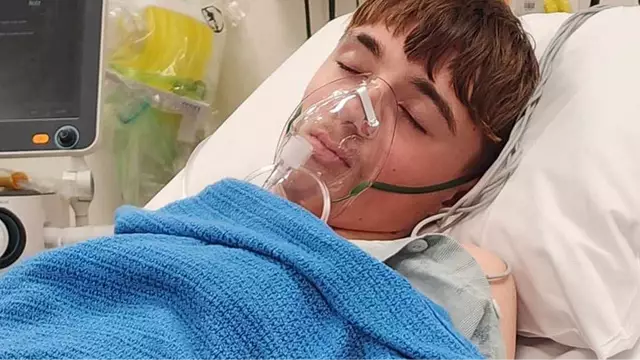
At just 14 years old, LeeRay King from Wellington, New Zealand, tried vaping for the first time. What began as a curiosity — a puff of flavored vapor with friends — quickly spiraled into a daily habit. Within two years, he was vaping multiple disposable devices a week.
By 16, his lungs were giving him warnings. But LeeRay ignored them — like many teens do. Then, one night, he jolted awake in agony. His left side seared with pain. Breathing became a battle.
He rushed to the hospital. The doctor’s verdict: a collapsed lung — the first of several. Over the following year, his lung collapsed four more times. At times, he was unable to breathe without oxygen support. Pain. Fear. Uncertainty. All because of vaping.
Then came the surgeries: removal of dead tissue, patching lung sacs, life‑threatening complications. And the final, devastating reality: permanent lung damage.
This wasn’t a freak accident. It was a warning. A countdown. A wake‑up call for parents, youth, and public health systems worldwide.
Because LeeRay’s case is far from unique — and what scientists now confirm may mark the beginning of a long-term public health crisis.
Vaping Isn’t Just “Smoke-Free” — It’s Chemical Warfare on Your Lungs
Vaping was sold to a generation hungry for a “clean,” “safe” alternative to cigarettes.
But here’s the truth: vaping doesn’t deliver harmless steam. It delivers a toxic cocktail of chemicals — heated, aerosolized, and inhaled deep into your lungs.
- Nicotine — addictive, harmful to developing brains, especially in youth.
- Ultrafine particles — microscopic irritants that reach deep lung tissue.
- Volatile chemicals, aldehydes, flavoring agents — many of which break down into toxins when heated.
What was once thought to be a safer alternative to smoking is now revealing itself as a different kind of danger — one that attacks lung tissue, obstructs airways, and in some cases, causes irreversible damage.
Medical studies have documented a growing number of cases in which vaping led to acute lung injury, persistent breathing difficulties, collapsed lungs, and even chronic conditions like chronic obstructive pulmonary disease (COPD).
In 2025, a major analysis of almost 250,000 people linked exclusive e‑cigarette use to a significantly higher risk of COPD — even among people who never smoked traditional cigarettes.
That means: vaping doesn’t just feel safe. It’s increasingly showing up in the medical records as dangerous.
The Hidden Lung Injuries: From EVALI to Collapsed Lungs and “Popcorn Lung”
LeeRay’s collapsed lung is terrifying — but it’s just one example of serious vaping‑related injuries.
Public health experts have documented multiple lung conditions connected to vaping:
E‑Cigarette/Vaping Product Use-Associated Lung Injury (EVALI)
Since 2019, thousands worldwide have been hospitalized with EVALI — severe lung inflammation, breathing trouble, coughing, chest pain, sometimes requiring ventilation support.
Collapsed lungs (pneumothorax)
Vaping — especially heavy or prolonged use — increases the risk of lung blisters that can burst, causing lung collapse. Experts note the condition seems especially common among tall, thin teens and young adults.
Irreversible lung diseases like COPD or “popcorn lung”
Studies point to chronic inflammation, lung tissue scarring and airway narrowing in habitual vapers — even those who never smoked combustible cigarettes.
Immediate respiratory impairment, even without nicotine
Recent research shows vaping — even nicotine‑free — can reduce lung ventilation and oxygen absorption right after use.
In short: vaping isn’t just a potential risk. For some users — especially teens — it’s become a direct trigger for serious, sometimes life‑threatening lung damage.
Why Teens Are Especially Vulnerable — And the Numbers Confirm It
LeeRay isn’t an isolated statistic. Across New Zealand, teenage vaping has exploded in recent years — and so have the risks.
- A 2021 nationwide survey found 26% of secondary school students had vaped in the past week, and nearly 1 in 5 vaped daily or multiple times a day.
- Experts say many youth start vaping because of flavoring, peer pressure, or misinformation — thinking it’s safe because it’s “just vapor.”
- Medical researchers warn kids’ lungs and brains are still developing — and exposure to nicotine and chemical aerosol can interfere with growth, immunity, and long‑term respiratory health.
The result? A generation of young people trading harmless puffs for possible lifelong breathing problems.
LeeRay’s story shows the worst‑case outcome. But researchers warn that even less dramatic cases — chronic bronchitis, reduced lung capacity, persistent coughing — may become common.
And that’s why public‑health authorities worldwide are sounding the alarm.
What It Looks Like on the Ground — Real People, Real Pain
Imagine being 16 — playing sports, hanging out with friends, thinking you’re invincible.
Then one day, you can’t catch your breath after climbing the stairs.
You go to bed, wake up coughing up blood — or worse, gasping for air.
Doctors tell you your lungs collapsed. Without warning.
Your friends still post vaping selfies. Your classmates shrug. Because it “was only a vape.”
But for you, it’s permanent.
That’s LeeRay’s reality now. It’s the reality for others too:
- An 18-year-old in the U.S. who was placed in a medically-induced coma after vaping for three years.
- Young men and women developing chronic lung scarring after a short period of heavy vaping.
Their lungs were supposed to protect them. Instead, they were wounded by what they believed was harmless.
Why Vaping Is So Tempting — And So Dangerous to Ignore
There are reasons why e‑cigs caught on — especially among youth:
- Vape pens are disposable, sleek, flavored, and advertised as “safer than smoking.”
- They deliver nicotine fast — which hooks the reward system in the brain.
- There’s no ash. No smoke smell. No tar — so it feels cleaner, less harmful.
But the reality is this:
Vaping is chemical exposure. Deep inhalation. High frequency. Daily repetition.
Each puff delivers ultrafine particles, heated chemicals, oils — not air.
And the lungs — delicate, irreplaceable — weren’t built to handle that.
What feels like a quick nicotine fix may be the first step toward lung disease.
The Bigger Picture — Public Health Under Pressure
LeeRay’s story is tragic — but potentially common. The ripple effects of widespread youth vaping could strain families, healthcare systems, and economies.
- Rising chronic respiratory disease — more COPD, asthma, chronic bronchitis among people who never smoked traditional cigarettes.
- Long-term healthcare costs — life‑long treatment, surgeries, hospitalizations, medications.
- Lost productivity & quality of life — breathing problems, missed work/school, lifelong limitations, mental health toll.
- Public health burden on societies — need for stronger regulation, awareness campaigns, medical infrastructure, and treatment resources.
Already, respiratory specialists are reporting more cases of lung disease linked to vaping — even in young populations.
This isn’t a small problem. It’s a potential epidemic – one quietly unfolding while headlines chase other crises.
What Experts Urge — And What You Should Do Now
If you vape — or know someone who does — here are the red flags doctors and public health experts say you must heed:
🚨 Stop — or Risk Permanent Damage
Every vape delivers chemicals. Every puff increases risk. There’s no “safe limit” — especially for teens.
🔎 Watch for Symptoms
Persistent cough. Shortness of breath. Chest pain. Wheezing. Repeated bronchitis. Collapsing lung.
Even mild symptoms could be early signs of serious lung injury.
📣 Speak Up — Spread Awareness
Share the real stories. Tell friends about the risks. The vaping industry spends millions on marketing — but isn’t sharing the consequences.
🏥 Seek Help — And Quit Safely
Consult a doctor. Consider counseling. Use medically supervised cessation aids if needed. Your lungs are worth fighting for.
📚 Demand Regulation
Governments, schools, and public health bodies must stop underestimating vaping. Tight regulations, age‑checks, flavor bans — and honest public education — are essential.
What This Means for the Next Generation — And Why It Matters Worldwide
LeeRay’s story took place in New Zealand — but the trend is global. From the U.S. to Europe to Asia, teen vaping rates are surging.
As disposable, flavored vapes flood markets, youth — curious, social media‑driven, misinformed — get hooked.
Without immediate intervention, we could be looking at:
- A generation with compromised lungs
- Dramatically increased public health costs
- Overloaded healthcare infrastructure
- Loss of decades of life expectancy gains in young populations
Vaping isn’t just a personal risk. It’s a societal gamble.
Could This Be Reversed — Or Is The Damage Already Done?
Some lung damage is reversible. Some isn’t.
Research suggests that quitting vaping early — before scarring — can allow partial lung recovery.
But once structural damage sets in — collapsed lungs, scarred tissue, chronic disease — recovery may be impossible.
For LeeRay? That future is uncertain. He’ll need ongoing medical care. His teenage years — altered forever.
For others? The window of safety is closing. Fast.
The Heart‑Wrenching Question Every Vaper Should Ask Themselves
If a puff of flavored vapor could cost you your lungs… your freedom… your breath…
Would you still take it?
If you knew the risk of permanent lung disease… would you even try?
Because the truth is:
Vaping doesn’t just come with a warning label.
It comes with a ticking clock.
The real question isn’t “Will I get lung disease?”
It’s “When will it start?”
Ask yourself: would you fight… or just keep inhaling?