

Table of Contents
A Quick Overview
In recent years, Venezuela has been grappling with one of the most severe economic crises in Latin American history. Hyperinflation, unemployment, and widespread poverty have left the nation in a precarious state. In addition, the political landscape has been marred by unrest, leading to massive migration, particularly of the middle class, and a loss of confidence in the Venezuelan government’s ability to manage its affairs.
Despite this turmoil, Venezuela’s government has continued to pursue policies aimed at regaining economic stability, including efforts to exploit the country’s natural resources and restructure its financial system. This latest asset transfer represents a strategic pivot designed to make the most of Venezuela’s existing reserves of gold, silver, and other assets.
The Significance of the Asset Transfer
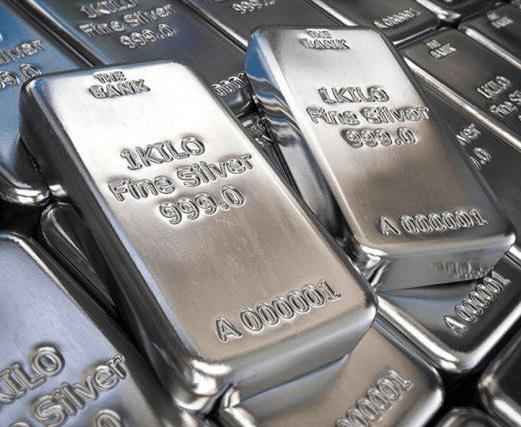
The transfer of silver, gold, and billions in assets marks a bold and critical decision. With the country’s foreign reserves at an all-time low, Venezuela has struggled to maintain its international credibility and access to global financial markets. By transferring these valuable commodities, the government aims to strengthen its bargaining power with international creditors and investors.
The country’s gold reserves, in particular, have been a focal point of its economic strategy. With gold prices rising globally, Venezuela sees the sale or transfer of its precious metal reserves as a potential source of immediate relief. While controversial, this strategy could provide Venezuela with the liquidity it desperately needs to stabilize its currency and avoid further debt defaults.
The Mechanics of the Asset Transfer
The details of the asset transfer are still unfolding, but reports indicate that Venezuela has executed the transaction with several international banks and institutions. The government has been working with a combination of state-owned entities and private companies to ensure that the transfer of assets—comprising tonnes of gold and silver—takes place under the radar.
Some sources suggest that the transfer process also involved securing loans backed by these assets, allowing Venezuela to maintain a semblance of sovereignty over its resources while simultaneously gaining access to crucial financial support. This method of collateralized borrowing, however, raises questions about the long-term viability of Venezuela’s economic policies.
Political and Social Implications
Politically, the transfer of such large quantities of valuable assets is a significant statement. It reflects the government’s desire to strengthen its position in both domestic and international affairs. By demonstrating control over these resources, the Venezuelan leadership may be attempting to bolster public confidence, which has been eroded by years of mismanagement and corruption.
However, this move may also have social implications. Given the country’s deep economic inequality and widespread poverty, many Venezuelans may view the transfer as an indication that the government is prioritizing its survival over the welfare of its people. Critics argue that this kind of financial maneuver could exacerbate social unrest, as the country’s most vulnerable citizens continue to face hardships.
Impacts on Venezuela’s Long-Term Economic Strategy
In the long term, Venezuela’s reliance on natural resources—particularly oil, gold, and silver—has placed the country in a vulnerable position. While the transfer of assets provides immediate relief, it does not address the underlying structural problems that have plagued the Venezuelan economy for decades. These include dependence on volatile global commodity prices and a lack of diversified industries.
Economic experts warn that, without significant reforms, the transfer of gold and silver may only serve as a temporary fix, delaying the inevitable need for comprehensive economic restructuring. In fact, some argue that unless Venezuela diversifies its economy and develops sustainable industries beyond resource extraction, the country may remain vulnerable to further economic collapse.
International Reactions and Reactions from Venezuela’s Allies

International reactions to Venezuela’s move have been mixed. On the one hand, some global powers have expressed cautious optimism that the transfer of assets could serve as a first step toward rebuilding Venezuela’s international financial credibility. On the other hand, critics—particularly those aligned with the opposition—see the asset transfer as a sign of desperation, a final attempt to maintain power in the face of mounting pressure.
Venezuela’s closest allies, such as Russia and China, have been supportive of the government’s decision. These nations have been investing heavily in Venezuela in recent years, and the transfer of resources could pave the way for increased foreign investments in the country. Russia, in particular, is reported to have played a significant role in helping facilitate the transfer and ensuring that the transaction went smoothly.
The Role of Gold and Silver in Venezuela’s Future
Gold and silver have long been symbols of wealth and stability, and their role in Venezuela’s future cannot be underestimated. These precious metals are expected to serve as a safeguard against economic volatility, providing the government with the ability to pay off debts, restore international relations, and maintain a degree of financial autonomy.
However, the use of gold and silver reserves for short-term economic survival raises critical questions. Venezuela’s long-term prosperity depends on its ability to rebuild trust with international partners, diversify its economy, and invest in infrastructure and human capital. While gold and silver can offer temporary relief, they are not a panacea for the country’s most pressing economic challenges.
Conclusion
Venezuela’s decision to transfer tonnes of silver, gold, and billions in assets is a pivotal moment in the country’s ongoing struggle to recover from years of economic crisis. While the transfer provides much-needed liquidity and strengthens the government’s position in the short term, it is clear that Venezuela’s future hinges on much more than just its natural resources.
This move raises important questions about Venezuela’s ability to transform its economic structure and build a more diversified, sustainable future. The country’s reliance on gold and silver as a crutch for economic recovery highlights the challenges it faces in rebuilding its financial systems. As the world watches closely, the true impact of Venezuela’s asset transfer remains to be seen—but it is a clear sign that the country is not giving up on its fight for survival just yet.