
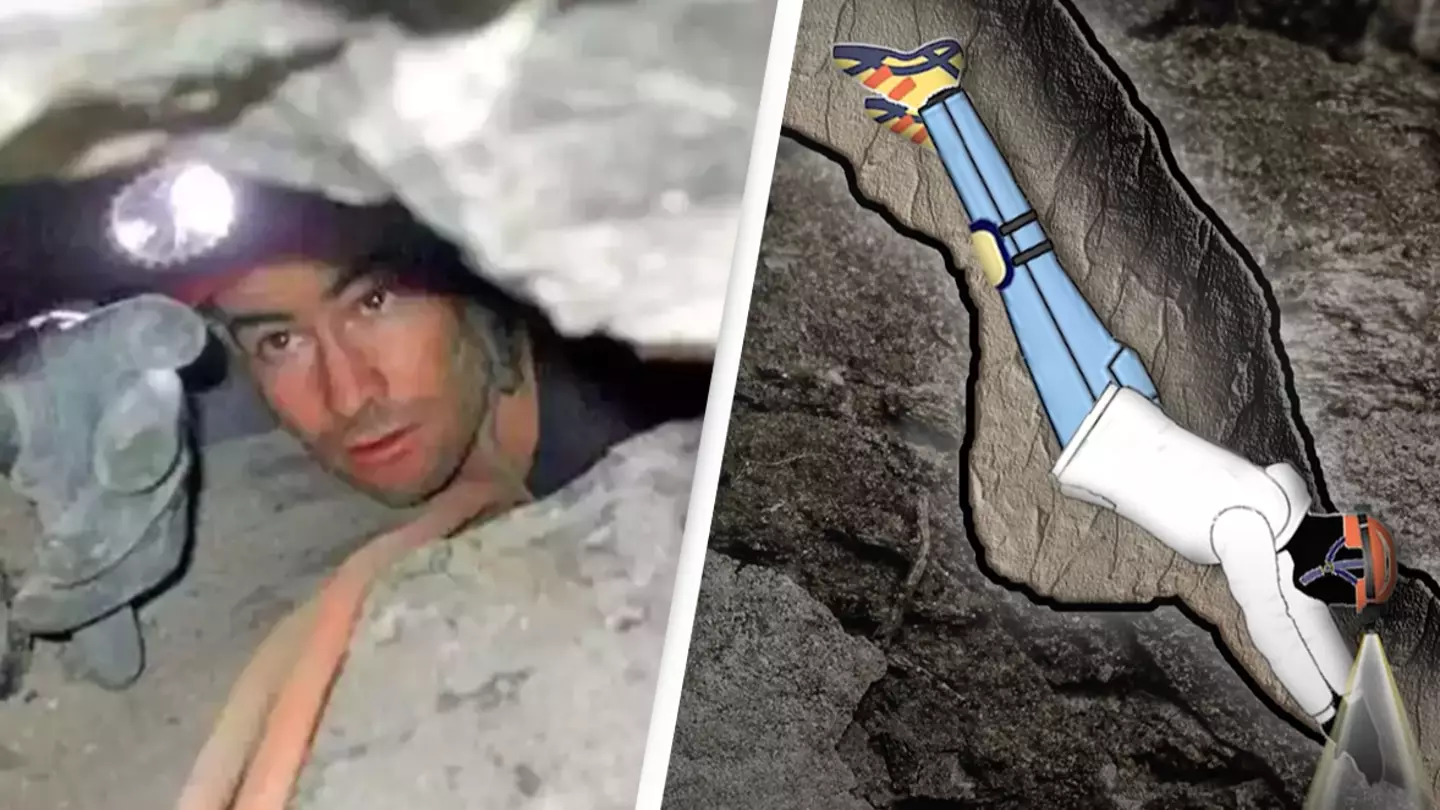
The tragic story of John Edward Jones, who became trapped in the Nutty Putty Cave in 2009, has haunted many. His death, after being stuck in a narrow passage for over 28 hours, brought national attention to the dangers of cave exploration. But now, thanks to advancements in technology, a new virtual reality (VR) simulation has emerged, recreating the final moments of Jones’ ill-fated journey into the cave. This groundbreaking VR experience offers a new perspective on the tragic event, allowing users to understand what Jones experienced during those harrowing hours.
This article explores the details of this virtual reality simulation, the technology behind it, and its impact on how we remember John Edward Jones and the Nutty Putty Cave incident. It also raises important questions about the role of technology in recreating real-world tragedies and what it means for future generations to experience history through VR.
Table of Contents
- A Brief Recap of the Nutty Putty Cave Tragedy
- Virtual Reality Technology Brings Nutty Putty Cave to Life
- The Ethical Implications of Simulating Real-Life Tragedies
- The Impact on Cave Exploration and Safety Education
- Preserving the Memory of John Edward Jones
- Virtual Reality and Its Role in Modern Storytelling
- Closing Thoughts: The Power of Virtual Reality in Education and Memory
- Conclusion
A Brief Recap of the Nutty Putty Cave Tragedy
In 2009, John Edward Jones, a 26-year-old medical student, ventured into the Nutty Putty Cave in Utah with his friends and family. Known for its tight and treacherous passageways, the cave has claimed the lives of adventurers before, but Jones’ tragedy was particularly heartbreaking. While exploring a section of the cave, he became wedged upside down in a narrow tunnel just 18 inches wide. Despite extensive rescue efforts, Jones could not be freed in time, and he tragically passed away after being trapped for more than 28 hours.
Jones’ death shocked the public and left a lasting impression on the world of spelunking and cave exploration. It raised awareness about the dangers of exploring such extreme environments and sparked debates about the safety measures and preparations needed for such activities. But while the tragedy remained in the minds of many, the physical location where it occurred has remained off-limits to the public, preserving the memory of Jones’ final moments in solitude.
Virtual Reality Technology Brings Nutty Putty Cave to Life
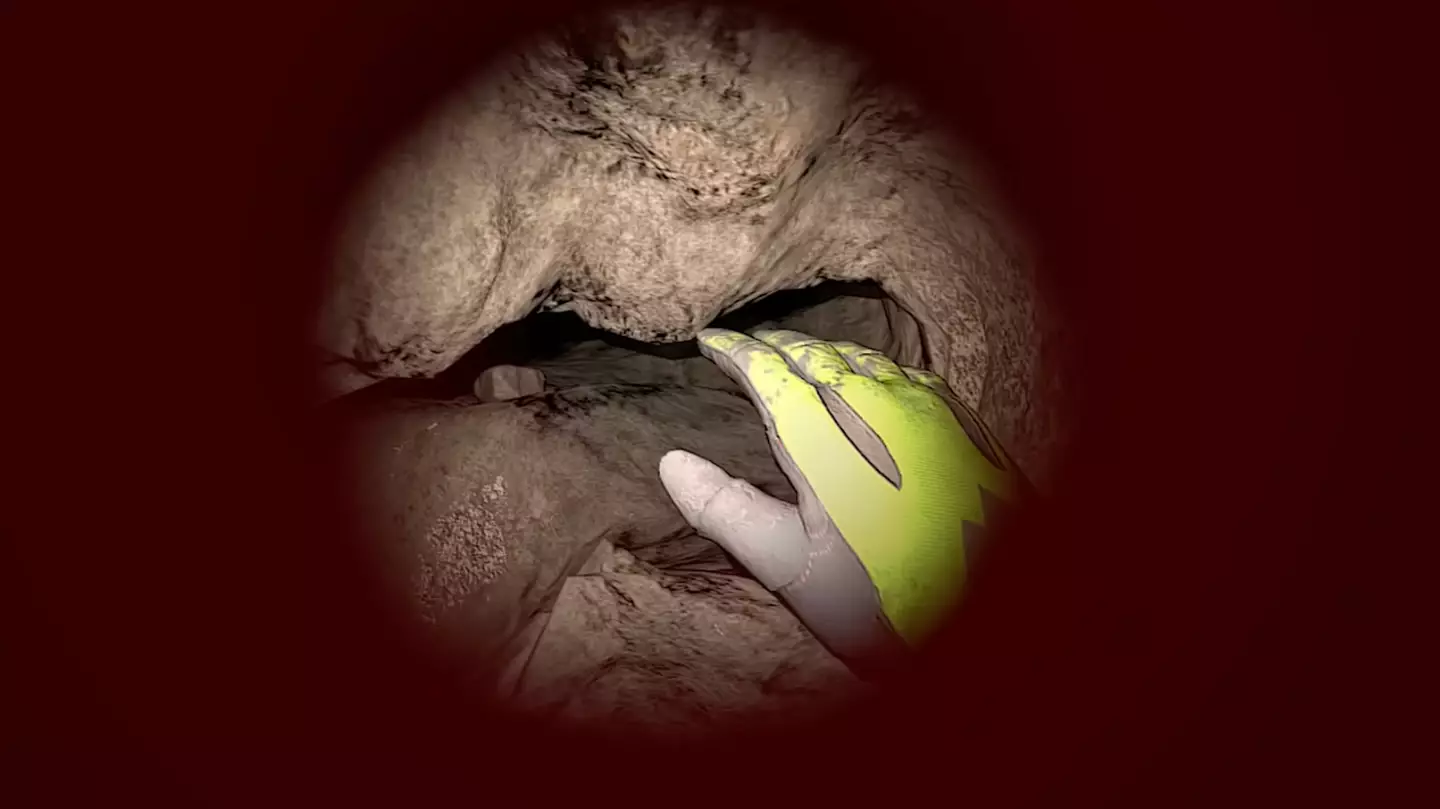
The new virtual reality simulation of the Nutty Putty Cave is a revolutionary project that offers a unique way to experience the cave and understand the harrowing events that led to John Edward Jones’ death. Developed by a team of engineers, cavers, and VR experts, the simulation uses 3D mapping technology to recreate the cave’s complex labyrinth, including the exact location where Jones became trapped.
The VR experience aims to bring the Nutty Putty Cave to life in a way that has never been done before. With a VR headset, users can now step into the cave and navigate its narrow passages, gaining an unprecedented understanding of what it was like for Jones to be trapped in such an unforgiving environment. The technology behind the simulation uses detailed topographical data and video footage from the cave, allowing users to virtually experience the space as Jones did during his final moments.
By immersing users in a true-to-life simulation of Nutty Putty Cave, the experience provides not only a deeper understanding of Jones’ predicament but also a poignant reminder of the risks associated with cave exploration.
The Ethical Implications of Simulating Real-Life Tragedies
While the virtual reality simulation offers a powerful tool for education and awareness, it also raises important ethical questions. Is it appropriate to recreate the final moments of a person’s life, especially when the tragedy involved such personal suffering and loss? Some may argue that the VR simulation risks sensationalizing a heartbreaking event, while others may see it as a respectful way to honor Jones’ memory and highlight the dangers of cave exploration.
The creators of the simulation argue that their intention is not to exploit Jones’ death, but rather to provide a powerful learning experience that can save lives in the future. By simulating the conditions of the Nutty Putty Cave, they hope to raise awareness about cave safety and the critical importance of preparation and planning before embarking on such perilous adventures. The simulation is also a tribute to Jones’ memory, aiming to ensure that his story is never forgotten and that future generations learn from his tragic fate.
For many, the VR simulation serves as a reminder of the risks that come with exploring extreme environments and underscores the importance of respecting nature’s unpredictable power. By engaging with the experience, users gain a better understanding of why Jones’ situation became so dire and what can be done to prevent similar incidents in the future.
The Impact on Cave Exploration and Safety Education
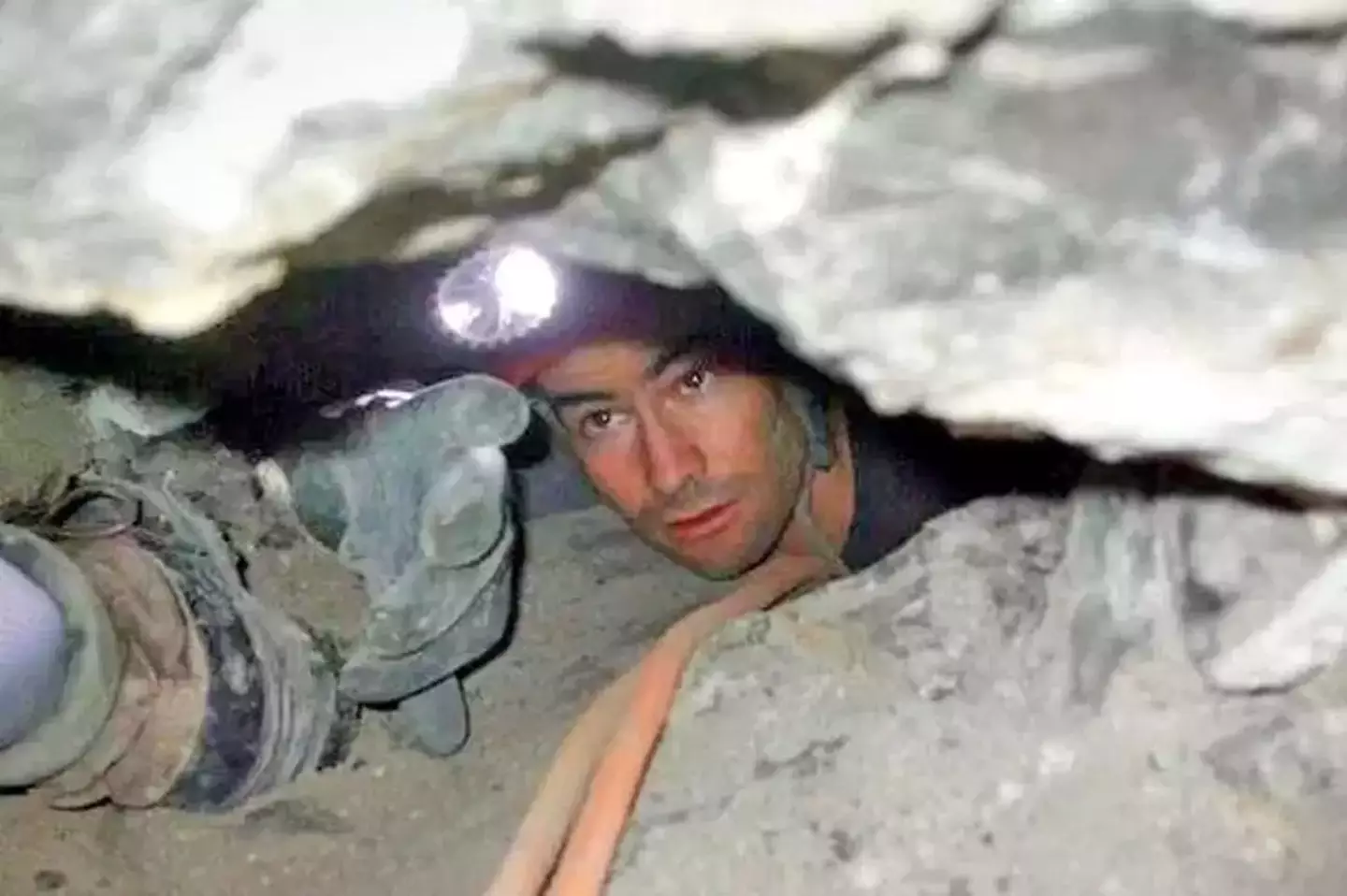
The Nutty Putty Cave VR simulation is not just a memorial to John Edward Jones; it’s also a tool for safety education in the world of spelunking. Cave exploration has long been a niche activity that attracts adventure seekers, but it also comes with inherent risks. Many caves, like Nutty Putty Cave, are notoriously dangerous, with tight spaces and difficult terrain that make it easy to become stuck or disoriented.
This VR simulation aims to serve as an educational resource for both aspiring cavers and the general public, teaching them about the risks involved in cave exploration and the importance of safety measures. The simulation allows users to practice navigating narrow passages, helping them better understand the physical challenges of spelunking and the importance of having the proper gear and preparation.
In addition to providing a visceral understanding of cave exploration, the simulation can also be used to teach cave safety courses, offering a risk-free environment where participants can experience the cave’s challenges without putting themselves in harm’s way.
Preserving the Memory of John Edward Jones
For many, the VR simulation is a way to ensure that the memory of John Edward Jones is preserved. His tragic death left a deep impact on the spelunking community, and for his family and friends, the simulation offers a chance to reflect on his life in a meaningful way. Jones’ story serves as a cautionary tale about the dangers of cave exploration, and this simulation helps to honor his legacy by keeping his memory alive.
The virtual reality experience is also a tribute to Jones’ family, who have been involved in the project to ensure that it serves as a respectful and educational tribute to their loved one. For them, it’s an opportunity to raise awareness about the risks of spelunking and the importance of safety measures, while also keeping their son’s memory alive in a meaningful way.
By using technology to bring the Nutty Putty Cave to life, the simulation offers a unique way to remember Jones, turning a tragic event into a powerful tool for education and awareness.
Virtual Reality and Its Role in Modern Storytelling
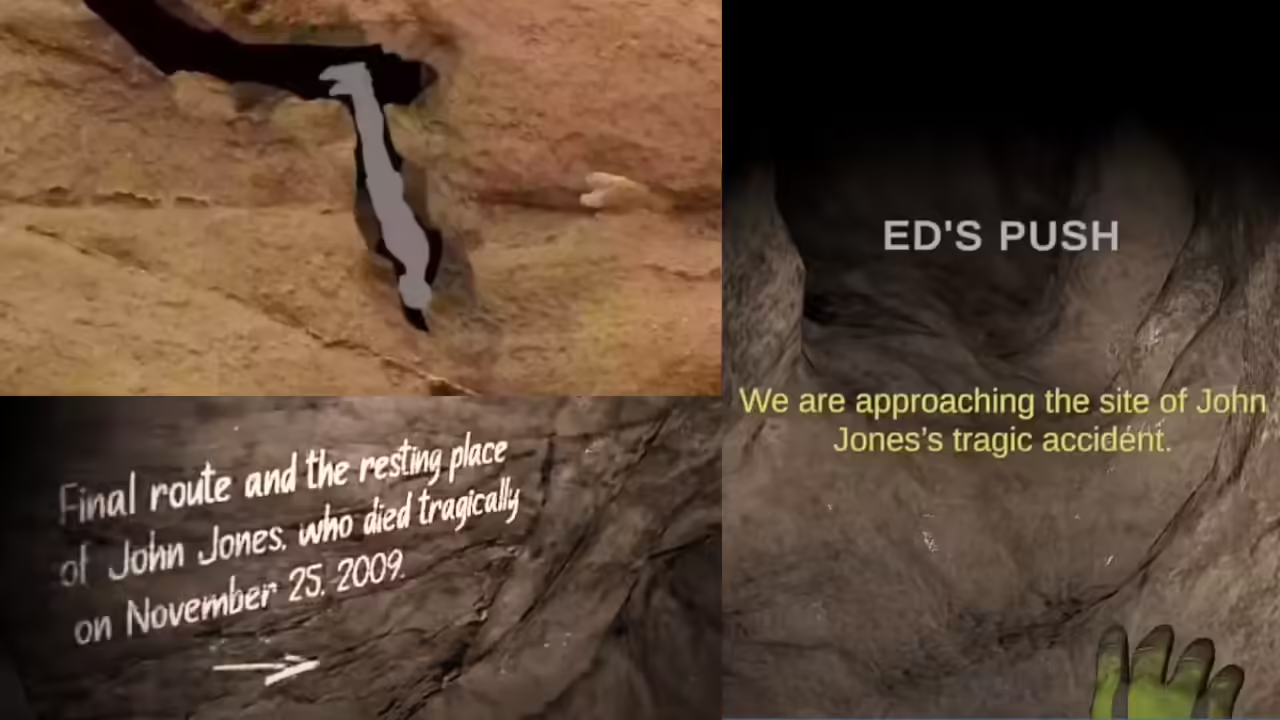
The use of virtual reality to recreate real-life events is becoming more common, as technology advances and the capabilities of VR continue to grow. By providing immersive, interactive experiences, VR allows users to engage with history in a more personal and emotional way than traditional forms of media.
In the case of the Nutty Putty Cave simulation, VR serves as a bridge between the past and the present, allowing people to experience a tragedy from a perspective that would otherwise be impossible. It’s an example of how technology can be used to tell stories, preserve memories, and foster empathy, all while educating people about important issues.
As VR technology continues to evolve, we can expect to see more immersive experiences that allow users to engage with history, science, and even the stories of individuals in a way that was previously unimaginable.
Closing Thoughts: The Power of Virtual Reality in Education and Memory
The Nutty Putty Cave VR simulation is a groundbreaking project that brings the tragic story of John Edward Jones to life in a way that’s both respectful and educational. By using advanced virtual reality technology, the creators have provided a platform for people to experience the dangers of cave exploration firsthand, helping to raise awareness about the risks involved and the importance of safety.
While the simulation raises important ethical questions about the portrayal of real-life tragedies, it also serves as a powerful tool for education and remembrance. By using technology to preserve the memory of John Edward Jones and teach future generations about cave safety, the simulation ensures that his story is never forgotten and that others can learn from his experience.
As VR technology continues to evolve, it holds immense potential for preserving memories, teaching valuable lessons, and fostering empathy. The Nutty Putty Cave simulation is just the beginning of what promises to be an exciting new chapter in the world of immersive storytelling.
Conclusion
In a world where technology is rapidly advancing, virtual reality offers a unique and powerful way to learn about history, engage with real-life events, and experience important moments from a new perspective. The Nutty Putty Cave simulation is an example of how VR can be used to educate and honor the memory of individuals like John Edward Jones, while also highlighting the importance of safety and awareness in the world of spelunking.
As we continue to explore the possibilities of virtual reality, we must also consider the ethical implications of using technology to recreate real-life tragedies. However, when done with respect and purpose, VR can serve as an invaluable tool for preserving memories, teaching lessons, and making history accessible to future generations.