

Table of Contents
- The Simple Secret to a Healthier Life
- Walking and Heart Health
- Weight Management and Metabolism
- Mental Health and Cognitive Benefits
- Stronger Muscles, Bones, and Joints
- Walking and Digestion
- Longevity and Disease Prevention
- Practical Tips for Walking Every Day
- Walking and Lifestyle Integration
- Beyond Physical Health: Mindfulness and Creativity
- Conclusion: Walking as a Superpower
The Simple Secret to a Healthier Life
It sounds almost too easy: walking. No fancy equipment, no gym memberships, no strict diets—just putting one foot in front of the other. Yet, walking daily can produce dramatic changes in your body, brain, and overall wellness.
Science shows that consistent daily walking can improve cardiovascular health, aid in weight management, and even boost mood and cognitive function. It’s one of the most accessible exercises for almost anyone, regardless of age or fitness level.
Imagine if 30 minutes a day could make your body stronger, your mind sharper, and your life longer—would you start walking today?
Walking and Heart Health
Walking improves circulation, strengthens the heart, and lowers blood pressure. Research indicates that daily walking can reduce the risk of heart disease, stroke, and hypertension. Even brisk walking for 20–30 minutes can improve cardiac efficiency over time.
Your heart isn’t just a pump—it’s a muscle. Like any muscle, it benefits from regular movement. Walking daily increases oxygen flow, strengthens cardiac tissue, and helps maintain healthy cholesterol levels.
Could the simplest cardio workout be more effective than expensive gym equipment?
Weight Management and Metabolism

Daily walking helps burn calories, regulate metabolism, and support fat loss. Even moderate walking accelerates calorie expenditure, improving weight control without the strain of high-intensity workouts.
Combined with proper nutrition, walking helps maintain a healthy body composition and may prevent obesity-related conditions like diabetes and metabolic syndrome.
Would you choose a 30-minute walk over a fad diet if it guaranteed long-term, sustainable results?
Mental Health and Cognitive Benefits
Walking isn’t just about the body—it’s about the mind. Studies show that daily walking reduces stress, anxiety, and depression while enhancing memory, focus, and creativity.
Walking outdoors exposes you to sunlight, which helps regulate sleep patterns and vitamin D levels, further supporting mental wellness. Even a short daily stroll can trigger endorphin release, creating a natural mood boost.
Could a simple walk be the easiest, most natural way to improve your mental resilience?
Stronger Muscles, Bones, and Joints
Walking strengthens lower body muscles, including calves, quads, glutes, and hamstrings. It also supports joint health by lubricating cartilage and maintaining bone density.
For older adults, walking reduces the risk of osteoporosis, arthritis progression, and mobility decline. It’s low-impact yet highly effective, making it a sustainable form of lifelong exercise.
Would you prioritize a daily walk if it meant preventing joint problems decades from now?
Walking and Digestion
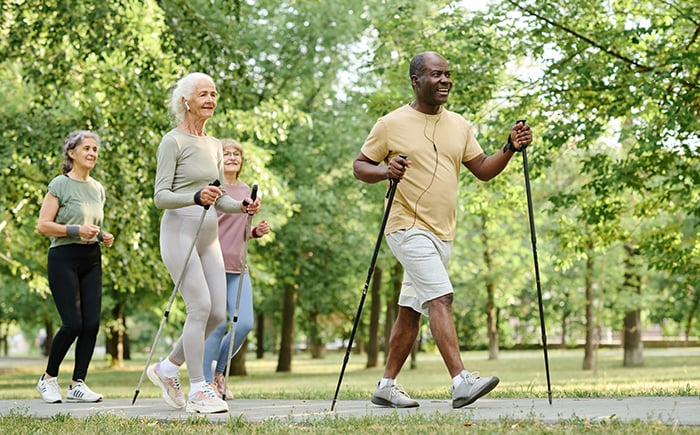
Regular walking improves digestion and gut health. Gentle movement stimulates the digestive tract, reduces bloating, and encourages regular bowel movements.
For those focused on home wellness, walking after meals can enhance nutrient absorption, improve energy levels, and support weight management—all without special supplements or equipment.
Could this small habit transform not just fitness but daily comfort and digestion?
Longevity and Disease Prevention
Multiple studies link daily walking to longer lifespan and lower risk of chronic diseases. Cardiovascular disease, diabetes, obesity, and even certain cancers show reduced incidence among consistent walkers.
Walking activates metabolic and immune pathways that contribute to cellular repair, inflammation reduction, and overall vitality. It’s one of the few lifestyle habits proven to extend life while enhancing quality.
Imagine a single habit that not only adds years to life but life to years—could walking be that habit?
Practical Tips for Walking Every Day
- Set a routine: Walk at the same time each day to build consistency.
- Use proper footwear: Supportive shoes reduce injury risk.
- Track progress: Fitness apps or step counters can motivate and guide improvement.
- Mix intensity: Alternate brisk and moderate walking for variety and cardiovascular benefit.
- Incorporate nature: Walking outdoors enhances mental wellness and exposure to sunlight.
Even small steps can accumulate into major health gains over months and years.
Walking and Lifestyle Integration

Walking fits into almost any lifestyle. Commuters can walk part of their journey, families can take evening strolls, and home improvement enthusiasts can pace while doing chores.
For travelers, walking provides low-cost exercise, a chance to explore destinations, and an intimate way to engage with local culture. For those working from home, breaks with short walks boost focus, creativity, and circulation.
Could integrating walking into daily routines redefine productivity, health, and lifestyle balance?
Beyond Physical Health: Mindfulness and Creativity
Walking isn’t just exercise—it’s an opportunity for mindfulness. Observing surroundings, focusing on breath, and practicing gratitude during walks enhances mental clarity and creative thinking.
Many writers, artists, and innovators use walking to spark ideas, proving that it’s not just your body that benefits, but your mind as well.
If a 30-minute walk can improve your physical and mental health simultaneously, why wait for a gym membership or expensive class?
Conclusion: Walking as a Superpower

Walking daily is more than a routine—it’s a simple, sustainable, and scientifically proven way to transform your body, mind, and life. From heart health and weight management to mental resilience and longevity, the benefits are extensive.
Next time you consider exercise, remember: sometimes the most effective, low-cost, and enjoyable habit is simply putting one foot in front of the other. Could this be the easiest life-changing decision you make today?