

Table of Contents
The Tradition of White House Visits
For decades, winning teams in American sports have been invited to the White House as part of a celebratory tradition. This tradition is seen as a way for athletes to be recognized by the sitting President for their achievements and contributions to the country. The visits have typically been non-political events, where athletes from all backgrounds come together to celebrate their success and represent their sport on a national stage.
However, in recent years, this tradition has come under scrutiny as the political landscape has become more polarized. Some athletes, particularly in major leagues such as the NBA and NFL, have chosen to speak out against various political policies and issues, leading to conflicts with the idea of visiting the White House. The Team USA players’ decision to skip the visit with President Trump adds to a growing trend where sports figures use their platform to take a stand on political matters.
The Players Who Opted Out
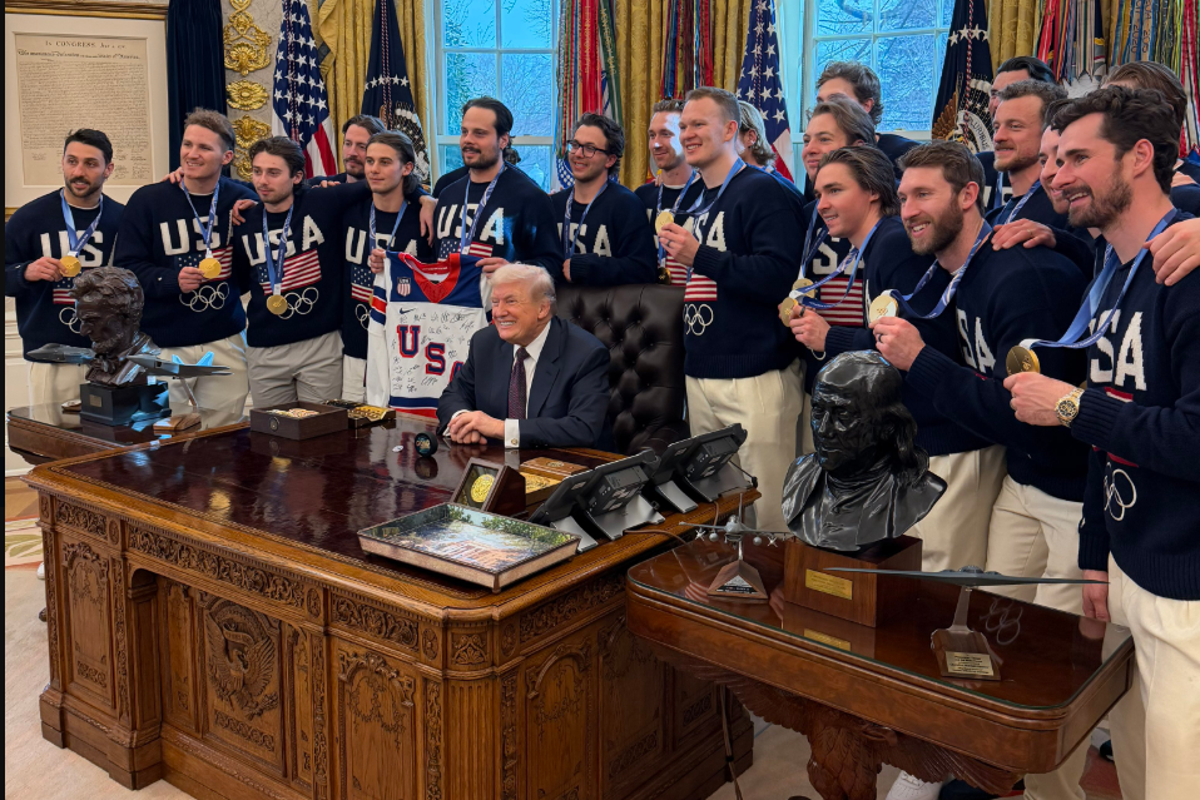
The five players who opted out of the White House trip were vocal about their reasons for not attending. They cited personal differences and political disagreements with President Trump, specifically related to his policies and rhetoric. While some of the players did not provide specific details about their objections, their collective decision has been widely interpreted as a form of protest against the President.
The athletes who chose to skip the White House visit include some of the most prominent members of the winning team, further fueling the public interest in their actions. Their decision has been met with mixed reactions from the public and their fans. Supporters of the players have praised them for standing by their principles, while others argue that the players should have accepted the honor of the White House visit, regardless of their political views.
Political Divisions and Athlete Activism
The decision to skip the White House visit highlights the increasing role of activism in the world of sports. Over the past few years, athletes have used their platforms to speak out on political and social issues, with some even facing backlash for their actions. One of the most notable examples of athlete activism was Colin Kaepernick’s decision to kneel during the national anthem in protest of racial injustice.
In the case of the Team USA players, their decision to skip the White House visit is a reflection of the growing divide between the political views of athletes and those of the sitting President. For some, visiting the White House represents an endorsement of the President’s policies, and skipping the visit is a way of protesting what they perceive as harmful or divisive actions. Others argue that the visit should be seen as a non-political event and that athletes should take advantage of the opportunity to represent their country in a positive light.
Responses from the Public and President Trump

The public response to the players’ decision has been divided. On one hand, many fans have expressed support for the players’ decision, praising them for using their platform to stand up for their beliefs. On the other hand, there are those who believe that the players should have attended the White House visit as a gesture of respect for the office of the President, regardless of their personal political views.
President Trump’s response to the players’ decision has been critical, with the President questioning why they would turn down the opportunity to visit the White House. In the past, President Trump has publicly supported athletes who have chosen to stand by their political beliefs, but this situation appears to have been a point of contention. His comments about the matter have sparked additional debate about the relationship between politics and sports, particularly in the context of the current administration.
The controversy surrounding the White House visit also underscores the broader tensions between sports and politics in America. With athletes increasingly using their platform to speak out on social and political issues, it has become clear that sports figures are not immune to the divisions that are tearing at the fabric of American society.
The Impact on Team USA’s Legacy
While the players’ decision to skip the White House visit has generated significant media coverage, it also raises important questions about the legacy of Team USA’s victory. The team’s achievement on the field or court is undeniable, but the controversy surrounding the White House visit has the potential to overshadow their success in the eyes of some members of the public.
Some critics argue that the players’ decision to skip the visit detracts from the significance of their victory, suggesting that politics should be set aside in favor of celebrating the team’s success. Others, however, believe that the players’ actions are a powerful statement about the importance of standing by one’s principles, even in the face of immense pressure.
Regardless of how the controversy plays out, the players’ decision will likely be remembered as a defining moment in the ongoing conversation about the intersection of sports and politics in America.
The Changing Nature of Athlete Activism

The actions of the Team USA players reflect a broader trend of athletes becoming increasingly vocal about their political beliefs. In the past, professional athletes were often expected to remain neutral when it came to politics, but this expectation has shifted in recent years. Today, many athletes see their platform as an opportunity to advocate for causes they care about, whether it’s racial justice, gender equality, or environmental issues.
The rise of athlete activism has sparked both admiration and criticism. While some applaud athletes for using their status to bring attention to important social issues, others argue that politics and sports should remain separate. The Team USA players’ decision to skip the White House visit is another example of how athletes are challenging traditional norms and using their visibility to make bold statements.
Public Perception of Athlete Activism
The public’s perception of athlete activism is often shaped by individual political beliefs. Supporters of the players who skipped the White House visit see them as heroes who are unafraid to speak out against the political status quo. These fans view the athletes’ decision as an act of courage and integrity, one that upholds their personal values and sets an example for others to follow.
Conversely, those who disagree with the players’ decision often criticize them for mixing politics with sports. They argue that athletes should be grateful for the opportunity to visit the White House and represent their country, regardless of their personal political beliefs. This division in public opinion highlights the increasing polarization of American society and the difficulty of navigating controversial issues in today’s political climate.
The Future of Sports and Politics
The controversy surrounding Team USA’s White House visit is unlikely to be the last time politics and sports collide. As athletes continue to use their platform to advocate for social and political causes, the intersection of these two worlds will become an even more prominent issue. Whether it’s protesting inequality, demanding accountability, or speaking out against political policies, athletes are increasingly seen as powerful figures who can influence public opinion and spark social change.
For the players who chose to skip the White House visit, their decision marks an important moment in the evolution of athlete activism. Whether their actions will be remembered as a bold stand for political integrity or as a divisive moment in the history of American sports remains to be seen. However, what is clear is that sports and politics are more intertwined than ever before.
Conclusion
The decision by five Team USA players to skip their visit to the White House with President Trump has sparked widespread debate, highlighting the growing intersection of politics and sports. While the players’ actions were driven by personal beliefs and political differences, their decision is part of a larger trend in which athletes are increasingly using their platform to speak out on social and political issues. As the debate over the role of athletes in politics continues, the players’ actions will likely serve as a defining moment in the ongoing conversation about activism and sports in America.