

Table of Contents
- What White Phosphorus Is and Why It Is Controversial
- Why Investigators Raised Concerns
- Military Uses of White Phosphorus
- International Humanitarian Law and Civilian Protection
- The Challenges of Verifying Battlefield Claims
- The Humanitarian Impact of Urban Warfare
- Global Reactions to the Allegations
- The Broader Context of the Conflict
- Investigations and Accountability
- The Ethical Debate Over Modern Warfare
- Looking Toward the Future
What White Phosphorus Is and Why It Is Controversial
White phosphorus is a chemical substance that ignites when exposed to oxygen. When used in military munitions, it produces thick smoke and intense heat. This makes it useful for creating smoke screens, illuminating battlefields, or marking targets.
However, white phosphorus also has a darker reputation because of the severe injuries it can cause. When the substance comes into contact with human skin, it can burn deeply and continue burning until deprived of oxygen.
Medical professionals describe white phosphorus burns as particularly devastating. The chemical reaction produces extremely high temperatures, which can damage tissue and bone. Because the substance continues reacting with oxygen, extinguishing the burns can be difficult.
For these reasons, international humanitarian organizations have long expressed concern about the use of white phosphorus near civilian populations.
Why Investigators Raised Concerns
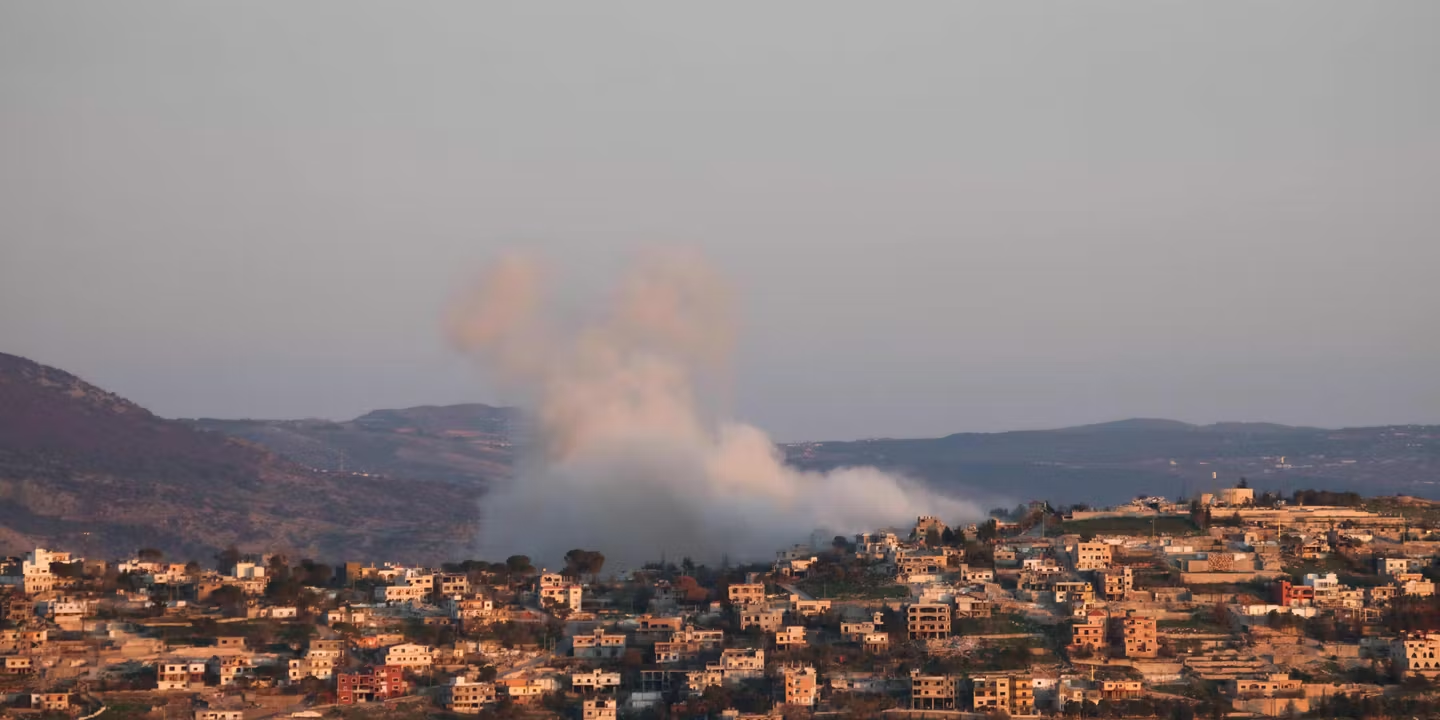
Human rights investigators reported reviewing video footage and other evidence from areas affected by the conflict. According to their analysis, certain munitions seen during the fighting appeared consistent with artillery shells that disperse white phosphorus.
The organization argued that the visual characteristics observed in the footage matched known patterns associated with white phosphorus bursts.
Such claims are taken seriously because the presence of this substance in populated areas could pose significant risks to civilians. Even if used for smoke or illumination purposes, the burning fragments can fall onto buildings, streets, and residential areas.
Investigators emphasized that determining exactly how the weapon was used requires careful examination of available evidence, including physical remnants of munitions and eyewitness accounts.
Military Uses of White Phosphorus
It is important to understand that white phosphorus is not banned outright under international law. Militaries around the world have used it for several legitimate battlefield purposes.
One of its primary uses is to create smoke screens that obscure troop movements. The dense smoke generated by burning phosphorus can block enemy visibility and help protect soldiers during combat operations.
Another use involves battlefield illumination. When dispersed in the air, white phosphorus can produce bright light that allows military units to see targets at night.
However, international law places restrictions on how such weapons may be used, particularly in areas where civilians may be present.
International Humanitarian Law and Civilian Protection

International humanitarian law is designed to limit the suffering caused by armed conflict. One of its central principles is the protection of civilians who are not directly participating in hostilities.
Weapons that cause indiscriminate harm or cannot distinguish between military and civilian targets raise serious legal concerns.
When white phosphorus is used in open battlefields far from civilian populations, it may be considered permissible under certain circumstances. However, using it in densely populated areas may violate legal standards intended to protect civilians.
This is why allegations involving white phosphorus often attract international scrutiny.
Organizations that monitor conflicts regularly investigate reports of weapons use to determine whether laws of war have been followed.
The Challenges of Verifying Battlefield Claims
Confirming exactly what weapons were used during a conflict can be extremely difficult. Active war zones often limit access for independent investigators.
Information may come from a variety of sources including satellite imagery, video recordings, witness testimonies, and physical evidence collected from the ground.
Each type of evidence must be carefully analyzed to avoid misinterpretation.
Visual footage can provide important clues, but it may not always reveal the full context of a military operation. Smoke patterns, explosions, and burning materials can sometimes resemble different types of munitions.
Because of this complexity, investigations into alleged war crimes or controversial weapons use can take considerable time.
The Humanitarian Impact of Urban Warfare
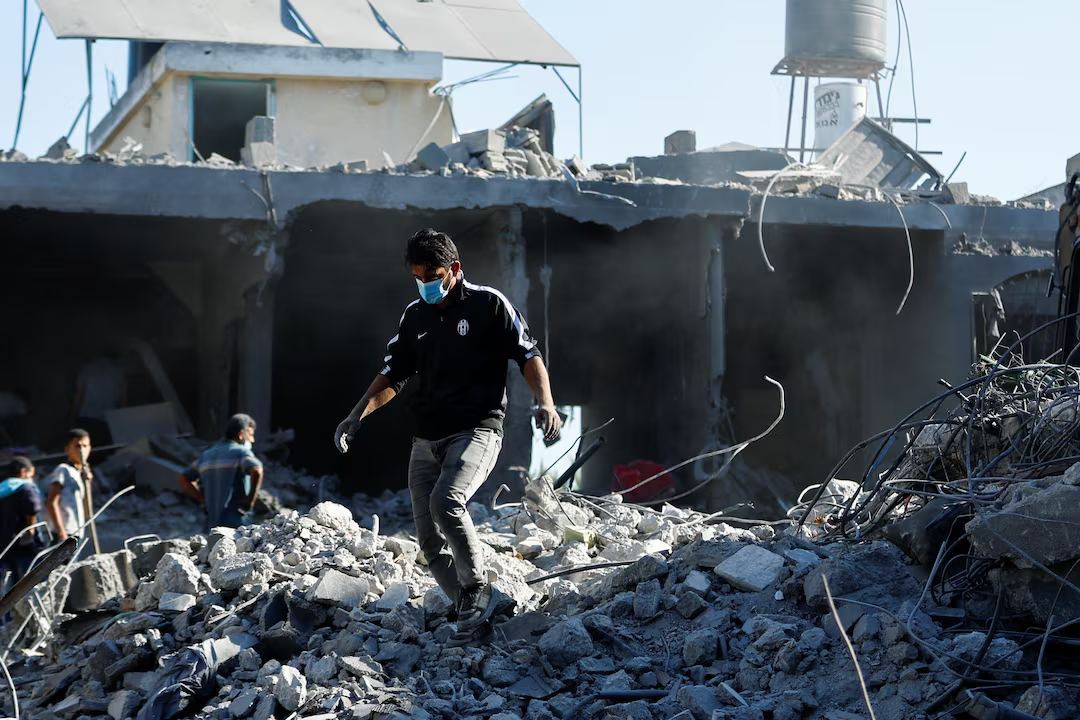
The conflict in Gaza and surrounding regions has drawn attention to the broader challenges of urban warfare. Modern conflicts increasingly occur in densely populated areas where civilians live close to military infrastructure.
Urban environments complicate military operations because buildings, roads, and underground structures create difficult combat conditions.
At the same time, civilians may have limited ability to evacuate dangerous areas.
Humanitarian organizations often emphasize that protecting civilians becomes more difficult when fighting occurs in cities.
Weapons capable of spreading fire or fragments across wide areas raise particular concerns in such environments.
Global Reactions to the Allegations
The claims regarding white phosphorus quickly prompted reactions from governments, humanitarian groups, and international organizations.
Some officials called for thorough investigations to determine whether the weapon had been used and under what circumstances.
Others emphasized the importance of ensuring that all parties in the conflict follow international humanitarian law.
Public debate surrounding the issue reflects broader concerns about the conduct of warfare in the modern era.
Technological advances have produced increasingly powerful weapons, yet international law continues to stress the need for restraint and civilian protection.
The Broader Context of the Conflict

The allegations about white phosphorus emerged during one of the most intense periods of fighting in the region in recent years. Escalating violence had already produced significant humanitarian consequences including casualties, displacement, and infrastructure damage.
Military operations on both sides have been shaped by longstanding political tensions and security concerns.
For civilians living in the affected areas, however, the immediate reality is often defined by safety, access to resources, and the ability to avoid harm.
Humanitarian organizations frequently stress that protecting civilian populations should remain a priority regardless of the political or military objectives involved in the conflict.
Investigations and Accountability
When allegations of controversial weapons use arise, international organizations often call for independent investigations.
Such inquiries typically examine multiple forms of evidence including weapons fragments, impact sites, and witness testimony.
If violations of international humanitarian law are confirmed, governments or military authorities may face calls for accountability.
The goal of such investigations is not only to determine responsibility but also to discourage future violations by reinforcing legal standards.
Accountability mechanisms play an important role in maintaining international norms governing armed conflict.
The Ethical Debate Over Modern Warfare
The controversy surrounding white phosphorus also reflects a broader ethical debate about how wars are fought in the modern world.
Advances in military technology have created weapons capable of immense destructive power. At the same time, global awareness of humanitarian issues has increased dramatically.
Images and videos from conflict zones can circulate worldwide within minutes, bringing public attention to events that might once have remained unseen.
This visibility has intensified discussions about the responsibilities of governments and military forces during armed conflict.
Many experts argue that stronger international oversight is necessary to ensure that warfare does not endanger civilian populations unnecessarily.
Looking Toward the Future
The allegations about white phosphorus use highlight how quickly humanitarian concerns can emerge during modern conflicts. As investigations continue, the findings may influence diplomatic discussions and international responses to the situation.
Regardless of the final conclusions, the controversy underscores the importance of maintaining clear rules governing the use of weapons in war.
International humanitarian law exists to protect those who are not participating in combat and to limit the suffering caused by armed conflict.
In a world where warfare often unfolds in densely populated regions, these rules remain as important as ever.
The discussion surrounding the Gaza conflict serves as a reminder that the conduct of war is closely watched by the international community.
For civilians caught in the middle of conflict zones, the hope is that these debates ultimately lead to stronger protections and greater accountability in the future.