
Table of Contents
- When Psychologists Began Asking Why Lying Feels Safer Than Truth
- The Brain Learns to Lie Before It Learns to Explain It
- Why Lying Reduces Pain in the Moment but Increases It Later
- The Hidden Relationship Between Lying and Anxiety
- Why Honesty Feels Threatening to the Nervous System
- How Small Lies Slowly Distance Us From Others
- The Psychological Relief That Comes From Telling the Truth
- Why Honesty Strengthens Identity and Self-Trust
- The Difference Between Honesty and Harmful Oversharing
- Why Stopping Lying Is a Gradual Psychological Process
- How Truth Telling Changes Relationships Over Time
- The Long-Term Mental Health Benefits of Living Truthfully
- Why Telling the Truth Is Ultimately an Act of Self-Compassion
- What This Shift Toward Honesty Means for the Future of Mental Health
When Psychologists Began Asking Why Lying Feels Safer Than Truth
When psychologists began studying lying, they quickly realized that most people do not lie because they are manipulative or immoral. They lie because, at some point in their lives, lying felt safer than telling the truth. Whether it was avoiding punishment as a child, preventing conflict in relationships, or protecting fragile self-esteem, dishonesty often begins as a survival strategy rather than a character flaw. Over time, however, what starts as protection can quietly evolve into a source of anxiety, emotional distance, and internal conflict.
What makes this realization unsettling is how normalized lying has become in everyday life. Small distortions, omissions, and half-truths are often treated as harmless social tools. Yet psychological research increasingly suggests that habitual dishonesty carries a measurable mental cost. What follows is an exploration of why humans lie, how the brain justifies deception, and why learning to tell the truth—gradually and imperfectly—can lead to profound psychological relief.
The Brain Learns to Lie Before It Learns to Explain It
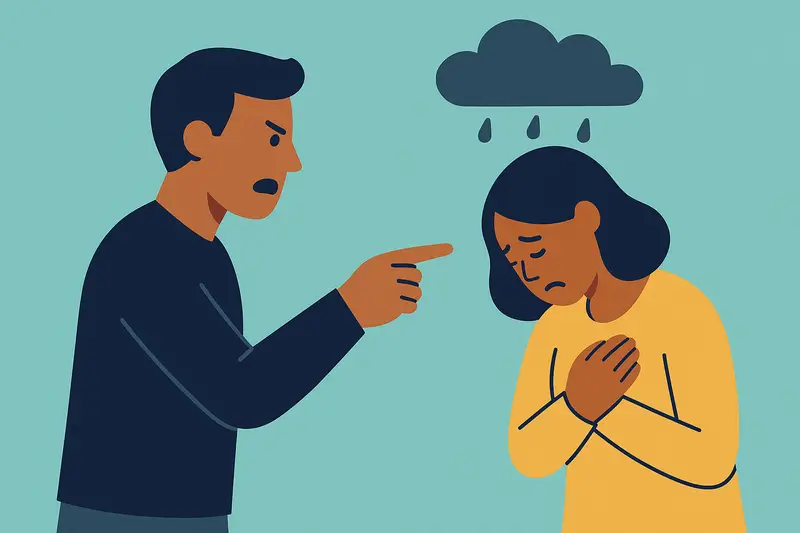
Lying is not a random behavior; it is learned early. Developmental psychologists have found that children begin experimenting with dishonesty as soon as they understand cause and effect. A lie becomes a way to control outcomes, especially in environments where mistakes lead to shame, anger, or withdrawal of affection.
The brain remembers which strategies reduce emotional pain. When lying successfully prevents punishment or rejection, neural pathways reinforce the behavior. Over time, the brain stops treating dishonesty as a conscious choice and begins using it automatically. By adulthood, many people lie reflexively, often without fully realizing why they are doing it.
Why Lying Reduces Pain in the Moment but Increases It Later
In the short term, lying works. It lowers immediate anxiety, avoids confrontation, and preserves social harmony. The nervous system experiences relief, reinforcing the belief that dishonesty is effective. But this relief is temporary.
Psychologists explain that lying requires cognitive effort. The brain must remember what was said, suppress contradictory information, and remain alert for inconsistencies. This ongoing mental load activates stress responses, even when the lie seems small. Over time, this creates chronic tension, emotional fatigue, and a subtle sense of living out of alignment with oneself.
The Hidden Relationship Between Lying and Anxiety
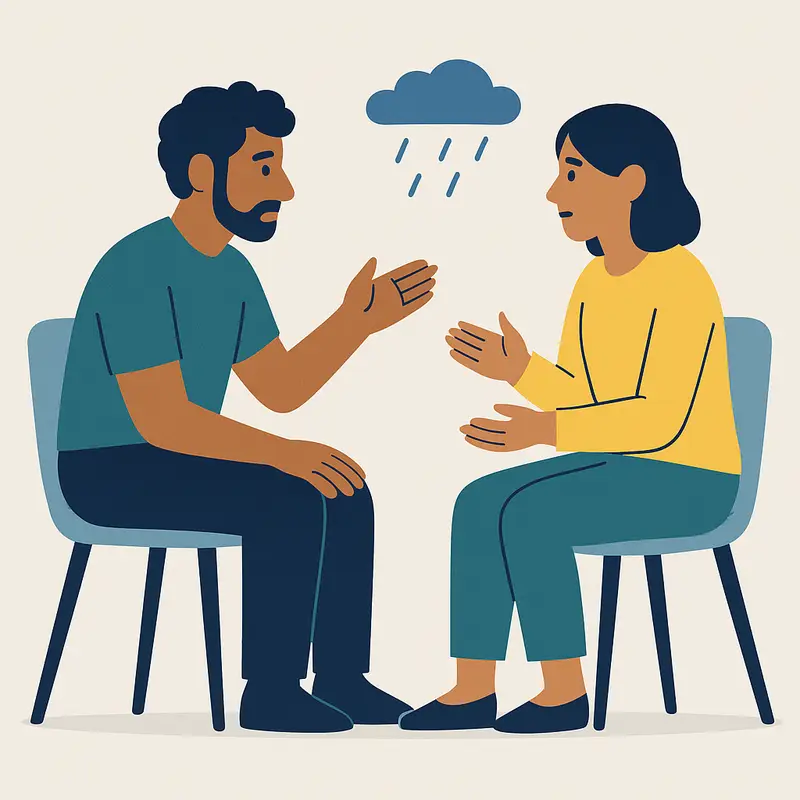
Research consistently links habitual lying with increased anxiety. The fear of being discovered, misunderstood, or exposed keeps the nervous system in a state of vigilance. Even when no one suspects deception, the body behaves as though danger is imminent.
This anxiety often manifests physically. People who lie frequently report sleep disturbances, muscle tension, digestive issues, and difficulty concentrating. Psychologists note that the body reacts not only to external threats, but also to internal contradictions. When words and reality do not match, the nervous system remains unsettled.
Why Honesty Feels Threatening to the Nervous System
If telling the truth is healthier, why does it feel so difficult? The answer lies in how the brain associates honesty with danger. For many people, early experiences taught them that truth led to punishment, rejection, or emotional harm. The nervous system does not forget these lessons easily.
When a person considers telling the truth, the brain may trigger fear responses similar to those experienced in childhood. Heart rate increases, muscles tense, and avoidance impulses arise. In these moments, lying feels like self-protection, even if the current situation is safe.
How Small Lies Slowly Distance Us From Others

Lying does more than create internal stress; it alters relationships. Psychologists explain that emotional intimacy depends on shared reality. When one person withholds or distorts the truth, connection becomes superficial, even if the relationship appears functional on the surface.
Over time, this distance grows. The liar may feel unseen or misunderstood, while the other person senses something is missing without knowing why. This disconnect can lead to loneliness, resentment, and a persistent feeling of emotional isolation.
The Psychological Relief That Comes From Telling the Truth
Studies show that people who begin practicing honesty—especially in emotionally safe environments—often experience a surprising sense of relief. Truth telling reduces cognitive load, allowing the brain to relax. The nervous system no longer needs to monitor inconsistencies or anticipate exposure.
This relief does not mean that honesty is always comfortable. Truth can provoke difficult conversations and uncomfortable emotions. However, psychologists emphasize that discomfort and danger are not the same. While honesty may feel risky, it often leads to deeper trust and emotional clarity over time.
Why Honesty Strengthens Identity and Self-Trust

One of the most overlooked benefits of honesty is its impact on self-identity. When people lie, they often feel fragmented, unsure which version of themselves others truly know. This fragmentation weakens self-trust and contributes to low self-esteem.
Telling the truth, even imperfectly, helps integrate identity. Actions align with values, words match experience, and the individual begins to trust their own perceptions. Psychologists describe this alignment as psychologically stabilizing, providing a sense of internal coherence that reduces emotional distress.
The Difference Between Honesty and Harmful Oversharing
Importantly, psychologists distinguish honesty from unfiltered disclosure. Telling the truth does not mean sharing every thought or emotion without regard for context. Healthy honesty involves intention, timing, and respect for boundaries.
This distinction matters because many people fear honesty will cause harm. In reality, mindful truth telling focuses on authenticity rather than bluntness. It prioritizes clarity without cruelty and openness without emotional flooding.
Why Stopping Lying Is a Gradual Psychological Process
Breaking the habit of lying rarely happens overnight. Because dishonesty is often deeply tied to survival mechanisms, abrupt change can overwhelm the nervous system. Psychologists recommend gradual shifts, beginning with low-risk honesty and increasing emotional tolerance over time.
Each truthful interaction teaches the brain a new lesson: honesty does not always lead to harm. As this learning accumulates, fear responses weaken, and honesty becomes less threatening. What once felt dangerous begins to feel grounding.
How Truth Telling Changes Relationships Over Time
As honesty increases, relationships often change. Some become stronger, built on trust and shared understanding. Others may shift or dissolve, particularly those that relied on avoidance or emotional concealment.
Psychologists emphasize that while this can be painful, it is also clarifying. Relationships that survive honesty tend to be more resilient and emotionally satisfying. Those that do not often reveal limitations that were already present but unspoken.
The Long-Term Mental Health Benefits of Living Truthfully
Over time, consistent honesty is associated with reduced anxiety, improved emotional regulation, and stronger self-esteem. The nervous system adapts to openness, replacing vigilance with stability. Mental energy once spent maintaining deception becomes available for creativity, connection, and growth.
This does not mean life becomes easier. Honest living can be challenging. But it tends to be simpler. Psychologists describe this difference as the shift from constant internal management to grounded self-acceptance.
Why Telling the Truth Is Ultimately an Act of Self-Compassion
At its core, honesty is not about moral superiority. It is about reducing internal suffering. When people tell the truth, they allow themselves to exist without constant self-monitoring or emotional armor.
Psychologists increasingly frame honesty as a form of self-compassion. It acknowledges fear without obeying it and prioritizes long-term well-being over short-term comfort. In this sense, truth telling is less about changing who we are and more about finally allowing ourselves to be seen.
What This Shift Toward Honesty Means for the Future of Mental Health
As mental health conversations evolve, honesty is emerging as a central theme—not as an obligation, but as a healing process. Therapists are increasingly helping clients explore not just what they feel, but what they hide, and why.
The growing understanding is clear: lying may protect us in the moment, but truth gives us room to breathe. And in a world filled with pressure to perform, please, and protect, learning to tell the truth may be one of the quietest yet most powerful ways to reclaim psychological freedom.