
Table of Contents
- The Cruise Ship At The Center Of The Outbreak
- The French Woman’s Symptoms Were Initially Dismissed
- Her Condition Later Became Critical
- What Is Hantavirus?
- Multiple Deaths Intensified Global Concern
- Countries Responded In Different Ways
- Why Early Symptoms Can Be Misleading
- Cruise Ships And Infectious Disease Risks
- Public Anxiety Around Rare Viruses
- The Emotional Reality For Passengers
- Health Systems Are Being Forced To Stay Alert
- The Bigger Questions Raised By The Outbreak
The Cruise Ship At The Center Of The Outbreak
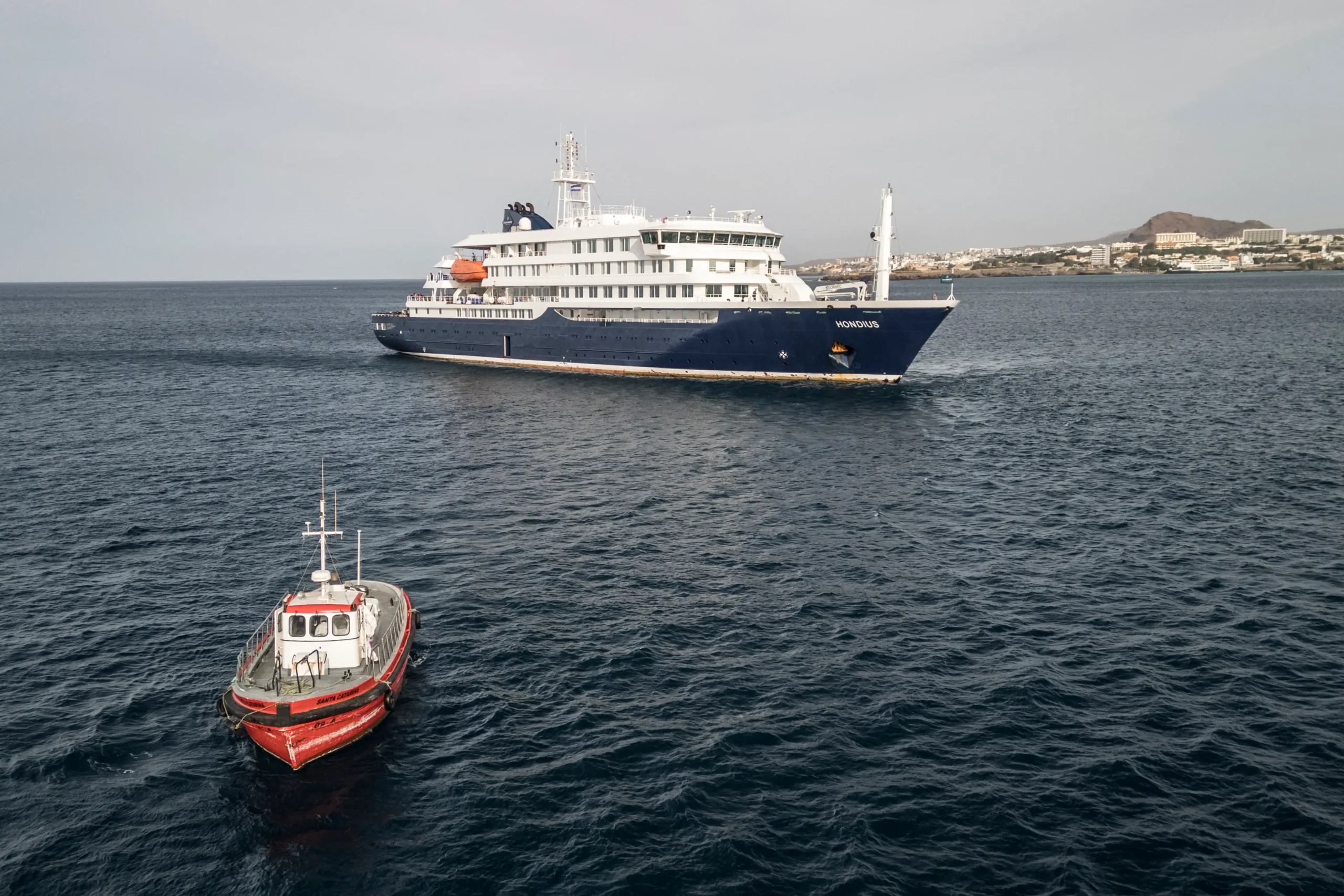
The MV Hondius expedition ship began its voyage from southern Argentina on April 1, carrying passengers on what was expected to be a scenic journey through remote regions connected to Antarctica and South America.
But just days into the trip, things reportedly began going wrong.
A 70 year old Dutch passenger became seriously ill roughly five days after departure. He later died onboard. Soon afterward, additional passengers began developing symptoms.
As health concerns escalated, the World Health Organization announced it was investigating a possible hantavirus outbreak connected to the vessel.
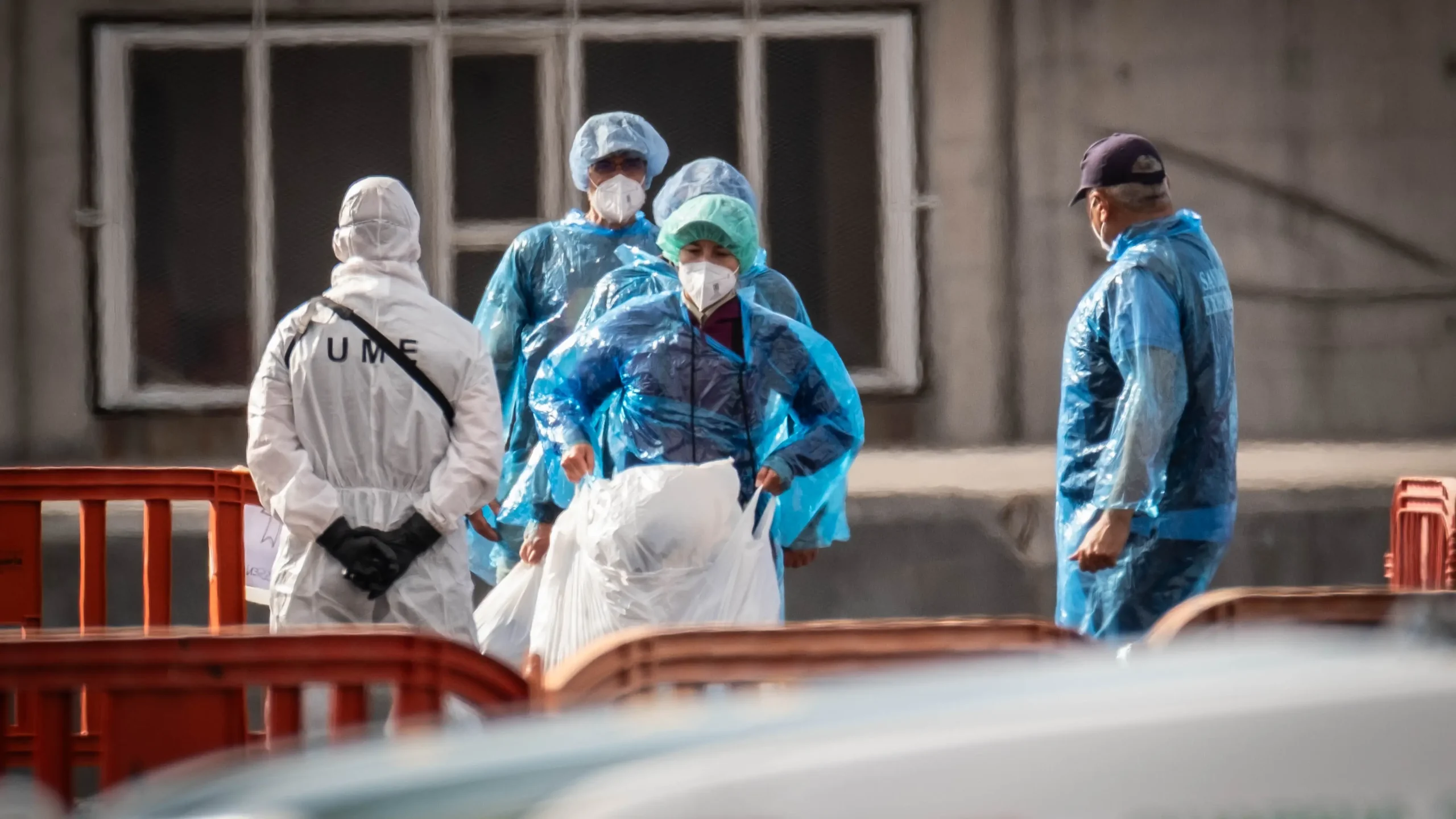
The ship eventually docked in Tenerife on May 10, where emergency health operations intensified. Nearly 120 passengers and 23 crew members were evacuated as authorities worked to assess exposure risks and prevent wider spread.
The situation immediately drew international concern because passengers aboard the ship came from multiple countries, meaning potentially exposed individuals were now dispersing across the world.
The French Woman’s Symptoms Were Initially Dismissed
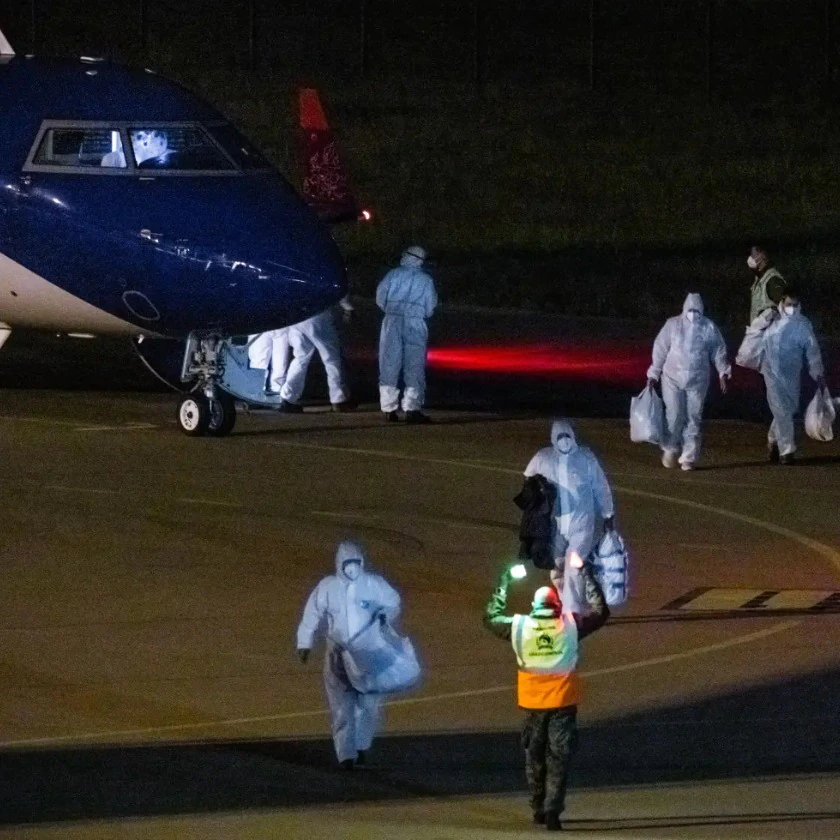
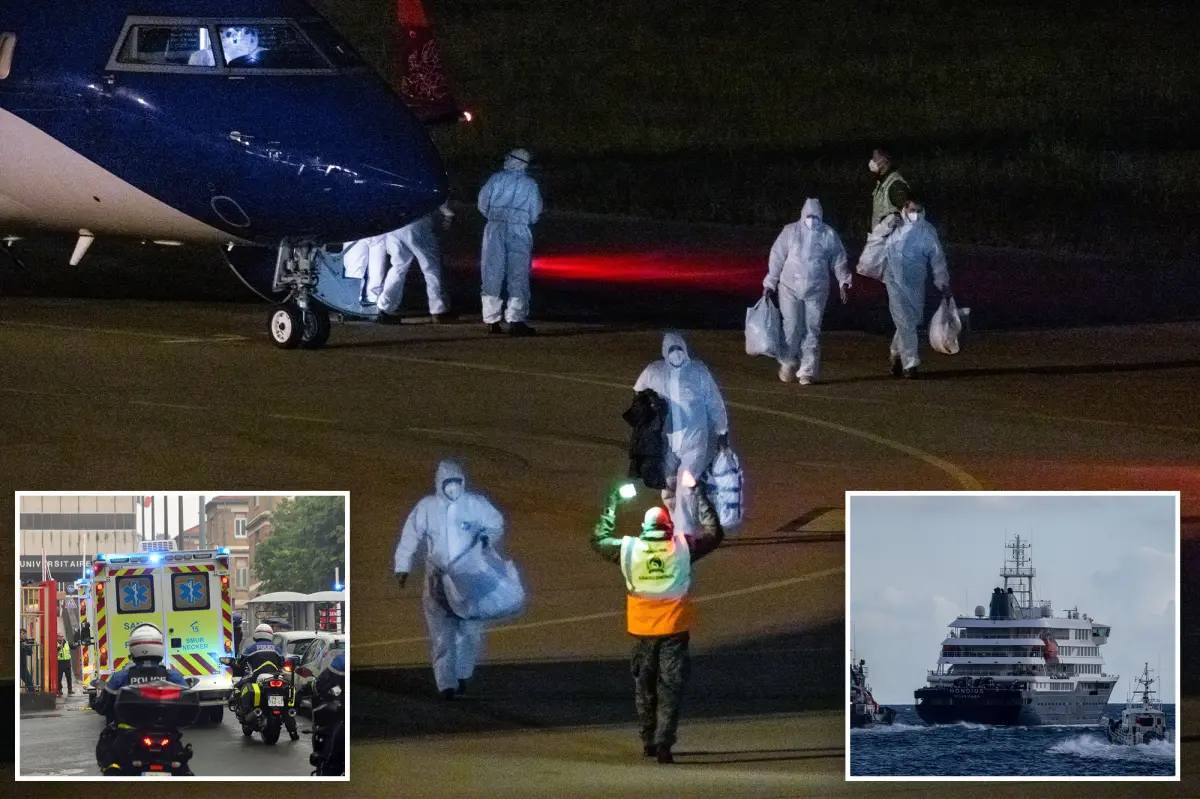
Among the evacuated passengers were five French nationals flown to Paris for medical care and observation. One of them later tested positive for hantavirus.
What made her case especially alarming were reports from Spanish health officials explaining that her symptoms were not initially recognized as signs of hantavirus infection.
According to Spanish health minister Javier Padilla Bernáldez, the woman had reportedly experienced flu like symptoms earlier during the cruise, including coughing. However, by the time her condition was reassessed, her symptoms were interpreted more as anxiety, stress, or nervousness.
Officials reportedly believed the earlier coughing episode had resolved.
As a result, her condition was apparently not initially categorized as possible hantavirus.
That detail quickly gained attention because it reflects one of the most difficult realities in infectious disease medicine: dangerous illnesses often begin with symptoms that appear surprisingly ordinary.
Fatigue, coughing, anxiety, fever, headaches, and weakness can overlap with countless less serious conditions.
Her Condition Later Became Critical
The situation changed dramatically when the woman’s health deteriorated rapidly.
World Health Organization director general Tedros Adhanom Ghebreyesus later confirmed that the patient had entered critical condition.
French officials stated her symptoms worsened significantly overnight, requiring treatment in a specialized infectious diseases unit in Paris.
The progression of her illness intensified public concern because hantavirus can sometimes move from mild symptoms to severe respiratory complications very quickly.
While many people had never heard of hantavirus before this outbreak, the virus can be extremely dangerous depending on the strain involved.
What Is Hantavirus?
Hantavirus refers to a group of viruses usually transmitted through contact with infected rodents, their urine, droppings, or saliva.
Humans can become infected by inhaling contaminated particles or through direct exposure to rodent contaminated environments.
Different hantavirus strains exist in different parts of the world, and the severity of illness varies significantly.
Some forms cause hemorrhagic fever with kidney complications, while others trigger severe lung infections known as hantavirus pulmonary syndrome.
One reason this outbreak attracted so much attention is because officials identified concerns involving the Andes strain, one of the rare hantavirus variants capable of limited human to human transmission.
That feature distinguishes it from many other hantavirus types, which primarily spread through rodent exposure rather than between people.
Multiple Deaths Intensified Global Concern
As investigations continued, officials confirmed that at least three people linked to the outbreak had died, including a Dutch couple and a German national.
Additional infections were also identified.
An American passenger reportedly tested positive after returning home, while Spanish authorities monitored a suspected case as well.
Because passengers had already traveled internationally before the full extent of the outbreak became clear, governments across multiple countries began implementing different containment strategies.
The outbreak quickly transformed from an isolated cruise ship incident into an international public health coordination challenge.
Countries Responded In Different Ways
Different nations adopted different strategies for managing returning passengers.
In the United States, passengers underwent specialized health screenings after arrival. Several Americans were monitored at the University of Nebraska Medical Center in Omaha, while others were transported using biocontainment systems to high level infectious disease facilities.
Meanwhile, passengers returning to the United Kingdom were reportedly instructed to self isolate at home for 42 days following medical evaluations.
Health authorities explained that care plans for returning passengers would vary depending on symptoms, living conditions, and risk assessments.
Some individuals could isolate at home, while others required closer medical monitoring.
These differing approaches reflect the uncertainty that often surrounds rare infectious disease outbreaks, especially when information continues evolving rapidly.
Why Early Symptoms Can Be Misleading
One reason this story has generated such intense discussion is because the French patient’s symptoms were initially interpreted as anxiety related rather than infectious.
Medical experts frequently note that dangerous illnesses can begin with vague, nonspecific symptoms.
Early hantavirus symptoms often resemble influenza or common viral infections. Patients may experience fatigue, muscle pain, fever, headaches, nausea, dizziness, or coughing.
Anxiety can also develop naturally when someone feels unwell in stressful travel situations, especially aboard a ship dealing with serious illness.
This overlap creates diagnostic challenges.
Doctors and medical staff must constantly balance the likelihood of common conditions against the possibility of rare but dangerous diseases.
Unfortunately, during rapidly evolving outbreaks, that distinction is not always immediately obvious.
Cruise Ships And Infectious Disease Risks
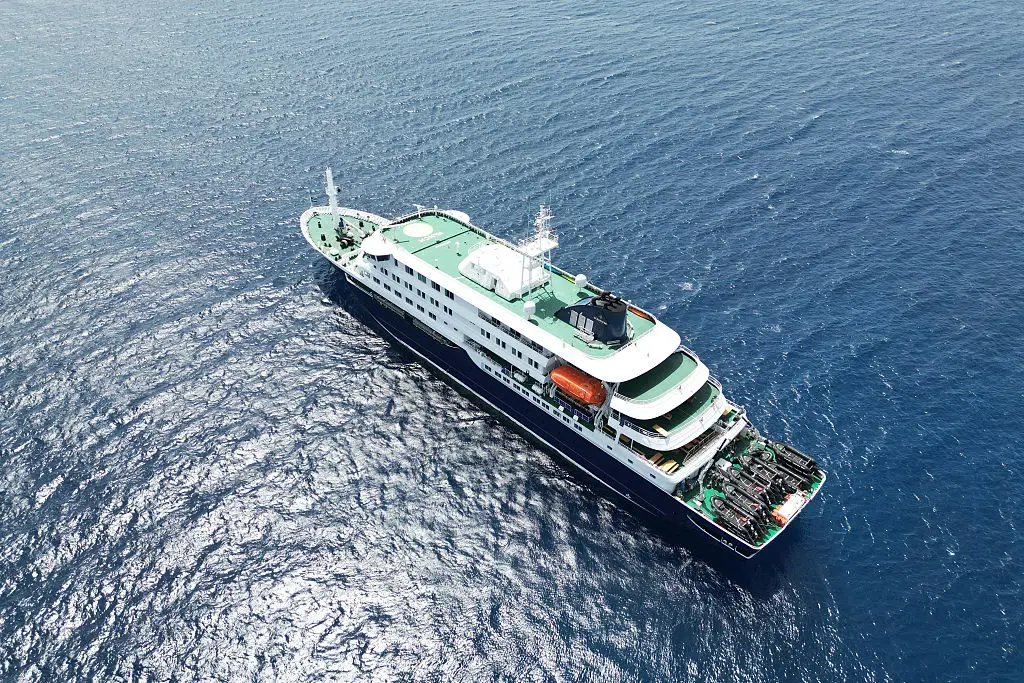
Cruise ships have long presented unique public health challenges because large numbers of people live in close proximity for extended periods.
Passengers share dining spaces, ventilation systems, recreation areas, hallways, and transportation logistics. Once illness appears onboard, containment becomes extremely complicated.
The COVID-19 pandemic dramatically increased global awareness about how quickly infections can spread in cruise environments.
However, the MV Hondius outbreak differs from many previous cruise incidents because hantavirus is not typically associated with cruise travel itself.
That unusual element has made investigators especially focused on understanding exactly how exposure occurred.
Questions remain about whether infected rodents may have been encountered during excursions, within cargo areas, or through environmental exposure connected to remote travel locations.
Public Anxiety Around Rare Viruses
Outbreaks involving unfamiliar diseases often generate intense fear because most people know very little about them.
Unlike viruses such as influenza or COVID-19, hantavirus remains relatively unknown to the broader public. That unfamiliarity can make reports feel especially frightening.
The fact that several passengers reportedly deteriorated rapidly also intensified public attention.
At the same time, health authorities continue emphasizing that overall risk to the general public remains low.
Human to human transmission of hantavirus is considered uncommon, especially outside certain strains. Experts also note that outbreaks typically remain limited compared to highly contagious respiratory viruses.
Still, the situation demonstrates how quickly concern can escalate when rare diseases appear in international travel settings.
The Emotional Reality For Passengers
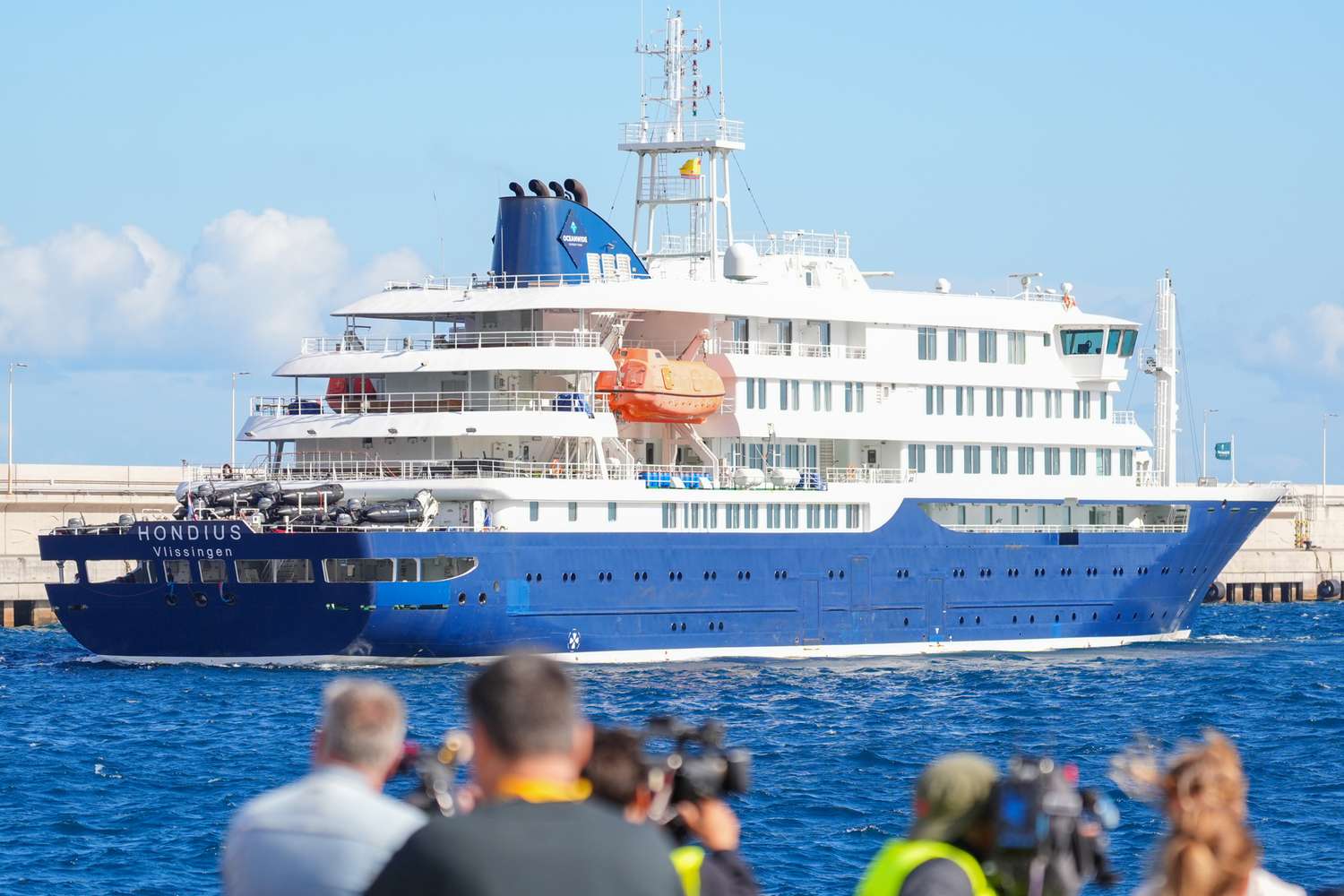
Beyond medical concerns, the outbreak also created enormous emotional stress for passengers suddenly caught inside an international health emergency.
What began as a luxury expedition cruise reportedly transformed into an atmosphere of fear, uncertainty, quarantine, and emergency evacuation.
Passengers returning home faced medical monitoring, isolation rules, testing, and widespread media attention.
For some families, the situation became tragic after loved ones died.
For others, uncertainty itself became psychologically exhausting as they waited to see whether symptoms would emerge.
Stories involving cruise outbreaks often resonate strongly because they disrupt environments people associate with leisure, safety, and escape.
Health Systems Are Being Forced To Stay Alert
The MV Hondius outbreak also reflects a broader reality facing modern healthcare systems: international travel allows diseases to move across borders faster than ever before.
A virus linked to remote travel near Argentina can quickly create medical alerts in France, Spain, the United States, the United Kingdom, and beyond within days.
This interconnected world forces health authorities to remain highly coordinated and adaptable, especially when dealing with unusual pathogens.
It also highlights the importance of rapid identification, clear communication, and careful monitoring during outbreaks involving rare diseases.
The Bigger Questions Raised By The Outbreak
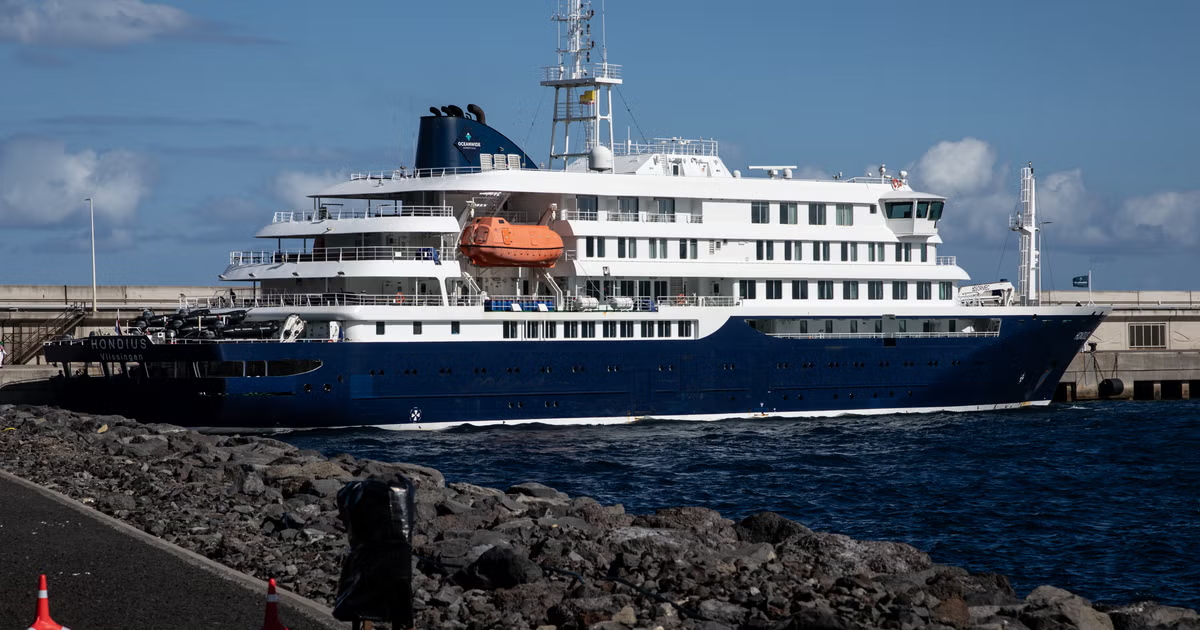
Ultimately, the hantavirus outbreak aboard the MV Hondius has become more than just a story about one infected ship.
It has raised uncomfortable questions about how easily dangerous illnesses can initially be mistaken for something ordinary. It has highlighted the fragility of global health systems facing unfamiliar threats. And it has reminded the public that rare viruses still exist outside the headlines that usually dominate international attention.
The French woman whose symptoms were reportedly dismissed as anxiety now stands at the center of that conversation.
Her case reflects the frightening reality that early symptoms do not always reveal the seriousness of what is happening inside the body. Sometimes a cough, exhaustion, or nervousness can conceal something far more dangerous developing beneath the surface.
For now, international health agencies continue monitoring the situation carefully while emphasizing that the broader public risk remains low. But the outbreak has already left a lasting impact on passengers, healthcare officials, and online audiences around the world who watched a remote cruise vacation suddenly become an international infectious disease emergency.