
Table of Contents
- When New York City Officials Unveiled Affordable World Cup Tickets for Locals
- A Bold Lottery for 1,000 Tickets With Real Value
- Why This Lottery Matters in a World of High World Cup Costs
- The Man Behind the Ticket Push
- Ensuring Fairness and Preventing Scalping
- Context Within the City’s Broader World Cup Engagement
- Reactions From Residents and Fans
- What This Means for the Future of Access to Major Sporting Events
- Conclusion
When New York City Officials Unveiled Affordable World Cup Tickets for Locals
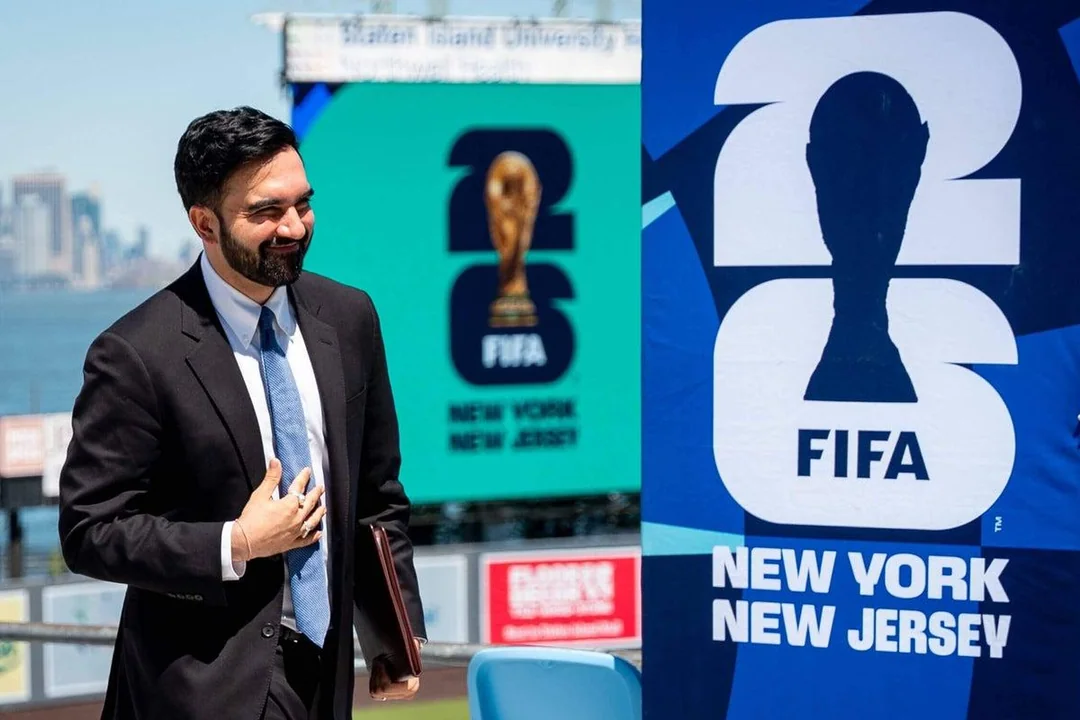
When news broke that New York City leaders had secured 1,000 highly affordable FIFA World Cup tickets for residents of the Big Apple, the world of soccer fans and urban advocates took notice. In a moment that underscored both the soaring costs associated with major international sporting events and a city’s commitment to equitable access, Mayor Zohran Mamdani stepped before reporters with a promise that has electrified football supporters across the five boroughs. With the world’s biggest soccer tournament set to kick off in less than three weeks, many New Yorkers were bracing for sticker shock on ticket prices — but Mamdani’s announcement offered a surprise twist, tying civic pride to grassroots access and launching a lottery that would give ordinary fans a shot at seats they could afford. What follows is a close look at the strategy, its context, its reception, and what it reveals about sport, city life, and inclusion in 2026’s most anticipated global spectacle.
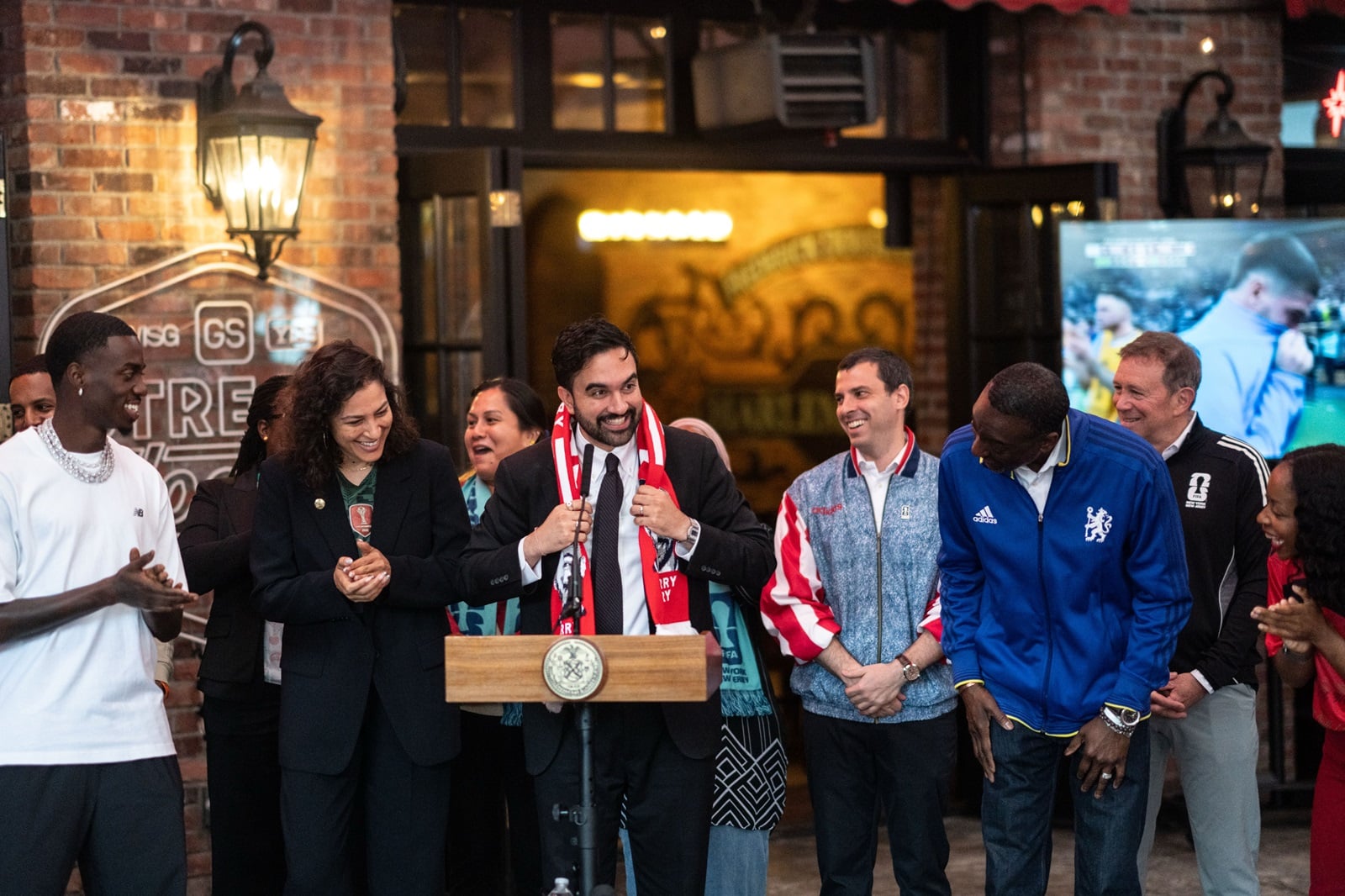
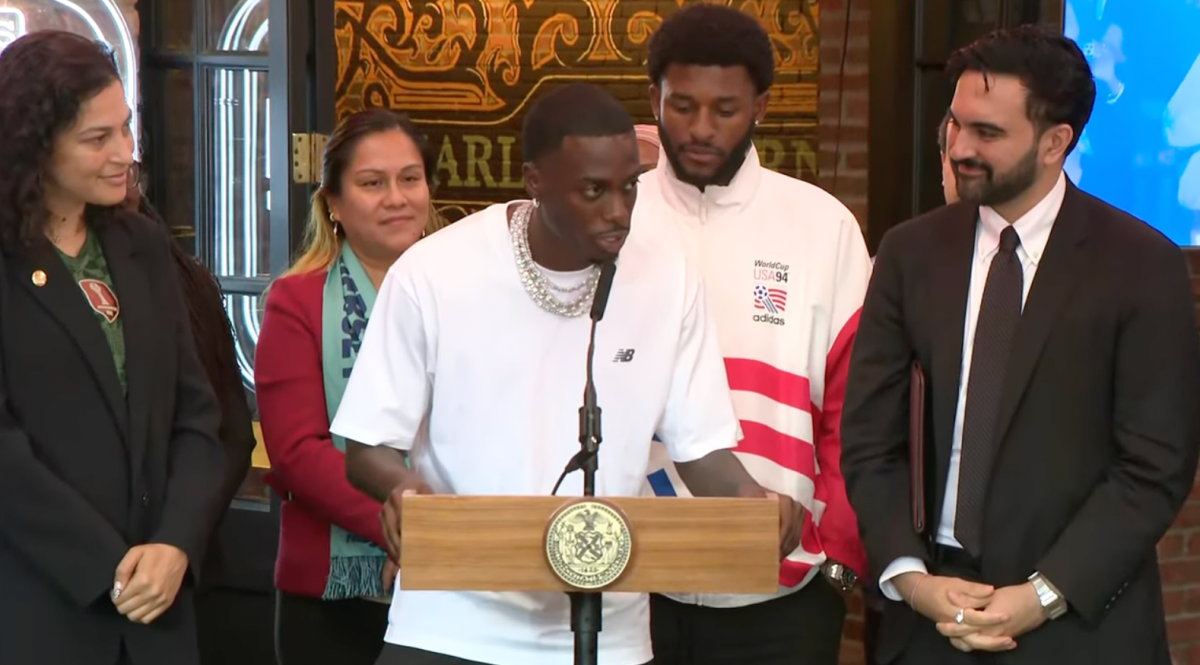
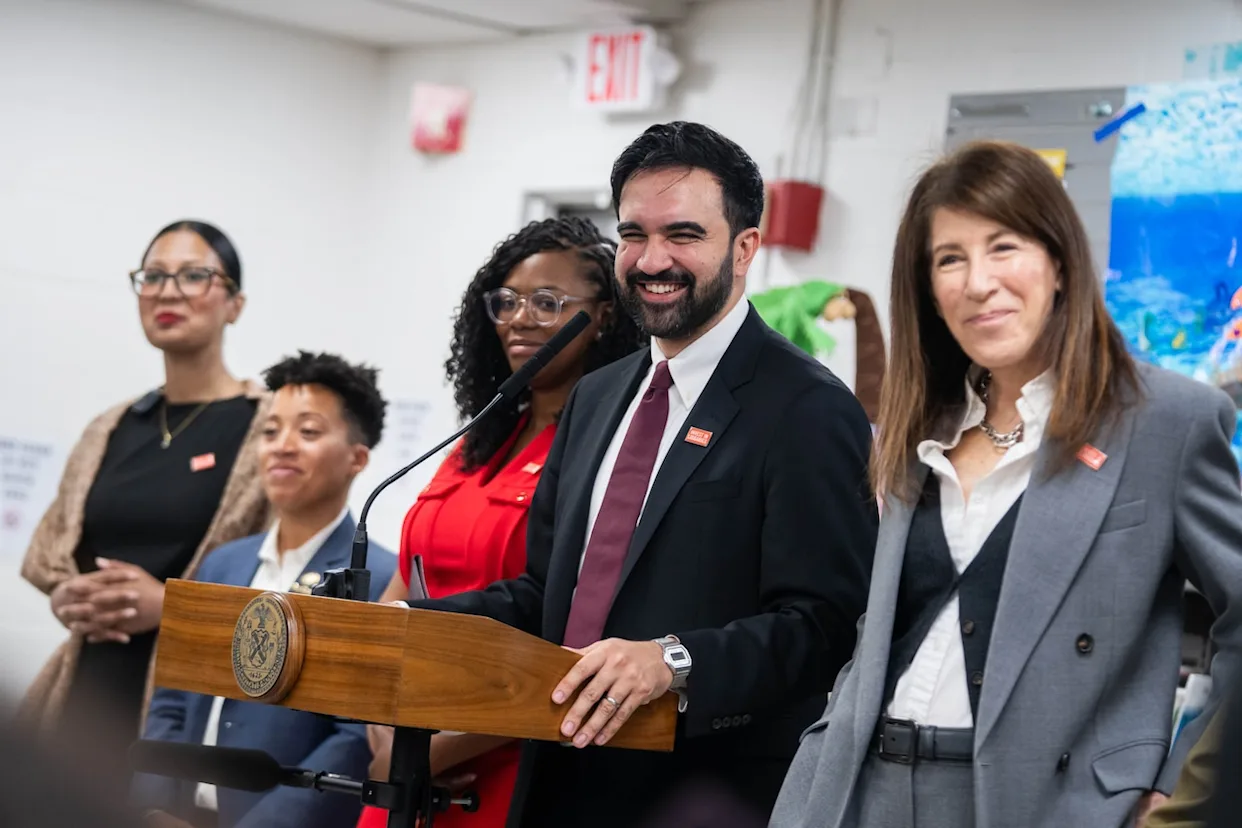
Mamdani’s announcement, delivered with palpable enthusiasm at a packed press venue in Harlem Tavern, was not just about cheap tickets but about reclaiming a moment for everyday New Yorkers. Speaking alongside celebrated US Men’s National Team winger and Brooklyn native Timothy Weah, Mamdani articulated both a political and cultural mission: soccer belongs to the people, and the World Cup should not be a luxury reserved for the wealthy. His comments struck a chord that extended well beyond sports pages, touching on affordability, identity, and the fabric of urban community life as New York positions itself at the center of global football fever.
A Bold Lottery for 1,000 Tickets With Real Value
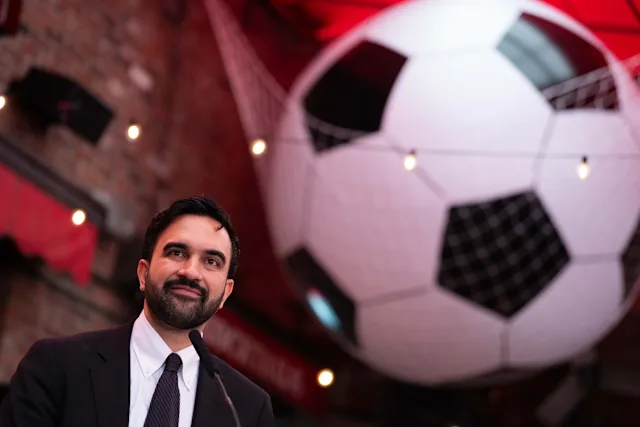
The centerpiece of Mayor Mamdani’s plan is a ticket lottery unlike any the city has recently offered. Rather than relying on secondary markets — where tickets for World Cup matches have soared into the hundreds and even thousands of dollars — New York is allocating 1,000 tickets to local residents at just $50 each. This allocation spans seven key matches: five group stage contests and two knockout round games that could include the United States Men’s National Team and other high‑profile fixtures likely to draw intense interest.
Under the system, 150 tickets per match will be reserved for lottery winners. Each winning applicant will have the opportunity to buy two tickets per match, meaning couples, friends, families, or pairs of households could attend together. That each seat costs just $50 — about the price of a few coffees in Manhattan — became a defining phrase of the day, with the mayor later quipping that price puts match access “within reach of the average New Yorker.”
But affordability isn’t the only piece of the puzzle: each lottery winner will receive round‑trip bus transportation to the stadium at no additional cost. The city has partnered with transportation authorities and fan organizations to ensure that attending a match does not require New Yorkers to absorb steep transit costs, a concern that had been raised by households already navigating high travel expenses.
Residents will have six days to enter the lottery when registration opens at 10 a.m. on Monday and runs until midnight. Each hopeful entrant can sign up once per day, with a daily cap of 50,000 entries to manage demand. The city has emphasized identity verification measures to make sure the tickets truly go to New Yorkers, not scalpers or out‑of‑state buyers. Winning entries will be validated against official city records, and ticket collection will occur only immediately before boarding the bus for the match, minimizing the risk of resale or transfer.
Why This Lottery Matters in a World of High World Cup Costs
The broader environment surrounding FIFA World Cup ticketing has been one of inflation, pricing controversy, and escalating cost concerns. Organizers adopted a dynamic pricing model that has seen even the cheapest group‑stage seats hover above $500 in many cases, putting the global game out of reach for fans without deep pockets. Analysts have pointed out that in inflation‑adjusted terms, the cost of average World Cup tickets today far exceeds comparable events of previous decades, making affordable options a rare commodity.
In comparison, Mayor Mamdani’s lottery stands out as a dramatic intervention. When countless fans nationwide have taken to social media to lament sticker price shock, New York’s plan suggests that public institutions can still play a role in shaping who gets to experience once‑in‑a‑lifetime events. While tickets are limited and nowhere near enough to satisfy the entire city — which counts more than 8 million residents — the initiative has been widely praised as a symbolic and practical attempt to democratize access. It acknowledges both the passion of the fan community and the reality of an economic climate where leisure spending is tightly budgeted.
Moreover, the inclusion of free transportation directly addresses another financial hurdle fans face. Per recent transit announcements, tickets for rail routes leading to the primary stadium had been slashed after negotiations with public officials, but prices remained high relative to typical commuter fares. For non‑World Cup customers, train tickets to the stadium area would have ordinarily cost around $13, but special match service providers had initially advertised round‑trip prices close to $150 before political pressure brought that down. Bus services for ticket holders, once set at $80, were also successfully negotiated lower to $20 for general users — and now included for lottery winners at no extra cost.
The Man Behind the Ticket Push
Mayor Zohran Mamdani has become a recognizable figure in New York politics for his focus on affordability and public access to cultural and sporting life. A longtime supporter of global soccer and a vocal champion of local communities, Mamdani arrived at the world stage opportunity with a clear sense of mission: World Cup excitement should not exacerbate existing inequalities.
His announcement, framed with the humor of a weary but hopeful fan, also reflected deeper policy priorities that have defined his mayoral leadership. From housing affordability initiatives to transit equity discussions, Mamdani positioned the ticket lottery as an extension of his commitment to making New York livable and lovable for residents of all incomes. The mayor’s own passion for the sport — he wore an Arsenal scarf during the press conference — helped humanize the political act, reminding observers that policy and popular culture often intersect in meaningful ways.
The presence of Timothy Weah at the announcement added both athletic prestige and a personal connection to the community. As a Brooklyn native and key player for his national team, Weah embodied the bridge between global sport and local identity. He spoke about joy and unity, about putting smiles on faces, and about the importance of giving fans — many of whom grew up dreaming of World Cup moments — a chance to be part of the spectacle.
Ensuring Fairness and Preventing Scalping
One of the central challenges for any ticket distribution system, especially at the World Cup level, is preventing scalpers and brokers from exploiting hot tickets and driving up prices on secondary markets. New York’s lottery is built with multiple safeguards designed to ensure that tickets stay in the hands of genuine New Yorkers who intend to attend.
Identity verification has been a core pillar. Lottery entrants must provide proof of residence — a means of reinforcing that the system is not captured by bots or out‑of‑town speculators. City officials have also emphasized that tickets are non‑refundable and non‑transferable, further restricting the ability of winners to resell for profit.
Ticket pickup procedures are similarly oriented toward fairness. Winners must collect their passes only in person just before departure on the arranged buses. This window diminishes the opportunity to offload tickets to third parties and ensures that those who enter the lottery with honest intentions can actually use their hard‑won seats.
Such measures are not without logistical complexity, and city authorities have acknowledged there will be challenges in administering the system at scale. But for many New Yorkers, the trade‑off — a structured, transparent, and localized ticket distribution versus an open free‑for‑all on digital marketplaces — is worth the effort.
Context Within the City’s Broader World Cup Engagement
The ticket lottery is just one element of New York’s broader engagement with the World Cup. Recognizing that not every resident will win a seat at a match, city leaders have also negotiated for free official fan zones scattered across the five boroughs. These spaces, equipped with large screens, entertainment, and community activities, will give residents and visitors alike a place to gather and share in the World Cup experience without additional cost.
While all U.S. host cities have such fan zones, New York’s was one of the last to secure free attendance after initial proposals included cover charges. The city’s leverage and political advocacy helped ensure that cheering on one of the biggest sporting events on the planet could be a communal activity rather than a paid luxury. In a densely populated city where civic culture thrives on public gathering places, the decision to keep fan zone access free is being celebrated as a reaffirmation of shared urban values.
Reactions From Residents and Fans
Across New York, reactions to the lottery have been overwhelmingly enthusiastic, though not universal. Many fans expressed gratitude that local officials were thinking creatively about access, especially as they face a cost‑of‑living environment where entertainment expenses often rank second only to housing and transportation in household budgets.
Social media has been filled with hopeful entries into the lottery, personal stories of fandom passed down through families, and reflections on how affordable tickets could change someone’s life narrative. For some parents, the lottery represents a chance to bring a child to a World Cup match, a memory that might otherwise have been economically impossible. For others, it is moment of civic pride, an instance where their city stepped up to ensure inclusion at a moment on the global stage.
Critics have noted that only 1,000 tickets do not go far in a metropolis of millions, and some worry that even the lottery process could disadvantage those without reliable internet access or flexible work schedules to enter multiple times. But defenders of the plan argue that it is a stepping stone — a model that could be expanded if proven successful, and a statement that major events do not have to exclude the average fan.
What This Means for the Future of Access to Major Sporting Events
New York’s approach may well serve as a template for other cities navigating the tension between demand and affordability for high‑profile sporting events. As global tournaments increasingly commercialize and prices climb, public officials may need to assert greater influence in how tickets are allocated, especially when a city is playing host.
The lottery raises important questions about fairness, civic responsibility, and the role of government in facilitating cultural access. It suggests that even within heavily monetized ecosystems like international soccer, there are spaces where inclusion and equity can be prioritized without undermining the commercial viability of the event.
Moreover, it highlights how local governments can creatively leverage partnerships and negotiation to carve out opportunities for residents, particularly in communities where economic pressure can otherwise shut out participation.
Conclusion
In a year defined by heightened global attention on international sport and local debates about affordability, New York City’s innovative World Cup ticket lottery stands out as both a symbol and a strategy. By securing 1,000 affordable seats, pairing them with free transportation, and embedding identity safeguards to prioritize residents, city leaders have crafted a compelling narrative about access and civic pride. While the long lines, high prices, and fierce competition for World Cup tickets around the world have left many fans discouraged, New Yorkers now have a uniquely structured chance to be part of the action.
The success of this initiative will be measured not only in how many winners board the buses and roar from the stands but in how it reshapes expectations about who gets to participate in global events. For ordinary fans on a budget, the lottery represents more than a discount — it embodies a vision that sport can be for everyone, not just the wealthy few. As the world turns its gaze to the tournament’s opening whistle, New York’s example may very well become a story told far beyond its city limits, a testament to the power of creative public policy to make big moments accessible to big dreams.